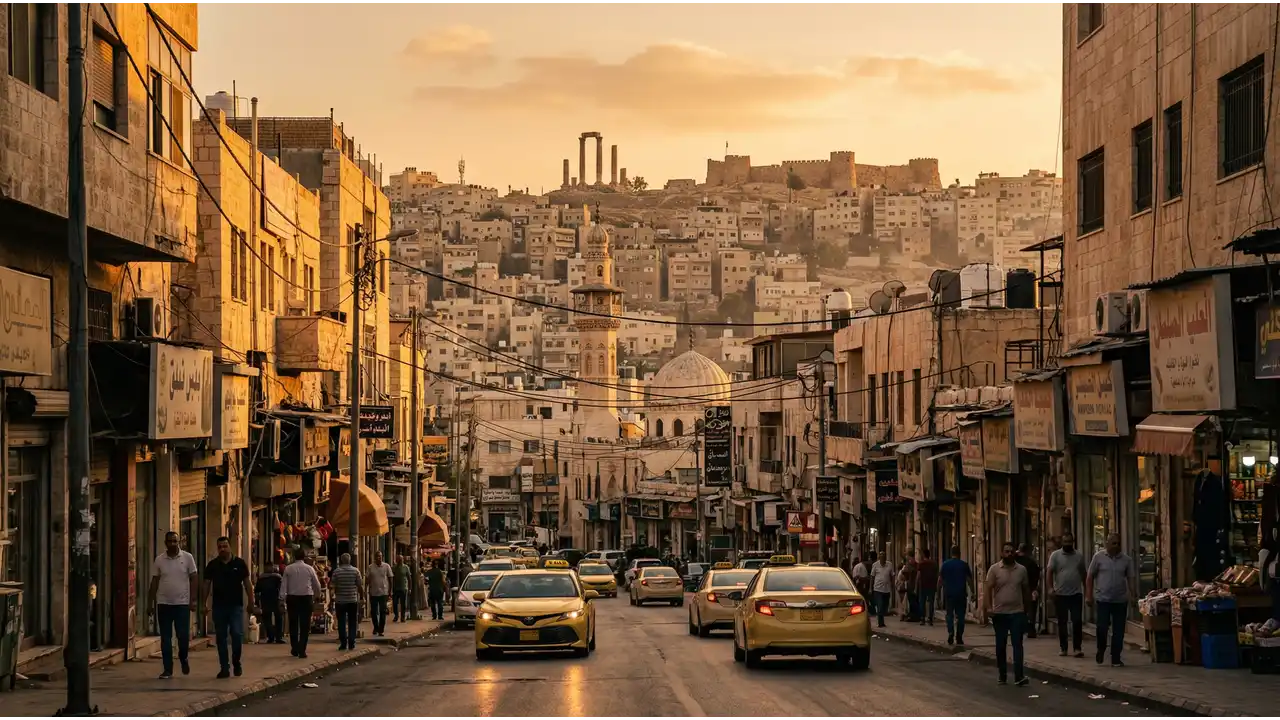
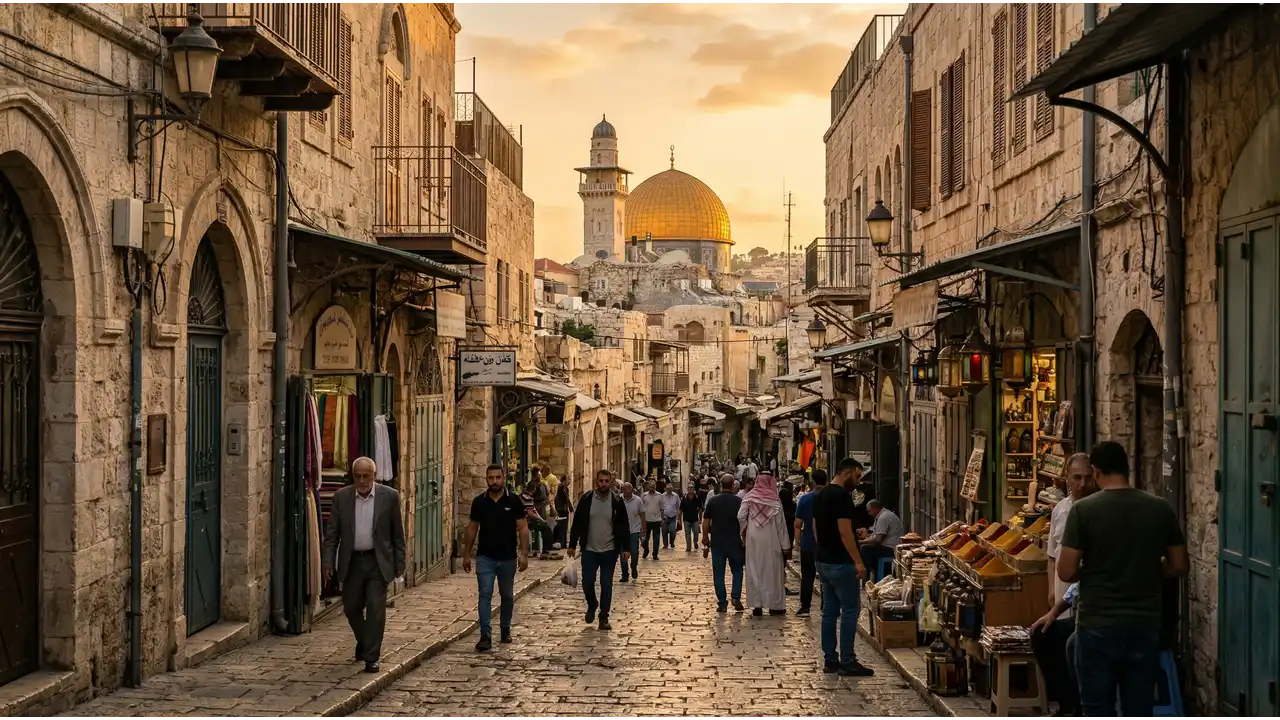
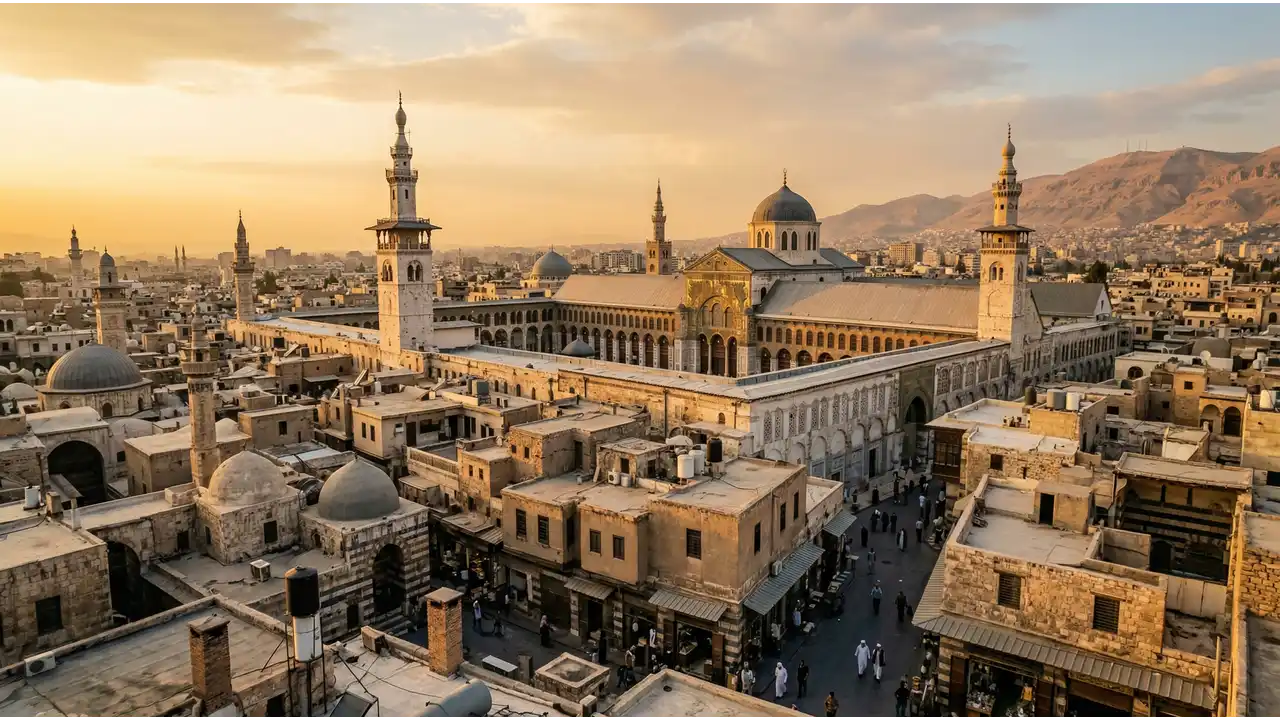
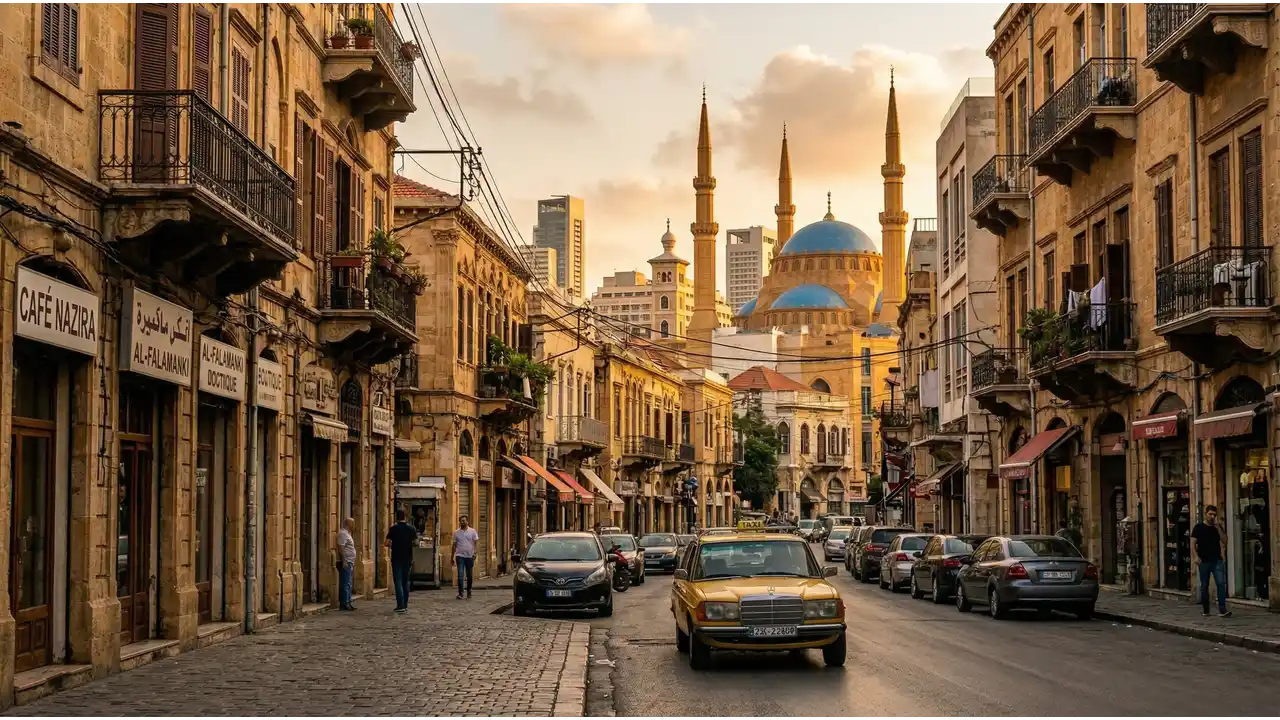
Amman is a sprawling Middle Eastern capital built across hills, with a dry climate and intense summers. The city is home to around 4 million people, including a significant population of Syrian and Palestinian refugees alongside Jordanian nationals and expats. Daily life centers on neighborhoods like Abdoun, Jabal Amman, and Rainbow Street, where cafes, shops, and informal gatherings dominate. Traffic is heavy; public transit is limited to buses and shared taxis. Most expats use private cars or ride-hailing apps. The pace is slower than Western capitals. Friday is the weekly rest day. Arabic is the primary language, though English is spoken in expat areas and by younger Jordanians. Food culture revolves around mezze, grilled meat, bread, and strong coffee.
💡 Local Insights
Amman · 2026
Amman's cost structure reflects Middle Eastern urban pricing with regional variations. Housing at $365/month typically covers a one-bedroom apartment in working-class neighborhoods like Shmeisani or Tla'a Al-Ali, or a shared apartment in central areas. Expat demand concentrates in Abdoun, Jabal Amman, and areas near the university, where rents push higher. Utilities and internet add roughly $40 to $70 monthly. Groceries at $229/month assume shopping at local markets and supermarkets like Carrefour; importing Western brands raises costs significantly. Fresh produce and bread are cheap; imported goods cost 30 to 50 percent more than regional alternatives. Restaurants cater to two markets: cheap local shawarma stands (under $3) and expat-oriented cafes ($8 to $15 per meal). Transport is low-cost if you use minibuses ($0.30 per ride); private cars require fuel, insurance, and maintenance. Expats often pay more for housing and Western groceries but save on labor and services. Mobile plans are inexpensive. Healthcare for expats may require private clinics, adding cost.
Frequently Asked Questions
How much does it cost to live in Amman per month?
A moderate lifestyle in Amman costs around $1,075 per month. This breaks down roughly as: housing $365, groceries $229, transport $50 to $80, utilities and internet $50 to $70, dining out and entertainment $150 to $200, and miscellaneous $100 to $150. A tighter budget of $645 per month is possible but requires shared housing, local food markets, and minimal dining out. A more comfortable lifestyle, including private housing and regular restaurant meals, runs closer to $1,666 per month.
What is the average rent in Amman?
Average rent for a one-bedroom apartment in central neighborhoods sits around $365 to $450 per month, consistent with moderate living costs. Shared apartments or smaller units in working-class areas like Shmeisani or Tla'a Al-Ali run $250 to $350. Expat-preferred neighborhoods such as Abdoun or Jabal Amman command $600 to $900 for one-bedroom units. Two-bedroom apartments range from $500 in outlying areas to $1,200 in premium expat zones. Utilities, internet, and water add $50 to $80 monthly. Lease terms are typically one year, and deposits equal one month's rent.
Is Amman cheap to live in for expats?
Amman is moderately priced for expats compared to Gulf capitals or Western cities, but not as cheap as Southeast Asian alternatives. Housing costs depend heavily on neighborhood choice and housing standards. Many expats find rent reasonable if they accept apartments in mixed local-expat areas, but those seeking Western-standard housing and furnished units pay significantly more. Groceries and local services are affordable, but imported goods and Western restaurant meals cost more than in home countries. The real savings come from low transport costs and inexpensive labor for household help. Overall, Amman works as a budget city for expats willing to live locally, but less so for those replicating a Western lifestyle.
How much does food cost per month in Amman?
Groceries for a moderate diet average $229 per month. A kilogram of local bread costs $0.40 to $0.60; local tomatoes and cucumbers $0.50 to $1 per kilogram; chicken $3 to $4 per kilogram; eggs $1.50 per dozen. Supermarket items cost more; imported cheese or cereals may be double regional prices. Eating out is cheap: a shawarma sandwich costs $1.50 to $2.50; a mezze dinner at a local restaurant $5 to $8; expat-oriented cafes charge $8 to $15 per meal. A weekly grocery shop at local markets yields substantial savings over supermarkets. Imported Western products are available but pricey.
What salary do you need to live comfortably in Amman?
A comfortable lifestyle in Amman requires around $1,666 per month. This allows for private housing in a good neighborhood (roughly $600 to $800 rent), regular dining out, reliable transport via car or ride-hailing, regular entertainment, and occasional travel. A salary of $2,000 to $2,500 per month (after tax) provides genuine comfort without budgeting. Expats on assignment often earn $2,500 to $5,000 monthly, which affords a secure lifestyle. Local professionals earn significantly less; the median salary ranges from $400 to $800 per month depending on sector and experience. A comfortable budget assumes you have modest savings and aren't supporting dependents elsewhere.
How does the cost of living in Amman compare to other places?
Amman runs $1,075 per month for a moderate lifestyle, with housing at $365 per month. That puts it solidly in the middle tier for Middle Eastern capitals. Tashkent comes in as a peer at $1,000 per month overall, though housing costs more there at $508 per month. If you're looking for significantly cheaper options, Changsha runs $775 per month with housing at $250 per month, making it genuinely affordable by comparison. On the other end, Shanghai is substantially dearer at $1,525 per month, with housing alone reaching $886 per month. Amman's real advantage is that housing stays reasonable relative to your overall budget, leaving more room for daily expenses and transport than you'd have in pricier Gulf cities or Asian financial hubs.
Yes, but with significant constraints. A $645 monthly budget requires shared housing ($250 to $300), heavy reliance on local markets and street food ($150 to $180 for groceries), minimal dining out, using minibuses ($30 to $40 monthly), and cutting entertainment and travel. No car, limited internet or mobile plans, no gym memberships, and healthcare limited to public clinics. This budget works for students, locals, or expats willing to live entirely locally. Most expats find this unsustainable long-term due to isolation and limited comfort. It assumes no emergency savings or unexpected costs. Freelancers or remote workers on tight budgets can manage it, but the lifestyle is austere.