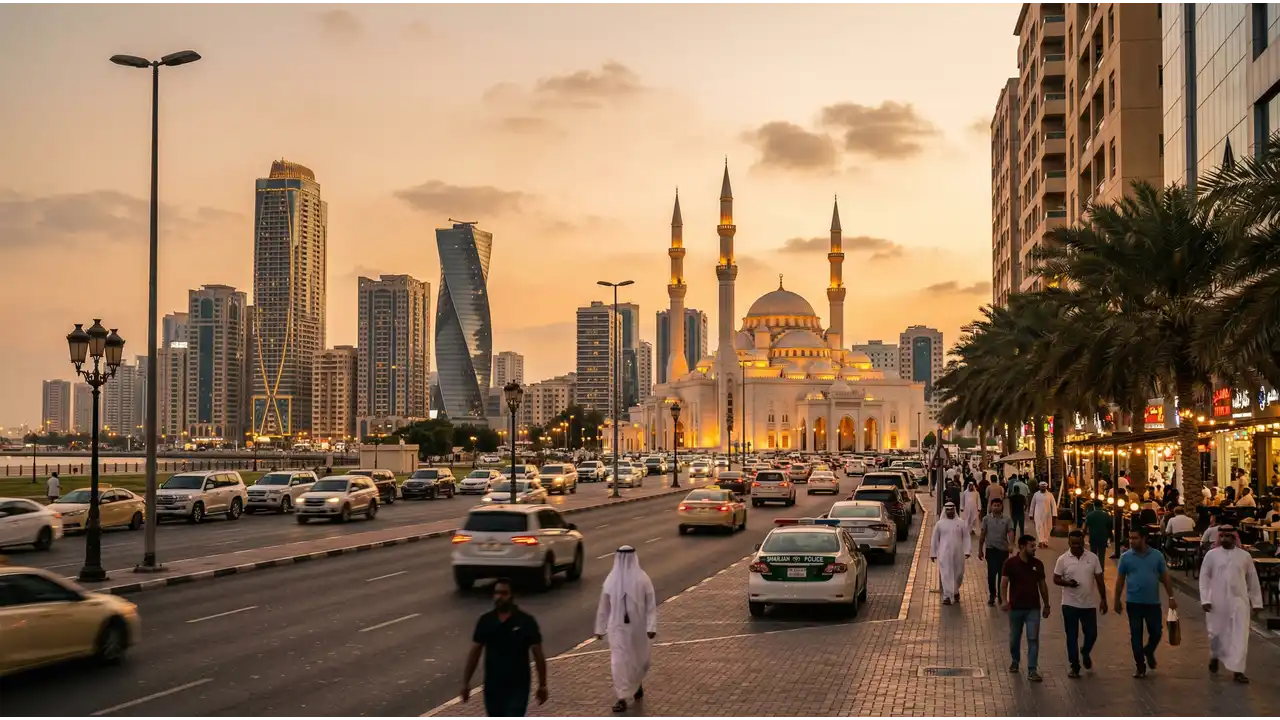
Dubai is a high-rise city built on oil wealth, where most residents are expatriates from South Asia, the Middle East, and the West. Daily life centers around air-conditioned malls, beachfront leisure, and car-dependent sprawl. The summer heat (often above 104 degrees Fahrenheit) keeps people indoors May through September. Traffic is heavy during rush hours. English is widely spoken, making it accessible for English-speaking expats. The city has no income tax, which attracts high earners, but salaries are sometimes lower than Western equivalents to offset this benefit.
💡 Local Insights
Dubai · 2026
Dubai's cost structure reflects its role as a wealthy expatriate hub. Housing at $2,124/month covers a range: a studio in Marina or Downtown runs $1,600 to $2,200, while a one-bedroom in outer areas like Deira or Bur Dubai falls to $1,200 to $1,700. Two-bedroom apartments range $2,400 to $3,500 depending on location. Groceries at $331/month assume local markets and supermarkets. Imported Western goods cost significantly more than regional alternatives. A meal at a casual cafe costs $5 to $8; mid-range restaurants run $12 to $25 per person. Public transport (metro, bus, taxi) is cheap and reliable, with metro journeys at $0.50 to $1.50 per trip. Many expats drive, pushing transport costs higher. Car ownership, insurance, and fuel add $400 to $800 monthly. Utilities (electricity, water, internet) typically run $150 to $300 per month. Local labor and services are inexpensive, making housecleaning and maintenance affordable compared to Western cities.
Frequently Asked Questions
How much does it cost to live in Dubai per month?
A moderate lifestyle costs $3,150 per month. This breaks down roughly as: housing $2,124, groceries $331, and the remainder covering utilities, transport, dining out, entertainment, and personal care. A budget tier is possible at $1,890/month if you share housing, cook at home, and use public transport exclusively. A comfortable lifestyle costs $4,883/month, adding private car ownership, dining frequently at better restaurants, and more leisure spending.
What is the average rent in Dubai?
Average housing costs $2,124/month. Studios and one-bedroom apartments in central areas like Marina or Downtown range from $1,600 to $2,200 monthly. Further out in neighborhoods like Deira, Bur Dubai, or International City, one-bedroom apartments rent for $1,200 to $1,700. Two-bedroom apartments typically cost $2,400 to $3,500. Villas are considerably more expensive. Most leases are annual contracts paid upfront or in two installments. Furnished apartments rent at a premium of 10-20% over unfurnished units.
Is Dubai cheap to live in for expats?
Dubai is expensive compared to Southeast Asia or South Asia, but competitive with other Gulf cities and cheaper than London or New York. The major financial advantage is zero income tax, which effectively raises take-home pay 20-30% compared to taxed countries. Housing and private car costs are high by global standards. Groceries and dining at local establishments are reasonable. Healthcare is private and costs more than tax-funded systems but less than the US. Overall, it suits well-paid expats more than budget travelers.
How much does food cost per month in Dubai?
Groceries average $331/month if you shop at supermarket chains like Carrefour or Lulu and buy regional products. Western branded items cost substantially more. A single meal at a casual cafe or local restaurant (shawarma, biryani, pizza) costs $5 to $8. Mid-range restaurants charge $12 to $25 per person. Dining out for a couple at a nice restaurant runs $50 to $100. Alcohol is available but expensive due to taxes and licensing; a beer costs $8 to $15. Shopping at Central Market (Al Wasl) for fresh produce and meat can lower monthly costs.
What salary do you need to live comfortably in Dubai?
A comfortable lifestyle costs $4,883/month, suggesting a gross monthly income of $6,200 to $7,000 depending on employment benefits and housing provided by your employer. Many large companies provide housing allowances or on-campus accommodation, reducing out-of-pocket costs significantly. For reference, entry-level expat positions often pay $1,500 to $2,500 monthly; mid-level roles $3,000 to $6,000; senior roles $8,000 and up. The no-income-tax policy means gross salary translates directly to spendable income.
How does the cost of living in Dubai compare to other places?
Dubai sits in the middle of the global cost spectrum for expats. A moderate lifestyle here costs $3,150 per month, with housing running $2,124 per month. This makes Dubai roughly comparable to Jerusalem, where a moderate lifestyle runs $3,000 per month and housing costs $1,574 per month. If you're coming from cheaper cities like Kobe (where moderate living is $1,675 per month), Dubai will feel significantly more expensive. Conversely, if you're relocating from Singapore, where moderate living costs $4,125 per month and housing runs $2,649 per month, Dubai will feel like a bargain. Your actual expenses depend heavily on your neighborhood, lifestyle choices, and whether you're renting or buying. Western expat areas tend to cluster at the higher end of those figures.
Yes, at the budget tier. This requires house-sharing (cutting rent to $800-$1,000 per person), cooking at home using local ingredients, relying on public metro and buses, and minimal entertainment spending. You would skip private transport, dining out, and alcohol. Medical emergencies and unexpected costs create real financial stress at this level. This budget works for students, young professionals early in careers, or those prioritizing savings. Most expats earning Dubai salaries spend more, especially those with families or car dependence.