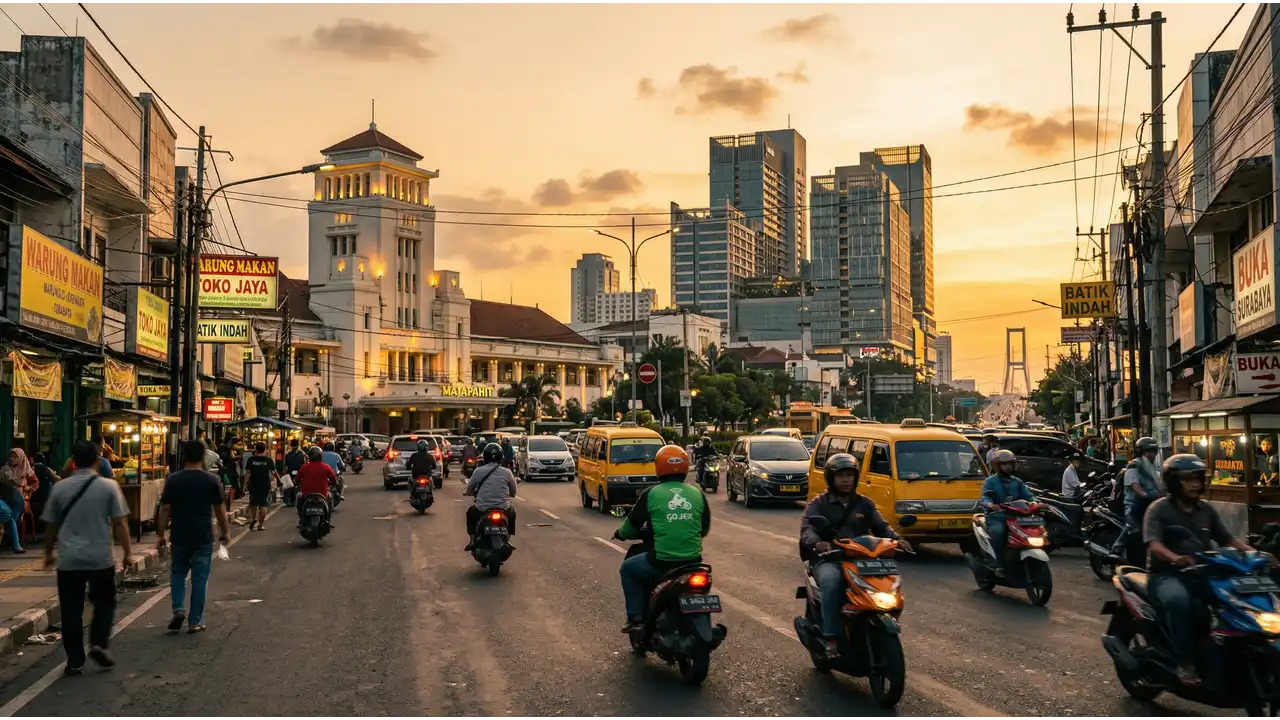
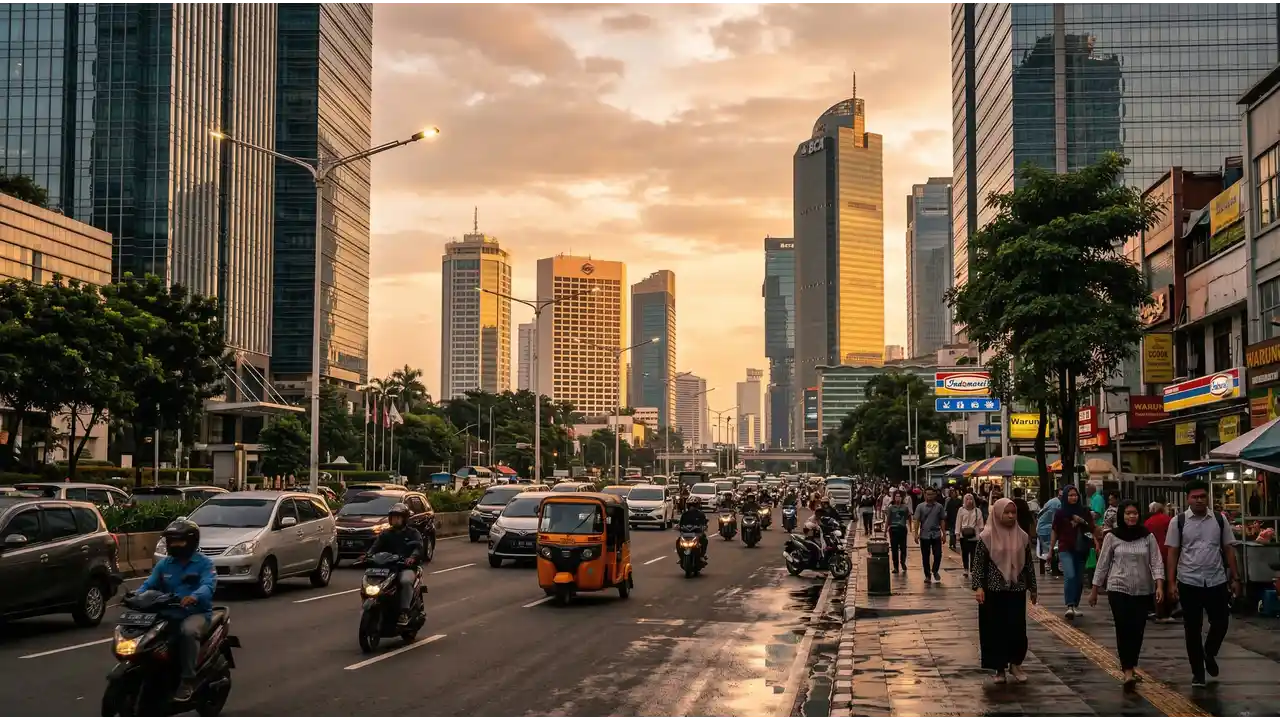
Bali is a working region of Indonesia with roughly 4 million residents spread across rice terraces, coastal towns, and urban centers like Denpasar and Ubud. Daily life involves scooter commuting, open-air warungs (small restaurants), and a mix of Hindu temples and Muslim mosques. The climate is tropical year-round, with a wet season from November to March. Expats, digital nomads, and retirees live alongside Indonesians working in tourism, agriculture, and services. Traffic congestion is common in popular areas. Infrastructure varies by neighborhood: reliable electricity and water in established areas, occasional outages in remote zones. The pace is slower than major Asian cities, but less quiet than rural Indonesia.
💡 Local Insights
Bali · 2026
Bali's moderate cost of living at $975/month reflects genuine regional pricing, not budget-backpacker rates. Housing at $466/month covers a furnished one-bedroom apartment in middle-tier areas like Canggu, Seminyak, or central Ubud. Prices rise sharply in beachfront zones and drop in villages like Sanur or Gianyar. Groceries at $164/month assumes local markets and Indonesian staples (rice, eggs, vegetables, chicken); imported Western goods cost 2 to 3 times more. Eating out at warungs costs $2 to $4 per meal; Western cafes charge $8 to $15. Transport is cheap: ride-hailing apps (Gojek, Grab) cost $0.50 to $2 per trip, motorbike rentals $3 to $5 daily, but traffic makes commutes unpredictable. Expat pricing exists in tourist zones; locals pay less at markets and smaller shops. Utilities (electricity, water, internet) average $30 to $50 monthly, depending on usage and neighborhood.
Frequently Asked Questions
How much does it cost to live in Bali per month?
A moderate lifestyle in Bali costs around $975 per month. This breaks down to housing at $466/month, groceries at $164/month, and the remainder covering utilities, transport, dining out, and entertainment. A budget tier lifestyle runs $585/month, cutting back on eating out and choosing cheaper housing. A comfortable tier, with more restaurant meals, better accommodation, and regular travel, costs around $1,511/month. Individual spending varies widely based on neighborhood choice and lifestyle preferences.
What is the average rent in Bali?
Average rent is $466/month for a furnished one-bedroom apartment. In middle-tier neighborhoods like Ubud, Canggu, and Seminyak, expect $400 to $500/month for a single bedroom. Beachfront or ultra-central Bali commands $600 to $1,000+/month. Quieter areas outside main tourist zones (Gianyar, Sanur, Tabanan) drop to $250 to $350/month. Short-term monthly rentals run higher than long-term leases. Unfurnished apartments cost less. Utilities are separate, typically $30 to $50/month. Most landlords require deposits equivalent to one month's rent.
Is Bali cheap to live in for expats?
Bali is cheaper than most Western cities and many Asian hubs like Bangkok or Singapore, but it is not the cheapest place in Southeast Asia. A moderate lifestyle at $975/month is affordable for retirees or remote workers on modest incomes, but expat clustering in tourist zones inflates local prices. Outside tourist areas, costs drop significantly. Compared to major US or European cities, Bali offers 40 to 60 percent savings on housing and food. However, earning local wages or retiring on thin margins makes stretched budgets common. The sweet spot is a remote income of $1,500+ monthly.
How much does food cost per month in Bali?
Groceries average $164/month for local staples: rice, eggs, chicken, vegetables, fruit, and basic pantry items from markets and warungs. A kilogram of chicken costs $2 to $3; eggs $0.50 to $0.70 per unit; rice $0.50/kg. Imported foods (cheese, cereal, Western meat) cost double or triple. Eating out at small warungs runs $2 to $4 per meal; mid-range restaurants $6 to $10; Western cafes $10 to $18. Daily coffee from a café is $1 to $2; local coffee from a stall $0.50. Monthly food costs rise if eating Western food regularly or avoiding local markets.
What salary do you need to live comfortably in Bali?
A comfortable lifestyle costs around $1,511/month. This covers better housing ($600 to $800/month in nicer neighborhoods), more frequent dining out, regular entertainment, occasional travel within Indonesia, and higher-quality groceries. A monthly income of $1,800 to $2,000 provides a safety buffer for emergencies and occasional splurges. Remote workers earning $2,000+ monthly can live well without counting every expense. Retirees on fixed incomes under $1,200 must budget carefully or live outside main tourist areas. The cost-of-living sweet spot is $1,200 to $2,000 monthly for low stress.
How does the cost of living in Bali compare to other places?
Bali sits in the middle range for Southeast Asia. A moderate lifestyle in Bali runs $975 per month, with housing at $466 monthly. That puts it slightly above Cambodia, where a moderate lifestyle costs $925 per month and housing runs $410 per month. Laos is notably cheaper at $700 monthly for a moderate lifestyle and $345 for housing. Moving up the scale, Oman is considerably more expensive at $1,350 per month for a comparable lifestyle, with housing at $541.
Within Bali itself, costs vary by neighborhood and your choices. Central tourist areas like Ubud and Seminyak run higher than outlying regions. Your actual spending depends heavily on whether you eat local or Western food, which accommodation style you choose, and how you spend leisure time. Most expats find Bali offers genuine value compared to home countries in North America and Western Europe.
Yes, but with strict constraints. At $585/month, budget housing is $300 to $350/month in outlying areas; groceries $150 to $164/month from markets; utilities $30 to $40/month; transport $20 to $30/month via scooter. This leaves $40 to $70 for entertainment, phone, laundry, and emergencies. You cannot eat regularly at restaurants, travel, or handle unexpected costs. Healthcare, visa runs, or flights home are unaffordable. This budget works for long-term residents with zero entertainment spending or those with alternative income (teaching, freelance work). It is not sustainable for new arrivals or anyone needing buffer savings.