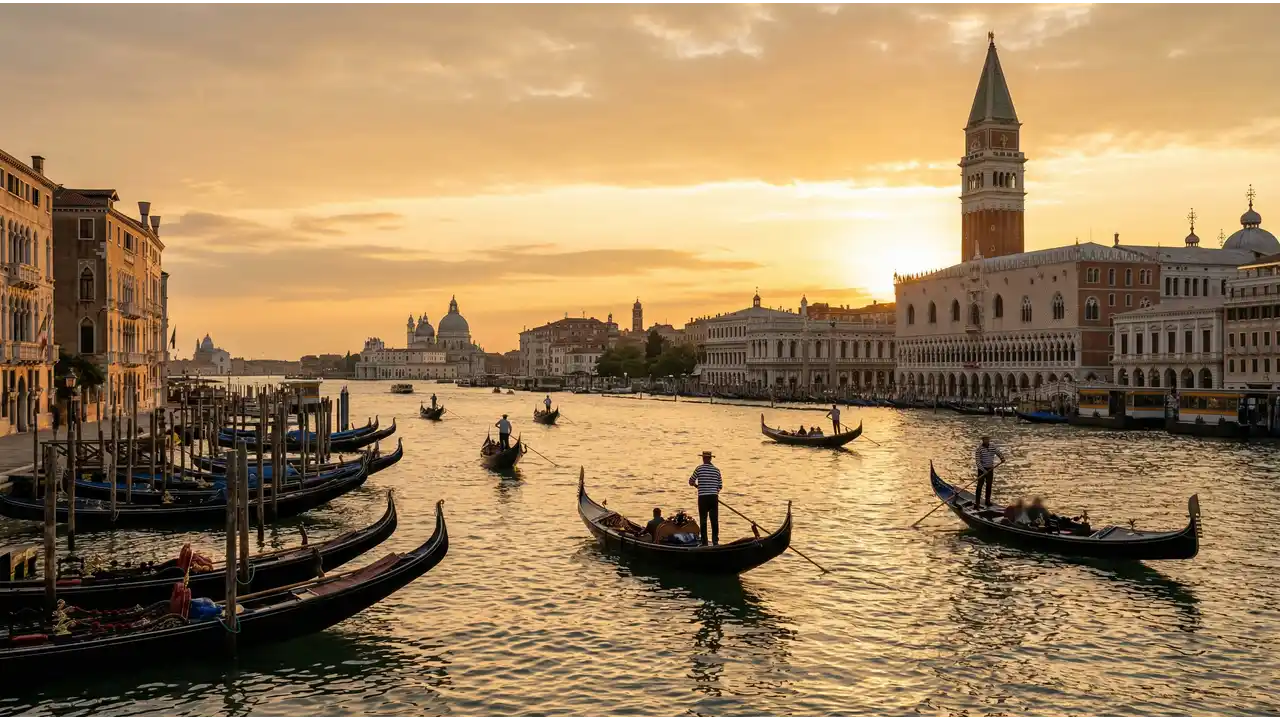
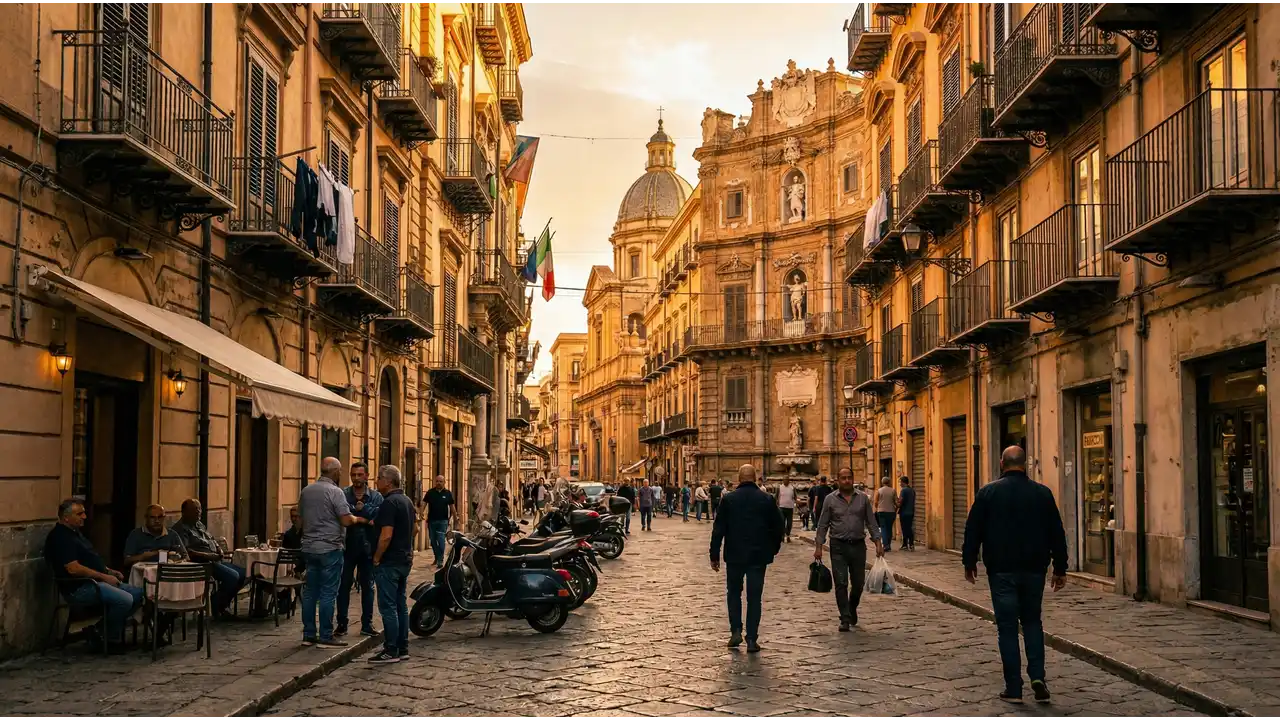
Rome is a working city, not a museum. Locals navigate narrow streets, use the metro and buses daily, and eat at neighborhood trattorias rather than tourist restaurants. The climate is mild with hot, dry summers and cool winters. The population mixes Italian residents, long-term expats, and transient workers. Daily life revolves around small piazzas, local markets, and the routines of a Mediterranean capital. Traffic is chaotic, bureaucracy is slow, and the historic center is congested. Outside the tourist zones, neighborhoods like Testaccio, San Lorenzo, and Garbatella feel like actual communities. August empties out as Romans leave for the coast.
💡 Local Insights
Rome · 2026
Rome's cost of living sits between southern and central Europe. Housing dominates the budget at $1,339/month for a moderate lifestyle, driven by limited rental supply and high demand from expats and students. A one-bedroom in central areas (Trevi, Pantheon, Spanish Steps) runs $1,200 to $1,800/month, while neighborhoods like Testaccio or Garbatella offer one-bedroom rentals from $900 to $1,400/month. Deposits and agency fees add 2-4 months of rent upfront. Groceries cost around $326/month if you shop at markets and discount supermarkets (Lidl, Carrefour Express), but drop further in residential neighborhoods away from the center. Eating out at casual restaurants runs $12 to $18 per meal; pizza at a traditional pizzeria is $6 to $10. Public transport passes cost $33/month for unlimited city travel. Expats often pay more for housing because landlords know they have visa requirements and less haggling power. Italians negotiate rent or seek friends renting rooms. Peak tourist seasons (March to May, September to October) drive short-term rental prices up significantly, while winter rates decline.
Frequently Asked Questions
How much does it cost to live in Rome per month?
A moderate lifestyle in Rome costs around $2,350/month. This covers $1,339/month for housing (rent, utilities, internet), $326/month for groceries, roughly $100/month for public transport, and the remainder for dining out, entertainment, and miscellaneous expenses. A tighter budget of $1,410/month cuts housing to $800 to $950/month and eliminates restaurant meals. A comfortable lifestyle runs $3,643/month and allows for larger housing, regular dining out, weekend travel, and personal services.
What is the average rent in Rome?
Average monthly rent is $1,339/month for a moderate lifestyle. This typically means a one-bedroom apartment in a residential neighborhood or a shared apartment in a central area. One-bedroom rentals range from $900 to $1,500/month depending on location. Central neighborhoods (Centro Storico, Trevi) run $1,200 to $1,800/month. Outer neighborhoods (Garbatella, San Lorenzo, Testaccio) offer the same space for $900 to $1,400/month. Two-bedroom apartments range from $1,200 to $2,000/month. Landlords typically require a deposit equal to one to two months of rent, plus a real estate agent fee of one month's rent if using an agent. Furnished rentals cost 15 to 25 percent more than unfurnished.
Is Rome cheap to live in for expats?
Rome is moderately priced compared to northern European capitals but not a bargain by global standards. For expats from London, Paris, or Scandinavia, Rome is significantly cheaper. For those from Eastern Europe, Turkey, or Southeast Asia, it is expensive. The main cost for expats is housing, which often runs higher than for Italians because landlords recognize visa constraints and expats tend to accept higher prices. Shared apartments and neighborhoods outside the tourist center offer better value. Expat salaries at international organizations, NGOs, and schools (typically $2,500 to $4,500/month) often exceed local living costs, making the city feasible for working expats. Remote workers earning USD or EUR often find Rome affordable, while Italian locals earning local wages struggle with rent.
How much does food cost per month in Rome?
Groceries cost approximately $326/month for a moderate diet. A typical week of shopping at a discount supermarket (Lidl, Carrefour) runs $25 to $35 for pasta, rice, vegetables, dairy, bread, and basics. Fresh produce at neighborhood markets is cheaper and better quality than supermarkets. A liter of milk costs $1 to $1.50, bread $0.50 to $1, eggs $2 to $3 per dozen, cheese $8 to $15/kg. Eating out is separate: pizza at a traditional pizzeria runs $6 to $10, a three-course meal at a casual restaurant $12 to $20, coffee at a bar $1 to $1.50. Tourist-zone restaurants charge 2 to 3 times more. Shopping at street markets in neighborhoods like Testaccio or Capo d'Africa saves 20 to 30 percent versus supermarkets.
What salary do you need to live comfortably in Rome?
A comfortable lifestyle requires approximately $3,643/month. This budget allows for $1,400 to $1,600/month housing in a good neighborhood, eating out 5 to 7 times per week, occasional weekend travel within Italy, fitness memberships, hobbies, and professional services. For expats on this budget, hiring a house cleaner once or twice monthly and occasional restaurant meals become routine. Couples or families need proportionally more for extra bedrooms and children's education. Self-employed expats and freelancers should aim for $4,500 to $5,500/month to account for irregular income and no employer benefits. Remote workers earning $3,500 to $4,500/month in USD or EUR live very comfortably. Local Italians with this income are middle class and can afford apartments in good neighborhoods, regular travel, and financial cushion.
How does the cost of living in Rome compare to other places?
Rome sits in the middle of the European city spectrum. A moderate lifestyle in Rome costs $2,350 per month, with housing running $1,339 monthly.
Florence comes in slightly cheaper overall at $2,275 per month, though its housing costs $1,133, so you're looking at comparable rents between the two cities. Krakow is substantially less expensive, with a moderate lifestyle at $1,650 per month and housing at $754 monthly, making it a realistic option if budget is your primary concern.
Amsterdam is markedly dearer. A moderate lifestyle there costs $3,150 per month, with housing at $1,802 monthly. That's roughly 34 percent higher than Rome overall.
Your actual costs depend on neighborhood, personal habits, and whether you eat out frequently. But if you're weighing Rome against other major European cities, expect to pay moderate prices—cheaper than Amsterdam, more than Krakow, and comparable to Florence.
Yes, but with significant constraints. This budget tier requires housing at $700 to $900/month, typically a shared apartment or small private room outside central neighborhoods. Groceries stay at $300/month by shopping markets and cooking at home. Public transport is $33/month. This leaves almost nothing for dining out, entertainment, travel, or emergencies. You cannot afford restaurant meals, gyms, hobbies, or social activities beyond free attractions. This budget works for students in university housing, remote workers with lower cost of living histories, or those willing to live frugally long-term. Medical emergencies or unexpected repairs force difficult choices. Dating, travel, or childcare become unaffordable. Many people on this budget eventually move to cheaper cities or increase income to $1,800 to $2,000/month. It is possible but uncomfortable for most expats accustomed to Western spending.