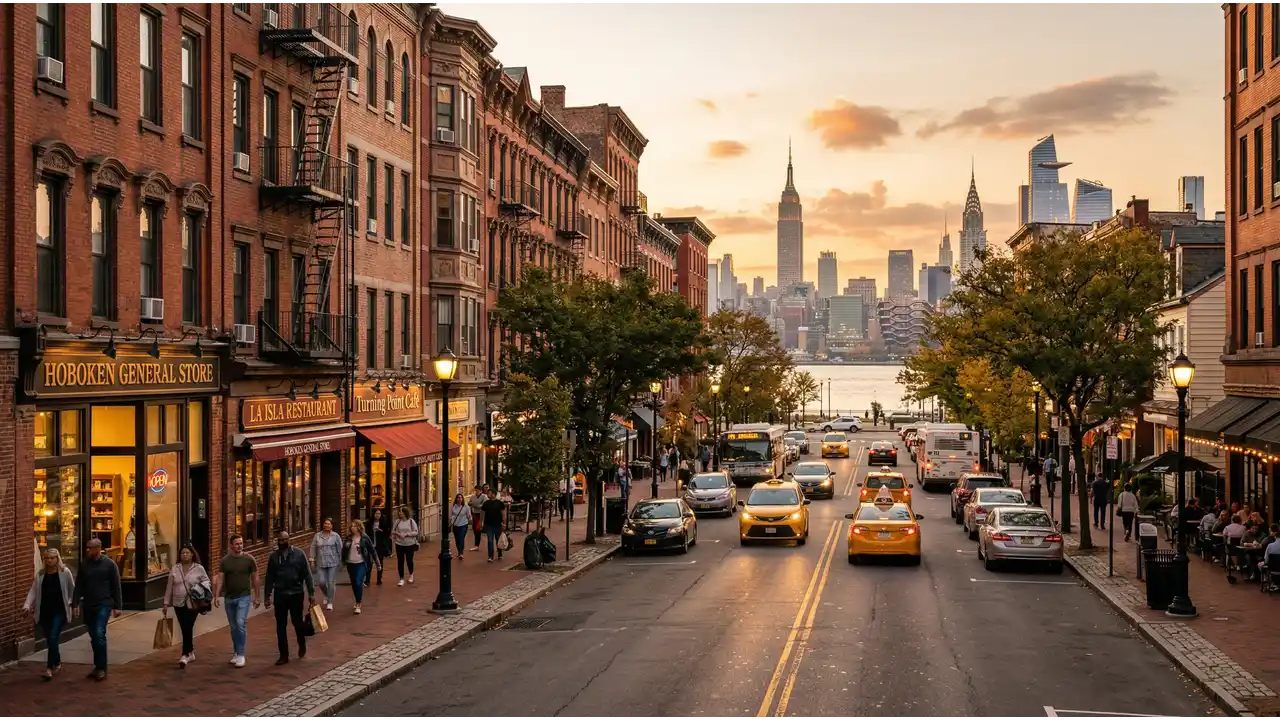
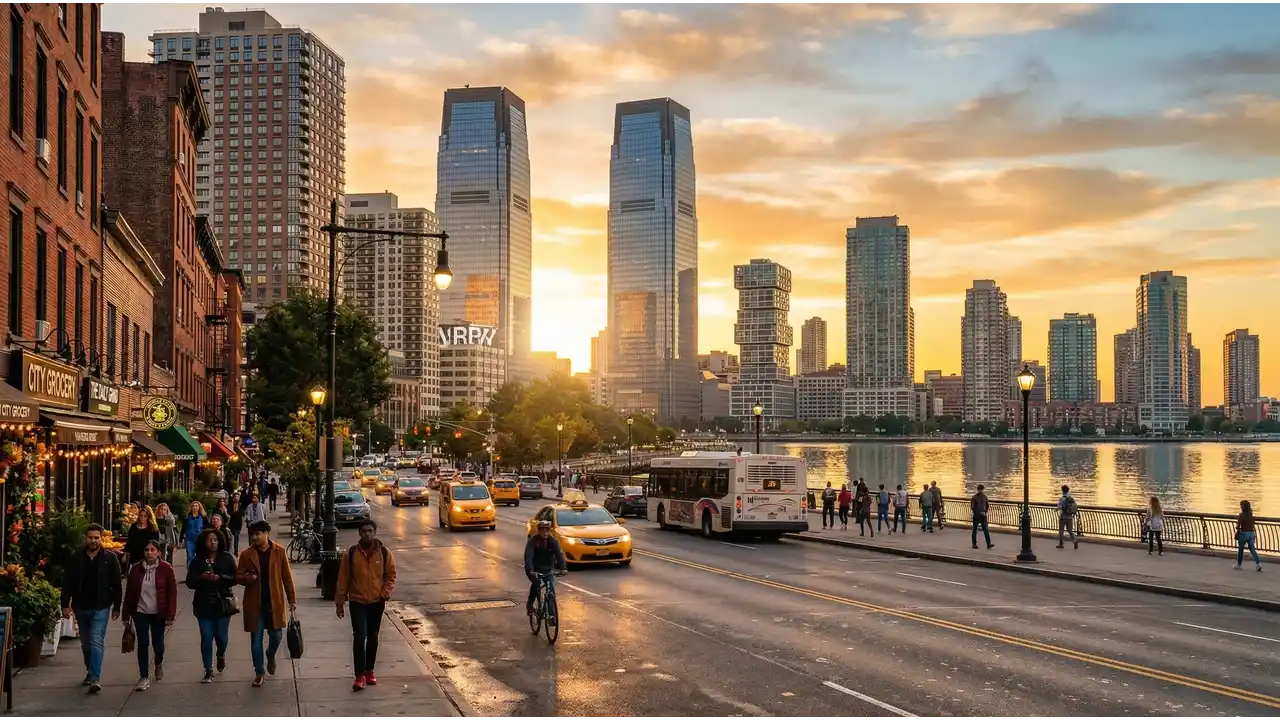
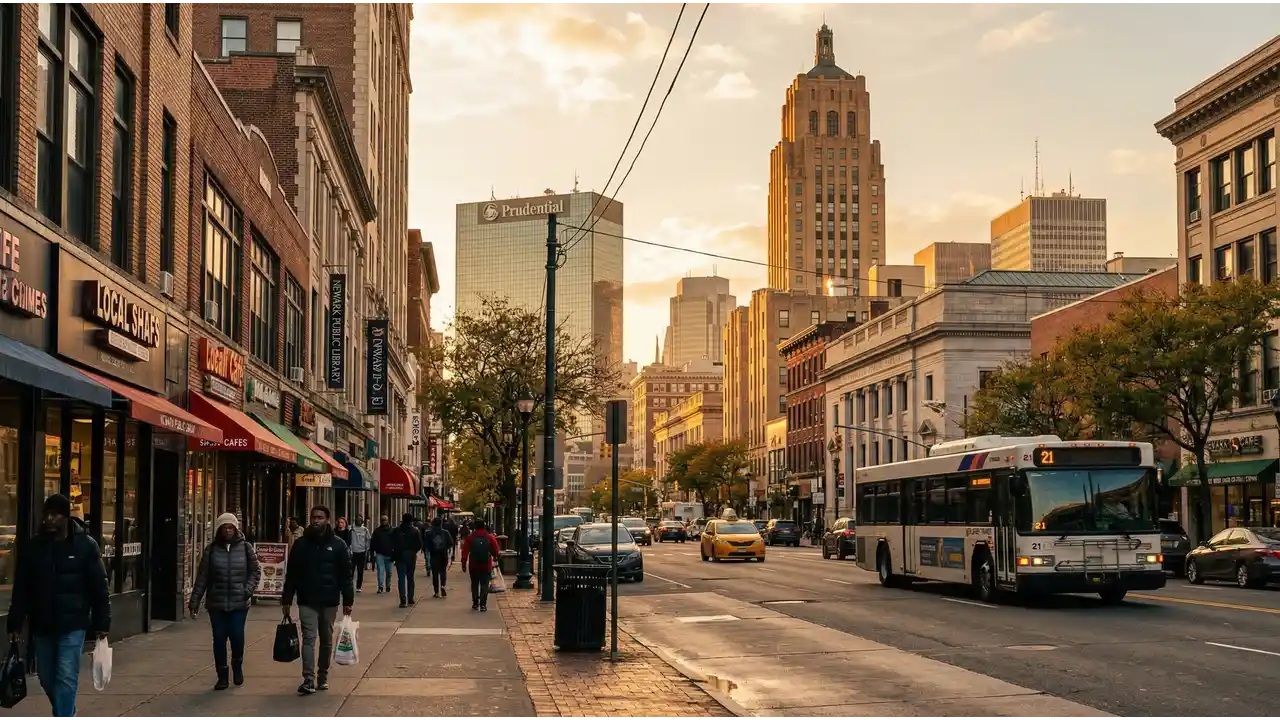
New York City is a dense, fast-paced urban center where eight million people live across five boroughs. Manhattan has finance, media, and corporate headquarters. Brooklyn and Queens are residential, more affordable, and increasingly where younger workers live. Winter is cold and wet, lasting four months. Summers are hot and humid. Daily life involves the subway (the primary transport), walking, and treating restaurants as extensions of home. The city doesn't stop at night. Most neighborhoods have corner groceries, bodega chains, and markets. Noise and crowds are constants. People from everywhere live here, speaking dozens of languages. It is not a tourist experience once you move here; it is dense, functional, and relentless.
💡 Local Insights
New York City · 2026
Housing dominates your budget at $4,100/month. This typically gets a modest one-bedroom in outer Brooklyn, Queens, or upper Manhattan. Roommate situations cut this in half. Manhattan studio or one-bedroom rents start $3,000-$3,500 and climb past $5,000 quickly in desirable areas. Transit access drives neighborhood rent more than size. A good subway connection matters more than square footage. Groceries run $540/month for a single person eating standard supermarket food. Prices are higher than the US average. Trader Joe's, Whole Foods, and bodega chains keep basics visible. Eating out is expensive: $15-$25 for casual lunch, $50-$100 per person for dinner in mid-range restaurants. The subway MetroCard costs $33 for a weekly pass or $127 for unlimited monthly. Many people skip cars entirely. Utilities (electric, heat, water) add $100-$150/month. Expats often pay slightly more than locals for the same apartment due to application friction and lack of credit history. Real estate brokers demand 12-15 percent of annual rent as commission. Negotiate or use no-fee options.
Frequently Asked Questions
How much does it cost to live in New York City per month?
A moderate lifestyle in New York City costs $5,775/month. Housing is the largest expense at $4,100/month. Groceries cost roughly $540/month. Utilities run $100-$150, subway passes $127 for unlimited monthly travel, and dining out adds $200-$400 depending on frequency. A budget lifestyle is possible at $3,465/month if you limit dining out, use shared housing, and prioritize transit over taxis. A comfortable lifestyle costs $8,951/month, which allows for better housing, frequent dining, and more flexibility.
What is the average rent in New York City?
Average rent is approximately $4,100/month for a one-bedroom in a central location. In Manhattan, rents range from $3,500 to $5,500 depending on neighborhood and proximity to transit. In Brooklyn, expect $3,200-$4,500 for comparable space. Queens and the Bronx offer lower rents, $2,800-$3,800, with trade-offs in commute time. Roommate situations cut individual costs to $1,200-$2,200. Real estate brokers typically charge 12-15 percent of annual rent as commission, though no-fee apartments exist if you search directly or use specific platforms.
Is New York City cheap to live in for expats?
No. New York City is expensive by global standards and by US standards. Expats from high-income countries (London, Switzerland, Australia) often find it comparable or slightly less costly. Expats from lower-cost countries will find it significantly more expensive. Housing and dining out are the key shocks. Expats also face higher friction: broker fees, lack of credit history, and deposits that can delay move-in by weeks. Many expats reduce costs by living with roommates, eating at home, and using public transit exclusively. The trade-off is less space and less spontaneity than they might have at home.
How much does food cost per month in New York City?
Groceries for one person cost roughly $540/month, or $18/day, buying staples at supermarkets like Trader Joe's, Whole Foods, or bodegas. Eggs run $4-$6/dozen. Milk costs $3.50-$4.50/gallon. Vegetables and fruit are pricier than the US average, $2-$4 per item. Eating out is expensive: a basic lunch is $15-$25, dinner at a mid-range restaurant $50-$100 per person. A coffee costs $3-$5. Grocery prices vary by neighborhood; outer Queens and the Bronx are slightly cheaper than central Manhattan or Brooklyn.
What salary do you need to live comfortably in New York City?
A comfortable lifestyle costs $8,951/month, suggesting a gross annual income of around $130,000+ to account for taxes. This allows better housing options ($5,500-$6,500 rent), frequent dining out, occasional entertainment, and some financial buffer. On $100,000 gross annual income ($5,800/month after taxes roughly), you can live modestly at $5,775/month but have little cushion. On $80,000 gross ($4,650/month after taxes), you are at the tight budget tier of $3,465/month, requiring roommates and very limited discretionary spending. These figures assume no major debt.
How does the cost of living in New York City compare to other places?
New York City runs $5,775 per month for a moderate lifestyle, with housing at $4,100 per month. That makes it expensive, though not the priciest option nearby. Brooklyn costs slightly more at $5,975 monthly. If you're comparing to major US cities, Los Angeles is substantially cheaper at $4,350 per month. The gap widens further if you consider mountain destinations. Aspen, Colorado runs $10,425 monthly, nearly double New York City's figure. For most people relocating to the Northeast, New York City and Brooklyn represent the upper tier of spending. The housing component is your biggest driver, with landlords pricing units accordingly in both boroughs. If cost matters significantly, Los Angeles offers real savings, though that comes with different tradeoffs in weather, job markets, and urban density.
Yes, but it requires discipline. The budget tier of $3,465/month assumes a roommate situation that brings housing down to $1,500-$2,000, leaves $400 for food (eating almost entirely at home), $127 for transit, and $400-$600 for utilities, phone, and miscellaneous. You will eat lunch at your desk, avoid restaurants and bars, and rarely use taxis or rideshares. Cultural activities and entertainment become occasional, not routine. This works if you earn that amount locally or if you're a student with time for cooking. It's exhausting long-term and leaves no emergency buffer. Most people find $5,775 is closer to sustainable.