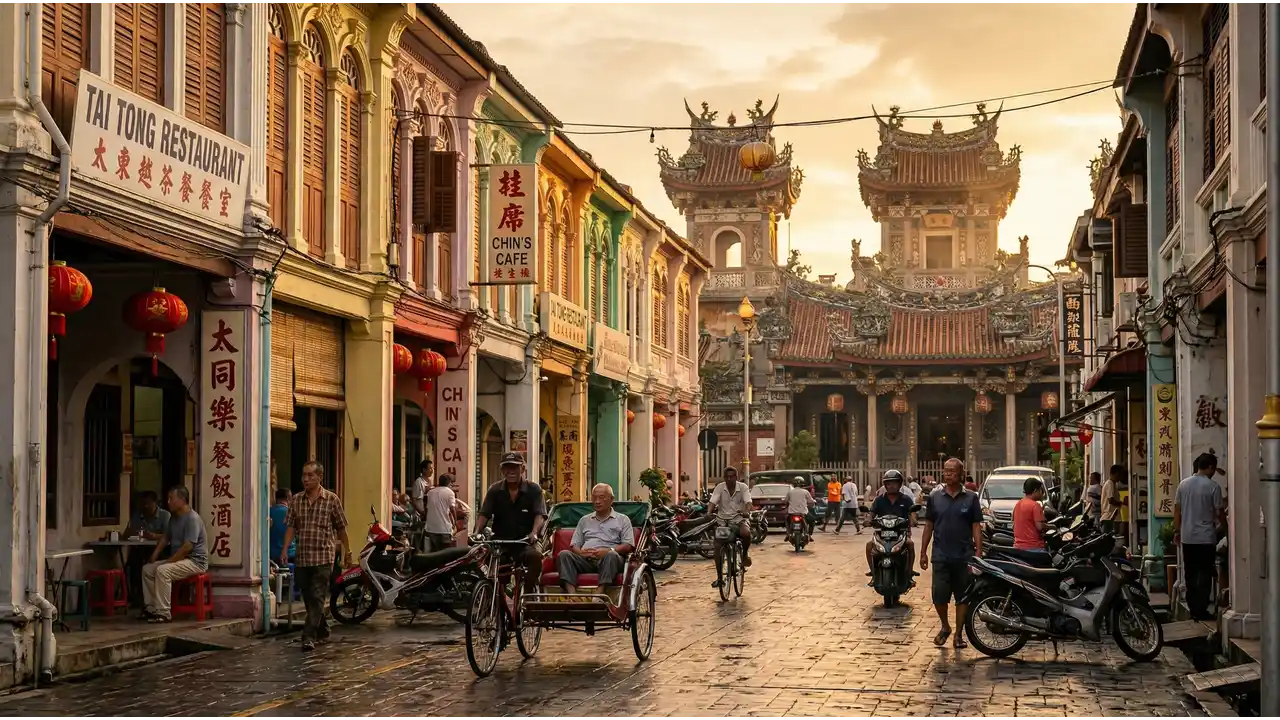
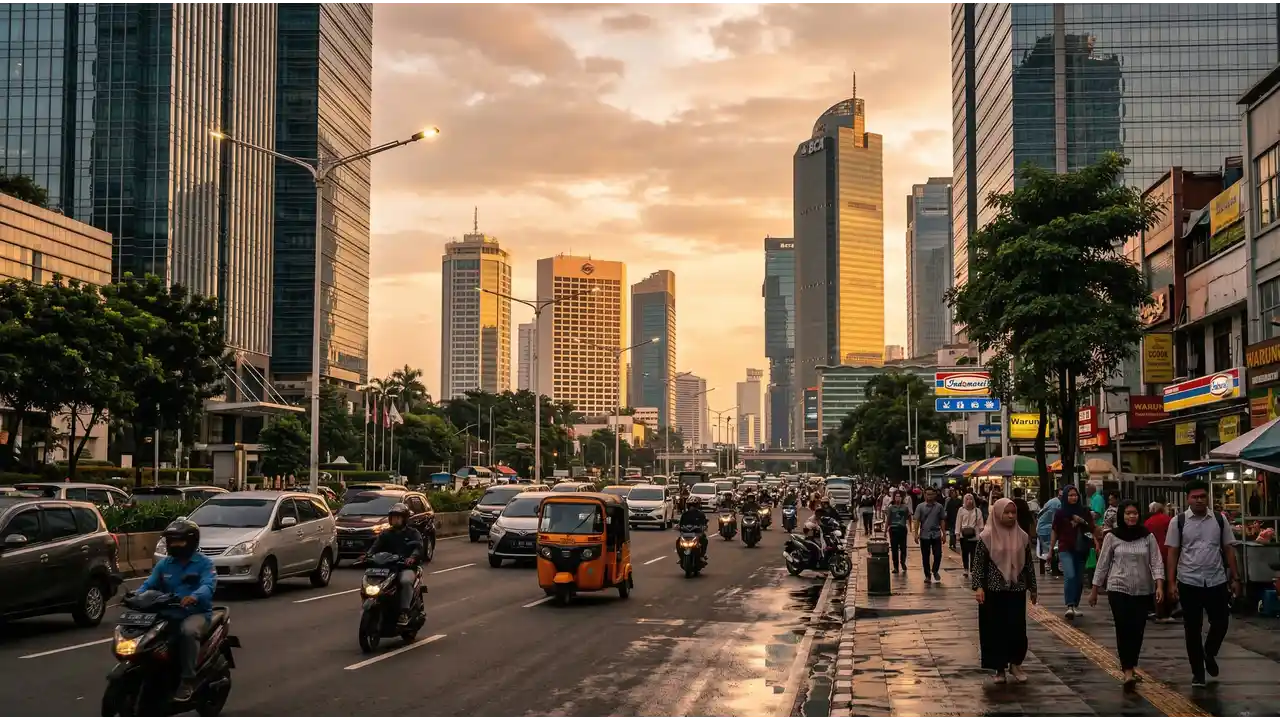
Singapore is a densely packed city-state on the southern tip of Malaysia where 5.7 million people live on 280 square miles. The climate is tropical and humid year-round, averaging 80-90 degrees Fahrenheit. English is widely spoken alongside Mandarin, Tamil, and Malay. Most residents live in public housing blocks (HDB flats) or private condominiums, often in planned neighborhoods like Ang Mo Kio or Jurong. Daily life revolves around efficient public transit, hawker centers serving cheap meals, and shopping malls. The expat population is substantial and visible, especially in central areas like Orchard and the Central Business District. People commute quickly, work long hours, and eat out frequently rather than cook at home.
💡 Local Insights
Singapore · 2026
Singapore's cost of living reflects its status as a high-income, developed city with limited land and strong purchasing power among residents. Housing dominates the budget at $2,649 per month, though this varies sharply by neighborhood and property type. Public HDB flats in outer areas like Bedok or Clementi typically cost $1,200-$1,800 monthly for a 3-room unit, while private condos in central locations or expat-friendly areas like Katong or East Coast run $3,500-$5,000 or higher for 2-3 bedrooms. Groceries average $476 monthly because many residents buy staples at wet markets and supermarkets, but eating out is common and cheap. A meal at a hawker center costs $2-$4, while restaurant meals run $12-$25. Public transport is affordable and comprehensive (bus and MRT fares start at $0.70), so many people skip car ownership. Expats often pay premium rents compared to locals; property agents typically quote in SGD and prices spike in central districts. The most common hidden cost is utilities and air conditioning bills in the tropical heat, which can add $100-$150 monthly beyond rent.
Frequently Asked Questions
How much does it cost to live in Singapore per month?
A moderate lifestyle in Singapore costs around $4,125 per month. This breaks down to approximately $2,649 for housing (rent or mortgage equivalent), $476 for groceries, and the remainder for utilities, transport, dining out, and discretionary spending. A tighter budget of $2,475 monthly is possible for those sharing accommodation and eating primarily at hawker centers. A more comfortable lifestyle with dining out regularly, international groceries, and central location housing runs $6,394 monthly. Costs vary significantly based on neighborhood, property type, and lifestyle choices, especially for expats accustomed to certain amenities.
What is the average rent in Singapore?
Average monthly rent is approximately $2,649 for a moderate-quality residential situation. Public Housing Development Board (HDB) flats, where 80 percent of residents live, cost $1,200-$1,800 monthly for a 3-room unit in outer neighborhoods like Jurong or Serangoon. Private condominiums in expat-friendly central areas like Orchard, River Valley, or the East Coast typically range $3,200-$4,500 for 2-3 bedrooms. Landed houses and larger condos run $4,500-$7,000 or more. Prices in Marina Bay or premium addresses exceed that significantly. Most leases are 2-3 years, and expats typically pay 20-40 percent more than locals for similar units. Utilities (water, electricity, air conditioning) average $100-$200 monthly.
Is Singapore cheap to live in for expats?
No, Singapore ranks among the world's most expensive cities for expats. Housing costs are high relative to global averages, especially for furnished units and central locations. Expat-oriented grocery stores and restaurants charge premium prices compared to local hawker centers and wet markets. However, cost perception depends on reference point. Compared to Hong Kong, London, or San Francisco, Singapore is moderately priced. Expats from Southeast Asia often find it expensive; those from Western Europe or North America may find it reasonable. The key advantage is efficiency: excellent public transport, reliable services, and security mean you can live comfortably on less than in sprawling cities. Many expats arrive with housing packages from employers, which shifts the equation.
How much does food cost per month in Singapore?
Groceries average $476 monthly, calculated from staple shopping at wet markets and supermarkets. Individual items: rice $0.50-$1 per kg, local vegetables $1-$2 per bunch, chicken breast $4-$5 per kg, eggs $1-$1.50 per piece. Eating out is much cheaper than cooking at home for most expats. Hawker center meals cost $2-$4 (noodles, rice dishes, soups). Mid-range restaurant meals run $12-$18. International groceries (imported cheese, cereals, fresh bread) cost 30-50 percent more than local options. Alcohol is heavily taxed; beer at a bar costs $8-$12, wine $60-$150 per bottle. Most daily-living expats eat breakfast or lunch at hawker centers and save money despite higher prices for specialty items.
What salary do you need to live comfortably in Singapore?
A comfortable lifestyle costs approximately $6,394 per month, roughly equivalent to an annual gross salary of $76,000-$85,000 USD for a single person, accounting for Singapore income tax (5-22 percent depending on income level). Couples can manage on combined salaries in the $95,000-$120,000 range by sharing housing costs. Comfortable means central or near-central housing, regular dining out, ability to travel regionally, and modest entertainment spending. The threshold is considerably lower for those in outer neighborhoods and eating at hawker centers ($4,125 monthly), and much higher for luxury lifestyles in Marina Bay or with international schools and club memberships ($9,000+). Most multinational employers offer housing packages that effectively reduce the required salary by $1,500-$3,000 monthly.
How does the cost of living in Singapore compare to other places?
Singapore's moderate lifestyle costs $4,125 per month, with housing running $2,649 monthly. That puts it in the middle tier globally among major financial centers.
Hong Kong, a direct peer city, is actually cheaper at $3,450 for a moderate lifestyle, though its housing at $2,222 monthly is comparable to Singapore's. Dubai undercuts both considerably at $3,150 overall, with housing at $2,124. New York City is substantially dearer at $5,775 monthly, driven by housing costs of $4,100.
The difference comes down to what you prioritize. Singapore's costs reflect tight geography, strict land-use controls, and wealthy resident demand. If housing is your primary concern, Dubai and Hong Kong offer modest savings. If you're coming from New York, Singapore will feel notably more affordable overall.
Yes, but with significant constraints. This budget tier requires sharing a HDB flat or renting a room in a private condo ($800-$1,200 personal share), eating almost exclusively at hawker centers ($150-$200 monthly), and using public transport exclusively. Utilities, phone, and insurance add another $150. This leaves roughly $200-$400 for discretionary spending, entertainment, and clothing. Most people on this budget are young professionals, students, or locals with family support. Expats can achieve it but sacrifice central location and dining flexibility. It excludes car ownership, frequent travel, international groceries, and dining out at casual restaurants. Doable for disciplined short-term stays; difficult as a permanent arrangement without supplementary income or housing support from employers.