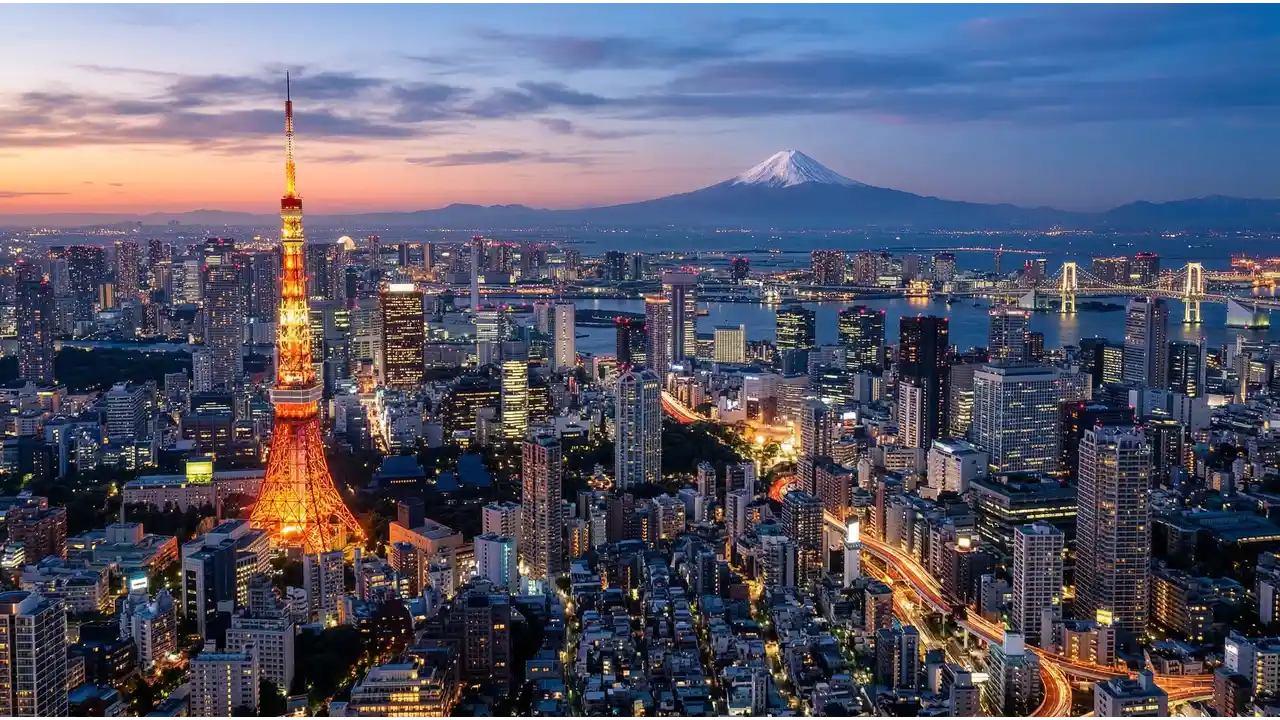
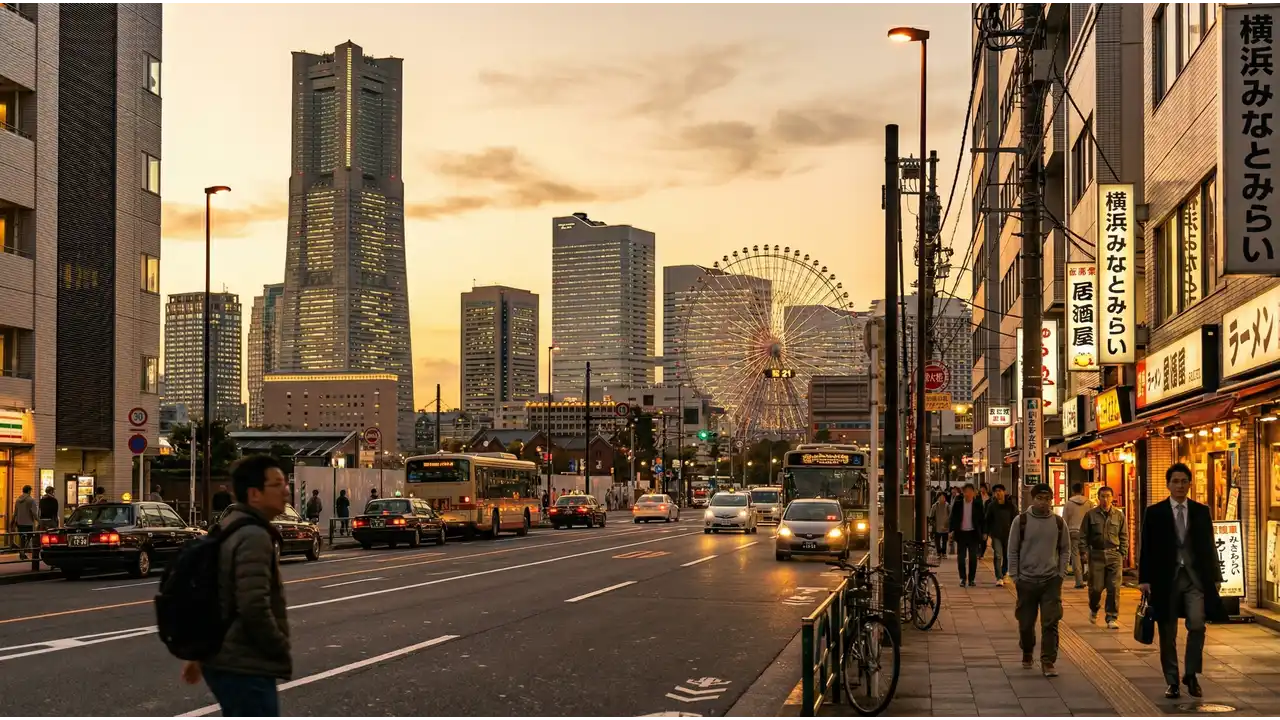
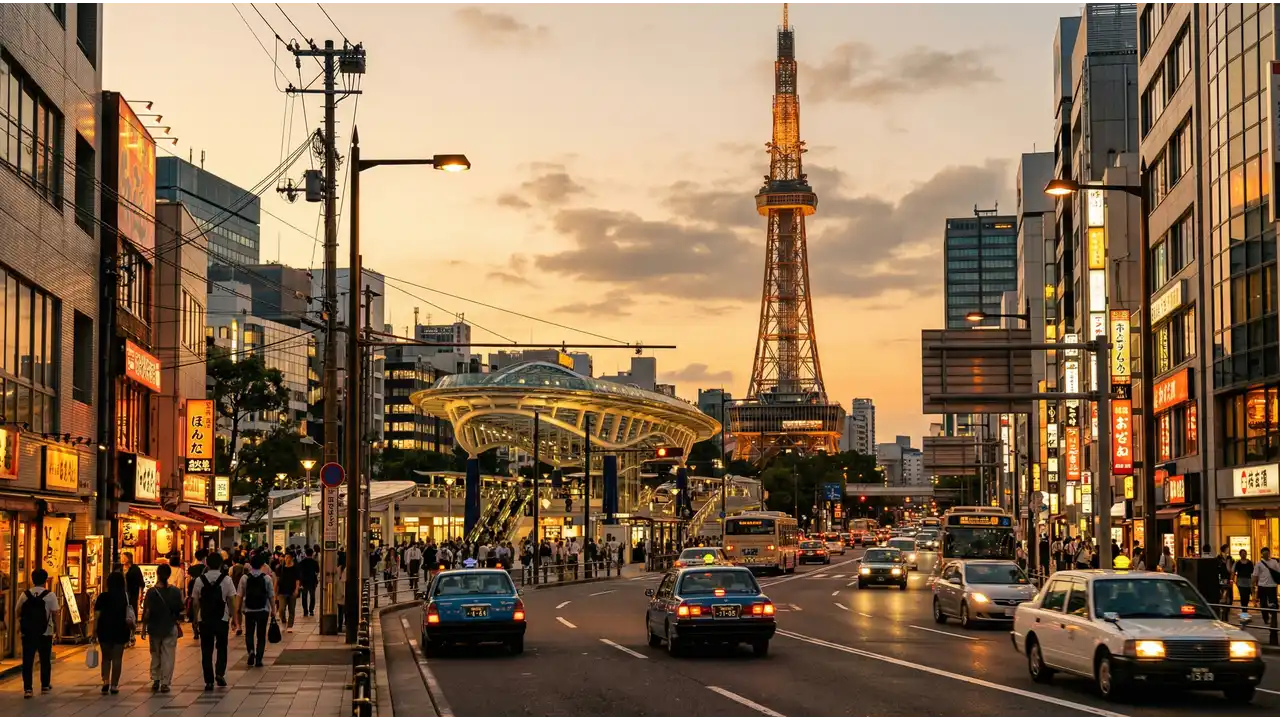
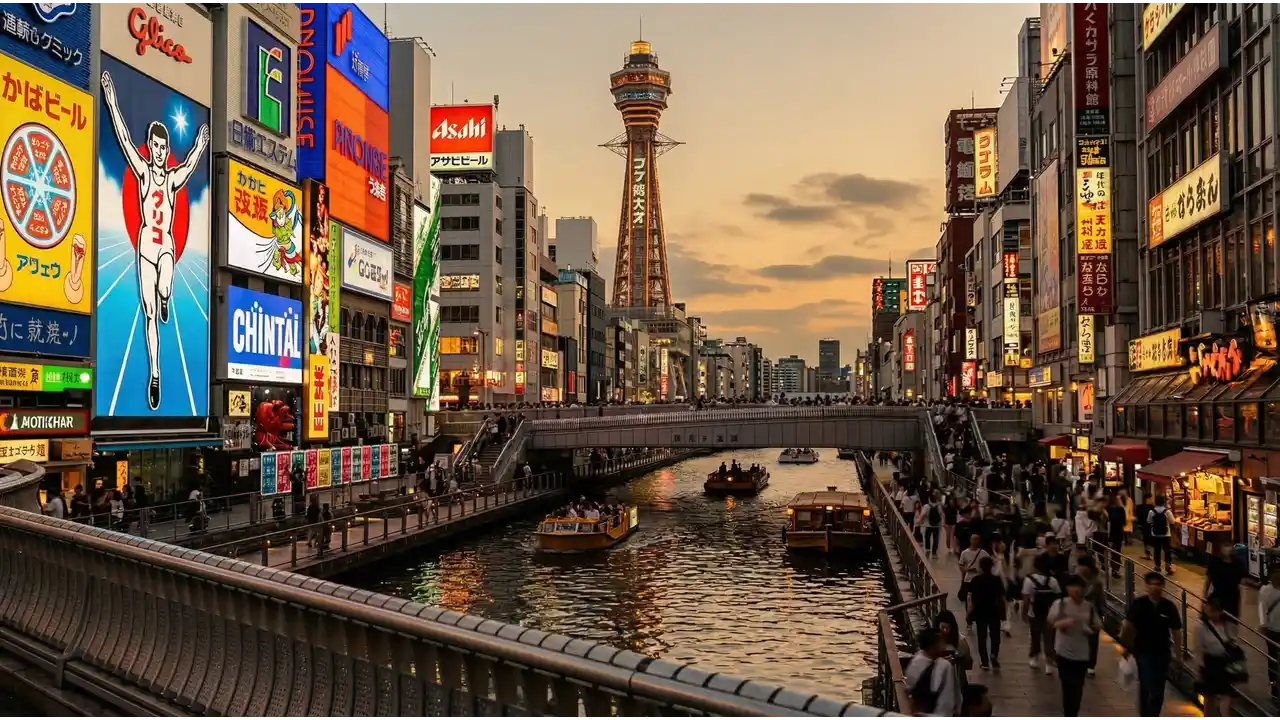
Tokyo is Japan's capital and largest metropolitan area, with 37 million people in the greater region. Daily life centers on efficient trains, convenience stores open 24 hours, and strict social order. Winters are cold and dry, summers hot and humid. The city draws expats for work in tech, finance, and education. Neighborhoods range from dense commercial districts (Shinjuku, Shibuya) to residential areas (Setagaya, Nakano) to quieter suburbs. Most residents use the train system rather than cars. Work culture remains structured, though remote work has grown. Food is available everywhere, from $2 convenience store meals to $200 sushi dinners.
💡 Local Insights
Tokyo · 2026
Tokyo's cost structure is driven by limited housing supply in central wards and expensive public transportation relative to salaries in some sectors. Rent averages $955/month and dominates the budget for anyone in central locations like Minato or Chiyoda, but drops meaningfully in outer wards (Nakano, Koenji, Ueno) where a one-bedroom apartment runs $600-800. Groceries total around $297/month if you cook; imported foods cost significantly more. Eating out is cheaper than cooking: ramen or curry rice costs $4-7, while a convenience store meal costs $3-5. Train passes cost about $90/month with unlimited travel on most lines. The yen-to-dollar exchange rate fluctuates; the moderate lifestyle estimate assumes typical rates. Expats often spend more on housing by choosing newer buildings or English-speaking landlords. Japanese citizens and long-term residents pay similar rents but have easier access to discounted supermarkets. Utilities run $80-120/month. The $1,875/month moderate budget assumes shared housing or a modest solo apartment plus regular train use and mixed cooking and eating out.
Frequently Asked Questions
How much does it cost to live in Tokyo per month?
A moderate lifestyle costs $1,875/month, which covers a modest apartment, regular meals (mix of cooking and eating out), train pass, and utilities. That breaks down roughly to $955/month for housing, $297/month for groceries, $90/month for transit, and $100-150/month for utilities, phone, and other essentials. The budget tier is $1,125/month (shared housing, minimal eating out, basic transit). A comfortable lifestyle runs $2,906/month (larger or newer apartment, more dining out, occasional entertainment). Individual costs vary widely by ward and neighborhood choice.
What is the average rent in Tokyo?
Average rent is approximately $955/month for a one-bedroom apartment. In central wards like Minato, Shibuya, or Chiyoda, expect $1,200-1,600/month. In residential outer wards like Nakano, Setagaya, or Ueno, one-bedrooms run $600-900/month. Studio apartments cost $500-800 depending on location. Shared housing or house-shares run $400-650/month per person in central areas. Prices reflect age, exact location (proximity to train stations matters enormously), and building amenities. Newer buildings cost 15-25 percent more. Most landlords require a key money deposit (typically one month's rent, non-refundable) plus one month's deposit, plus agent fees.
Is Tokyo cheap to live in for expats?
No, not particularly. Tokyo is expensive by global standards, though cheaper than New York, London, or Singapore. Expats often pay more than locals because they rent newer apartments, use English-language real estate agents, or live in 'expat-friendly' areas with premium pricing. A $1,875/month moderate budget requires careful choices on housing and eating. Expats with salaries under $50,000/year typically live outside central wards or in shared housing. English-speaking employers in tech and finance offer salaries that make this comfortable, but teachers and freelancers find the city tight unless they adapt to local living patterns. The yen's weakness against the dollar in some periods increases the effective cost for dollar-earners.
How much does food cost per month in Tokyo?
Groceries cost about $297/month if you cook regularly. Rice, eggs, seasonal vegetables, and chicken are inexpensive. A liter of milk costs $2-3, eggs $1.50/dozen, chicken $4-6/pound, rice $0.80/pound. Convenience stores (7-Eleven, Lawson, FamilyMart) offer meals for $3-7. Ramen or curry rice at casual restaurants costs $4-8. Sushi lunch sets run $10-20. Imported foods (cheese, Western cereals, non-Japanese brands) are 30-50 percent more expensive than in the US. Alcohol is moderate: a beer costs $2-3 at convenience stores, $5-8 at bars. Most expats spend $400-500/month on total food if eating out 2-3 times weekly.
What salary do you need to live comfortably in Tokyo?
A comfortable lifestyle costs $2,906/month, which suggests a gross monthly income around $3,800-4,200 (accounting for taxes and deductions). In annual terms, that's roughly $45,000-50,000. This level of budget allows a one-bedroom apartment in a good neighborhood, regular eating out, weekend activities, occasional travel, and some savings. It assumes you're not supporting dependents and have no major debts. Many expat employers in tech and finance offer salaries in the $45,000-70,000 range, which provides comfort. Teaching English typically pays $24,000-32,000 annually, requiring shared housing or outer-ward apartments to hit the moderate budget. Freelancers and business owners need to account for self-employment taxes and irregular income.
How does the cost of living in Tokyo compare to other places?
Tokyo's moderate lifestyle costs $1,875 per month, with housing running $955 monthly. This puts it in the middle range for major Asian cities. Seoul, a peer city, costs $1,950 per month overall, though Seoul's housing is slightly cheaper at $841 monthly. If you're looking for substantially lower costs, Ulaanbaatar runs $1,275 per month with housing at $689. On the other end, Abu Dhabi is notably more expensive at $2,675 monthly, with housing alone at $1,792. Tokyo's positioning reflects its status as a developed capital with strong public transit and abundant services, but without the premium pricing you'd find in wealthier Gulf states. For regional comparison, Tokyo remains accessible compared to other major developed-world cities, though more costly than smaller or less economically developed Asian alternatives.
Yes, but with real constraints. That budget requires shared housing ($400-500/month), cooking most meals ($200/month on groceries), minimal eating out, a train pass ($90/month), and keeping utilities and phone under $150/month. You'll have little room for entertainment, travel, or unexpected expenses. This works for students, English teachers with free housing, or people with support from partners or family. It's tight for solo travelers planning to stay long-term. You'd need to live in outer wards like Nakano, Ueno, or Kita, far from central employment hubs. No buffer for medical costs, equipment replacement, or visa renewals. Many people sustain it, but it requires discipline and comfort with a constrained lifestyle.