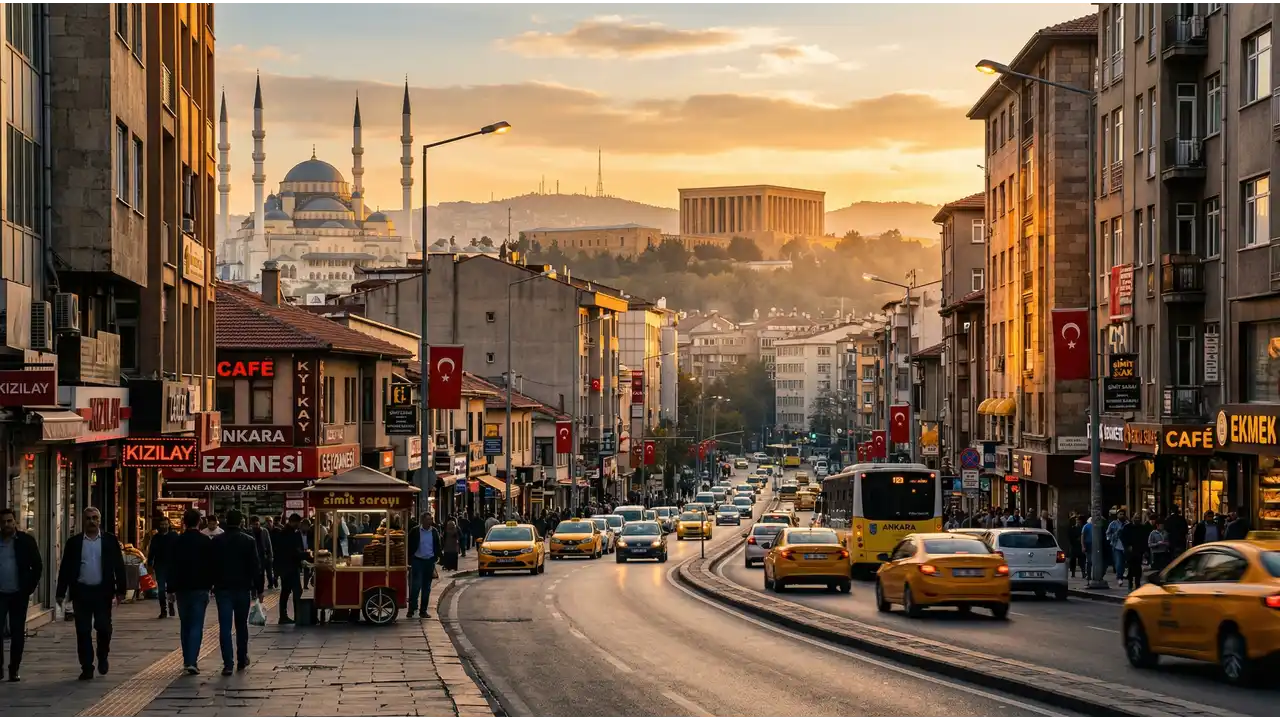
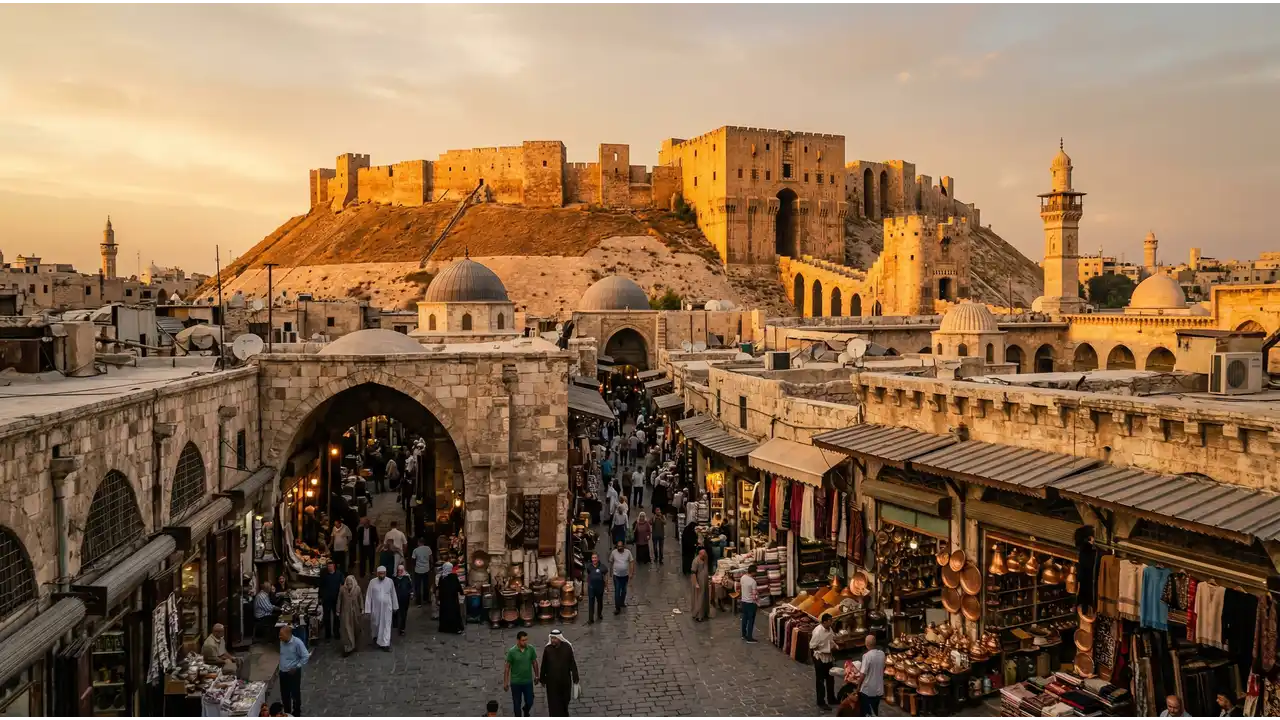
Ankara is Turkey's capital and second-largest city, home to 5 million people. The city is the political center, built on a plateau in central Anatolia with cold winters and hot, dry summers. Daily life revolves around government work, commerce, and university activity (Ankara hosts several major universities). The old city sits on a hillside around Ankara Castle; modern neighborhoods spread across the plateau. Traffic is heavy during commute hours. Public transport exists but many residents use private cars or minibuses. Turkish is the working language; English is less common than in Istanbul. The pace is slower and less touristy than the coast, with a mix of Turkish families, government workers, and growing numbers of expats.
💡 Local Insights
Ankara · 2026
Ankara is substantially cheaper than Istanbul or Turkey's coastal cities, though costs have risen with inflation. Housing runs $590 per month for a moderate apartment, typically a one-bedroom in central neighborhoods like Kavaklidere, Cankaya, or Kizilay, or a two-bedroom further out. Older Soviet-style apartments rent cheaper; newer developments command premiums. Utilities (electricity, water, heating) add $60 to $100 monthly depending on season. Groceries average $213 per month for a single person buying local staples at markets and supermarkets like Carrefour or local vendors. Turkish produce, bread, and dairy are inexpensive; imported goods carry steep markups. Eating out costs $3 to $8 for a main dish at casual restaurants, $15 to $30 at mid-range establishments. Public minibuses (dolmus) cost roughly $0.50 per trip; a metro system exists but covers limited routes. Many expats report food and transport are where they save most versus Western cities. Turkish residency rules and visa requirements affect long-term planning; check current regulations before moving.
Frequently Asked Questions
How much does it cost to live in Ankara per month?
A moderate lifestyle costs $1,250 per month. This covers a one-bedroom apartment in central Ankara ($590), groceries ($213), utilities ($80), local transport ($30), and dining out or entertainment ($300 to $400). A budget approach costs around $750 monthly if you share housing, cook most meals, and minimize eating out. A comfortable lifestyle runs $1,938 per month, allowing for a larger apartment, regular dining at better restaurants, occasional travel, and a car. Individual expenses vary based on neighborhood, family size, and personal choices.
What is the average rent in Ankara?
Average rent is $590 per month for a one-bedroom apartment in central neighborhoods like Kavaklidere, Kizilay, or Cankaya. Two-bedroom apartments run $650 to $850, depending on location and age. Older apartments in less central areas can cost $400 to $550; new developments in Ankara's periphery rent higher, $750 to $1,000. Houses with yards are available but less common in the city center. Lease terms are typically 12 months. Furnished apartments rent at a slight premium. Utilities typically run an additional $60 to $100 monthly, higher in winter due to heating costs.
Is Ankara cheap to live in for expats?
Yes, Ankara is significantly cheaper than major Western cities and even Istanbul. Housing is affordable at $590 per month for a decent central apartment. Groceries and local dining are inexpensive if you eat Turkish food and shop at markets. However, expat social life (Western restaurants, imported goods, international schools) costs more. Salaries for expat positions are often lower than equivalent roles in the West, so financial viability depends on your income source. Government employees, teachers, and corporate expats with home-country salaries find it very affordable. Without external income, living on local wages requires discipline.
How much does food cost per month in Ankara?
Groceries average $213 per month for one person eating a mix of Turkish staples and international items at supermarkets and local markets. A loaf of bread costs $0.50 to $0.80; a kilogram of chicken is $3 to $4; fresh vegetables are $1 to $2 per kilogram depending on season. Eating out at casual restaurants costs $3 to $6 for a lunch main course, $8 to $15 for dinner. Mid-range restaurants charge $12 to $25. International chains and fine dining run $20 to $50 per meal. Imported groceries (cheese, cereals, snacks) are 2 to 3 times more expensive than Turkish equivalents.
What salary do you need to live comfortably in Ankara?
A comfortable lifestyle requires $1,938 per month. This allows for a larger or newer apartment ($800 to $1,000), regular dining at better restaurants, membership to gyms or clubs, regular entertainment, occasional travel within Turkey, and a used car or regular taxi use. A household of two needs roughly $3,000 to $3,500 monthly for genuine comfort with occasional luxuries. Local professional salaries (teachers, engineers, office workers) typically range from $1,000 to $2,000 per month gross, which is why most expats rely on external income or remote work paying Western rates.
How does the cost of living in Ankara compare to other places?
Ankara is genuinely affordable compared to most developed capitals. A moderate lifestyle costs $1,250 per month, with housing running $590 monthly. This puts it in line with Almaty, which costs $1,300 overall and $664 for housing, so you're looking at comparable pricing between the two cities.
If you're flexible on location, Qingdao is noticeably cheaper at $825 monthly with $336 in housing costs. On the other end, Sharjah runs significantly higher at $1,725 for a moderate lifestyle and $873 for housing, making it roughly 40 percent more expensive than Ankara.
Your dollar stretches furthest in Ankara among these options if you exclude Qingdao. Turkish inflation has shifted some prices recently, but housing especially remains reasonable for a capital city.
Yes, but with significant constraints. A budget lifestyle requires shared housing (reducing rent to $300 to $350 per person), cooking nearly all meals ($120 to $150 per month), avoiding restaurants and entertainment, and using only public minibuses. Utilities, internet, and phone add $60 to $80. This leaves minimal cushion for unexpected costs, medical care, or social life. It works for students, backpackers, or those with very low expenses, but offers little comfort or flexibility. Adding $200 to $300 (reaching $950 to $1,050 monthly) provides substantially more quality of life, allowing occasional dining out and a safety margin.