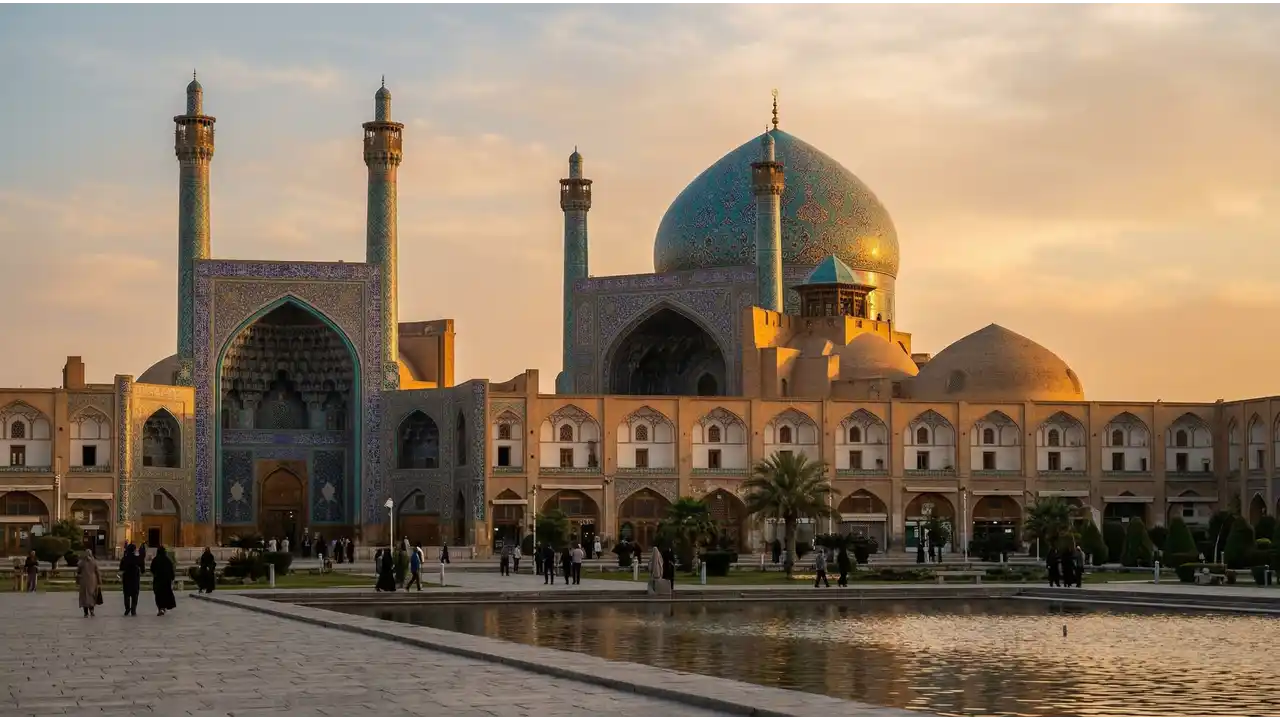
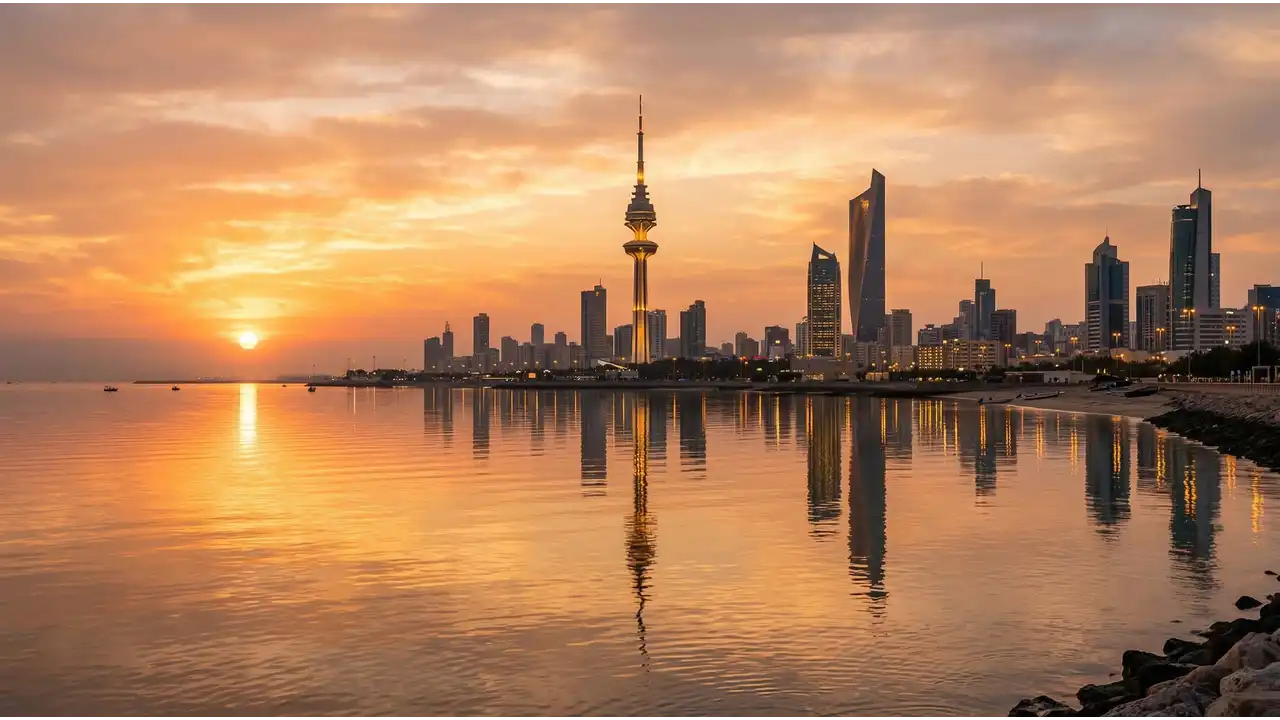
Armenia is a landlocked South Caucasus country of roughly 3 million people, centered on the capital Yerevan. The landscape shifts from mountains in the north to plateau terrain. Winters are cold (below freezing from November through March), summers warm and dry. Daily life revolves around close family ties, strong church presence, and a Soviet-era urban infrastructure that has been modernizing unevenly. Food culture emphasizes bread, grilled meats, dairy, and fresh produce. Public transport runs on minibuses and metro. The population is ethnically Armenian and predominantly Christian. Many expats are digital workers, NGO staff, or business owners drawn by lower costs and growing startup activity.
💡 Local Insights
Armenia · 2026
Armenia costs less than most Eastern European cities but more than neighboring Georgia or Azerbaijan. Housing averages $623/month, which covers a one-bedroom apartment in central Yerevan or a larger place in outer districts. Landlords often rent to long-term tenants without formal leases. Food from local markets and supermarkets runs about $194/month for groceries, notably cheap for produce and bread but pricier for imported goods. Eating out remains affordable: a meal at a local restaurant costs $3-6, though Western-style cafes charge $8-15. Public transport is minimal expense (metro rides under $0.30). Utilities (electricity, water, gas) add $40-80/month depending on season and usage. The main cost pressures come from imported goods, private healthcare, and dining in expat zones. Local wages are low, so expat salaries from abroad go further. Winter heating can spike utility bills. Many expats negotiate rent downward or find better deals outside the city center.
Frequently Asked Questions
How much does it cost to live in Armenia per month?
A moderate lifestyle costs $1,225/month. This includes $623/month for housing (one-bedroom apartment in central Yerevan or larger place outside), $194/month for groceries, roughly $60/month for utilities, $30-40/month for transport, and the remainder for dining out, entertainment, and personal care. Budget travelers can manage on $735/month by sharing accommodation, cooking almost all meals, and avoiding expat venues. Comfortable living costs $1,899/month, allowing for better accommodation, frequent restaurant meals, and private transportation or taxis.
What is the average rent in Armenia?
Average rent is $623/month. In central Yerevan (Kentron, Arabkir districts), a one-bedroom furnished apartment rents for $500-750/month. Unfurnished units in the same areas run $450-650/month. Outer districts like Shengavit or Nubarashen offer two-bedroom apartments for $400-600/month. Luxury expat apartments with full amenities reach $1,000-1,500/month but are not typical. Most landlords prefer long-term tenants (6-12 months minimum) and negotiate directly without formal contracts. Utilities are typically tenant responsibility. Deposit is usually one month's rent.
Is Armenia cheap to live in for expats?
Yes, Armenia is genuinely affordable compared to Western Europe, North America, or even Turkey. Housing and food are substantially cheaper. However, it is not as inexpensive as rural Georgia or Central Asia. Expat comfort levels vary widely: those earning remote Western salaries find Armenia very cheap and can live well; those relying on local wages struggle. Internet is reliable and inexpensive (around $10-15/month for home broadband). Healthcare is affordable but quality is uneven, and many expats use private clinics. Bureaucracy around residency and banking can be slow. The city infrastructure is aging but functional.
How much does food cost per month in Armenia?
Groceries average $194/month for a single person eating locally. Fresh produce at markets is cheap: tomatoes, cucumbers, and herbs cost $0.30-0.80/pound. Bread is extremely affordable at $0.15-0.30 per loaf. Dairy (yogurt, cheese) is inexpensive. Imported goods (olive oil, chocolate, coffee) are 2-3 times pricier than local alternatives. Eating out at casual restaurants costs $3-6 per meal. Cafes and bakeries serve lunch for $2-4. Western supermarkets in Yerevan have higher prices. Alcohol is cheap: local wine or beer under $2 per bottle. Cooking at home is significantly cheaper than eating out.
What salary do you need to live comfortably in Armenia?
A comfortable lifestyle costs $1,899/month. This means a well-located apartment ($700-900/month), frequent restaurant meals, private transportation or regular taxi use, and room for travel or hobbies. Expats earning $2,000-2,500/month from remote work live very comfortably. Local Armenian salaries average $300-600/month, which is why most expats in Armenia are digital workers, business owners, or funded by external income. For a single person earning $1,500/month remotely, Armenia offers a substantial quality-of-life advantage. Couples can share housing and split costs, making $2,500-3,000/month quite comfortable.
How does the cost of living in Armenia compare to other places?
Armenia sits in the lower-to-moderate range globally. A moderate lifestyle in Armenia costs $1,225 per month, with housing at $623 per month. This makes it comparable to Thailand, where a moderate lifestyle runs $1,175 monthly, though Armenia's housing is slightly pricier at $623 versus Thailand's $447. Armenia is notably more expensive than Malaysia, where a moderate lifestyle costs $875 per month and housing $377 per month. By contrast, Japan is considerably dearer at $1,675 per month for a moderate lifestyle, despite similar housing costs at $603 per month. For most categories of spending, Armenia offers better value than developed economies but sits above Southeast Asia's cheapest options. Your money stretches furthest in smaller cities and outside the capital.
Yes, but with constraints. This budget requires sharing a one-bedroom apartment (reducing individual housing cost to $300-350/month), cooking nearly all meals, minimal dining out, and using only public transport or walking. A shared apartment, $150/month for groceries, $30/month for utilities split, $20 for transport, and $100 for discretionary spending leaves little room. Entertainment, medical costs, or travel eat into it quickly. This lifestyle is doable for single remote workers with very low expenses or students, but not comfortable. Most people at this budget level live with roommates or in cheaper outlying areas. Internet and phone are affordable add-ons around $20/month.