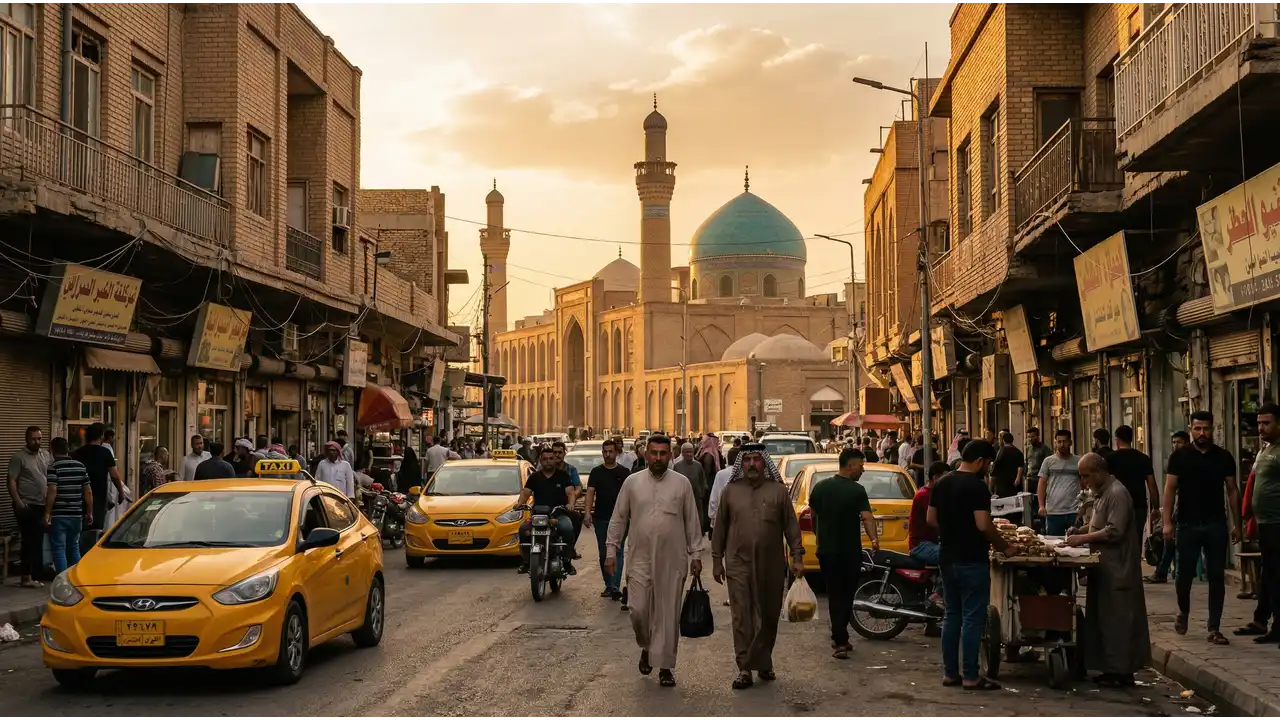
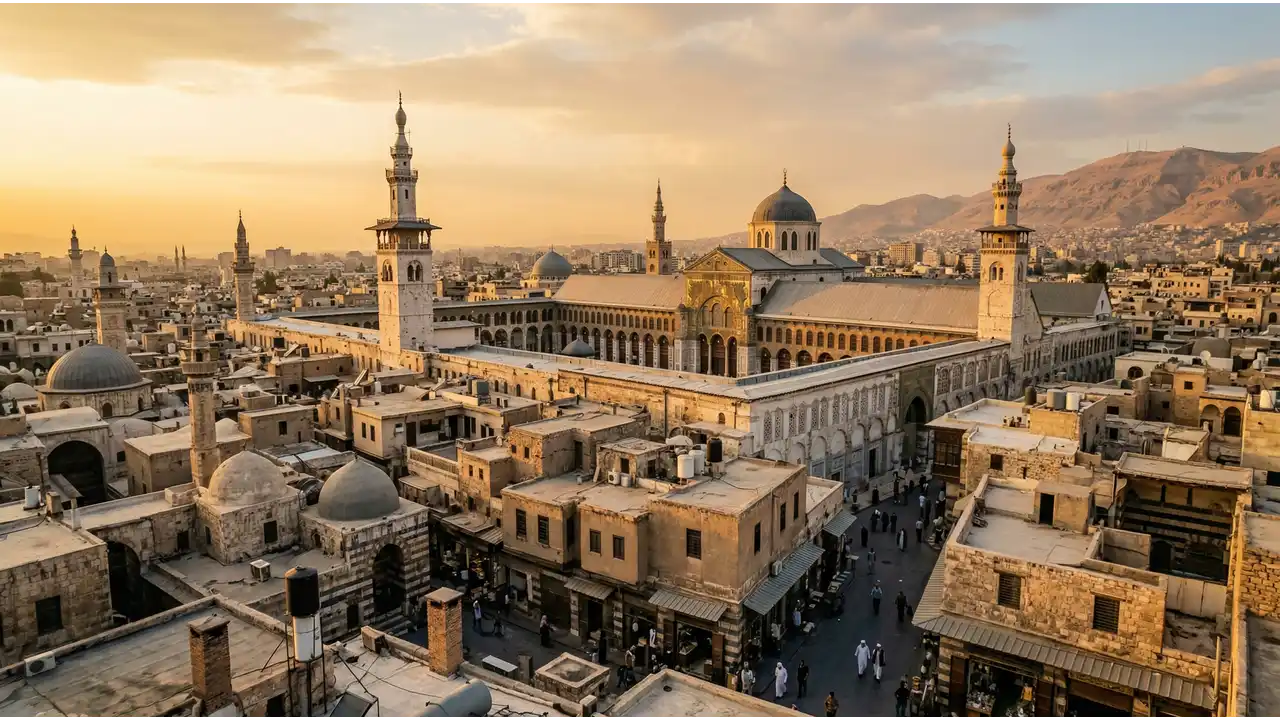
Baghdad is Iraq's capital and largest city, located on the Tigris River in central Iraq. The city has a long history as a center of trade and learning, though decades of conflict have shaped its current character. Daily life centers on family, work, and navigating security considerations. The climate is hot and dry, with summer temperatures regularly exceeding 115 degrees Fahrenheit. The population is predominantly Arab and Muslim. International expats, NGO workers, and diplomats form a smaller but visible community, largely concentrated in secured zones. Markets, tea houses, and riverside areas remain social anchors. Infrastructure challenges are common, including inconsistent electricity and water supply.
💡 Local Insights
Baghdad · 2026
Baghdad's cost of living reflects both conflict-related constraints and a recovering urban economy. Housing dominates expenses at $435 per month, with significant variation by location. Secured zones and areas favored by expats (Karada, Mansour) command higher rents, while outer neighborhoods offer cheaper alternatives. Most expats live in compounds or serviced apartments rather than standard rentals. Groceries cost around $190 monthly for a basic diet of local staples. Import restrictions and supply chain disruptions inflate prices for many goods. Local produce, bread, and meat remain relatively affordable; imported items and Western brands cost substantially more. Transport relies on private cars or taxis; no formal public transit system exists. Fuel subsidies keep gasoline cheap. Security and movement restrictions significantly affect lifestyle costs and choices. Long-term expat housing often includes security features and utilities, bundled into higher all-in costs. Visa regulations and employer-sponsored housing arrangements shape real costs for foreign workers.
Frequently Asked Questions
How much does it cost to live in Baghdad per month?
A moderate lifestyle in Baghdad costs approximately $1,025 per month. This covers housing at $435, groceries at $190, utilities and transport at roughly $200, and incidental expenses. A tighter budget of $615 per month is possible if you live outside central areas and eat only local foods. A comfortable lifestyle with international amenities and dining runs closer to $1,589 per month. These figures assume you arrange your own housing; employer-sponsored housing often includes utilities and security, changing the breakdown significantly.
What is the average rent in Baghdad?
Average housing costs are $435 per month. This anchors a range that varies sharply by neighborhood and tenant profile. Expats and diplomats in Karada or Mansour typically pay $800 to $1,500 monthly for apartments or villas with security features. Iraqi nationals and budget-conscious foreigners in outer areas (Sadr City, Adhamiya) find one-bedroom flats for $250 to $400. Furnished serviced apartments marketed to expats start around $600. Most long-term expat housing is arranged through employers or relocation agencies, not open rental markets. Lease terms vary; many expat contracts run 1 to 2 years. Security deposits are common but not always refundable.
Is Baghdad cheap to live in for expats?
Baghdad is cheap compared to major regional hubs like Dubai or Beirut, but that comparison misleads. Expat costs are higher than headline figures suggest because housing is typically furnished, security-equipped, and bundled with utilities. A $435 average housing figure reflects many Iraqi renters in unserviced apartments. Real expat housing often runs $700 to $1,200. Food costs are low if you eat locally; Western groceries cost 3 to 5 times more. The trade-off is limited amenities, security constraints, and frequent power cuts. Salaries for skilled expats reflect risk premiums. For NGO or UN staff, hardship allowances offset some costs.
How much does food cost per month in Baghdad?
Monthly groceries cost around $190 for a basic diet of local staples. A week's shopping for bread, rice, lentils, onions, tomatoes, and chicken runs $30 to $45. Imported foods cost 2 to 4 times local prices; a box of cereal might be $8. Local street meals and small restaurants are very cheap, $2 to $5 per meal. Eating out regularly at casual restaurants costs $200 to $300 monthly. Supply disruptions and import tariffs create price swings. Fresh produce is seasonal; winter vegetables are cheaper than summer. Meat prices fluctuate with availability. Alcohol is restricted and expensive where available.
What salary do you need to live comfortably in Baghdad?
A comfortable lifestyle in Baghdad requires around $1,589 per month, or roughly $19,000 annually. This supports housing at $435, groceries and dining out at $350 to $400, utilities and transport at $250, and discretionary spending on entertainment, travel, or personal services. Expats earning this as a take-home salary typically work for international organizations, NGOs, or multinational companies. Hardship and security allowances often supplement base pay. Local professionals earn substantially less; comfortable living for Iraqis costs $800 to $1,200 monthly. Housing for expats usually comes employer-sponsored, shifting the budget.
How does the cost of living in Baghdad compare to other places?
Baghdad is less expensive than some major cities but pricier than others in the region. A moderate lifestyle in Baghdad costs $1,025 per month, with housing at $435 per month. Tehran is notably cheaper, running $800 monthly overall and $406 for housing. Bishkek is a close peer at $975 monthly with housing at $492. If you're comparing to developed economies, Osaka is substantially dearer at $1,450 per month and $722 for housing. The cost difference reflects Baghdad's status as a major Middle Eastern capital with functioning markets for both local and imported goods, but without the infrastructure premiums you'd pay in wealthier cities. Your actual spending will depend heavily on whether you rent in central areas or outer neighborhoods, and whether you shop at local markets or imported-goods stores.
Yes, but it requires tight budgeting and comfort trade-offs. The $615 budget tier covers basic housing ($250 to $350 in outer neighborhoods), groceries ($150 to $180 of local staples), and minimal transport. Utilities, phone, and small expenses fit the remainder. You would avoid restaurants, imported foods, taxis, and entertainment. This budget is realistic for Iraqi nationals and a few expats on NGO stipends. No air conditioning or reliable electricity is standard at this price point. Internet and phone service remain affordable. Medical emergencies or dental work blow the budget. This lifestyle works for short-term stays or those with employer housing; long-term expats rarely operate at this level.