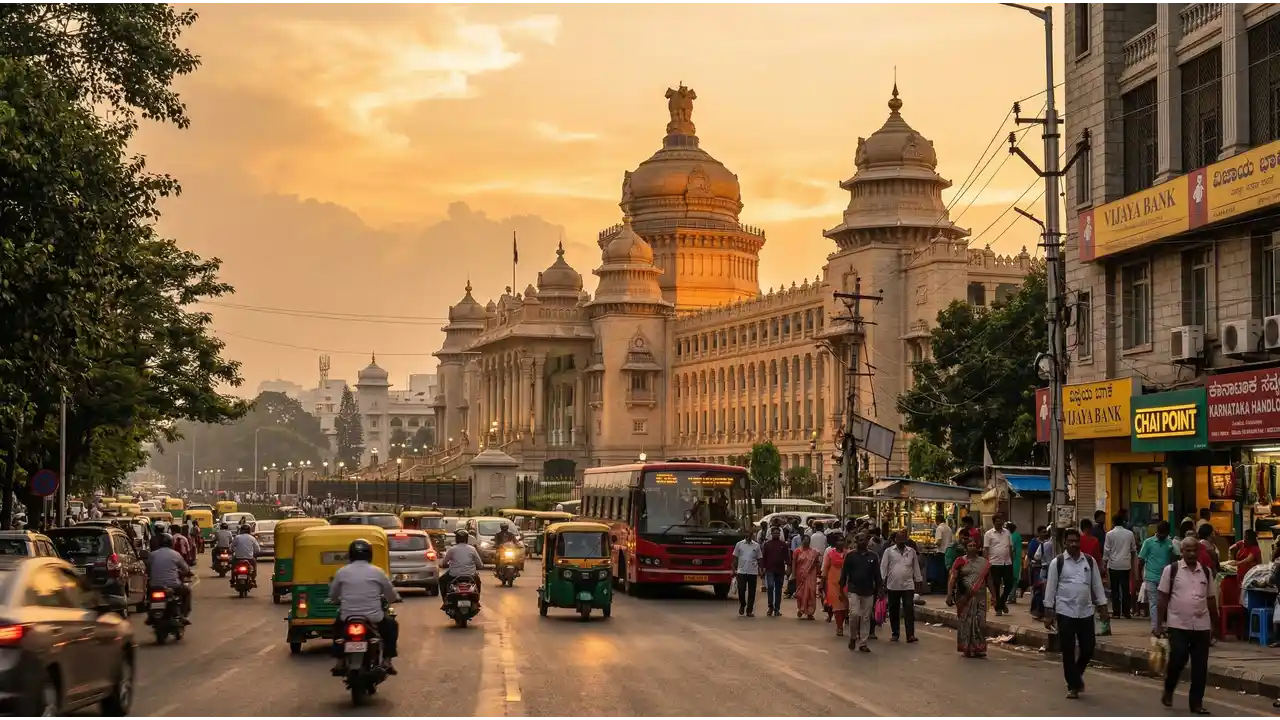
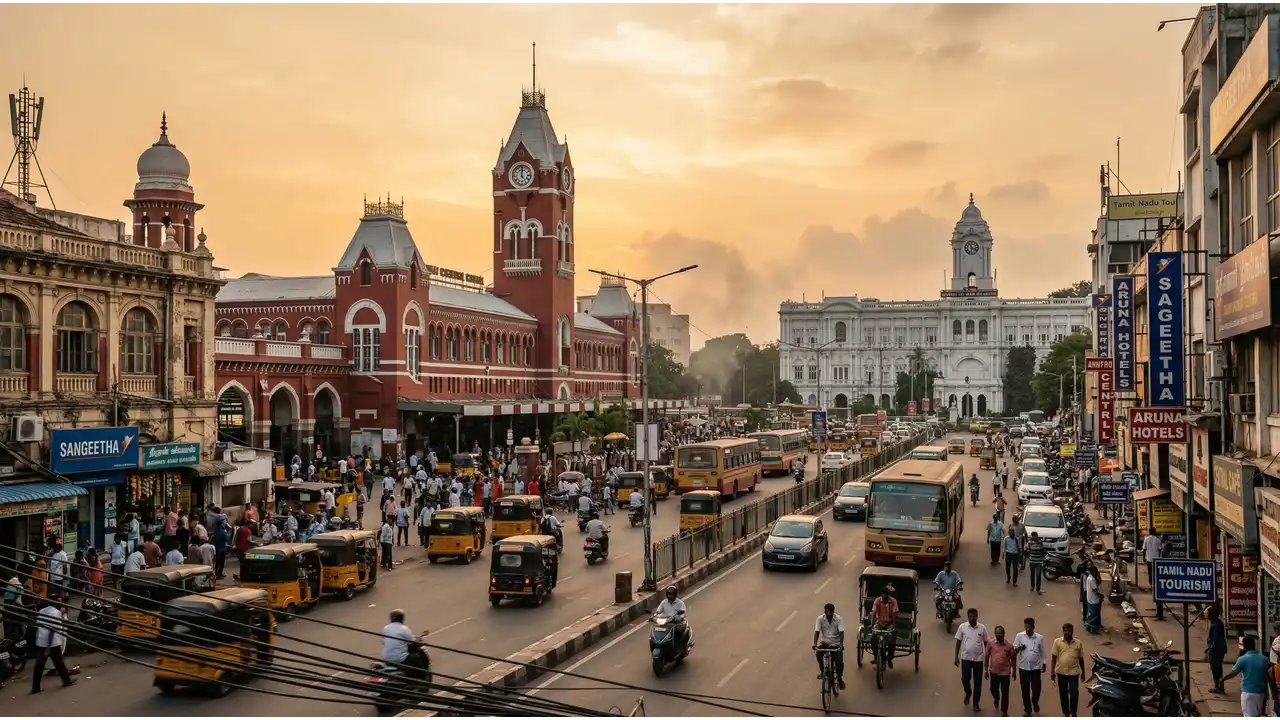
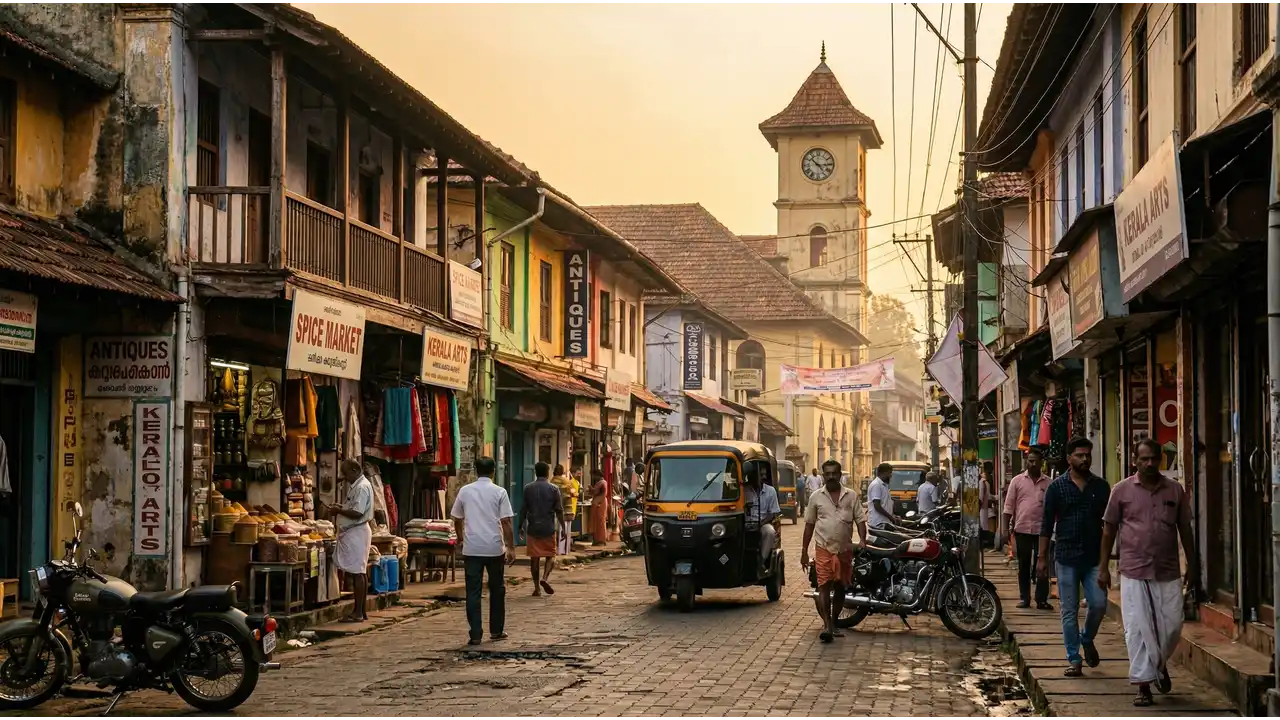
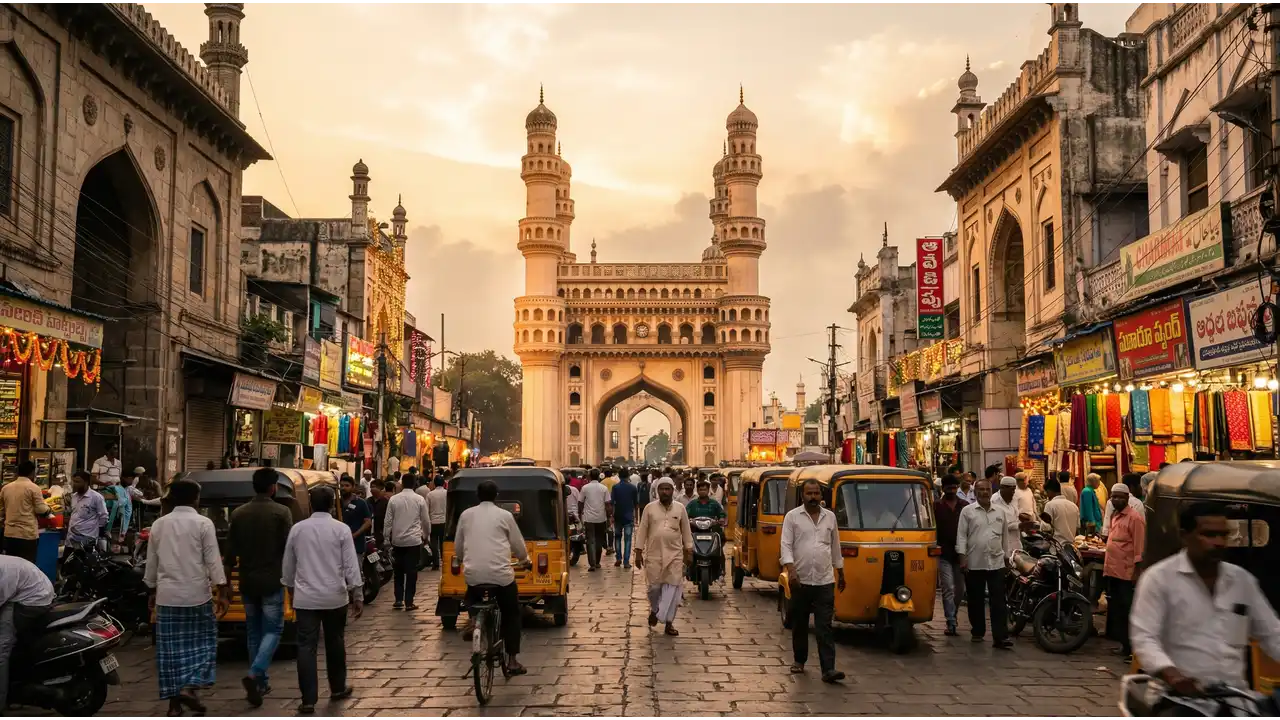
Bangalore is India's tech capital, home to multinational offices, startups, and a large expatriate community. The city sits on the Deccan Plateau at 3,000 feet elevation, giving it a mild climate year-round. Traffic is heavy, monsoons hit June through September, and power cuts are rare but possible. Daily life centers on IT parks in Whitefield and Koramangala, shopping malls in central areas, and an active restaurant and bar scene. Most expats live in specific neighborhoods: Indiranagar, Koramangala, Whitefield, Bellandur, and Marathahalli. Local language is Kannada, but English works widely in expat zones. Bangalore feels less dense than Delhi or Mumbai but more chaotic than smaller Indian cities.
💡 Local Insights
Bangalore · 2026
Bangalore's cost structure divides sharply between neighborhoods and expat versus local pricing. Housing at $349/month covers a modest one-bedroom apartment in outer areas like Marathahalli or Whitefield, or a shared flat in central neighborhoods like Indiranagar or Koramangala. Single rooms in shared houses run $200-$280; nicer one-bedrooms in central areas push $450-$600. Landlords often demand 10 months' deposit upfront. Groceries at $113/month assumes local markets and Indian brands; imported Western goods cost two to three times more. A meal at a local restaurant costs $1.50-$3, coffee shops charge $1.50-$2.50 for espresso-based drinks. Auto-rickshaws (three-wheelers) cost $0.30-$0.50 per kilometer; Uber and Ola operate widely. Internet is reliable at $5-$8/month. Expats often pay 20-30% premiums for furnished flats and restaurants in expat zones. The $700/month moderate budget works if you avoid air-conditioned malls, eat at local eateries, and share transport or use public buses.
Frequently Asked Questions
How much does it cost to live in Bangalore per month?
A moderate lifestyle costs $700/month for a single person. This covers housing at $349/month for a one-bedroom apartment or shared flat, groceries at $113/month from local markets and street vendors, transport at roughly $30/month via auto-rickshaws and buses, utilities around $25/month, and food or social spending of $180/month. Budget tier living costs $420/month if you share housing, eat only at local eateries, and minimize transport. A comfortable lifestyle with dining out regularly, gym membership, and occasional shopping runs $1,085/month.
What is the average rent in Bangalore?
Average rent is approximately $349/month for a one-bedroom apartment. Prices vary by neighborhood: outer areas like Marathahalli and Whitefield rent for $250-$400; central neighborhoods like Indiranagar and Koramangala run $400-$550. Shared accommodations (rooms in shared flats) cost $150-$280/month. Furnished apartments command premiums of 20-30% over unfurnished. Landlords typically demand a security deposit equal to 10 months' rent, payable upfront, making the initial commitment substantial. Lease terms are usually 11 months. Expat-oriented compounds in Whitefield cost $500-$800/month for comparable space.
Is Bangalore cheap to live in for expats?
Bangalore is cheaper than Western cities but often pricier than other Indian cities for expats. A modest lifestyle costs $700/month, less than $900-$1,200/month in Mumbai or Delhi's expat areas. However, actual costs depend on choices: living in Whitefield compounds, eating at international restaurants, and hiring domestic help raise monthly spend to $1,200-$1,800. Expats living like locals—renting central apartments, eating at local restaurants, using public transport—can match the $700 figure. Relative to Southeast Asia, Bangalore is comparable to Bangkok but more expensive than Chiang Mai or Vietnam. The advantage is infrastructure familiarity and English prevalence in tech zones.
How much does food cost per month in Bangalore?
Groceries cost $113/month from local markets. A kilogram of rice runs $0.40-$0.60, a kilogram of vegetables $0.30-$0.80, and eggs cost $0.08-$0.12 each. Local restaurant meals cost $1.50-$3.50 for a full lunch or dinner; a dosa (crepe) costs $0.50-$1.50, a thali (plate meal) $2-$4. Coffee shop espresso drinks cost $1.50-$2.50, higher in malls. A weekly grocery shop at a chain supermarket costs $15-$20 for basic staples. Eating out three times weekly adds $50-$80/month. Imported foods (cereals, cheeses, chocolate) cost double or triple local equivalents.
What salary do you need to live comfortably in Bangalore?
A comfortable lifestyle costs $1,085/month, roughly $13,000/year before taxes. This allows dining out twice weekly, a gym membership ($20-$40/month), occasional entertainment, shopping, and regular taxis or ride-shares. For remote workers receiving USD-denominated salaries, a comfortable income is $1,500-$2,000/month, which provides buffer for healthcare, travel, and unexpected expenses. Local IT professionals earning $600-$1,200/month typically live at the moderate tier. Expats wanting Western comforts (maid service, frequent travel, air-conditioned transport) should budget $1,500-$2,000/month. The rule of thumb: your rent should not exceed $350-$400 if targeting the moderate or comfortable tiers.
How does the cost of living in Bangalore compare to other places?
Bangalore sits in the global middle ground for cost of living. A moderate lifestyle here costs $700 per month, with housing at $349 per month.
That puts it noticeably more expensive than Karachi, where a moderate lifestyle runs $500 monthly. It's also pricier than Tabriz, which operates at $650 per month. By contrast, Shenyang costs considerably more at $975 per month, making it about 40 percent dearer than Bangalore overall.
For housing specifically, Bangalore's $349 is higher than both Karachi at $135 and Tabriz at $247, but still below Shenyang's $371. This means if you're relocating from South Asia, Bangalore will feel like a step up in price. If you're coming from a major Chinese city or comparing to Western metros, it's genuinely affordable. Your money stretches furthest in places like Karachi, but Bangalore offers a middle tier that reflects its status as India's tech hub.
Yes, but it requires strict choices. The $420/month budget tier covers housing at $200-$250 for a room in a shared flat (often in outer areas), groceries at $100-$110 from local vendors and markets, transport at $15-$20 using buses and shared autos, utilities at $15-$20, and minimal social spending. You eat nearly all meals at local eateries ($1-$2 per meal), skip gyms and paid entertainment, avoid cafes and restaurants, and use public transit exclusively. Expats can do this in practice, but quality of life drops noticeably: slower internet plans, distant neighborhoods, no air-conditioning in rooms, and limited flexibility. It works for budget travelers or locals; less realistic for long-term remote workers who value comfort.