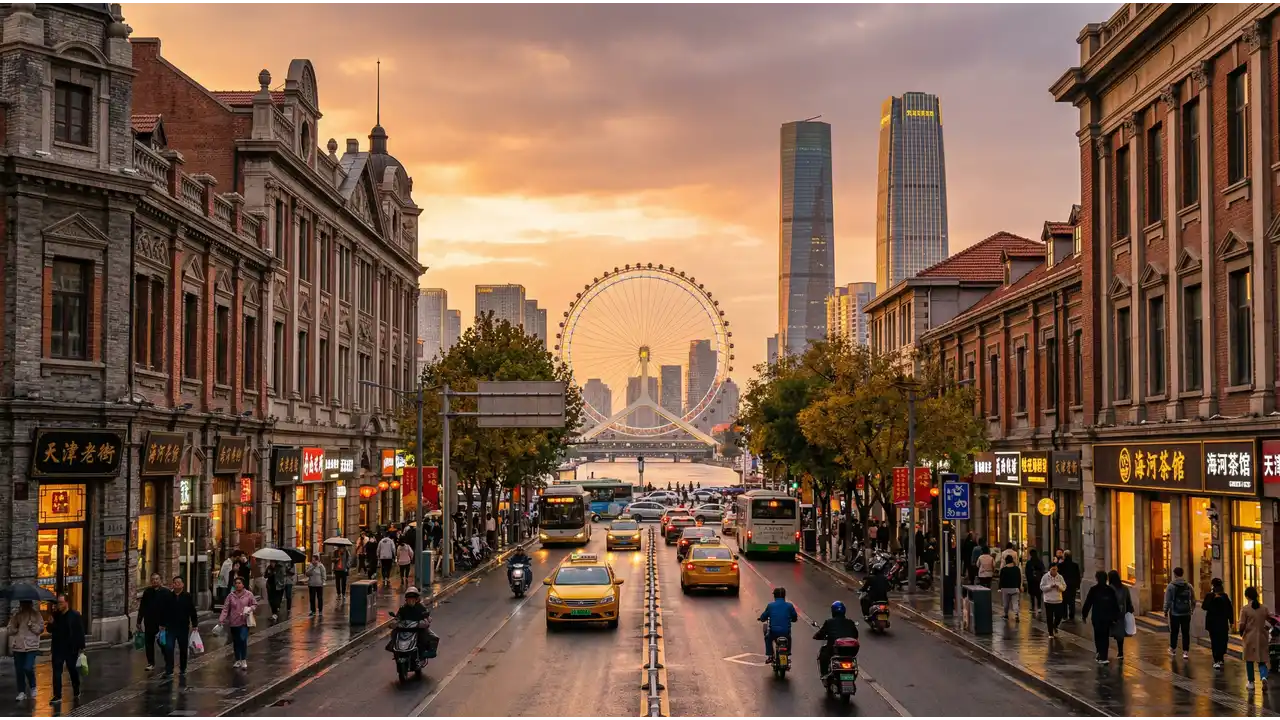
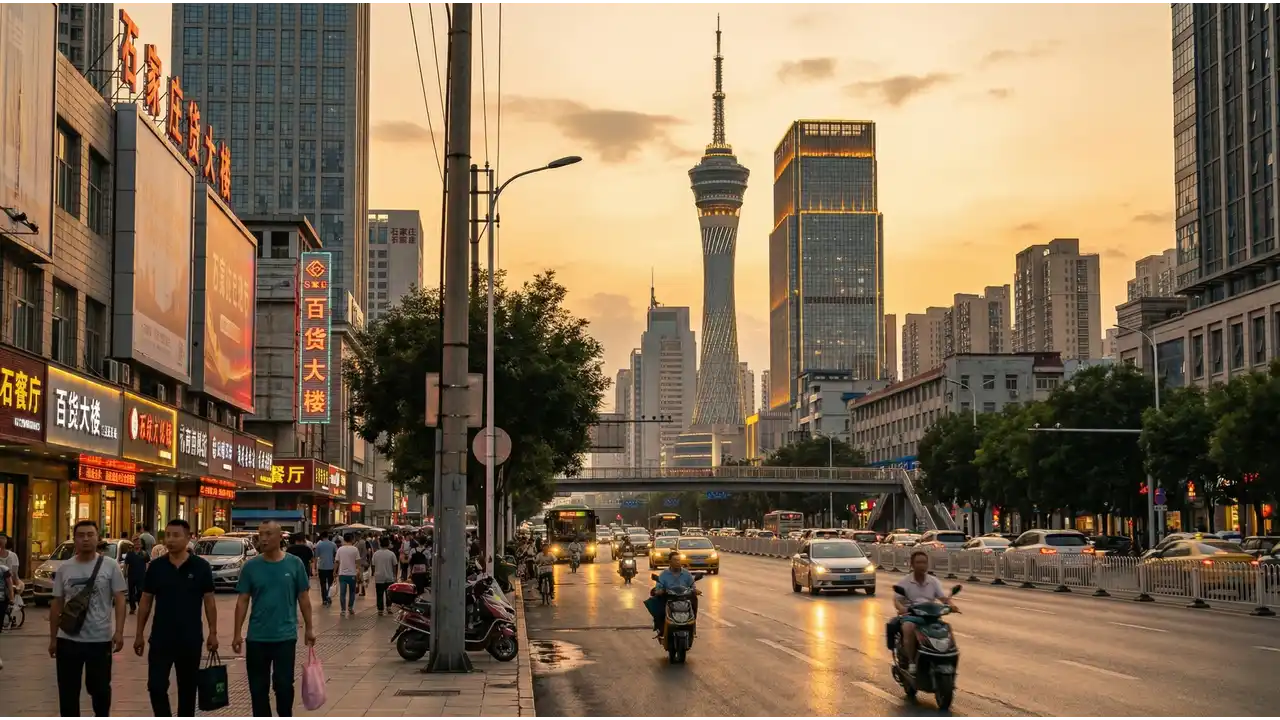
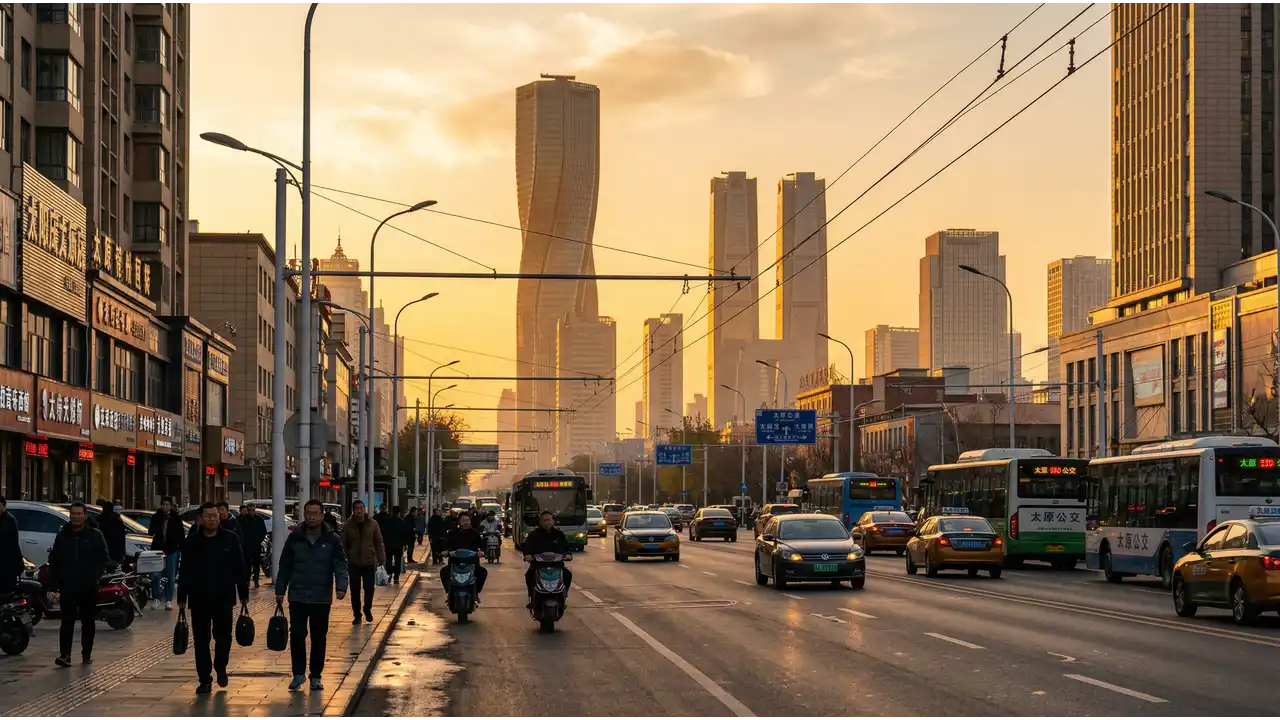
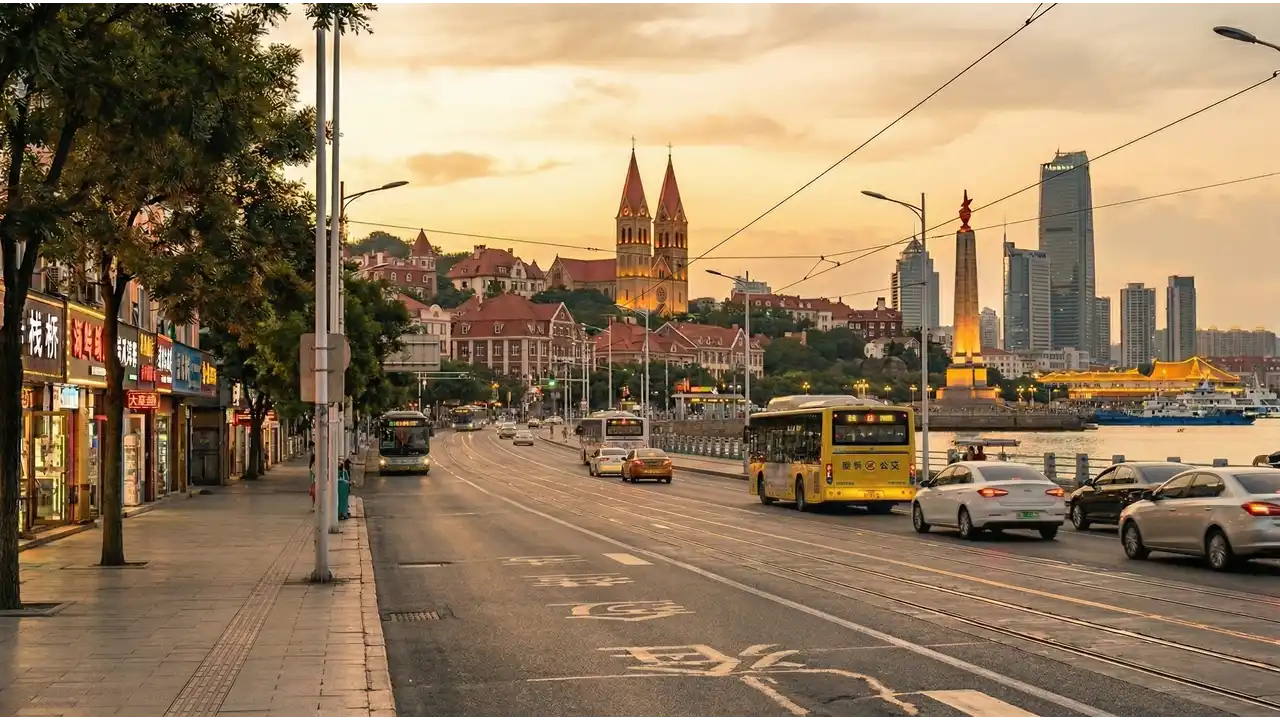
Beijing is China's political and cultural capital, home to 21 million people across sprawling districts connected by subway and car. The city has extreme seasons: scorching, dry summers and cold, gray winters with occasional heavy smog. Daily life revolves around neighborhood communities (hutongs in older areas, high-rise compounds elsewhere), street food markets, office parks, and near-constant construction. Expats, Chinese migrants, and lifelong residents live in distinct economic layers. Traffic is severe. The city moves fast and operates on Mandarin; English is less common than in Shanghai. Cost varies sharply by neighborhood and your access to local vs. expat pricing.
💡 Local Insights
Beijing · 2026
Beijing's cost of living sits at $1,575 per month for a moderate lifestyle, but the actual experience depends heavily on which tier you occupy. Housing runs $947 per month on average, with significant variation by location. Expats typically rent in managed compounds or newer apartments in Chaoyang, Haidian, or Tongzhou districts, where a one-bedroom foreign-oriented apartment ranges $800 to $1,200 per month. Chinese locals pay less for similar space in older hutongs or outer districts. Groceries cost $203 per month if you shop at wet markets and Chinese supermarkets (baozi, rice, vegetables are cheap); expat-oriented imports at Carrefour or Jingkelong cost 30-50% more. Eating out varies wildly: street noodles run $1 to $3, sit-down Chinese restaurants $4 to $8 per meal, expat cafes $10 to $20. Metro and bus passes cost $1 per ride or about $20 monthly unlimited. Taxis and rideshare (Didi) are cheap. Air quality affects healthcare spending (masks, air purifiers, medical visits). Expats often pay more for everything due to language barriers and preference for familiar brands, so actual costs can exceed $2,441 per month for comfortable living.
Frequently Asked Questions
How much does it cost to live in Beijing per month?
A moderate lifestyle in Beijing costs $1,575 per month. This covers rent, food, transport, utilities, and entertainment. The budget tier is $945 per month (spartan, Chinese-local lifestyle, shared housing, no car), while a comfortable tier runs $2,441 per month (private apartment, frequent dining out, regular activities, minor luxuries). Most expats spend closer to the comfortable figure because of preferences for familiar food, managed housing, and English-language services. Actual costs depend on neighborhood, language ability, and whether you use local or expat-oriented vendors.
What is the average rent in Beijing?
Average rent is $947 per month. A one-bedroom apartment in expat-heavy areas (Chaoyang, Haidian) runs $800 to $1,200 per month depending on amenities and proximity to subway. Older Chinese apartments in outer districts or hutongs cost $400 to $600 per month but often lack heating, air conditioning, or English-speaking landlords. Two-bedroom expat compounds range $1,100 to $1,600. Utilities (electricity, water, heating) add $40 to $80 monthly. Deposits typically equal one month's rent. Lease terms are usually 12 months. Prices fluctuate by season; winter heating costs spike November to February.
Is Beijing cheap to live in for expats?
Beijing is cheaper than Tokyo, Singapore, or Hong Kong, but not as cheap as Bangkok or Hanoi. The key distinction: expats pay 20-40% more than locals for identical goods and services due to language barriers, brand preferences, and vendor discrimination. A local eating street food, using wet markets, and speaking Mandarin might spend $945 per month comfortably. An expat using Carrefour, English-language restaurants, and managed housing typically needs $1,800 to $2,400 per month for the same lifestyle. Salaries for expat jobs (teaching, tech, finance) often range $2,000 to $4,000 per month, making it viable but not luxurious unless you work locally or have savings.
How much does food cost per month in Beijing?
Groceries average $203 per month if you shop local. Wet markets and Chinese supermarkets offer cheap staples: rice $0.50 per kg, cabbage $0.40 per kg, eggs $1.50 per dozen, pork $4 per kg, tofu $1 per block. Expat-oriented groceries (Carrefour, imported cheese, bread) cost 50-100% more. Eating out ranges widely: street noodles $1 to $2, Chinese sit-down restaurants $4 to $8 per meal, dumpling shops $2 to $4. Expat cafes and Western chains cost $12 to $25 per meal. Coffee at local shops is $1.50; Starbucks is $5 to $7. Cooking at home and eating Chinese food keeps costs down; relying on expat restaurants or imported goods pushes monthly food spending to $400 to $600.
What salary do you need to live comfortably in Beijing?
A comfortable lifestyle in Beijing costs $2,441 per month. This means private housing ($1,000 to $1,200), dining out 3-4 times weekly ($300 to $400), regular entertainment and activities ($150), utilities ($80), and transport ($50). Most expats targeting this tier earn $3,500 to $6,000 per month gross (teaching positions start at $2,000, corporate roles run $3,000 to $8,000). After taxes and contributions, take-home typically ranges $2,500 to $5,000 monthly. If you earn less than $2,500 per month, you can still live in Beijing but will need to budget tightly, eat mostly local food, and avoid expat social venues. Partner income or savings help buffer against visa uncertainty and currency risk.
How does the cost of living in Beijing compare to other places?
Beijing's moderate lifestyle costs $1,575 per month, with housing at $947 monthly. This puts it in the middle tier for major Asian cities. Hangzhou runs considerably cheaper at $1,100 for a moderate lifestyle and $517 for housing, making it a real alternative if you want lower expenses while staying in China. Seoul is noticeably pricier at $1,950 monthly overall, though housing costs less there at $841. Beirut operates as a near peer to Beijing at $1,625 monthly, despite lower housing costs of $787. Your budget stretch in Beijing depends heavily on neighborhood choice and whether you use local markets versus expat-oriented shops. For most foreign residents, the $1,575 figure assumes mixed spending: some local restaurants and transit, balanced with occasional international goods and imported conveniences.
Yes, but it requires a fully local lifestyle. The budget tier of $945 per month assumes shared student or worker housing ($300 to $400 per month), no car, wet market groceries ($120 to $150 per month), street food or cheap canteens ($150 to $200 per month), metro transport ($15 per month), and minimal entertainment. This budget cuts out expat social venues, travel, hobby spending, and most healthcare beyond basics. You must speak Mandarin or be comfortable navigating without English support. Most budget-tier residents are students, teachers on minimal contracts, or long-term residents with deep local connections. Expats targeting $945 per month typically find it stressful and isolating; realistic expat budgets start at $1,200 per month minimum.