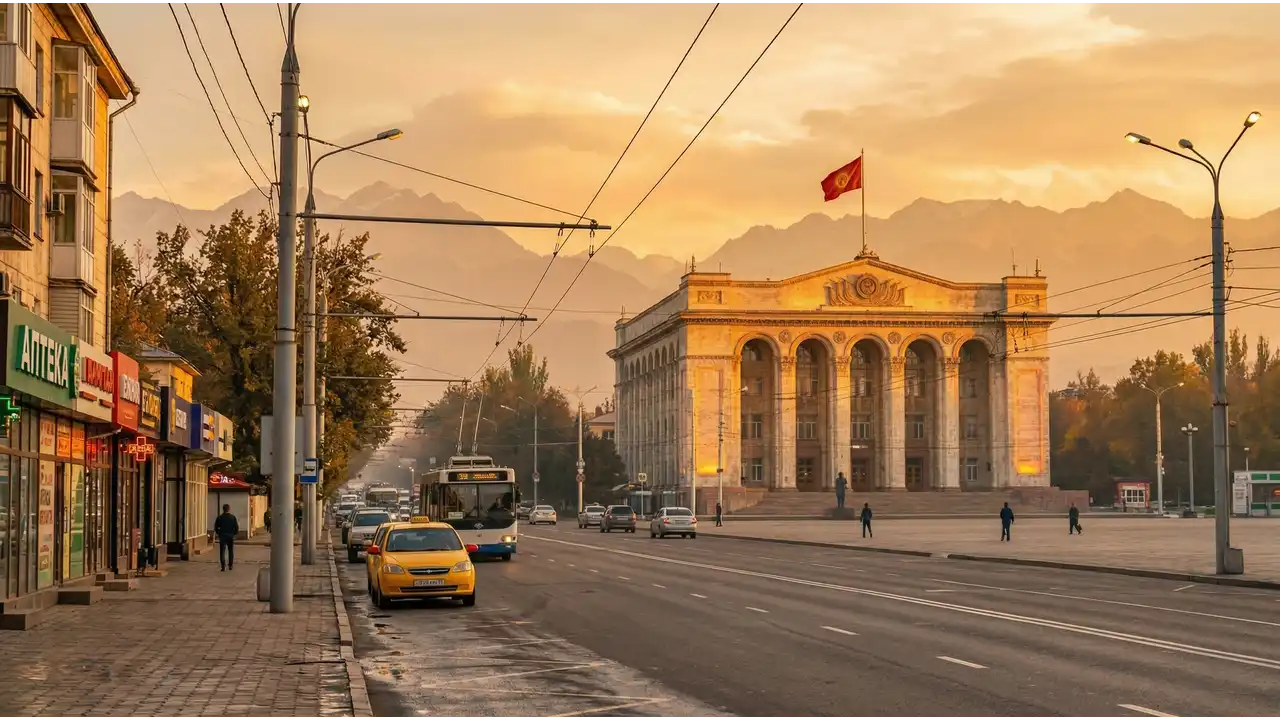
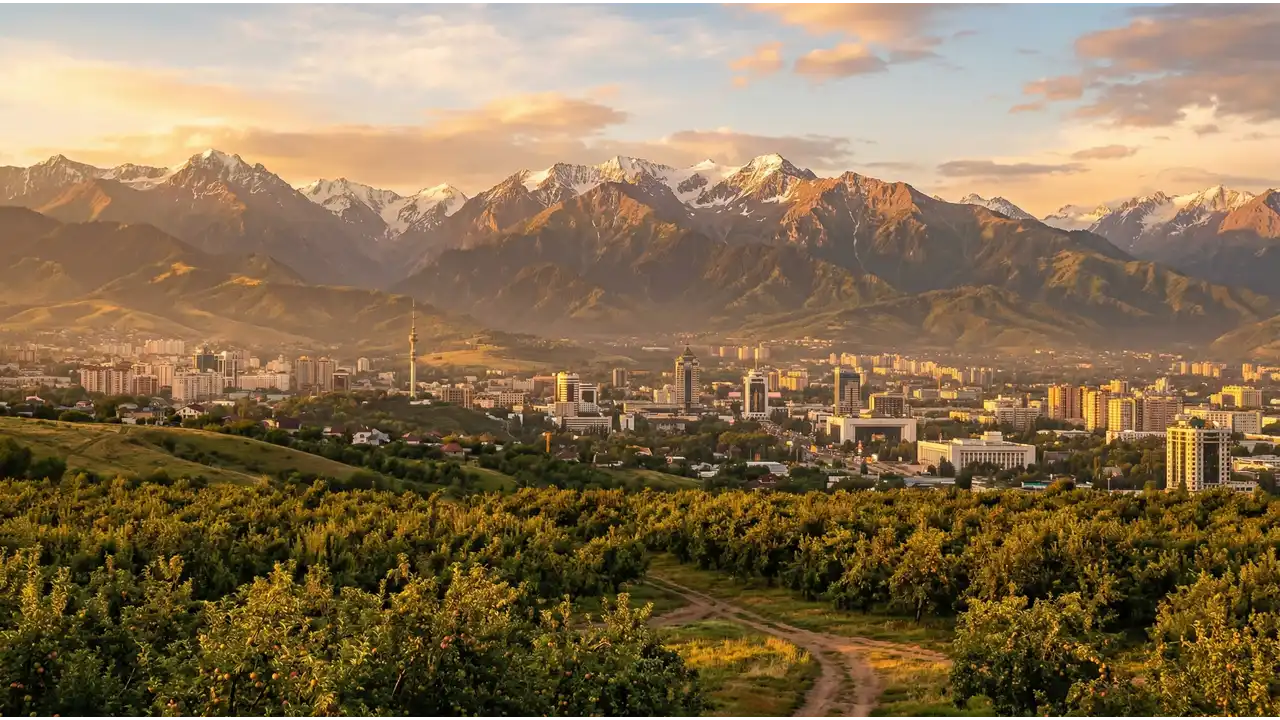
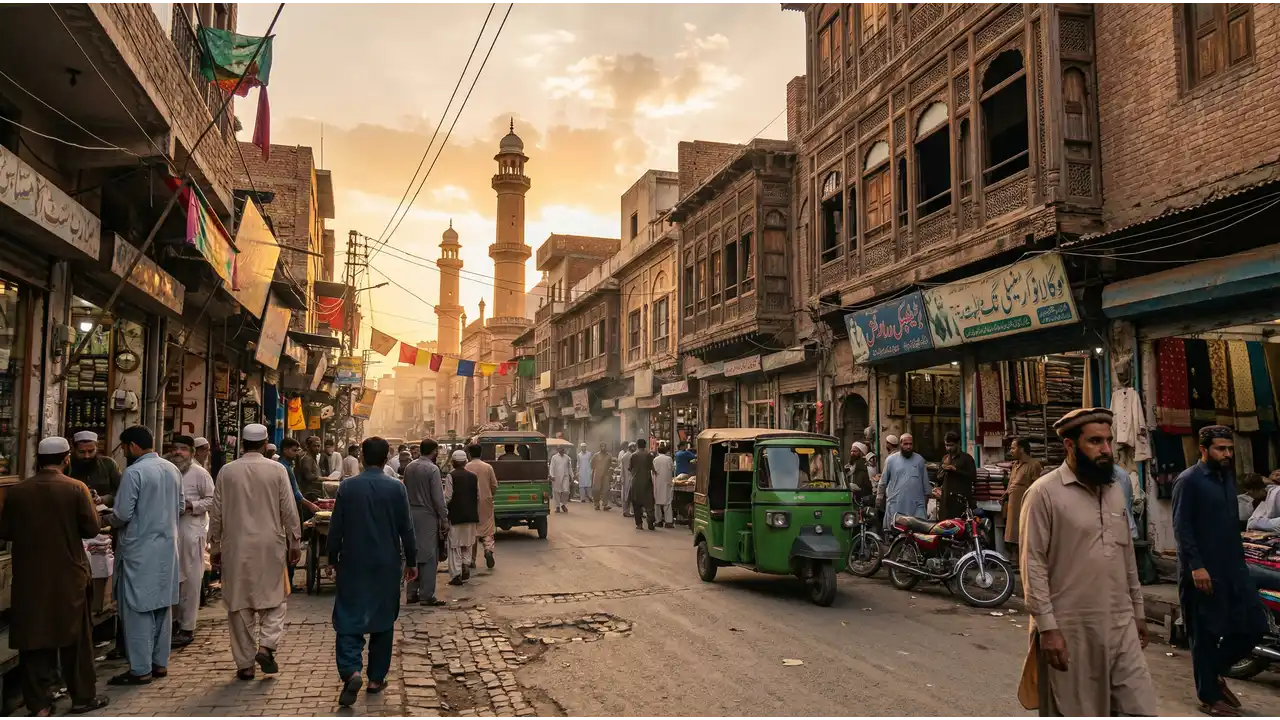
Bishkek is Kyrgyzstan's capital and largest city, sitting at 2,600 feet in the Chuy Valley with views of the Tian Shan mountains. Home to about one million people, it has a Soviet urban layout with tree-lined streets, Soviet-era apartments, and a growing expat community. Daily life centers on Ala-Too Square, the Old Bazaar, and neighborhoods like Panfilov and Oktyabrsky. Winters drop below freezing with occasional snow; summers reach the high 80s. The city is a hub for Central Asian travel, attracting NGO workers, teachers, and remote professionals. Russian is the common language; Kyrgyz is official. Food markets are lively, transport is cheap, and the pace is slower than Almaty or Tashkent.
💡 Local Insights
Bishkek · 2026
Bishkek is genuinely affordable for expats and locals alike. Housing runs around $492/month for a one-bedroom apartment in central neighborhoods like Panfilov or Oktyabrsky; shared housing or Soviet-era flats near the edges drop lower, while expat-preferred areas or new builds push toward $600-$700. Landlords often price in US dollars but will negotiate, especially for longer leases. Utilities (heating, water, electricity) add $40-$80 depending on season. Groceries cost roughly $156/month if you shop at the Dordoy Bazaar or neighborhood markets rather than upscale supermarkets. Meat, bread, and local produce are cheap; Western imports and alcohol cost more. A marshrutka (minibus) ride costs under $0.30; monthly passes run $6-$10. Eating out at local cafes (plov, lagman, shashlik) costs $2-$5 per meal. Expats often pay slightly higher rent than locals but face no major price discrimination otherwise. Cold-season heating costs spike December to March. Internet and mobile are reliable and cheap ($5-$15/month). The $975/month moderate budget assumes central housing, regular market shopping, and local transport.
Frequently Asked Questions
How much does it cost to live in Bishkek per month?
A moderate lifestyle costs $975/month. Housing averages $492/month for a one-bedroom in central areas. Groceries run $156/month if you shop markets rather than imported goods. The remaining budget covers utilities ($50-$80), transport ($8-$12), and dining out or entertainment ($150-$250). A budget tier of $585/month is possible if you live outside the center, cook all meals, and use only marshrutkas. A comfortable lifestyle with dining out regularly, a larger apartment, and more flexibility costs around $1,511/month.
What is the average rent in Bishkek?
One-bedroom apartments average $492/month. Central neighborhoods like Panfilov, Oktyabrsky, and near Ala-Too Square run $450-$550 for a one-bedroom. Studio apartments or smaller Soviet-era flats go $350-$450. Two-bedroom apartments in the same areas range $650-$850. Newer buildings or expat compounds charge $700-$1,000. Neighborhoods farther out (Vostok, Dordoy) drop to $300-$400. Most landlords quote in US dollars and prefer three-to-twelve-month leases. Utilities are typically paid separately. Furnished apartments command a 10-20 percent premium over unfurnished.
Is Bishkek cheap to live in for expats?
Yes. Bishkek is substantially cheaper than expat hubs like Almaty, Bangkok, or Hanoi. A comfortable lifestyle costs $1,511/month here versus $2,000-$2,500 elsewhere in Asia. Housing, food, and transport are the biggest advantages. Expats do pay slightly more rent than locals, but landlords typically do not practice major price inflation. The catch: visa regulations require proof of funds and work permits are restrictive. Medical care and Western groceries are limited; expats often fly out for serious procedures. Internet and banking work reliably. The expat community is small but stable, concentrated in central neighborhoods and familiar with the cost structure.
How much does food cost per month in Bishkek?
Groceries average $156/month for basic, local shopping. A kilo of chicken breast costs $3-$4; a kilo of potatoes, $0.30-$0.50; bread, $0.25-$0.40 per loaf; eggs, $1-$1.50 per dozen. The Dordoy Bazaar and smaller neighborhood markets are cheapest. Supermarkets like Vef or Goodwill charge 30-50 percent more. Eating out is affordable: a plov or lagman at a local cafe costs $1.50-$3; a beer, $0.75-$1.50. Imported goods (cheeses, specialty oils, Western snacks) triple the base price. Restaurant meals for expats run $8-$15.
What salary do you need to live comfortably in Bishkek?
A comfortable lifestyle requires about $1,511/month. That covers a nice one-or-two-bedroom apartment ($550-$700), regular dining out, entertainment, travel within Kyrgyzstan, and a buffer for surprises. In annual terms, roughly $18,000-$19,000 USD provides genuine comfort without constant budgeting. Remote workers earning that amount have no financial stress. Local salaries (even professional jobs) often run $400-$800/month, which is why expats and foreign income earners have a significant advantage. The $975/month moderate budget works for disciplined expats or those prioritizing savings; the $1,511 figure assumes you want margin for spontaneity and visits home.
How does the cost of living in Bishkek compare to other places?
Bishkek is genuinely affordable for a moderate lifestyle at $975 per month, with housing running $492 per month. That makes it noticeably cheaper than Baku, where a moderate lifestyle costs $1,025 monthly. If you're coming from somewhere like Muscat, the difference is stark: Muscat runs $1,350 per month for the same standard of living, with housing at $578. Delhi is the only comparison point that undercuts Bishkek significantly, at $675 per month overall. For most Westerners and expats from the Gulf or Europe, Bishkek offers real financial breathing room. Your rent and utilities stay low, and eating locally keeps food costs minimal. The main trade-off is access to familiar products and services, which often cost more than back home. If budget is your priority, Bishkek delivers.
Yes, but with strict trade-offs. A budget tier of $585/month works if you live outside the center ($250-$350 rent), cook all meals from market groceries ($120-$140), use only marshrutkas, and skip dining out and entertainment. That leaves roughly $100 for utilities, phone, and contingency. It is feasible for long-term residents who know the city and accept minimal social spending. Short-term visitors or those unfamiliar with markets will find it tight. Expats on this budget typically live in shared housing or commit to staying put. Local Kyrgyz families live on similar amounts, but they have established networks and family support expats lack. Plan for $700-$800/month minimum if you want any lifestyle flexibility.