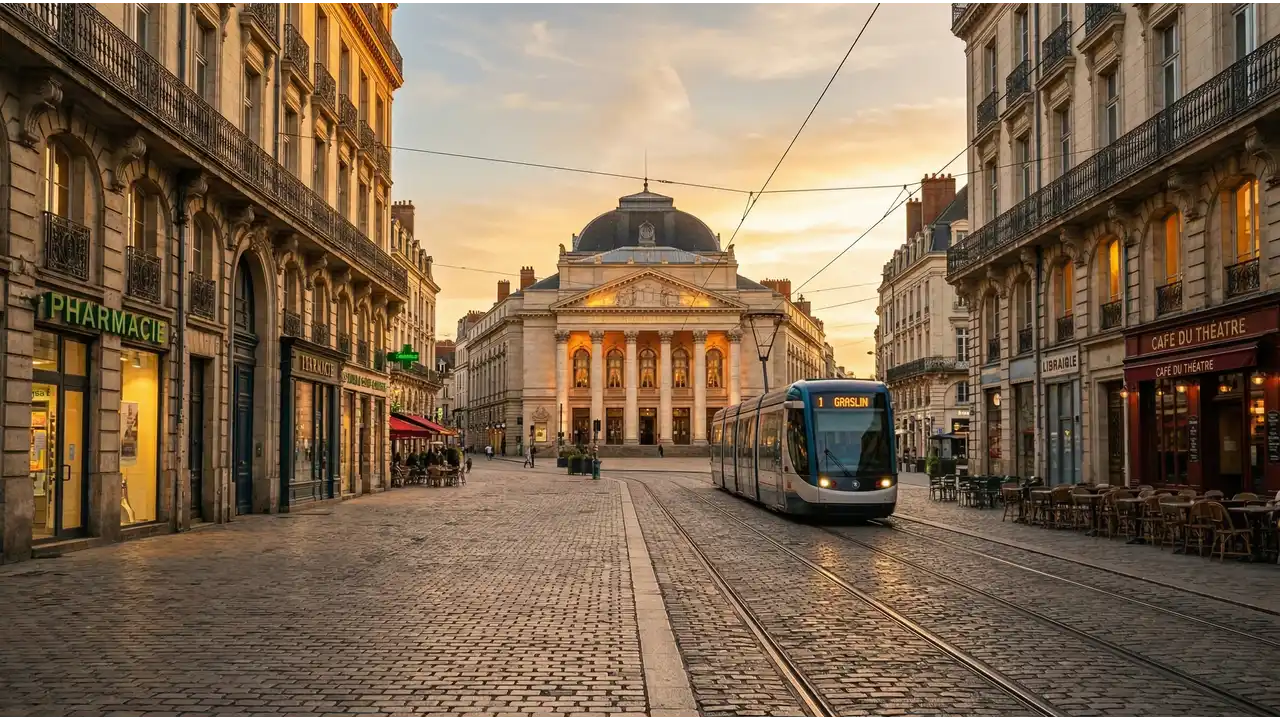
Bordeaux is a mid-sized city of around 250,000 people in southwestern France, known for wine production and 18th-century architecture. Daily life centers on the Garonne River waterfront, markets, and local cafes. The climate is temperate with mild winters and warm summers. The population mixes long-term residents, families, students (from the university), and a steady stream of expats working in wine, tech, and education sectors. Public transport runs on trams and buses. The pace is notably slower than Paris, with siestas still observed in some quarters. Food culture revolves around regional specialties like canele pastries, fresh produce markets, and local wines at accessible prices.
💡 Local Insights
Bordeaux · 2026
Bordeaux costs roughly 20 percent less than Paris but more than smaller regional towns. Housing at $918/month reflects a mix of compact studio rentals in central neighborhoods (Chartrons, Saint-Michel) and larger one-bedroom flats in quieter areas like Bacalan or Cauderan. Furnished short-term rentals cost 15-25 percent more and are common for expats. Utilities (electricity, water, internet) add $100-130/month. Groceries at $373/month are reasonable if you shop markets and supermarkets like Carrefour or local chain Intermarche. Wine is cheap (local bottles under $5), but imported goods and organic items cost more. Public transport passes are around $55/month for unlimited tram and bus access. Eating out ranges from $8 lunch menus to $25-40 for dinner at mid-range restaurants. Expats often find English spoken in tech and tourism sectors but rarely elsewhere, so language ability affects housing search and service costs. Winter heating and spring/summer cooling both run year-round, driving utility variance.
Frequently Asked Questions
How much does it cost to live in Bordeaux per month?
A moderate lifestyle in Bordeaux costs approximately $2,075/month. This breaks down as housing ($918/month), groceries ($373/month), utilities and transport ($155/month), and dining, entertainment, and miscellaneous expenses ($629/month). A budget tier costs $1,245/month if you minimize dining out and rent a small studio in outer neighborhoods. A comfortable lifestyle with a spacious apartment, regular restaurant visits, and more flexibility runs $3,216/month. Actual costs vary significantly by neighborhood and personal habits.
What is the average rent in Bordeaux?
Monthly rent in Bordeaux averages $918 for a one-bedroom apartment in moderate neighborhoods. Studio rentals in central areas (Chartrons, Gambetta) run $650-750/month. One-bedroom flats range from $850-1,100 depending on location and condition. Two-bedroom apartments cost $1,200-1,500/month. Popular expat areas like Bacalan offer newer construction at the higher end of these ranges. Outer neighborhoods (Pessac, Talence) are 15-20 percent cheaper but require tram access. Furnished rentals for short-term stays cost 20-30 percent more. Landlords often require proof of income at three times the monthly rent.
Is Bordeaux cheap to live in for expats?
Bordeaux is moderately priced for expats relative to western European standards. It costs significantly less than Paris, London, or Amsterdam but slightly more than Spain's major cities. At $2,075/month for a moderate lifestyle, it is affordable for professionals earning $35,000-45,000 annually but tight on lower salaries. Expats with employer support or remote income find it comfortable. The main expense for newcomers is initial housing search and furnished short-term rentals while settling in. French bureaucracy (healthcare registration, tax numbers) takes time but carries no direct cost. Language barriers occasionally inflate service costs.
How much does food cost per month in Bordeaux?
Groceries run approximately $373/month for a single person cooking at home. Local markets and Intermarche supermarkets offer the best value. Bread ($0.80/baguette), milk ($1.20/liter), eggs ($2.50/dozen), cheese ($8-12/lb), and seasonal produce are inexpensive. Wine is very cheap ($4-8/bottle for local Bordeaux). Eating out costs $10-15 for casual lunch, $25-40 for dinner at mid-range restaurants, and $50+ for fine dining. Weekly market shopping at Marche Quinconces saves money versus supermarkets. Organic produce and imported goods cost 30-50 percent more.
What salary do you need to live comfortably in Bordeaux?
A comfortable lifestyle in Bordeaux requires approximately $3,216/month in expenses, which typically translates to a net monthly income of $3,500-4,000 (accounting for taxes). In annual terms, a gross salary of $50,000-55,000 provides reasonable comfort for one person. This budget covers a pleasant one-bedroom or small two-bedroom apartment ($1,000-1,200/month), regular dining out, leisure activities, and travel savings. Couples often pool income and achieve greater comfort on combined salaries of $60,000-70,000 gross. Expats on company packages often receive additional housing allowances or furnished accommodations, effectively lowering personal outlays.
How does the cost of living in Bordeaux compare to other places?
Bordeaux sits in the moderate middle of Western European pricing. A moderate lifestyle in Bordeaux costs $2,075 per month, with housing at $918 monthly. This puts it slightly above Valencia, where a moderate lifestyle runs $2,000 per month, though Valencia's housing is notably pricier at $1,133 per month. If you're coming from Paris, you'll notice immediate relief: Paris costs $2,925 per month with housing at $1,611. That's roughly 40 percent more overall. Bordeaux is significantly more expensive than Eastern European alternatives like Riga, which runs $1,450 monthly with housing at $545, but you're paying for Western European infrastructure, food quality, and proximity to the Atlantic coast. For most people relocating from major Western cities, Bordeaux offers real savings without sacrificing urban amenities.
Yes, but with strict constraints. The budget tier of $1,245/month requires renting a small studio (maximum $700/month) in outer neighborhoods, cooking nearly all meals, and using public transport exclusively. Groceries stay within $300/month through market shopping and avoiding processed foods. This leaves roughly $245/month for utilities, transport, phone, and minimal personal spending. Dining out becomes rare (once or twice monthly). Unexpected expenses (medical, clothing, household) force tradeoffs. This budget works for students, remote workers with low cost bases, or those with subsidized housing. It is sustainable short-term but uncomfortable long-term for most adults.