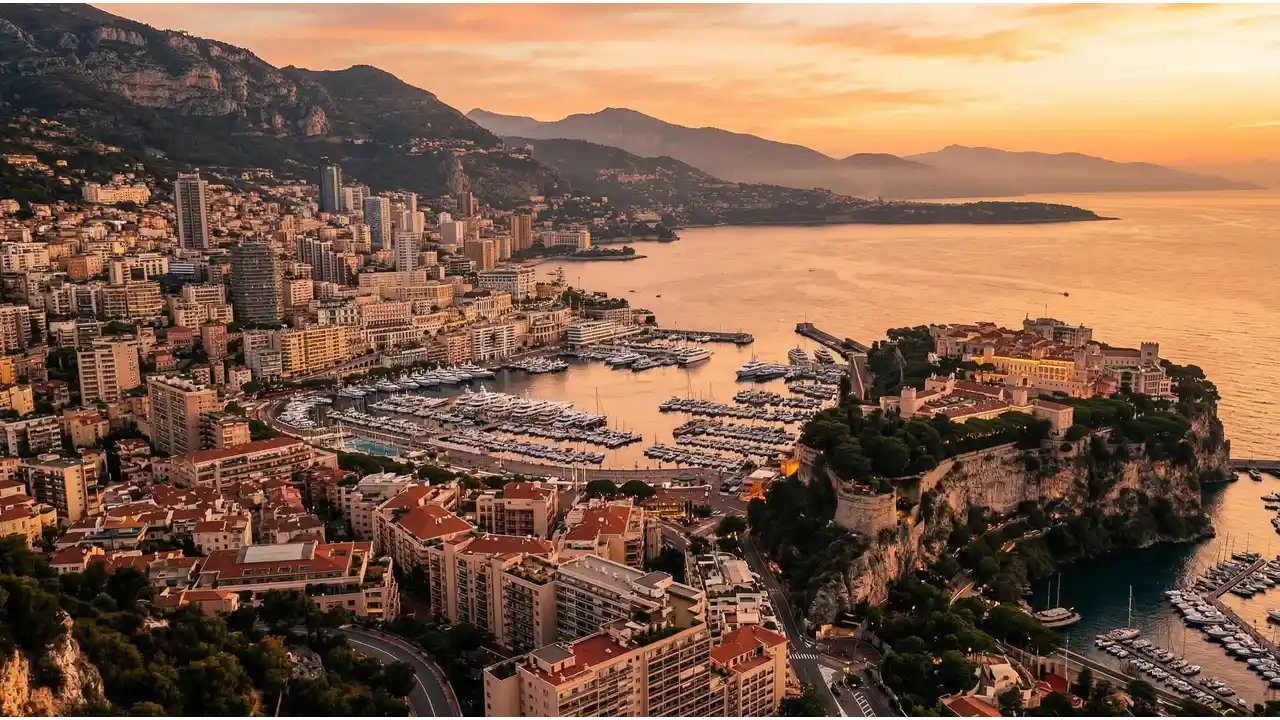
Bosnia & Herzegovina is a small Balkan country of about 3.3 million people, known for its Ottoman and Austro-Hungarian architecture, mountains, and rivers. Daily life centers on its major cities: Sarajevo, Banja Luka, and Mostar. Winters are mild to cold in cities, snowy in highlands. Summers are warm. The country has a mix of Muslim Bosniaks, Orthodox Serbs, and Catholic Croats, with distinct regional character. Work culture is informal compared to Western Europe. Shopping happens at open-air markets and local supermarkets. Public transport relies on buses and trams in larger cities. Outside tourist areas, English proficiency is limited.
💡 Local Insights
Bosnia & Herzegovina · 2026
Bosnia & Herzegovina ranks among Europe's least expensive countries for expats, primarily because housing and food are genuinely cheap. A moderate lifestyle costs $1,175/month. Housing runs $332/month, typically for a one-bedroom apartment in a central neighborhood. Outside the city center, you can find places for $250-300/month. Groceries cost $272/month for one person, buying locally at markets and supermarkets. A kilo of local tomatoes costs $1-2, chicken $4-5 per kilo, bread $0.50-1. Eating at casual local restaurants runs $3-6 per meal. Public transport is inexpensive: a monthly bus pass in Sarajevo costs $10-15. Expats often pay slightly more for certain goods and restaurants in tourist areas. Utilities (electricity, water, heating) add $50-80/month depending on season and apartment size. Phone plans and internet are cheap ($5-15/month). Healthcare is affordable for residents. The biggest variable is whether you're in a capital city or smaller town.
Frequently Asked Questions
How much does it cost to live in Bosnia & Herzegovina per month?
A moderate lifestyle costs $1,175/month. This breaks down to housing at $332/month, groceries at $272/month, utilities around $60-80, transport $10-15, and the remainder on dining out, entertainment, and personal items. A budget tier lifestyle runs $705/month if you stay in a small apartment outside the center, cook all meals, and avoid paid entertainment. A comfortable tier with more space, regular dining out, and travel runs $1,821/month.
What is the average rent in Bosnia & Herzegovina?
Average rent for a one-bedroom apartment in a central neighborhood is $332/month. In Sarajevo's city center, you might pay $350-400/month for a decent one-bedroom; outside the center, $250-300/month. Banja Luka and Mostar are slightly cheaper, $250-320/month for central one-bedrooms. Two-bedroom apartments in central areas run $450-550/month. Utilities typically add $50-80/month depending on season and heating needs. Landlords often require deposits equal to one or two months' rent.
Is Bosnia & Herzegovina cheap to live in for expats?
Yes, among Europe's cheapest. Rent and groceries are significantly lower than Western Europe, Scandinavia, or urban UK. An expat on $1,500-1,800/month can live comfortably. However, don't expect the bargain wages you might find in Southeast Asia. Salaries are lower too, so employment-based moves require local salary research. Expats in Sarajevo report that lifestyle quality is high relative to cost, though some services and imported goods carry expat markups. Language barriers and administrative complexity are bigger challenges than cost itself.
How much does food cost per month in Bosnia & Herzegovina?
Groceries for one person average $272/month buying at local markets and supermarkets. Specific costs: bread $0.50-1, local tomatoes $1-2/kg, chicken $4-5/kg, eggs $2-3 per dozen, milk $1.50-2/liter, cheese $3-5, rice $1-2/kg. Open-air markets in Sarajevo and other cities offer fresher produce at lower prices than supermarkets. Eating out at casual local restaurants costs $3-6 per meal. Coffee in a café runs $1-2. Western imported goods (certain cheeses, meats, packaged items) cost significantly more.
What salary do you need to live comfortably in Bosnia & Herzegovina?
A comfortable lifestyle costs $1,821/month. That's roughly $21,850/year, or about $1,520/month net income if you account for taxes (tax rates vary by entity). For employment, local salaries in professional jobs typically range $600-1,200/month, so relying on local work alone is tight unless you have savings or remote income. Most expats living comfortably have remote work, freelance income, pensions, or savings. If you're relocating with a remote job paying $2,000/month, you'll live well. That salary would be above-average locally and buys significant comfort.
How does the cost of living in Bosnia & Herzegovina compare to other places?
Bosnia & Herzegovina is genuinely affordable compared to most of Western Europe. A moderate lifestyle costs $1,175 per month, with housing at $332 per month. That puts it slightly cheaper than Romania, where a moderate lifestyle runs $1,225 with housing at $492 per month. If you're coming from Poland, you'll notice the difference immediately: Poland costs $1,650 monthly with housing at $754. Ukraine is cheaper still at $800 per month, though its housing costs remain similar to Bosnia & Herzegovina at $336 per month. For someone relocating from Western Europe or North America, Bosnia & Herzegovina offers substantial savings without requiring major lifestyle compromises. Your money stretches furthest on rent and utilities, which is where the real advantage appears.
Can you live in Bosnia & Herzegovina on $705/month?
Yes, but tightly. That's the budget tier. You'd rent a small one-bedroom outside the city center ($200-250/month), cook all meals from groceries ($200-220/month), keep utilities minimal ($60/month), and spend minimally on transport and entertainment. You'd have little to spare for eating out, travel, or unexpected costs. This works if you're disciplined and comfortable with a basic lifestyle. You'd likely skip paid entertainment, rarely eat in restaurants, and not travel. It's feasible long-term in a smaller city like Mostar but more stressful in Sarajevo where social life costs more.