Bucharest is Romania's capital and largest city, home to about 1.8 million people in the metropolitan area. The city sits on the Danube plain in southeastern Europe, with a continental climate: cold winters (around 32°F or 0°C) and warm summers (75°F or 24°C). Daily life centers on central neighborhoods like Lipscani (the old town) and Dorobanți, where locals navigate a mix of Soviet-era communist architecture, interwar buildings, and modern development. Public transport is cheap and extensive. Romanian is the official language, though English is common among younger residents and in expat circles. The city has a distinct Eastern European character: slower pace than Western capitals, strong street cafe culture, and a thriving arts scene.
💡 Local Insights
Bucharest · 2026
Bucharest remains one of Europe's more affordable capitals, though costs have risen steadily. Housing averages $578/month and varies by neighborhood. Lipscani and central areas command higher rents ($650-$850/month for a one-bedroom apartment), while outer districts like Obor or Dorobanți offer cheaper options ($450-$550/month). Utilities add $60-$100/month. Grocery costs run about $249/month for basic cooking. Eating out is inexpensive: a restaurant meal costs $4-$8, a coffee $1-$2. Local markets (Obor, Piața Amzei) offer cheaper produce than supermarkets. Public transport (metro, tram, bus) costs $0.50 per ride or about $15/month for unlimited passes. Expats often pay more for housing and Western goods, but significantly less than in Prague or Budapest. Real costs depend heavily on neighborhood choice and whether you shop local or seek imported products.
Frequently Asked Questions
How much does it cost to live in Bucharest per month?
A moderate lifestyle in Bucharest costs around $1,350/month. This covers rent ($578/month), groceries ($249/month), utilities ($80/month), public transport ($15/month), and discretionary spending on dining, entertainment, and personal care ($428/month). A tighter budget runs $810/month if you live outside the center and cook entirely at home. A comfortable lifestyle with dining out regularly, private transport, and more leisure spending reaches $2,093/month. Individual costs vary based on neighborhood, lifestyle choices, and whether you seek local or Western goods.
What is the average rent in Bucharest?
Average rent is $578/month, though this varies substantially by location and property type. Central neighborhoods like Lipscani and Dorobanți typically run $650-$850/month for a one-bedroom apartment. Outer districts like Obor, Colentina, or Pantelimon offer one-bedroom rentals for $450-$550/month. Two-bedroom apartments in central areas range $800-$1,100/month, while outer zones cost $550-$750/month. Furnished apartments rent higher, often 10-20% above unfurnished equivalents. Utilities (heating, water, electricity, internet) add $60-$100/month. Most rentals require proof of income and deposits equal to one or two months' rent.
Is Bucharest cheap to live in for expats?
Yes, but with caveats. Bucharest is genuinely affordable compared to Western European capitals: rent, food, and transport cost substantially less than in Prague, Budapest, or Warsaw. However, expats typically pay more than locals, especially for housing and imported goods. A local eating street food and shopping at neighborhood markets spends less than an expat buying familiar products from supermarkets. Neighborhoods with expat concentrations (Lipscani, Dorobanți) have inflated rents. The real advantage lies in modest spending: local dining, public transport, and proximity to nature make $1,350/month viable for a solid quality of life. Newcomers should budget for a 2-4 week housing search before arrival.
How much does food cost per month in Bucharest?
Groceries average $249/month for one person eating at home. Staples are cheap: bread ($0.60), milk ($1.20/liter), eggs ($1.80/dozen), chicken ($3.50/pound), rice ($0.80/pound). Local markets like Piața Amzei offer produce cheaper than supermarkets: tomatoes ($0.80/pound), potatoes ($0.50/pound). Eating out is inexpensive: a restaurant meal costs $4-$8, a beer $1-$2, coffee $1-$1.50. Convenience stores and chain supermarkets (Carrefour, Lidl) are pricier but stocked with imported goods at Western European prices. Cooking at home saves money compared to dining out frequently.
What salary do you need to live comfortably in Bucharest?
A comfortable lifestyle costs around $2,093/month. This supports dining out several times weekly, weekend entertainment, private taxi use or car ownership, gym membership, and regular leisure spending. At current exchange rates, this translates to roughly $25,000 annually, or about $2,000/month in take-home pay. In local terms, this aligns with upper-middle-class earners in Bucharest (roughly 10,000-12,000 RON/month gross). Remote workers earning in USD or EUR find this lifestyle accessible. Local salaries in professional fields (IT, finance) average 6,000-8,000 RON/month (around $1,200-$1,600), making the comfortable threshold achievable but not trivial for local earners.
How does the cost of living in Bucharest compare to other places?
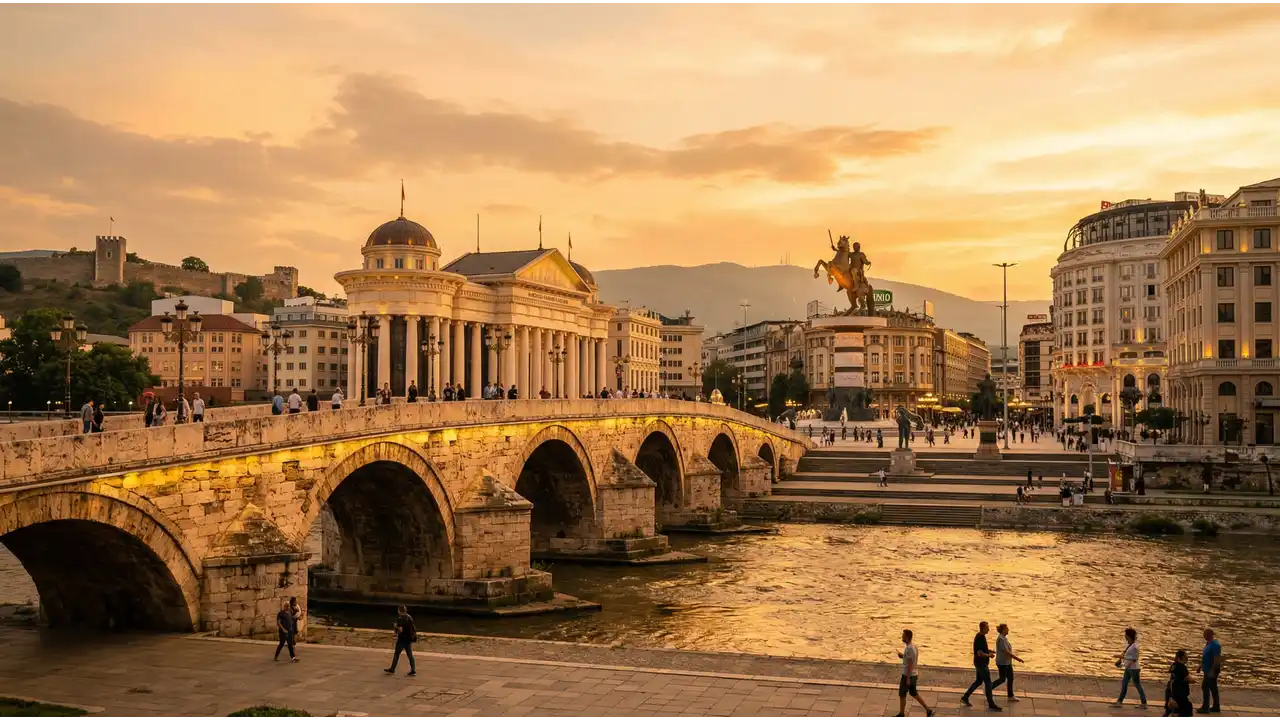
Bucharest is genuinely affordable by European standards. A moderate lifestyle here costs $1,350 per month, with housing at $578 per month, putting it well below Western European cities. For context, Malaga runs $1,900 monthly with housing at $1,030, making it roughly 40 percent more expensive overall. Bucharest sits close to other Central European peers like Riga, which costs $1,450 per month, though Bucharest's housing is slightly higher there. If you're willing to live more simply, Skopje comes in notably cheaper at $1,000 per month with housing at $365, but you'll find Bucharest offers more job opportunities and cultural amenities. The real advantage is that your money stretches significantly further in Bucharest than in most other European capital cities, particularly for rent.
Yes, but with discipline and specific choices. The budget tier is $810/month. This requires living in outer neighborhoods (Obor, Pantelimon, Colentina) in a one-bedroom apartment ($450-$550/month), cooking almost entirely at home ($200/month groceries), using only public transport ($15/month), and minimal entertainment or dining out. Utilities, phone, and internet consume roughly $70/month. This leaves almost nothing for unexpected costs, medical care, or travel. It is livable for locals or extremely frugal expats, but leaves no margin for error. Any emergency (dental work, appliance replacement) strains the budget severely. Most expats should aim for $1,100-$1,350/month for sustainability and some comfort.