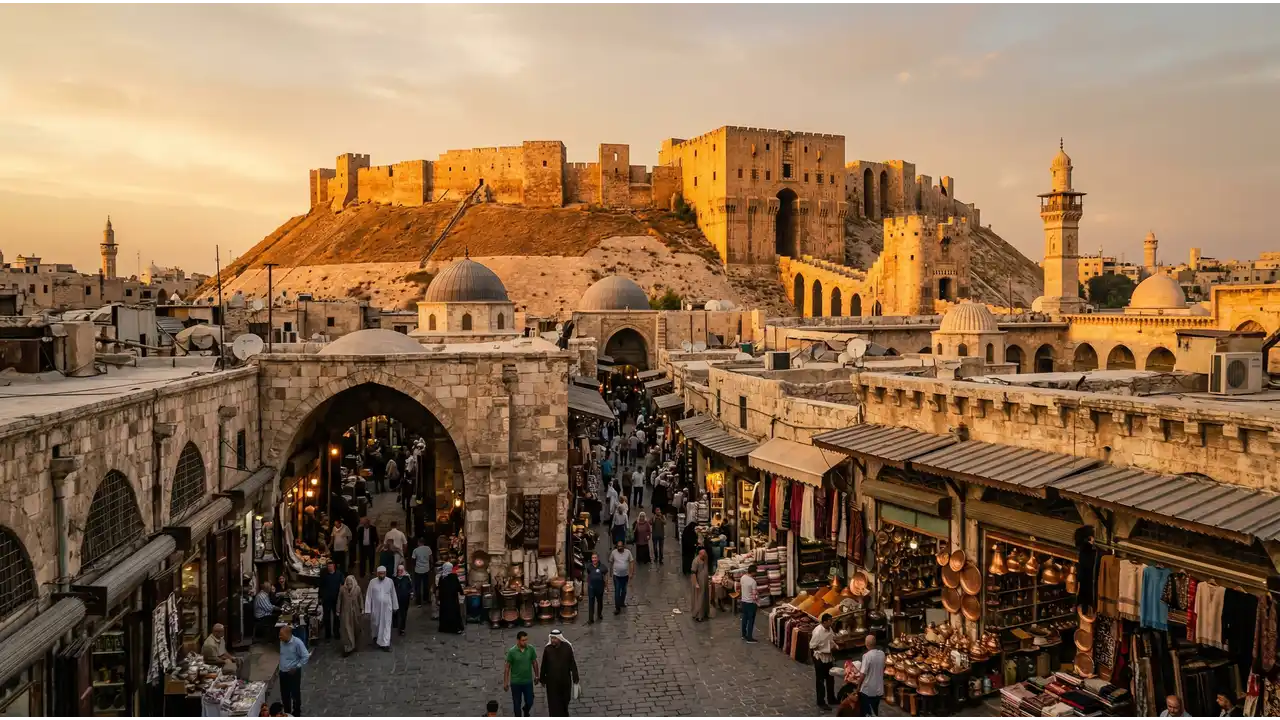
Bursa is Turkey's fourth-largest city, located in northwestern Anatolia near the Sea of Marmara. It serves as an industrial and commercial hub, particularly for textiles and automotive manufacturing. The city has a mix of Ottoman heritage (former capital), modern neighborhoods, and working-class residential areas. Summers are warm and dry; winters bring rain and occasional snow. The population is largely Turkish, with a small expat community concentrated in newer developments. Daily life centers on local markets, tea gardens, and family-oriented routines. Traffic is congested during peak hours. Public transport relies on minibuses and trams.
💡 Local Insights
Bursa · 2026
Bursa costs roughly 40 percent less than Istanbul and 50 percent less than Western Europe at comparable living standards. Housing at $394/month covers modest one-bedroom apartments in central neighborhoods like Osmangazi or Nilüfer, or better-equipped units in suburban areas. Buying property involves negotiating with local agents; furnished rentals are common. Groceries run $212/month for a single person cooking at home. Local produce from weekly pazar (markets) costs half what chain supermarkets charge. Eating out at neighborhood kebab shops costs $2 to $4 per meal. Transport is cheap: minibus fares are under $0.50 per journey. Utilities (electricity, water, gas, internet) average $80 to $120/month depending on season and usage. Expats rarely pay more than locals for rentals if they speak Turkish or hire a local broker. Healthcare is affordable through public clinics or private hospitals. New arrivals should expect slower bureaucracy and fewer English speakers outside central areas.
Frequently Asked Questions
How much does it cost to live in Bursa per month?
A moderate lifestyle in Bursa costs around $1,050/month. This breaks down roughly as: rent $394, groceries $212, utilities $100, transport $30, dining out and entertainment $200, and miscellaneous $114. A tighter budget of $630/month is possible if you live outside the center and cook most meals. A comfortable lifestyle with dining out regularly, private transit, and recreational activities runs closer to $1,628/month. These figures are consistent with living as a local does, not as a tourist.
What is the average rent in Bursa?
Average rent is around $394/month. A one-bedroom apartment in central Osmangazi or Nilüfer districts rents for $300 to $450/month unfurnished. Smaller studios or rooms on the periphery run $250 to $350. Two-bedroom units in decent condition average $450 to $600. Furnished apartments cost 10 to 20 percent more. Prices vary by proximity to the city center, building age, and amenities like heating type. Landlords often prefer long-term tenants and may reduce rent for 12-month leases. Negotiation is standard; posted prices are not final.
Is Bursa cheap to live in for expats?
Yes, Bursa is genuinely affordable for expats, roughly 30 to 40 percent cheaper than cities like Ankara or Istanbul. Housing, food, and transport are the main savings. The trade-off is fewer English-language services, less international food variety, and a slower pace of life outside the center. Expats with basic Turkish adapt quickly and save substantially. Those requiring Western-level services or English-speaking staff will spend more. The cost advantage remains significant even accounting for these preferences. Long-term residents report comfortable lifestyles on $1,200 to $1,400/month.
How much does food cost per month in Bursa?
Groceries for one person average $212/month when cooking at home. Weekly market produce is cheapest: tomatoes, peppers, onions run $0.30 to $0.60/pound. Bread costs $0.50/loaf, eggs $1.50/dozen, chicken $3 to $4/pound at local butchers. Imported goods at chain supermarkets cost twice as much. Eating out is affordable: a full kebab meal with bread and drink costs $2 to $3, a cafe tea is $0.50. A monthly dinner out at a mid-range restaurant costs $8 to $12 per person. Families cooking traditional Turkish meals spend less; those buying processed foods spend more.
What salary do you need to live comfortably in Bursa?
A comfortable lifestyle costs around $1,628/month. This budget includes pleasant housing with heating and good condition, regular dining out, private car use or regular taxi rides, fitness memberships or hobbies, and modest travel. In practical terms, a gross monthly income of $1,900 to $2,100 USD (accounting for minimal taxes on foreign income or local employment) provides this standard of living without financial stress. Remote workers earning $2,000 to $2,500/month USD live very comfortably. Local salaries for skilled jobs range from $800 to $1,500/month, which is why most comfortable-tier residents are expatriates or business owners.
How does the cost of living in Bursa compare to other places?
Bursa sits comfortably in the middle tier of comparable cities. A moderate lifestyle here costs $1,050 per month, with housing at $394 per month. That puts it nearly identical to Guangzhou, where a moderate lifestyle runs $1,100 monthly and housing costs $508. If you're coming from a more expensive city, Bursa offers real savings. Osaka, by contrast, costs $1,450 per month for a moderate lifestyle, with housing at $722 per month—nearly 40 percent more overall. On the other end, Changsha is notably cheaper at $775 per month, though it's a smaller city with fewer expat services. For most people relocating to Turkey, Bursa delivers affordability without sacrificing urban amenities or access to services that larger cities provide.
Yes, but with constraints. This budget tier requires living outside central neighborhoods (Nilüfer periphery, Yildirim), renting a small studio or room for $200 to $250, spending $180 on groceries with no eating out, keeping utilities tight at $80, and minimizing transport and entertainment. Cooking every meal is essential. No car, no gym memberships, no regular cafe visits. This lifestyle is viable long-term for disciplined individuals but leaves little margin for emergencies or occasional pleasures. Many budget-conscious expats and digital nomads manage this. Medical costs, visa renewal fees, or unexpected travel will strain the budget significantly.