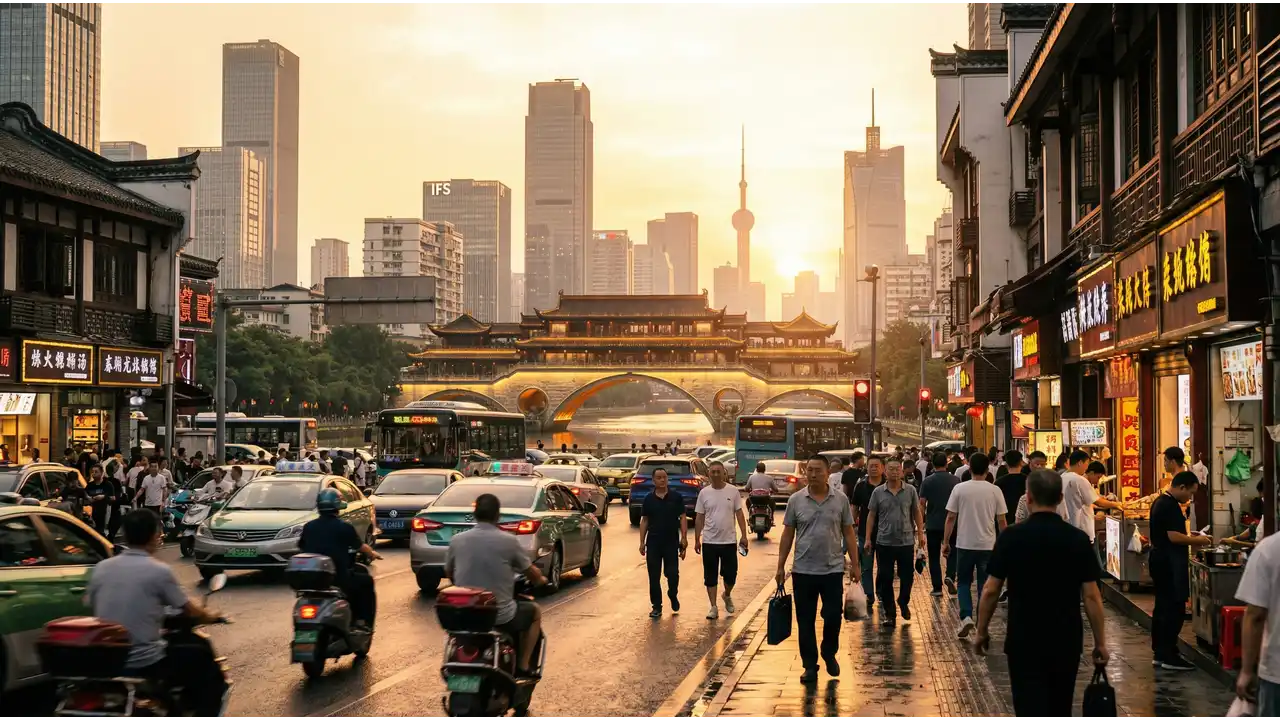
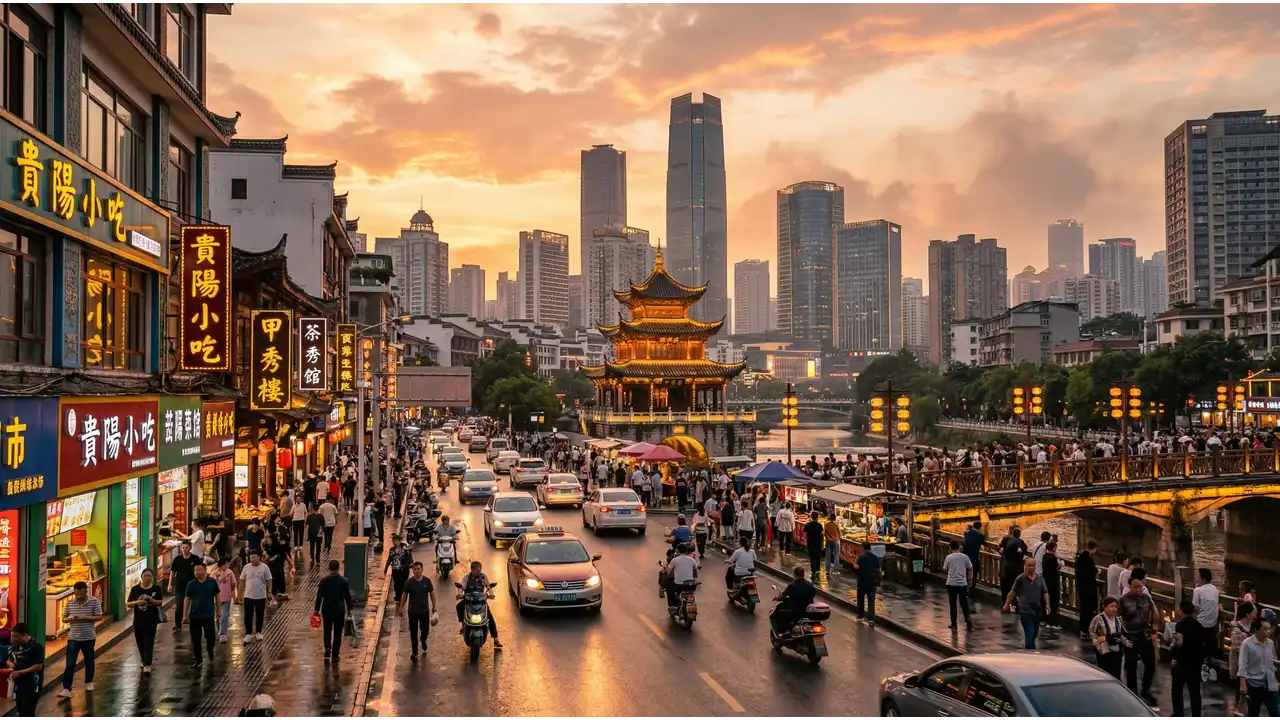
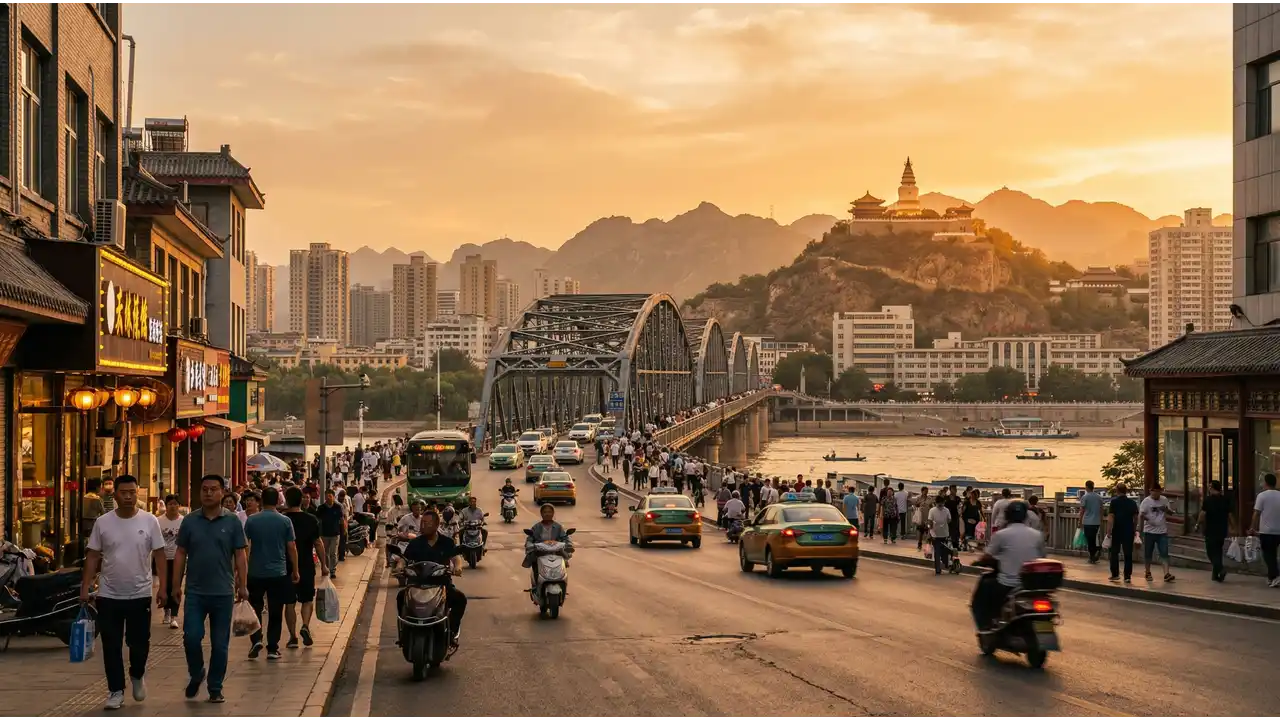
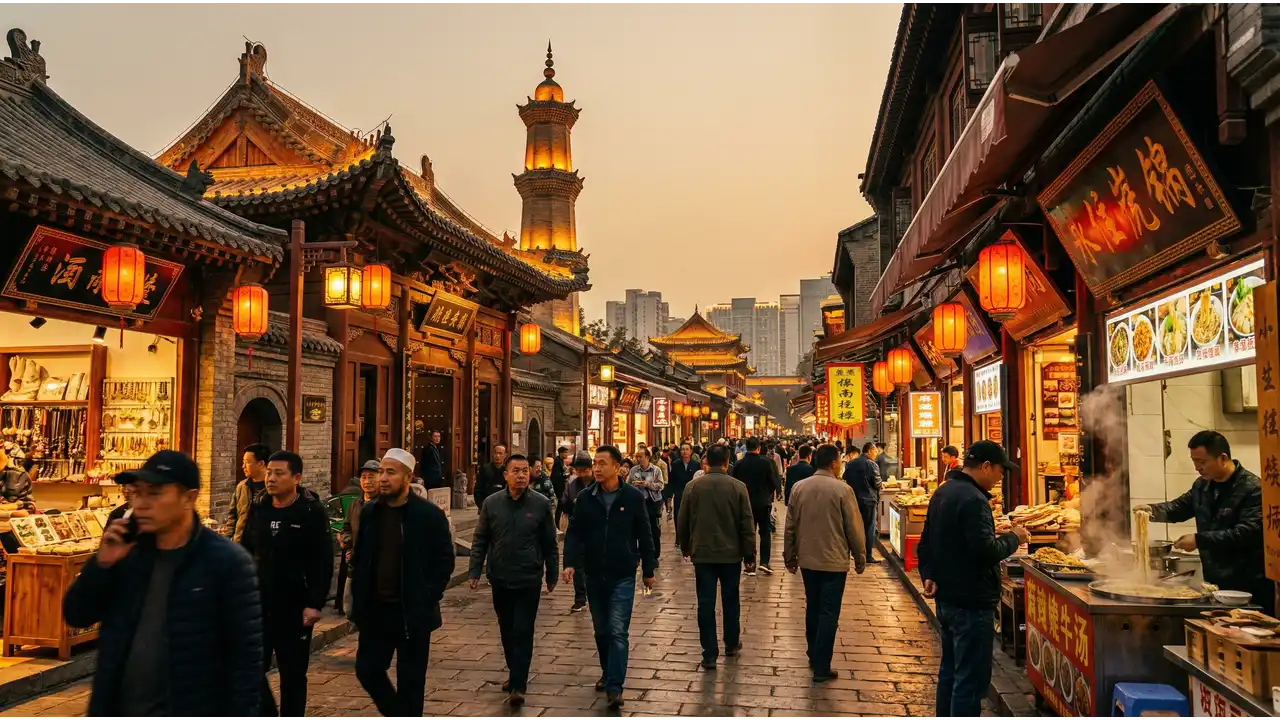
Chengdu is a sprawling inland city in Sichuan province with roughly 10 million people. It functions as a regional hub for business, technology, and culture, but without the intensity or expense of Shanghai or Beijing. The city sits in a humid subtropical basin, so summers are hot and sticky, winters cool but gray. Daily life centers on local food culture (spicy hotpot, mapo tofu), extensive metro and bus networks, and neighborhood markets. You'll see a mix of modern high-rises, older residential compounds, and small family-run shops. Many expats live here for work or study; there's a noticeable foreign community but nothing like coastal cities.
💡 Local Insights
Chengdu · 2026
Chengdu's affordability comes from being a second-tier city with lower property values and labor costs than Shanghai or Beijing. Housing at $361/month reflects both market realities and expat choices: a one-bedroom apartment in central areas like Chunxi District or Tianfu New District costs $400-600/month, while outer rings or older neighborhoods run $250-400/month. Local wages are lower, which keeps service costs down. Groceries average $150/month for someone cooking at home; wet markets and supermarkets like Carrefour stock produce, meat, and staples cheaply. Eating out is very affordable—noodle bowls cost $1-2, restaurant meals $3-8. Transport is cheap: metro rides cost $0.70-1.40, taxis start at $1.50. The real cost variance comes from lifestyle: expats frequenting imported goods, international schools, or Western restaurants spend much more. Local pricing exists alongside expat pricing, and knowing which vendors and neighborhoods cater to each makes a real budget difference.
Frequently Asked Questions
How much does it cost to live in Chengdu per month?
A moderate lifestyle in Chengdu costs around $825/month. This covers housing at $361/month, groceries at $150/month, plus utilities, transport, dining out occasionally, and entertainment. A tighter budget of $495/month is possible if you live in outer areas, cook most meals, and use public transport. A more comfortable lifestyle with more dining out, better housing, and occasional travel runs closer to $1,279/month. Costs vary significantly based on neighborhood, whether you cook or eat out frequently, and whether you shop at expat-oriented stores or local markets.
What is the average rent in Chengdu?
Average rent in Chengdu is $361/month as a baseline, though this encompasses wide variation by location. Central neighborhoods like Chunxi District, Kuanzhai Xiangzi, or Tianfu New District range from $400-600/month for a one-bedroom apartment. Outer residential areas or older compounds in districts like Wuhou or Qingyang offer one-bedrooms for $250-400/month. Studio apartments run $200-350/month depending on location. These are unfurnished or partially furnished units. Furnished expat apartments cost more, typically $600-900/month. Prices have remained relatively stable; competition from new development keeps landlords from aggressive increases. Negotiate directly with landlords or use local agents; expat-focused platforms may quote higher than what locals pay.
Is Chengdu cheap to live in for expats?
Yes, Chengdu is cheap compared to Shanghai, Beijing, or most Western cities, but less cheap if you cluster with other expats or depend on imported goods. A modest local lifestyle (apartment, groceries, local restaurants, metro) costs half or less than comparable living in Beijing. However, the comfort premium exists: expat-friendly apartments, international schools, Western groceries, and expatriate restaurants are noticeably pricier. Many expats live on $1,200-1,500/month comfortably; others spend $2,000+ if they prioritize Western amenities. The cost advantage is real if you engage with local housing, food, and services; it shrinks if you recreate an expat bubble.
How much does food cost per month in Chengdu?
Groceries for one person average $150/month if you shop at wet markets and Chinese supermarkets. Eggs cost $0.15-0.25 per unit, rice (bulk) around $0.40/kg, vegetables $0.30-0.80/kg depending on season, meat $2-5/kg. Imported goods at Carrefour or City Shop cost 2-3 times local prices. Eating out is very cheap: street noodles $1-2, simple restaurant meals $3-6, hotpot (split between friends) $5-10 per person, coffee at local cafes $1.50-2.50. A month of restaurant meals (one meal daily) costs $90-150 at local spots. Most expats spend $200-300/month on food total if they balance cooking with occasional eating out.
What salary do you need to live comfortably in Chengdu?
A comfortable lifestyle in Chengdu costs around $1,279/month. This translates to a gross annual salary of roughly $15,350 if you're allocating primarily to living expenses. In practice, most expat professionals earn $1,500-3,000/month net from teaching, tech, or business roles; many have savings or additional income. Teachers typically earn $1,200-2,000/month; tech positions $1,800-3,500/month; business roles vary widely. At the comfortable tier, you can afford a decent apartment, eat out regularly, use taxis when convenient, travel within China monthly, and maintain some Western lifestyle elements. The budget tier ($495/month) requires careful spending but is sustainable for students or those committed to local living.
How does the cost of living in Chengdu compare to other places?
Chengdu's moderate lifestyle costs $825 per month, making it genuinely affordable compared to most major Asian cities. It sits roughly even with Tehran, which runs $800 monthly, though Chengdu's housing at $361 per month is actually cheaper than Tehran's $406. The real gap widens when you look south and east. Hyderabad is noticeably less expensive at $575 per month overall, with housing at $230. Mumbai, by contrast, is substantially dearer at $1,150 monthly, with housing alone consuming $730. What this means in practice: Chengdu offers the cost advantages of a second-tier Chinese city without feeling like you're compromising on amenities or urban infrastructure. You'll stretch money further here than in India's major metros, and you're paying less than comparable Middle Eastern cities.
Yes, but with discipline. At this budget tier, you rent in outer districts or older compounds ($200-300/month), buy groceries at wet markets and budget supermarkets ($120-140/month), cook almost all meals, use public transport exclusively ($10-20/month), and skip most paid entertainment. Utilities, phone, and internet add roughly $30-40/month. This leaves $30-50 for occasional meals out, personal care, or miscellaneous costs. It's feasible for students or remote workers with low monthly obligations, but leaves little buffer for emergencies, travel, or social activities. Most people doing this successfully are in their first year of cost-cutting or have additional savings. After a few months, most increase their budget to $700-800/month for quality of life.