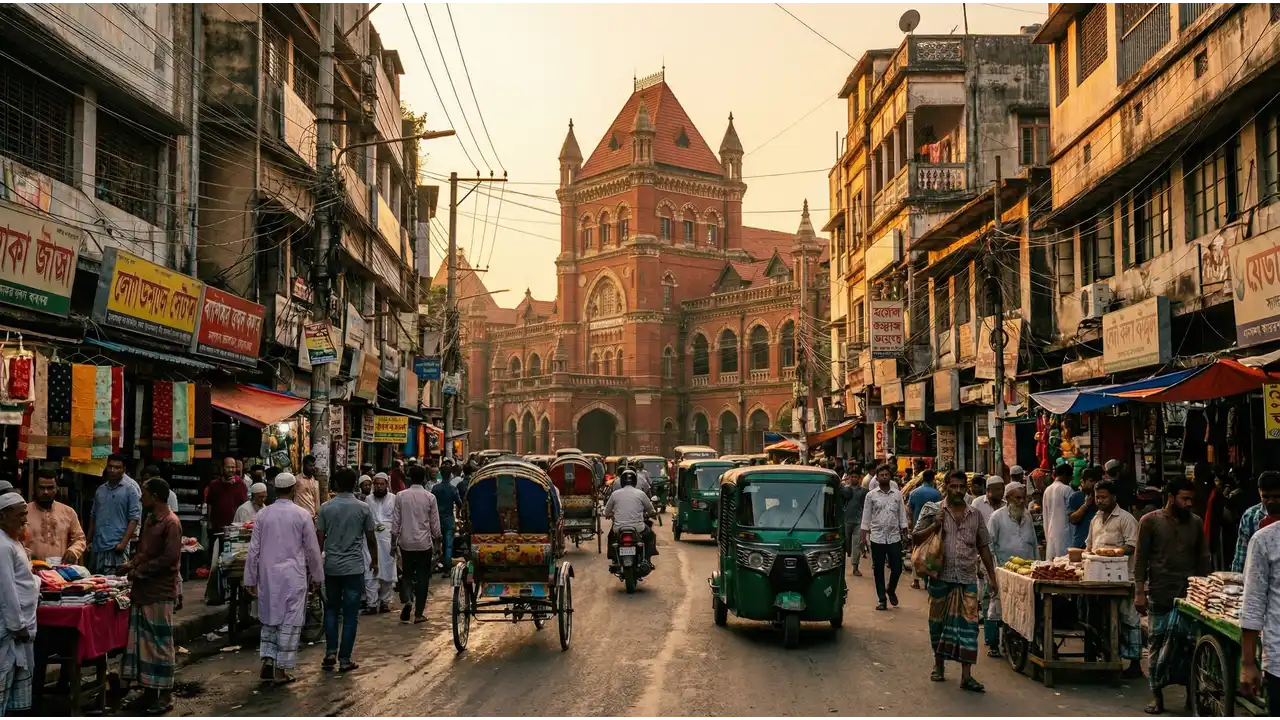
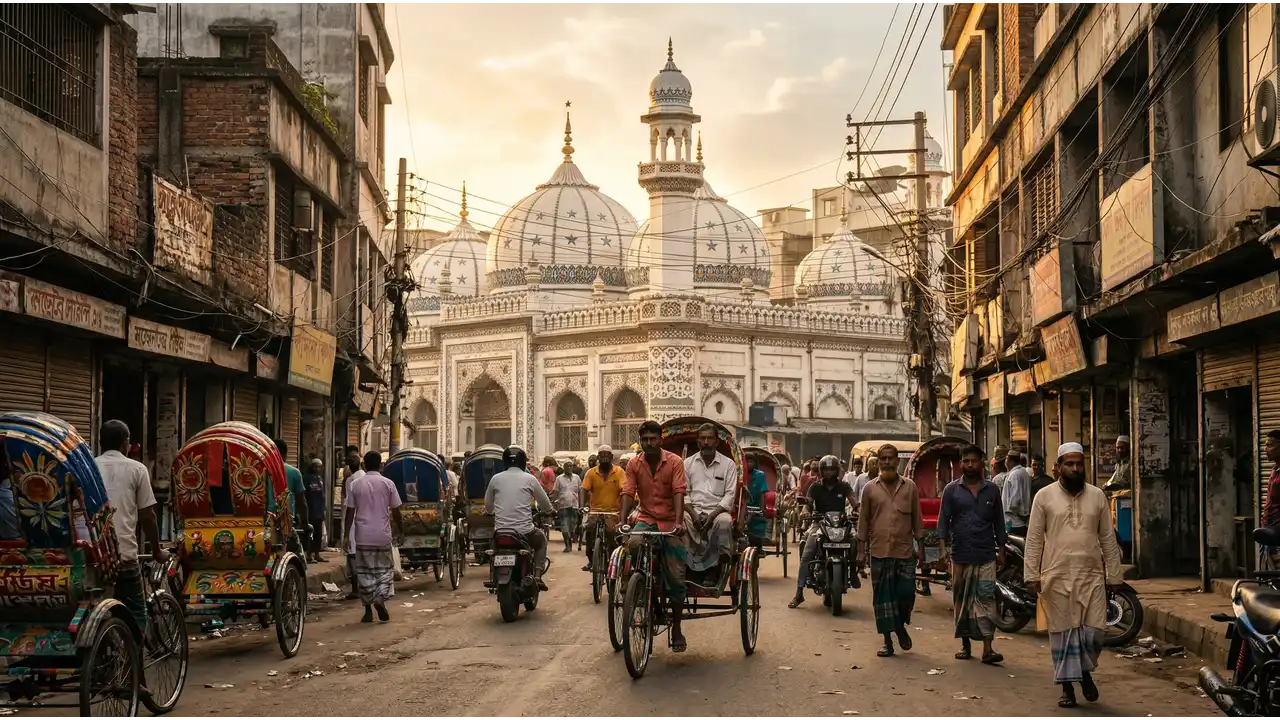
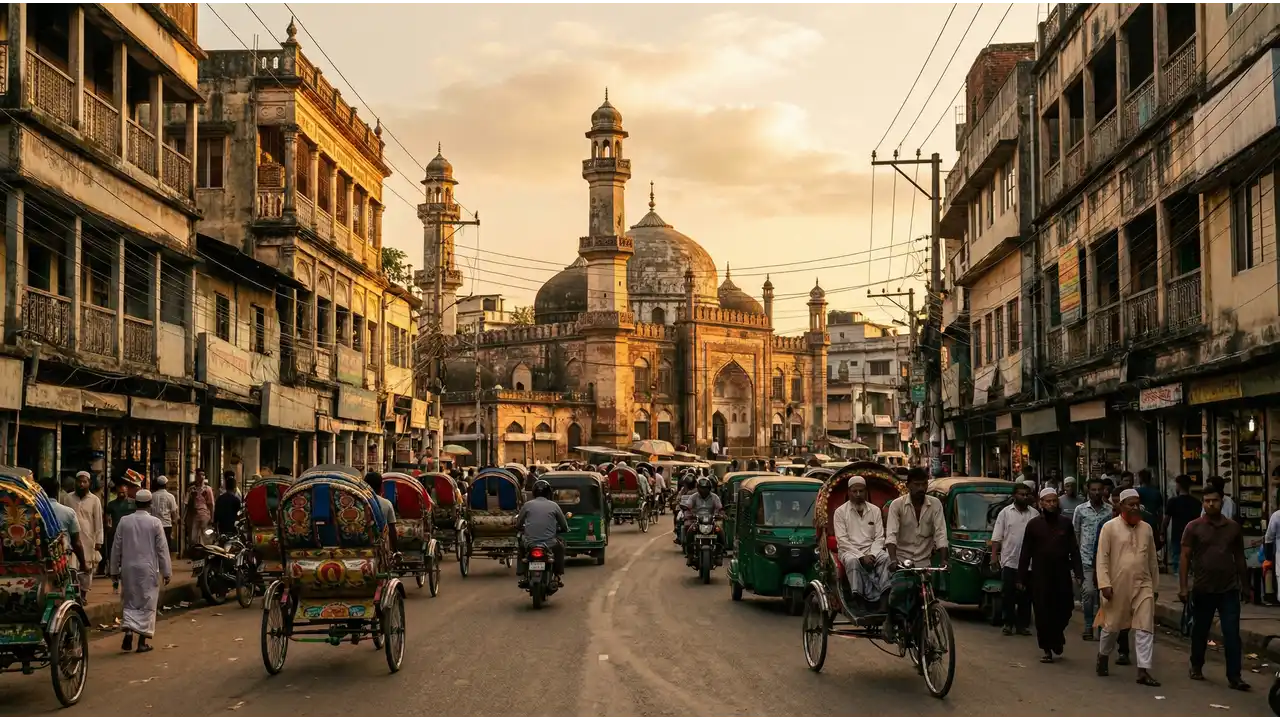
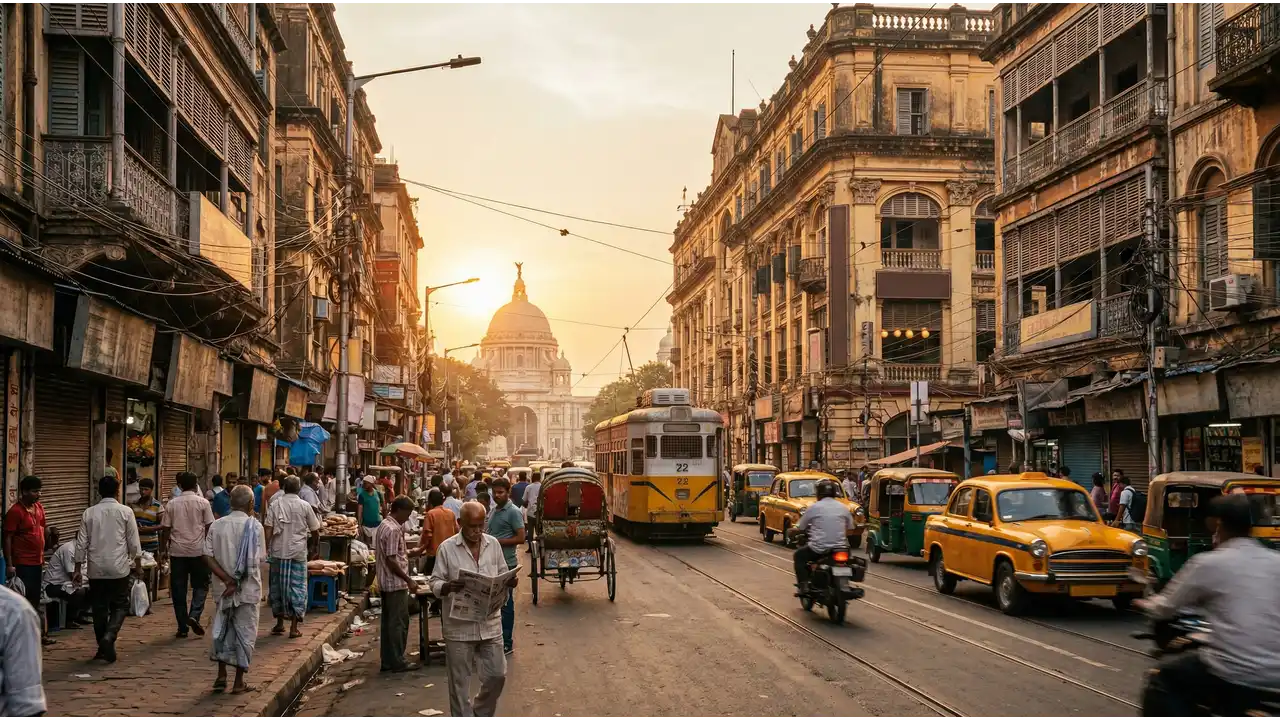
Chittagong is Bangladesh's main port city and second-largest urban center, sitting on the Bay of Bengal with a population around 4 million. Daily life centers on commerce, shipping, and trade. The climate is tropical with heavy monsoon rains June to October and humidity year-round. Streets are dense with rickshaws, motorcycles, and trucks. Neighborhoods range from waterfront commercial zones to residential areas inland. Most residents are Bengali-speaking Muslims. Food is rice-based with fish, lentils, and spices. Power outages happen but are infrequent in main areas. Water quality varies by neighborhood. The pace is faster than rural Bangladesh but less frenetic than Dhaka. Expats are present but less concentrated than in the capital. You will need Bangla skills or a local contact network for many transactions.
💡 Local Insights
Chittagong · 2026
Chittagong is genuinely cheap by any global standard. A moderate lifestyle runs $500/month, with housing at $115/month the single largest expense. You can find a furnished one-bedroom apartment in decent neighborhoods like Halishahar or Nasirabad for $80 to $150/month, depending on amenities and landlord expectations. Grocery costs sit at $124/month for a mixed diet of local rice, vegetables, fish, and some imported goods. A kilo of rice costs $0.30 to $0.50, eggs run $0.10 each, and a liter of milk is around $0.80. Eating out is cheaper still: a full meal at a local restaurant runs $1 to $2. Transport is inexpensive. Rickshaws cost $0.20 to $0.40 per ride. Taxis and ride-hailing apps charge by the meter or fixed rates, rarely exceeding $2 for a short trip. Utilities (electricity, water, gas) average $15 to $30/month depending on usage. Expat pricing exists for some goods and services (especially housing), but you can live at local rates if you speak Bangla, shop in local markets, and avoid expat restaurants. The key cost driver is accommodation choice: furnished, western-standard apartments cost more; local-style housing costs far less.
Frequently Asked Questions
How much does it cost to live in Chittagong per month?
A moderate lifestyle costs around $500/month. This breaks down roughly as: housing $115/month, groceries $124/month, utilities and transport $100 to $150/month, and dining out, entertainment, and miscellaneous expenses filling the remainder. On a budget tier of $300/month, you cut back on dining out and rent a basic local room; at the comfortable tier of $775/month, you gain a larger apartment, eat at better restaurants, travel more, and have household help. Most expats land in the $500 to $700/month range unless they seek high-comfort housing.
What is the average rent in Chittagong?
Average rent is $115/month. A furnished one-bedroom apartment in neighborhoods like Halishahar, Nasirabad, or GEC costs $80 to $150/month. Unfurnished rentals run $60 to $100/month but require you to add fixtures. Studio rooms in shared houses are $40 to $70/month. Expat-oriented apartments with western fixtures, generators, and reliable water run $200 to $400/month, but these are a premium tier. Landlords often expect three to six months' deposit and may negotiate better rates for long-term tenancy. Real estate agents charge one month's rent as commission. Check multiple neighborhoods; prices vary sharply by location and building condition.
Is Chittagong cheap to live in for expats?
Yes, genuinely cheap. At $500/month for a moderate lifestyle, Chittagong costs roughly one-fourth to one-third what you would spend in Southeast Asian cities like Chiang Mai or Hanoi. Housing at $115/month is the main advantage; you get far more space and comfort than at equivalent prices elsewhere in Asia. Food and transport are similarly low. The trade-offs are real: infrastructure is less reliable (electricity and water issues), medical care requires expat clinics or Dhaka travel, and imported goods are pricier. Language is a barrier; Bangla skills make a big difference. Chittagong also has fewer expat social structures than Dhaka or major Southeast Asian hubs. If you value comfort, stability, and ease of access, costs rise sharply. If you adapt to local living, it remains very affordable.
How much does food cost per month in Chittagong?
Groceries average $124/month for a mixed local diet. Rice costs $0.30 to $0.50/kg, lentils $0.50/kg, fresh vegetables $0.30 to $0.60/kg depending on season, fish $1.50 to $3/kg, eggs $0.10 each, and milk $0.80/liter. A kilo of chicken runs $1.50 to $2. Bread is $0.30/loaf. Imported goods (cheese, processed food, Western cereals) cost double or triple local equivalents. Eating at street vendors or small restaurants costs $1 to $2 per meal; mid-range restaurants charge $3 to $6. A cup of tea is $0.15, soft drinks $0.30. Markets like Chawkbazar are cheapest for fresh produce. Expat supermarkets exist but carry a significant markup.
What salary do you need to live comfortably in Chittagong?
A comfortable lifestyle runs $775/month. This allows for a larger, well-maintained apartment in a better neighborhood, air conditioning, reliable backup power, a mix of local and restaurant dining, occasional travel, and hiring household help (cleaner, cook, nanny). On this budget, you can afford a two-bedroom furnished apartment for $200 to $300/month, eat at mid-range restaurants several times weekly, use taxis regularly, and participate in expat social activities. Annual income of around $9,300 provides this cushion. If you want international schools for children, expat-standard medical insurance, or frequent travel, plan for $1,000 to $1,500/month. Living very comfortably on expat terms requires $1,200 to $1,500/month.
How does the cost of living in Chittagong compare to other places?
Chittagong sits in the lower-middle range for Asian cities. A moderate lifestyle costs $500 per month here, with housing at $115 monthly. That puts it slightly above Kabul, which runs $400 for a comparable lifestyle, but below Jaipur at $475. The real difference emerges in housing: Jaipur's moderate rentals cost $156 monthly, making Chittagong noticeably cheaper on accommodation. Bangalore is substantially pricier at $700 monthly, with housing alone at $349. If you're comparing Chittagong to South Asian alternatives, you're looking at a genuinely affordable option. Food, transportation, and utilities remain inexpensive, though expect to pay more than Kabul across most categories. For those relocating from developed-world cities, Chittagong offers significant savings without sacrificing access to urban services.
Yes, but with real constraints. The budget tier of $300/month requires you to rent a basic local room or shared house ($50 to $70/month), shop entirely in local markets ($80 to $100/month groceries), eat mostly street food and local restaurants ($60/month), and use rickshaws for transport ($20/month). This leaves little for utilities, mobile phone, internet, or non-essentials. No air conditioning, minimal furniture, shared bathroom facilities, cold water only. Medical emergencies or repairs blow the budget. Internet, if included, is slow. This works if you speak Bangla, have local friends, adapt fully to local living, and avoid any expat lifestyle. Most foreigners find $300/month constraining; $400 to $500/month is more realistic for a non-deprived baseline.