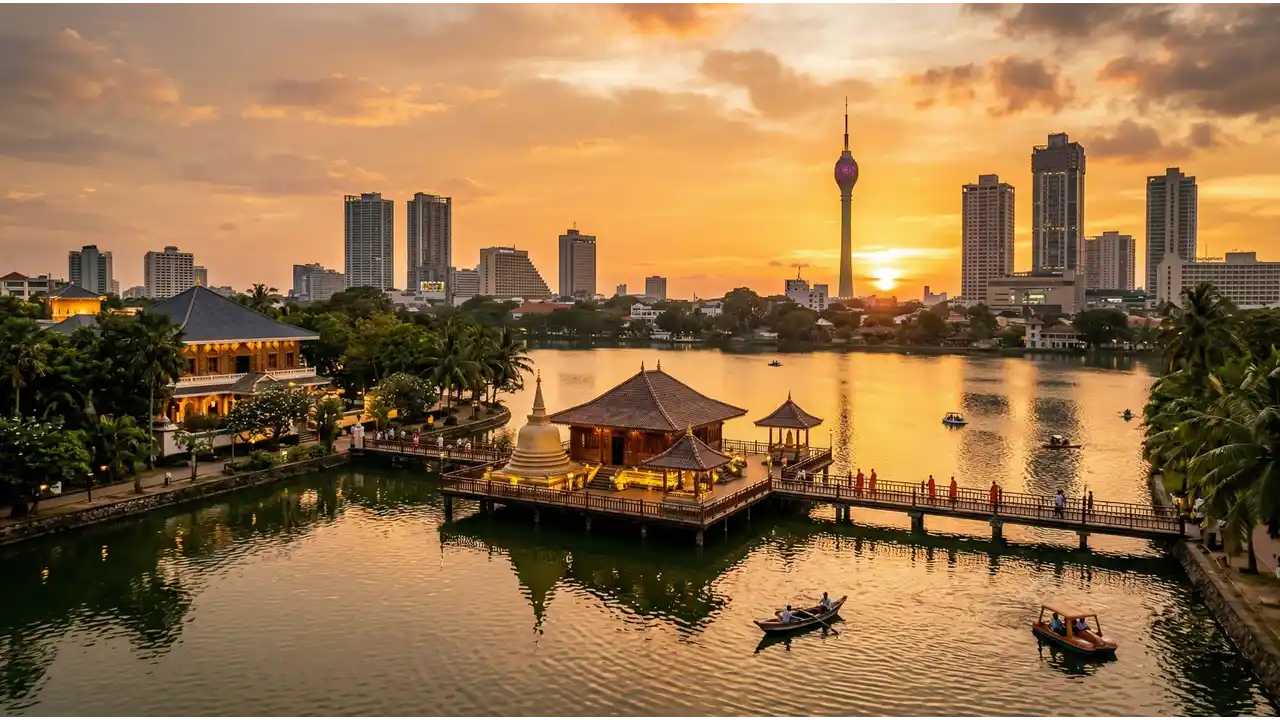
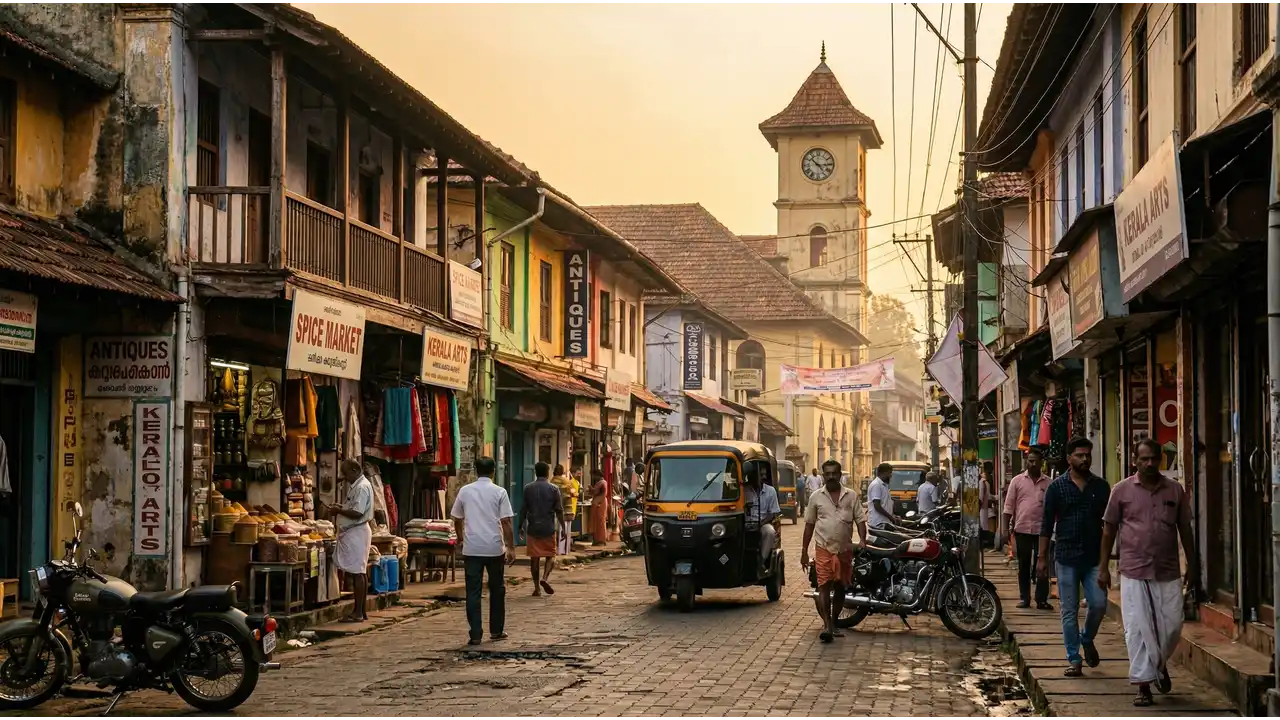
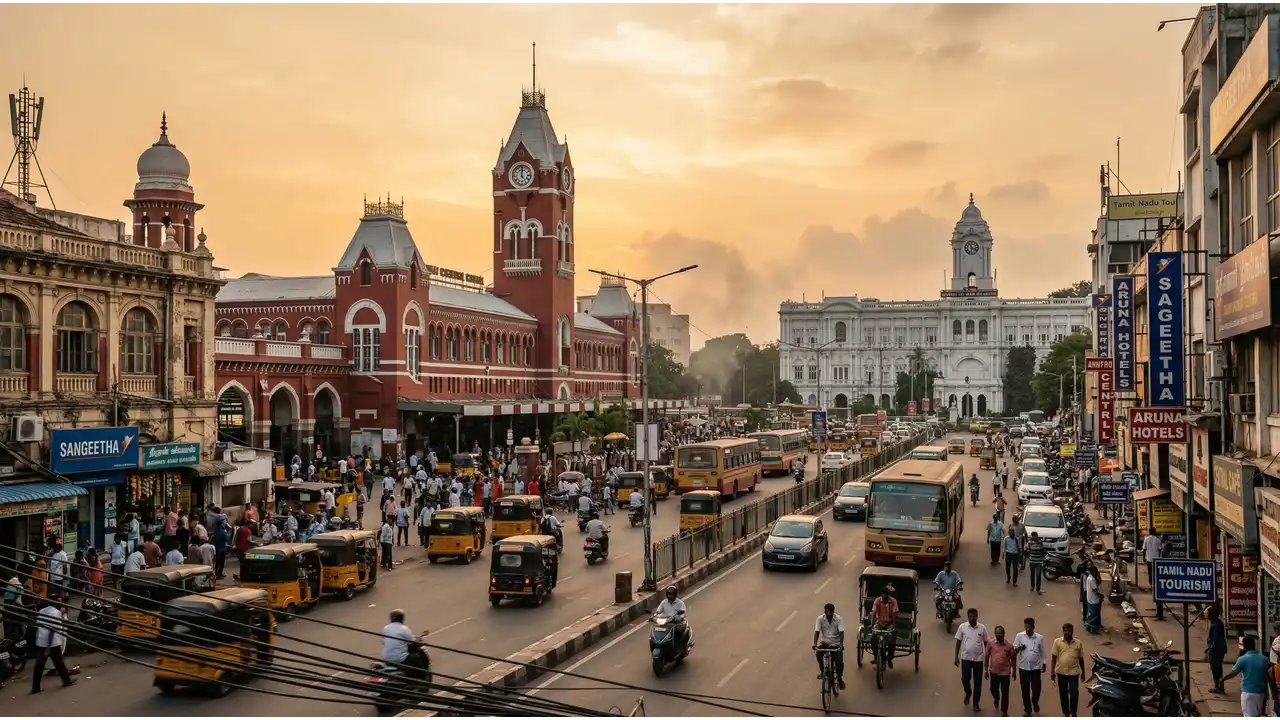
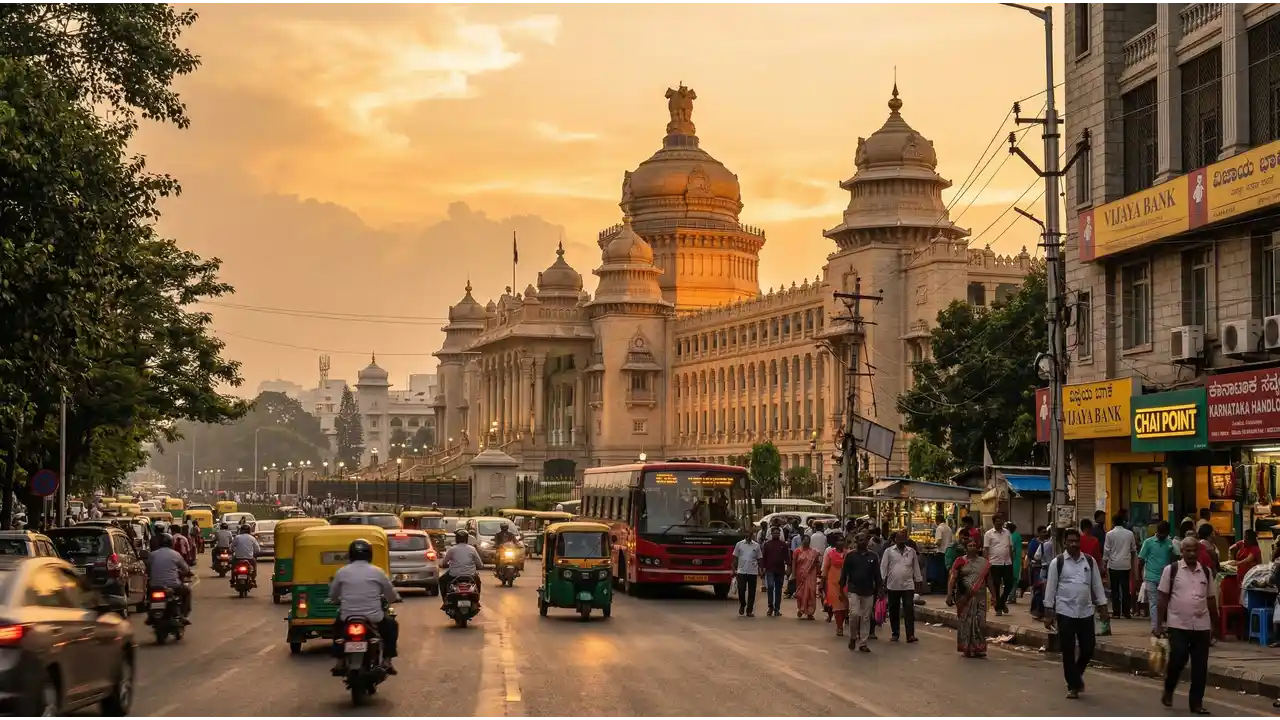
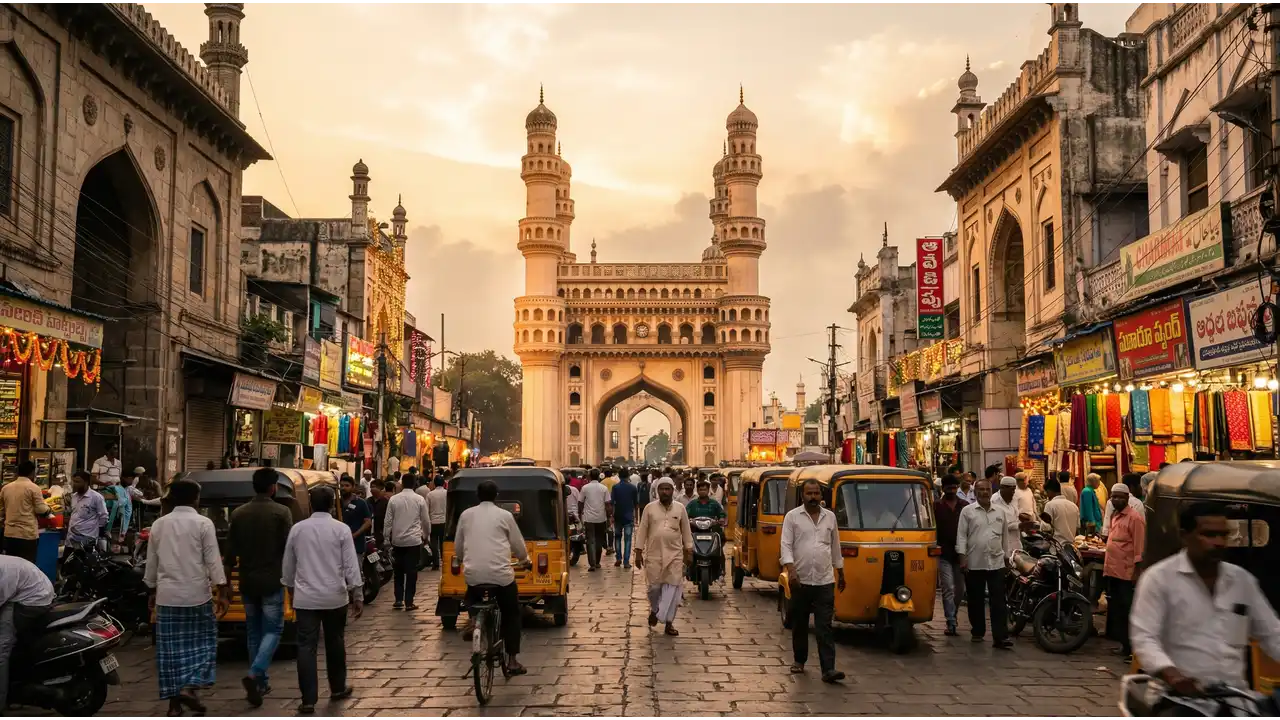
Colombo is Sri Lanka's largest city and commercial center, home to around 650,000 people in the metropolitan area. The city sits on the Indian Ocean coast with a tropical climate: hot and humid year-round, with monsoon rains May to September. Daily life centers on colonial-era architecture mixed with modern developments, chaotic traffic, street food markets, and a strong tea and spice culture. Most residents speak Sinhala and English. Traffic congestion is severe; buses and tuk-tuks dominate transport. Power cuts happen occasionally. The expat community is small but established, mostly in finance, development, and education sectors.
💡 Local Insights
Colombo · 2026
Colombo's cost structure works in the budget traveler's favor if you adopt local consumption patterns, but expat pricing exists for housing and imported goods. Housing at $410/month gets you a modest one-bedroom apartment in neighborhoods like Nugegoda, Maharagama, or outer Colombo 4-7. Central areas (Colombo 3-5) run higher. Groceries cost around $182/month if you shop local markets and eat rice, curry, vegetables, and local fish; imported Western items (cheese, breakfast cereals, canned goods) double or triple prices. Eating out is cheap: a curry lunch costs $2-4 at local canteens, more at restaurants. Transport is minimal expense: a tuk-tuk ride $1-3, bus fares under $0.30. Utilities (electricity, water, internet) add $30-50. Expats often pay 20-40 percent more for housing in safer, quieter zones. Haggling is normal in markets and for long-term rentals.
Frequently Asked Questions
How much does it cost to live in Colombo per month?
A moderate lifestyle costs $975 per month. This breaks down roughly as: housing $410, food and groceries $182, local transport $30-40, utilities $40-50, dining out and entertainment $200-250, and personal care and miscellaneous $60-90. A budget approach drops the total to $585 monthly (bare essentials, shared housing, minimal eating out). A comfortable lifestyle reaches $1,511 per month with better housing, frequent dining out, and regular entertainment. These figures assume local consumption patterns; imported goods and expat-oriented services cost significantly more.
What is the average rent in Colombo?
Average rent is around $410 per month for a modest one-bedroom apartment in residential suburbs like Nugegoda, Maharagama, or Colombo 6-7. Studios run $250-350. Shared apartments (splitting a two-bedroom) run $200-280 per person. Central zones (Colombo 3-5, near business districts and Galle Face) command $600-900 for one-bedroom, preferred by expats and higher earners. Furnished apartments cost 20-40 percent more. Long-term leases (12 months) are standard and involve security deposits of one to two months' rent. Prices have risen modestly over time, but remain accessible for most expat budgets.
Is Colombo cheap to live in for expats?
Yes, Colombo is inexpensive compared to Southeast Asian hubs like Bangkok or Singapore, and significantly cheaper than Western cities. A $1,511 comfortable budget covers secure housing in a good neighborhood, regular dining out, and modest entertainment. Local food and transport are genuinely cheap. However, expats often pay premiums for Western groceries, private healthcare, and expatriate-friendly housing in safer areas. Internet and utilities are reliable but not as cheap as other South Asian cities. The real savings come from eating local food, using public transport, and accepting local living standards. Expats seeking Western comfort levels will spend more than the moderate figures suggest.
How much does food cost per month in Colombo?
Groceries average $182 monthly if you shop at local markets and supermarkets: rice, curry, fresh vegetables, chicken, and local fish form the staple diet. A week of groceries (local goods) costs $8-12 per person. Imported items (cheese, Western cereals, canned goods) are 2-3 times pricier. Eating out is very cheap: lunch at a local canteen (curry, rice, dhal) costs $2-3, street food $0.50-1.50. Mid-range restaurants charge $5-10 per plate. Colombo's main markets (Pettah, Odel supermarket) offer good prices; expat-oriented shops in Colombo 3-5 are markedly pricier. Most expats spend $250-400 monthly on food (groceries plus frequent eating out).
What salary do you need to live comfortably in Colombo?
A comfortable lifestyle requires $1,511 per month, equivalent to roughly $18,000 annually. This supports housing in a good neighborhood ($500-700), regular dining out, private transport options, and entertainment. If relying on local salary, most middle-class professional roles (finance, education, development organizations) pay $800-1,500 monthly, requiring careful budgeting. Expats typically need sponsorship or remote income. For truly comfortable expat living (Western-standard housing, frequent travel, private healthcare), budget $2,000-2,500 monthly. Living well below the comfortable tier requires either local income or willingness to adopt local consumption fully.
How does the cost of living in Colombo compare to other places?
Colombo is genuinely affordable compared to most major Asian cities. A moderate lifestyle costs $975 per month, with housing running $410 monthly. That puts it cheaper than Cebu, where a moderate lifestyle runs $1,050 with housing at $488. You'll find significantly better value in Bangalore at $700 for a moderate lifestyle and $349 for housing, making it a natural comparison if you're flexible on location. Shenzhen, by contrast, costs substantially more at $1,350 monthly with housing at $726. In practical terms, Colombo offers the affordability of South Asia without forcing you into the budget constraints of the cheapest options. Your dollar stretches comfortably here, especially on housing, though you're paying more than you would in India while staying well below the prices of major Chinese tech hubs.
Yes, but tightly. The budget tier supports basic survival: a shared apartment $200-250 (or very modest single $300-350), groceries $150-160, local transport $20-30, utilities $30-40, leaving $30-50 for everything else. This means eating almost entirely local food, no dining out, no entertainment, minimal healthcare beyond emergencies, and no buffer for unexpected costs. It works for backpackers, students on tight budgets, or those with free housing. Most people report difficulty saving at this level. A more sustainable ultra-budget is $700-800 monthly, which allows occasional meals out and a small safety margin. This requires genuine acceptance of local living and no Western comfort expectations.