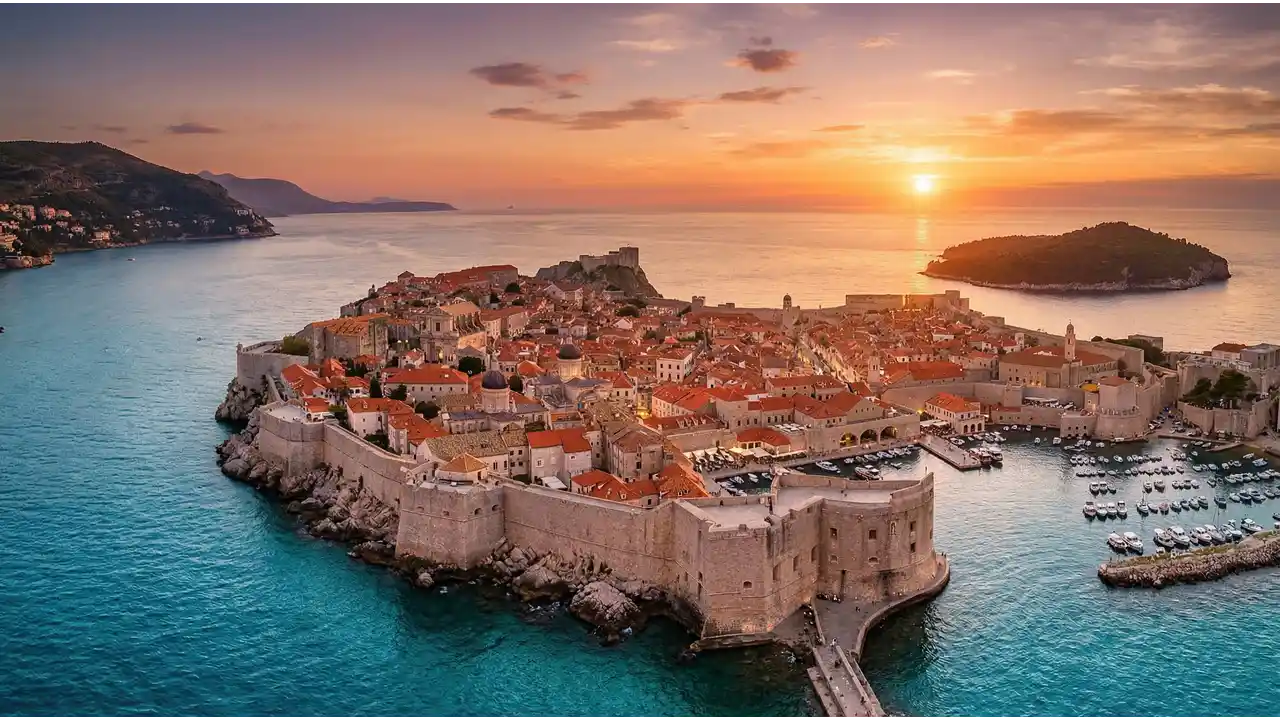
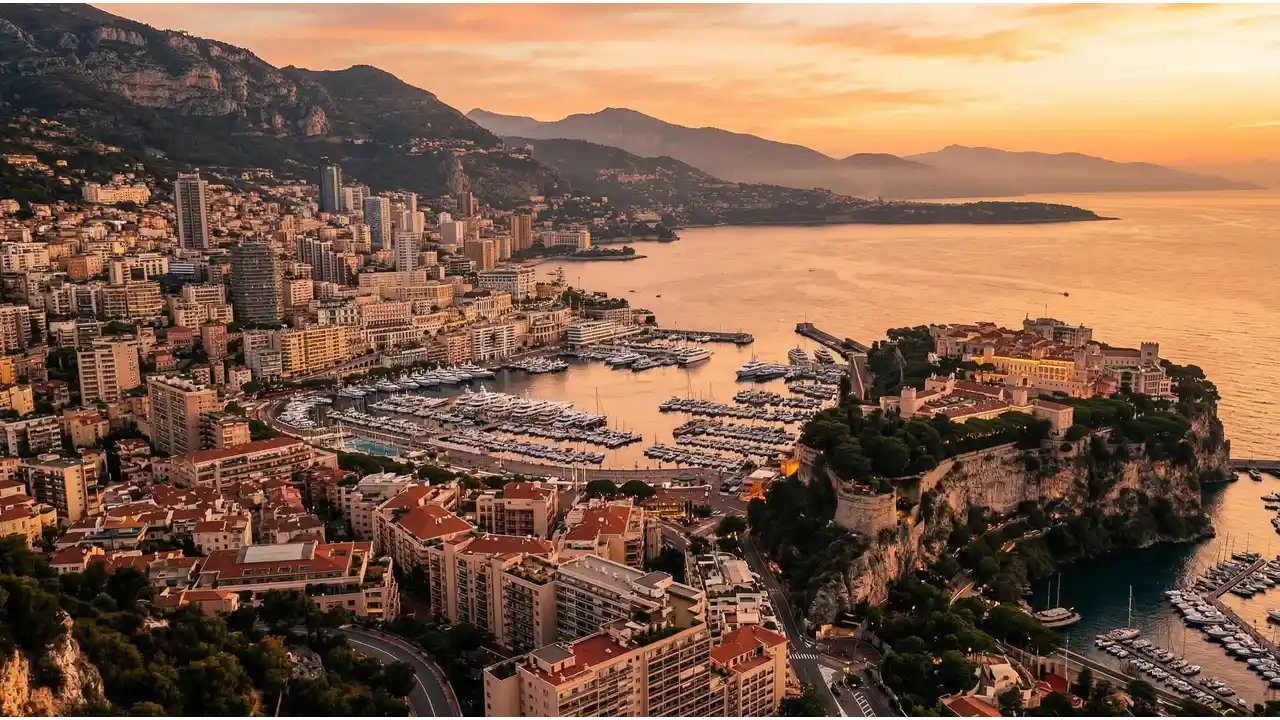
Croatia is a southeastern European country on the Adriatic coast, known for limestone cliffs, medieval towns, and island life. About 3.8 million people live here, many in the capital Zagreb or coastal cities like Split and Dubrovnik. Daily life involves Mediterranean rhythm: long lunches, seaside walks, strong coffee culture. Winters are mild on the coast but can be cold inland. The country joined the EU in 2013 and uses the kuna (though adopting the euro soon), so infrastructure and services feel modern. Expats come for retirement, remote work, or sabbaticals. Outside tourist zones, life is quieter and significantly cheaper than Western Europe.
💡 Local Insights
Croatia · 2026
Croatia's appeal for cost-conscious expats rests on three factors: housing costs well below Western European levels, cheap groceries, and low transport expenses. A moderate lifestyle runs $1,675/month, with housing around $738/month covering a one-bedroom apartment in Zagreb or a smaller city (Split, Zadar, Rijeka rent lower still, while Dubrovnik and island tourist zones command premiums). Groceries average $302/month for one person cooking at home, far less than Northern Europe. Local bus passes cost under $50 monthly in most cities. Eating out remains affordable outside tourist districts. However, expats on long stays report that isolation, limited job markets, and visa complexity offset low costs. Utility bills spike in winter (heating). Salaries are low if working locally. The real value proposition: remote workers or retirees with stable foreign income get substantial purchasing power.
Frequently Asked Questions
How much does it cost to live in Croatia per month?
A moderate lifestyle costs $1,675/month for one person. That breaks down to roughly $738/month for housing, $302/month for groceries, around $50 for transport, $150 for utilities, and the rest split between dining out, entertainment, and personal care. A tighter budget runs $1,005/month if you live outside tourist zones and cook most meals. A comfortable lifestyle with more frequent dining out and leisure spending sits at $2,596/month. Costs vary significantly by location: coastal tourist cities (Dubrovnik, Split summer season) run 30-50% higher than inland towns or Zagreb outside the center.
What is the average rent in Croatia?
Average rent is around $738/month for a one-bedroom apartment. In Zagreb, expect $600-$850/month depending on neighborhood; central districts command higher rents, while outer areas cost less. Coastal cities vary: Split runs $650-$900/month for a one-bedroom, Zadar and Rijeka run $500-$700/month, while Dubrovnik and island towns jump to $1,000-$1,500/month. Studio apartments run 15-25% less. Longer-term leases (six months or more) often get discounts compared to short-term tourist rentals. Outside main cities, rent drops to $400-$600/month. Utilities (heating, water, electricity) add $100-$180/month depending on season and usage.
Is Croatia cheap to live in for expats?
Yes, but with caveats. For remote workers or retirees with foreign income, Croatia offers clear value: housing costs $738/month, groceries are inexpensive, and utilities run low outside winter. Compared to Western Europe, it's 40-60% cheaper. Compared to the US average, similar or cheaper depending on your US reference point. However, expats report downsides: limited job market (forcing reliance on remote work), healthcare delays for non-residents, bureaucratic visa hurdles, and isolation in off-season. The lifestyle is cheap; building community and stability takes effort. Best fit: people with stable income from outside Croatia, not job-seekers.
How much does food cost per month in Croatia?
Groceries average $302/month for one person cooking at home. Staples are cheap: bread $0.80-$1.20/loaf, milk $1/liter, eggs $1.50/dozen, chicken $4-$6/kg, fresh vegetables (seasonal) $0.80-$2/kg. Eating out outside tourist areas costs $6-$12 for a main course at a local restaurant; coastal tourist restaurants run $15-$25. Coffee at a cafe is $1.50-$2.50. Wine and beer are inexpensive (local wine $4-$8/bottle). Street food like cevapi (grilled meat) runs $2-$4. Expat experience: cook at home to hit the $302 budget comfortably; dining out occasionally lifts that quickly.
What salary do you need to live comfortably in Croatia?
A comfortable lifestyle costs $2,596/month, which is the benchmark for regular dining out, leisure activities, travel within the region, and a nice apartment. That equates to roughly $31,150 annually if you're paid in USD or another strong currency. Remote workers earning US or UK salaries have substantial purchasing power at this level. For local employment, the average salary is around $800-$1,200/month, making Croatian income tight for most expats unless partnered or supplemented. Retirees with pensions of $2,000-$2,500/month live well. The key is stable foreign income; don't rely on getting hired locally unless you're in tech or highly specialized fields.
How does the cost of living in Croatia compare to other places?
Croatia sits in the middle range for Europe. A moderate lifestyle costs $1,675 per month in Croatia, with housing running $738 per month. That puts it slightly more expensive than Greece, where a moderate lifestyle runs $1,575 per month and housing costs $562 per month. Romania is notably cheaper, at $1,225 per month for a moderate lifestyle and $492 per month for housing. If you're comparing upward, Austria is significantly dearer at $2,275 per month for a moderate lifestyle and $1,029 per month for housing. For most expats and travelers, Croatia offers reasonable value without the budget constraints of Romania or the premium prices of Austria and Western Europe. Costs vary between coastal tourist areas and inland cities, but these figures reflect a typical moderate budget across the country.
Yes, but with trade-offs. The budget tier of $1,005/month requires discipline: renting outside city centers (small towns or outskirts) for $400-$500/month, cooking almost entirely at home, minimal dining out, public transport only, no car, no travel. Groceries at $302/month is achievable through local markets and budget brands. Utilities, phone, internet run $80-$120/month. This leaves minimal buffer for unexpected costs or entertainment. It's viable for retirees in low-cost towns, students, or people with free housing. For long-term sustainability, many find $1,300-$1,500/month more realistic if you want occasional restaurant meals, social life, or emergency cushion. The $1,005 budget works short-term or in the lowest-cost regions.