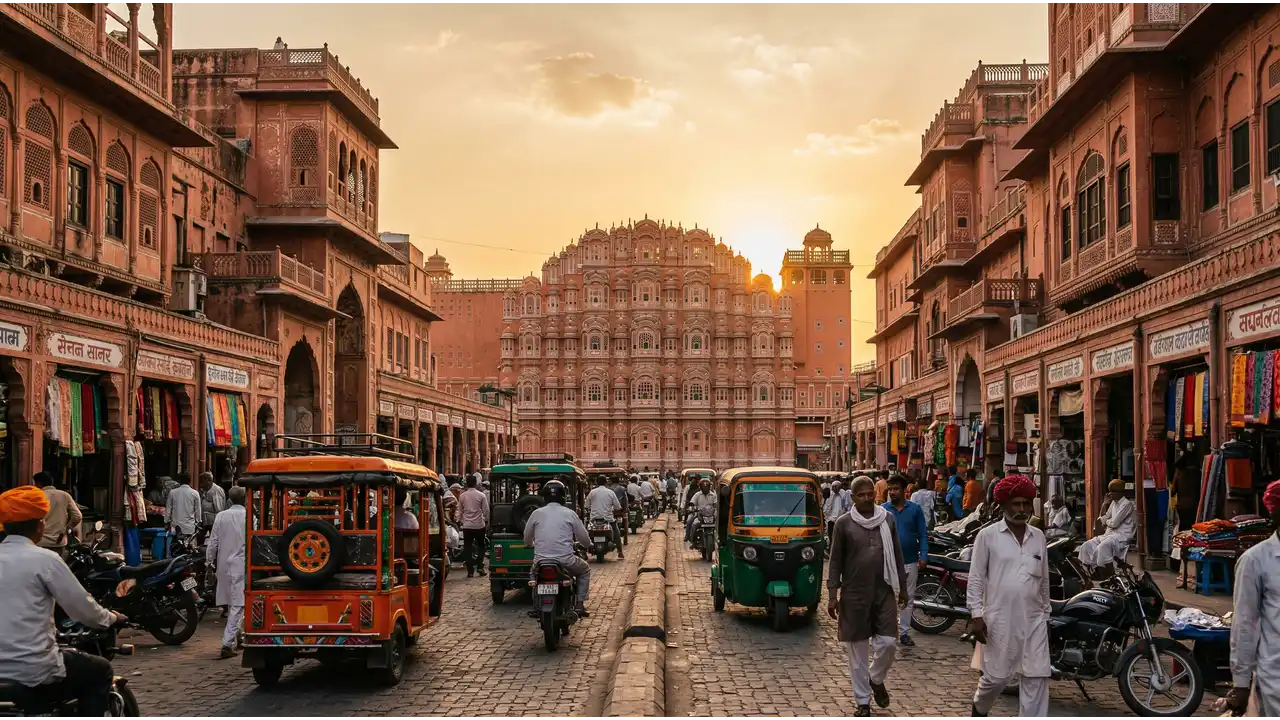
Delhi is India's capital and home to over 30 million people spread across old walled quarters, colonial-era neighborhoods, and sprawling modern suburbs. Daily life revolves around traffic, street food, and sharp contrasts between luxury enclaves and dense residential areas. The climate is extreme: scorching summers (April to June regularly exceed 40 degrees Celsius) and mild winters. Most residents are Indian, but the expat community clusters in neighborhoods like Diplomatic Enclave and Defense Colony. You'll navigate by auto-rickshaw, metro, or on foot. Power cuts, water supply schedules, and monsoon flooding are real considerations. English is widely spoken in business and educated circles.
💡 Local Insights
Delhi · 2026
Delhi's cost structure is heavily shaped by neighborhood choice and lifestyle. Housing at $299/month reflects shared accommodations, budget apartments in outer suburbs (South Delhi colonies), or older properties in mixed-income areas. Single expats often pay $400 to $500 monthly for a one-bedroom in walkable areas; families need $600 to $1,000 for comparable space and amenities. Groceries at $121/month assumes Indian staples and local markets. Expats buying imported goods pay 2 to 3 times more. Street food costs almost nothing (15 to 50 cents per meal); restaurant dinners range from $2 to $15 depending on venue. Public metro travel is cheap (about 30 cents per trip), but taxis and private drivers add up quickly. Power, water, and internet are separately metered and vary by neighborhood and season. Bribery and unofficial fees are still common for utilities and permits. Local knowledge and time spent bargaining directly affect actual spending.
Frequently Asked Questions
How much does it cost to live in Delhi per month?
A moderate lifestyle in Delhi costs around $675/month. Housing averages $299/month depending on neighborhood and amenities. Groceries run approximately $121/month if you shop at local markets and eat Indian staples. Utilities, transport, and dining out make up the remainder. A budget tier costs $405/month and assumes shared housing, minimal transport, and home-cooked meals. A comfortable lifestyle with private accommodation, regular dining out, and air conditioning costs around $1,046/month. The wide range reflects choices about where you live and how you spend.
What is the average rent in Delhi?
Average rent aligns with the $299/month housing figure but varies sharply by neighborhood and property condition. A budget one-bedroom in outer areas like Dwarka or Rohini runs $200 to $350/month. Central or sought-after neighborhoods (Defense Colony, Greater Kailash, South Extension) range $450 to $800/month for comparable space. Expat-oriented areas and furnished flats cost more. Shared accommodations are significantly cheaper at $100 to $200/month. Rent typically does not include utilities, which add 15 to 25% to your bill. Deposits equal one to two months' rent. Landlord relations and negotiation matter; posted rates often come down with discussion.
Is Delhi cheap to live in for expats?
Delhi is inexpensive compared to major Western cities and most Asian capitals. An expat earning a regional salary of $40,000 to $50,000 annually lives comfortably. However, costs scale with expectations. If you require familiar food, private schools, Western healthcare, and air-conditioned transport, you'll spend toward the $1,046/month comfortable tier or beyond. Many expats underestimate healthcare (private hospitals charge $150 to $300 per visit), visa and bureaucratic costs, and domestic help wages (if hired). Street-level living is genuinely cheap; expat-bubble living is moderate. Negotiate everything: housing, services, and daily transactions.
How much does food cost per month in Delhi?
Groceries average $121/month buying local produce, grains, lentils, and dairy at neighborhood markets and supermarkets. A week of vegetables, rice, and eggs costs $10 to $15. Street food is extremely cheap: a full meal from a street vendor (paratha, dosa, or chaat) costs 30 cents to $1. Restaurant meals range from $2 at a basic local eatery to $10 to $15 at casual Western-style spots. Imported groceries (cheese, cereal, meat) cost 2 to 4 times more than Indian equivalents. Alcohol is expensive (beer $2 to $4, wine $8 to $20) and restricted in some areas. Food costs rise significantly if you eat out frequently or rely on delivery apps and expat-friendly restaurants.
What salary do you need to live comfortably in Delhi?
A comfortable lifestyle costs approximately $1,046/month, translating to an annual income of $12,500 to $13,000. In rupees, that is roughly 1,050,000 per year at current rates. This budget covers private housing (one-bedroom apartment), regular dining out, air conditioning and reliable utilities, domestic help (cleaner, cook, driver), international healthcare, and transport flexibility. For a family of three or four, add 30 to 50 percent. Expat packages from multinational employers typically meet or exceed this figure. Freelancers and self-employed individuals should budget conservatively; currency fluctuation, tax obligations, and irregular income matter in India. Local employment pays substantially less than expat roles for equivalent work.
How does the cost of living in Delhi compare to other places?
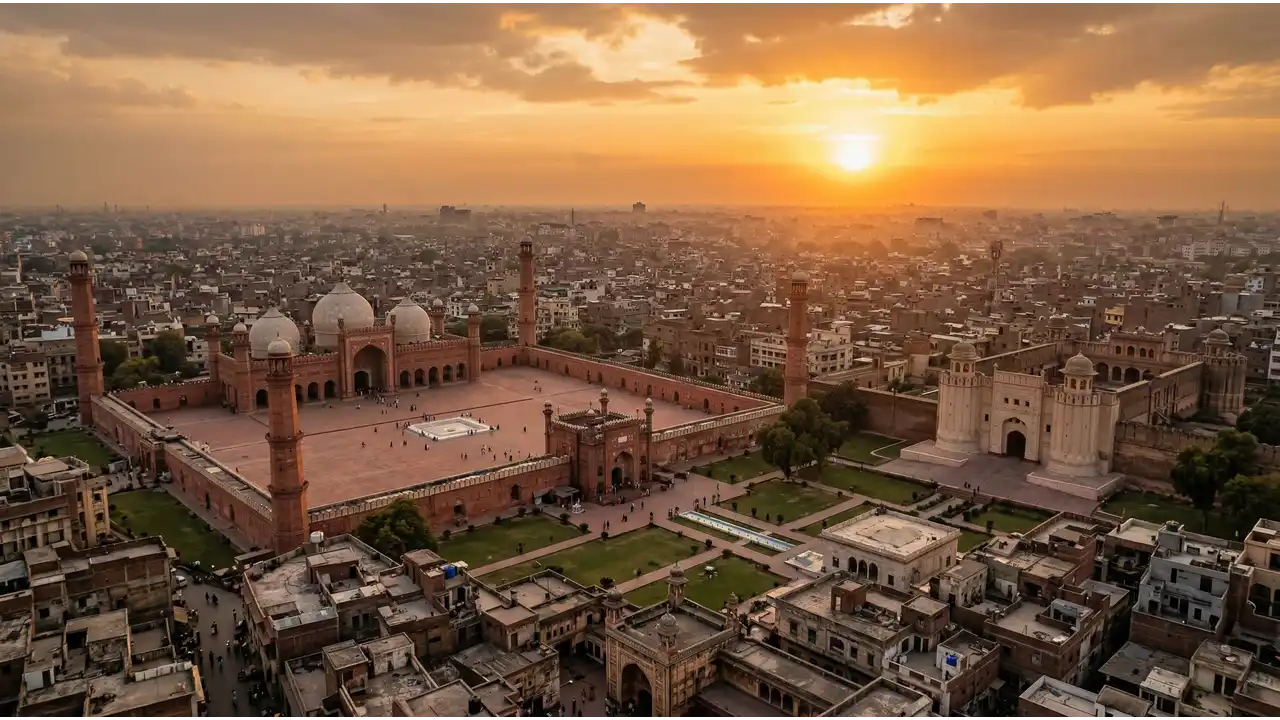
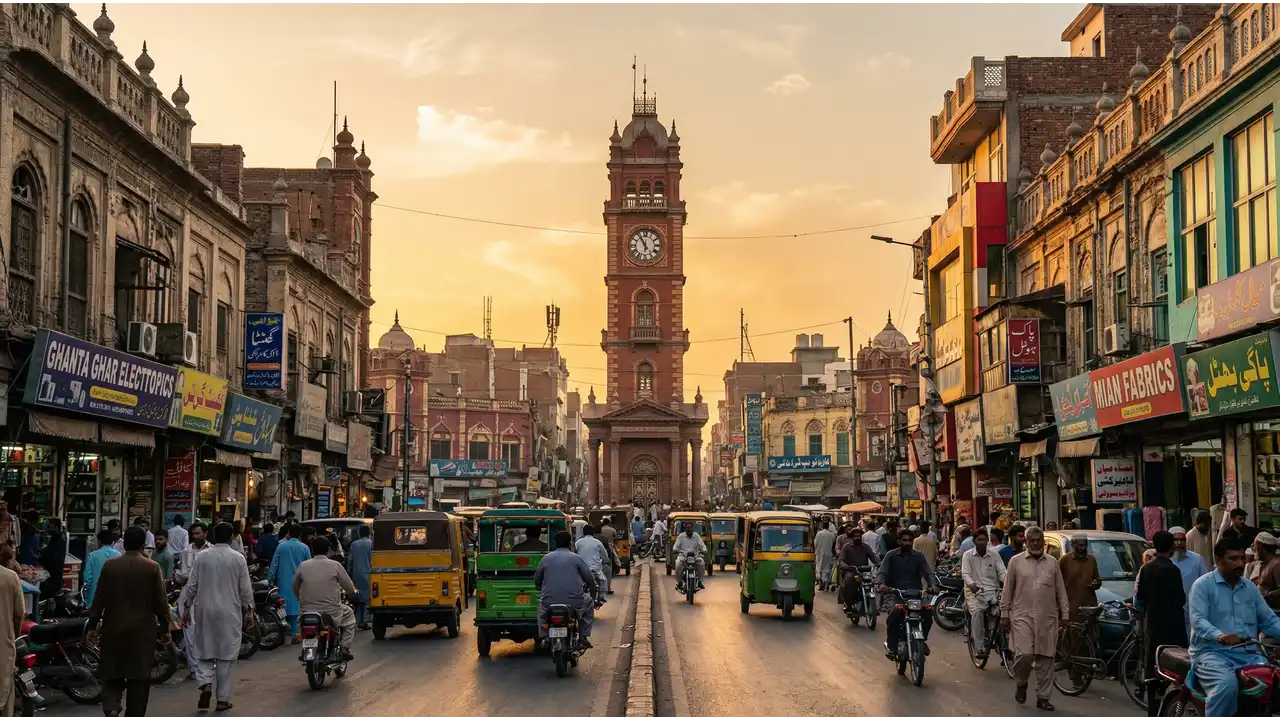
Delhi's moderate lifestyle costs $675 per month, with housing running $299 monthly. This positions Delhi roughly in line with Mashhad, where a moderate lifestyle reaches $650 per month and housing costs $247. Lahore is notably cheaper, with a moderate lifestyle at $475 per month and housing at just $135 per month, making it a real budget alternative if you're flexible on location. Jakarta, by contrast, costs substantially more. A moderate lifestyle in Jakarta runs $975 per month, and housing there reaches $467 per month, nearly double Delhi's housing costs. So Delhi sits in the middle tier for South and Southeast Asia. You'll find comparable spending in similar-sized Middle Eastern cities, while smaller Pakistani cities offer savings, and major Southeast Asian hubs demand a premium.
Yes, but with strict constraints. The $405/month budget tier requires shared housing or a room in a residential colony ($150 to $200/month), home cooking of Indian staples ($80 to $100/month), and minimal transport (local metro and walking). No dining out, no air conditioning in summer, no imported goods, and no flexibility for emergencies. Power cuts and water shortages force adjustment. Internet and phone add $10 to $15/month. Medical costs are a risk; even routine healthcare can break this budget. Foreign nationals on long-term stays face visa and legal fees not captured in monthly figures. Locals can sustain this budget; expats often find it unsustainably stressful within weeks. It works as a absolute minimum, not a sustainable target.