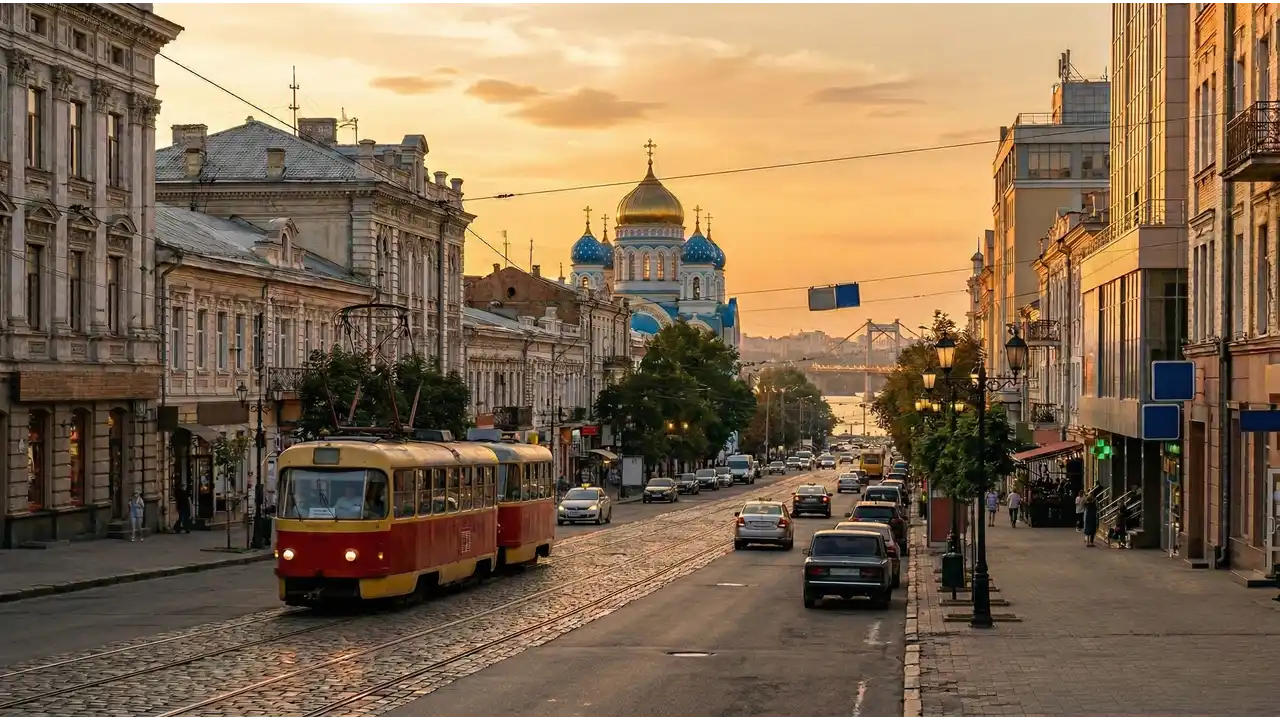
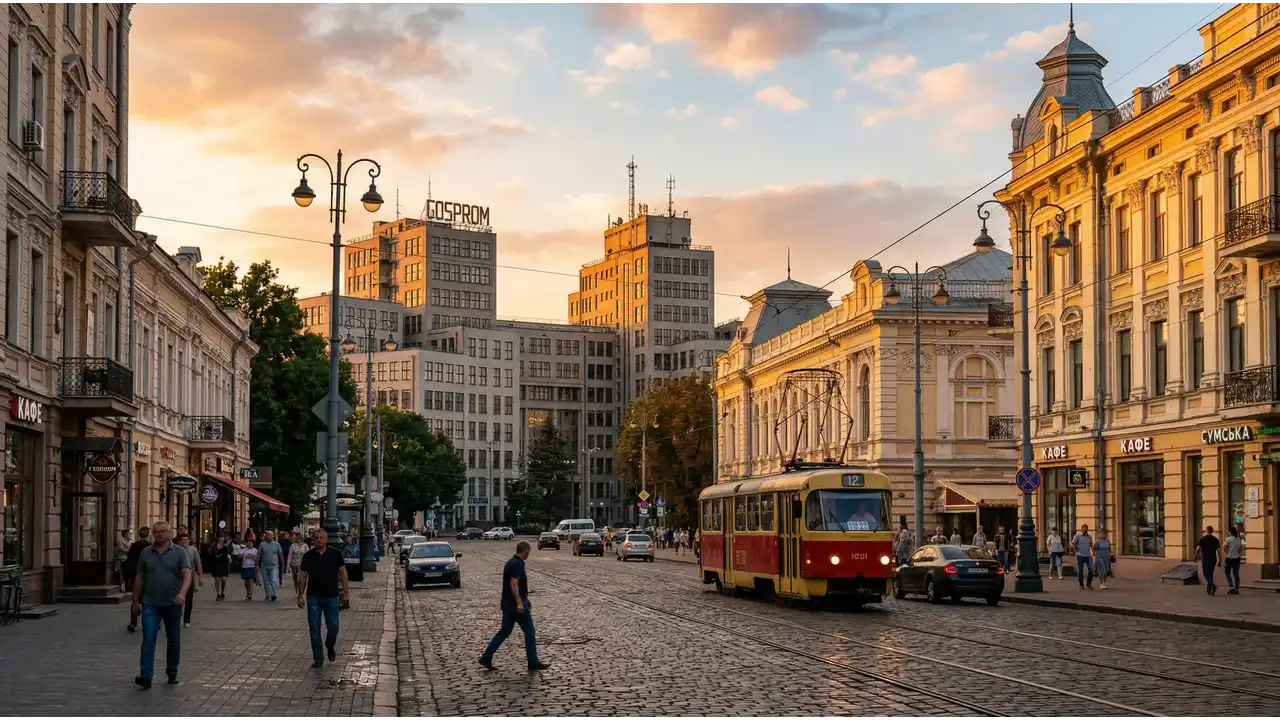
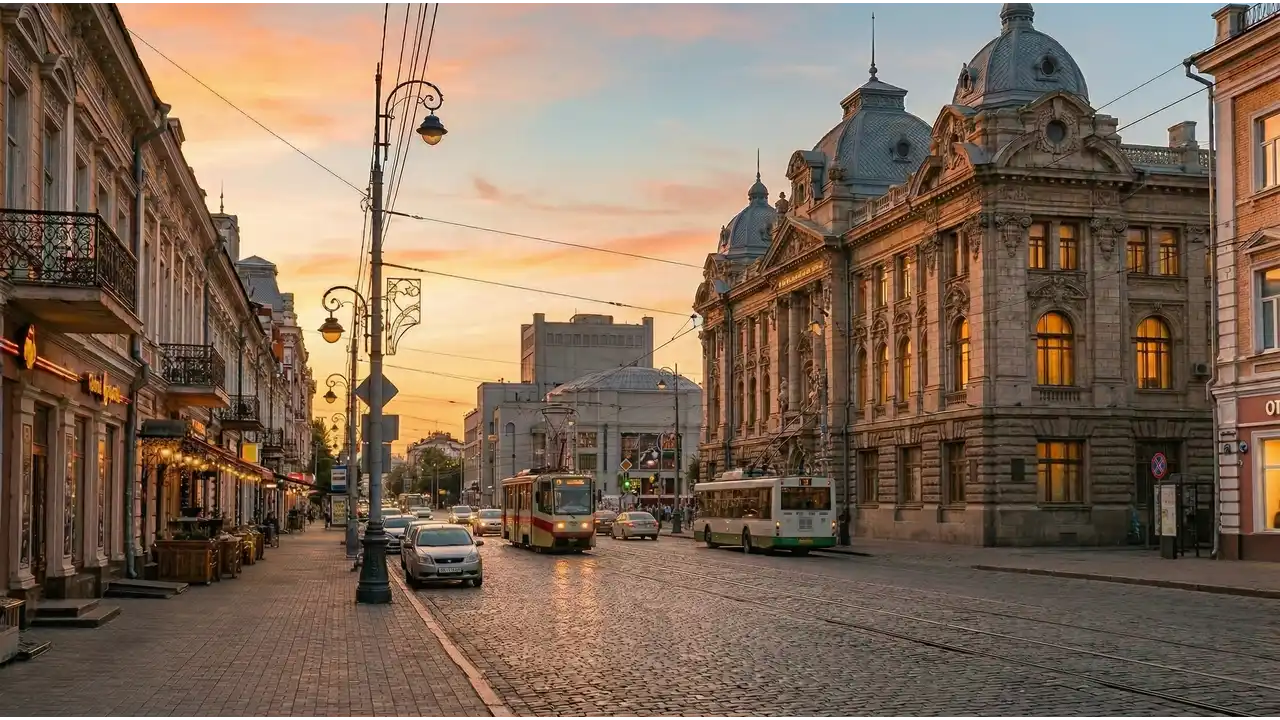
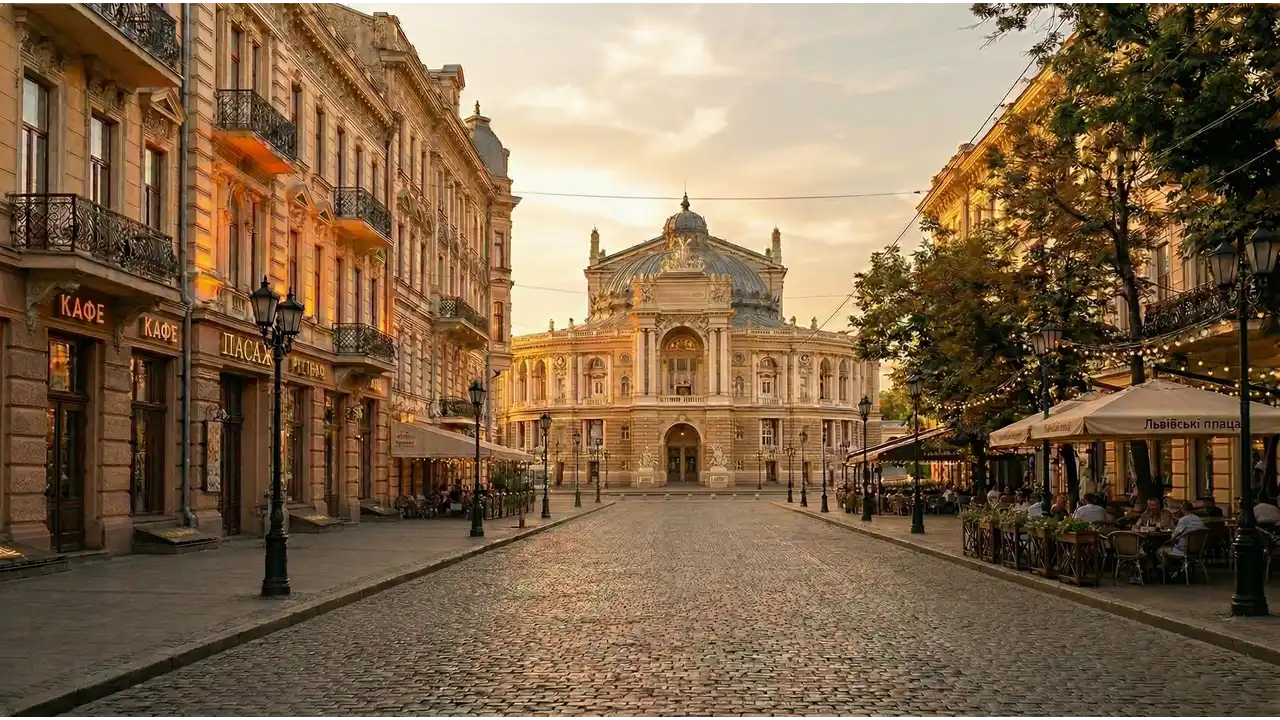
Dnipro is Ukraine's third-largest city, sitting on the Dnieper River in the east-central region. It has a continental climate with cold winters and warm summers. The population is around 1 million, mostly Ukrainian-speaking. Daily life centers on Soviet-era apartment blocks, Soviet-style markets, and a growing cafe culture. Public transport runs on metro, tram, and bus systems. The city has industrial heritage but a functioning downtown with shops, restaurants, and parks. Life here moves at a slower pace than Kyiv, with less expat infrastructure but lower costs and a more local feel.
💡 Local Insights
Dnipro · 2026
Dnipro costs less than Kyiv or Lviv, making it attractive for remote workers and long-term expats. Housing at $385/month reflects typical rents for a one-bedroom apartment in central neighborhoods like Centrum or Podil, or a two-bedroom in outer areas. Shared Soviet-era apartments run cheaper; newer buildings cost more. Groceries at $166/month assume shopping at local markets (Privat, ATB chains) rather than imported goods. Local produce, bread, and dairy are inexpensive. Eating out at a local cafe costs $3-6 per meal; Western restaurants are scarce and pricier. Transport is cheap: a monthly metro/tram pass costs around $10. Utilities (heat, water, electricity) add $40-80 depending on season and usage. Expats often pay slightly more for furnished apartments or English-speaking services, but baseline local prices remain low. Banking and visa costs vary by nationality. Winter heating bills spike significantly.
Frequently Asked Questions
How much does it cost to live in Dnipro per month?
A moderate lifestyle in Dnipro costs around $900/month. This breaks down roughly as: housing $385/month, groceries $166/month, utilities $50-80/month, transport $10/month, and discretionary spending on dining, entertainment, and personal care making up the remainder. A budget lifestyle can run $540/month if you share housing, cook all meals, and minimize outings. A comfortable lifestyle with dining out, gym membership, and travel reaches $1,395/month. Actual costs depend on neighborhood, apartment condition, and whether you shop at local markets or import-focused stores.
What is the average rent in Dnipro?
Average rent is around $385/month for a one-bedroom apartment in central neighborhoods like Centrum, Podil, or Nizhnydniprovskyi district. Two-bedroom apartments in central areas run $450-550/month. Outer neighborhoods like Industrialnyi or Kholodnohirskyi offer one-bedroom units for $300-350/month. Soviet-era shared apartments (kommunalka) can be found for $200-250/month but come with shared kitchens and utilities. Newer or furnished apartments command 20-40 percent premiums. Utilities (electricity, water, heat) average $40-80/month depending on season. Landlords occasionally quote in hryvnia, so confirm the exchange rate. Most leases run month-to-month or annual.
Is Dnipro cheap to live in for expats?
Yes, by most standards. At $900/month for a moderate lifestyle, Dnipro is cheaper than Kyiv (which runs $1,100-1,300/month for the same tier), Lviv ($1,000-1,200/month), and significantly cheaper than Western European or North American cities. However, expats often pay premiums: furnished apartments cost 30-50 percent more than unfurnished ones; English-speaking landlords may charge higher rates; and convenience shopping (imported foods, English-language services) adds expense. If you adopt local habits (unfurnished housing, local markets, public transport, local restaurants), costs stay very low. If you maintain expat lifestyle (imported groceries, taxis, English-speaking services), budget $1,200-1,500/month. The tradeoff is expat infrastructure: fewer English speakers, fewer international schools, and fewer expatriate social networks than in Kyiv.
How much does food cost per month in Dnipro?
Groceries average $166/month when shopping at local markets and chain stores (Privat, ATB, Silpo). Specific prices: bread $0.50-1 per loaf, chicken $5-7/kg, milk $1.50-2/liter, eggs $2-3/dozen, potatoes $0.30-0.50/kg. Eating out is inexpensive: a lunch plate at a local cafe (plov, borsch, cutlet with sides) costs $2-4. A beer at a bar runs $1.50-3. Dinners at casual restaurants cost $5-10 per person. Imported or Western-style restaurants in central locations charge $12-25 per meal. Seasonal variation matters: spring and summer produce (tomatoes, cucumbers, berries) is cheapest at markets. Winter relies on stored vegetables, raising costs slightly. Alcohol from liquor stores is cheap (domestic vodka $3-5/bottle, wine $4-8).
What salary do you need to live comfortably in Dnipro?
A comfortable lifestyle costs around $1,395/month. This covers a nicer one or two-bedroom apartment, dining out 2-3 times per week, gym membership, occasional entertainment and travel, and buffer for unexpected expenses. In monthly income, aim for $1,400-1,500 to account for taxes and currency fluctuations if earning in hryvnia. Remote workers earning in USD or EUR will find this very comfortable. Local salaries in Dnipro average $400-600/month, so expats with external income have significant purchasing power. If you plan to travel frequently, support dependents, or maintain a Western-style diet and services, budget $1,800-2,000/month. The comfortable tier assumes you live locally (unfurnished apartment, local restaurants, public transport, local shops).
How does the cost of living in Dnipro compare to other places?
Dnipro is genuinely affordable compared to most European cities. A moderate lifestyle costs $900 per month, with housing at $385 per month. Within Ukraine, Kharkiv runs cheaper at $650 monthly, while Odesa sits just above Dnipro at $800 per month. If you're comparing to Russian cities, Yekaterinburg costs substantially more at $1,250 per month. What makes Dnipro competitive is that you're getting a real city with decent infrastructure, universities, and cultural amenities at prices that would barely cover a cramped apartment elsewhere in Europe. The tradeoff is lower salaries for local employment, so Dnipro works best if you're earning in hard currency or living on savings. For Western Europeans or North Americans, it remains one of the cheapest major urban centers on the continent.
Yes, but with constraints. A $540/month budget works if you share an apartment (reducing rent to $180-220/month), cook all meals from local markets ($130-150/month), use public transport ($10/month), minimize dining out, and avoid imported goods. Utilities and phone add $30-40/month. This leaves almost nothing for emergencies, clothing, entertainment, or travel. It's feasible for someone with minimal expenses or already owning necessities. Local workers and students live this way. For an expat, this requires adaptation: no furnished apartments, no cafes, no taxi use, no gym, limited socializing. A more sustainable tight budget is $650-750/month (private room, some dining out, occasional entertainment). The $540 figure works short-term but risks being unsustainable long-term without savings or additional income sources.