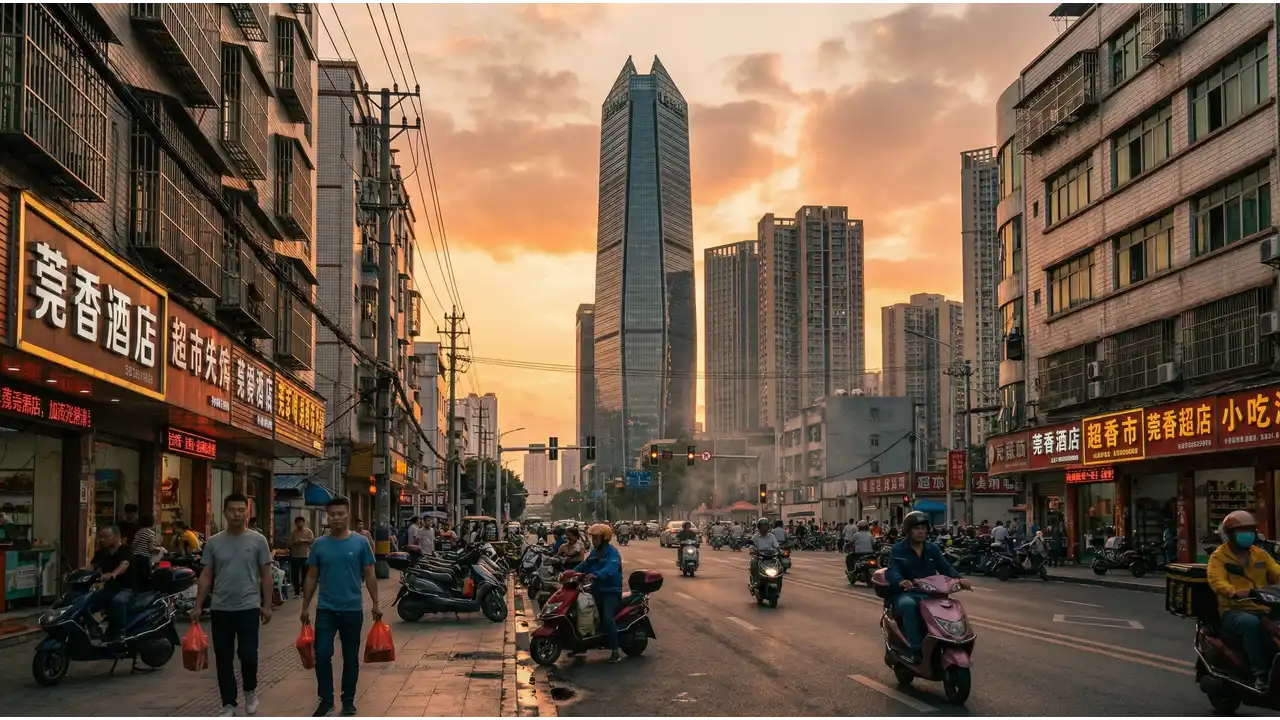
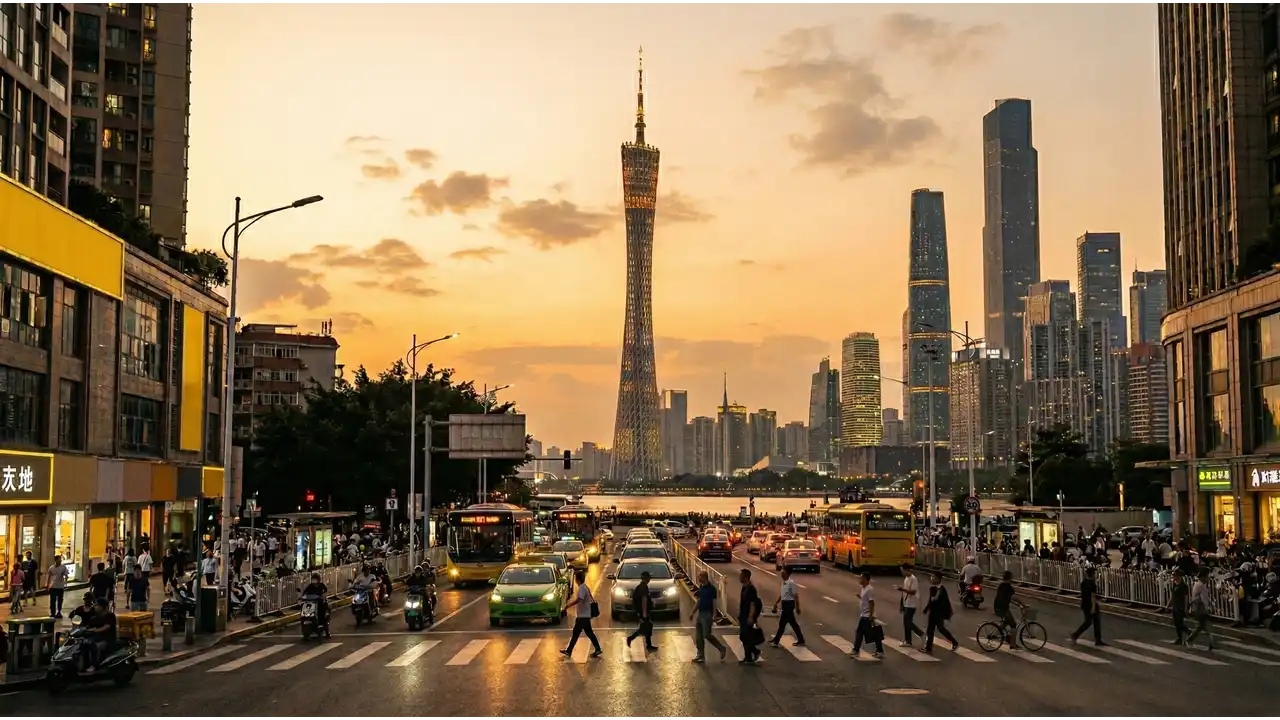
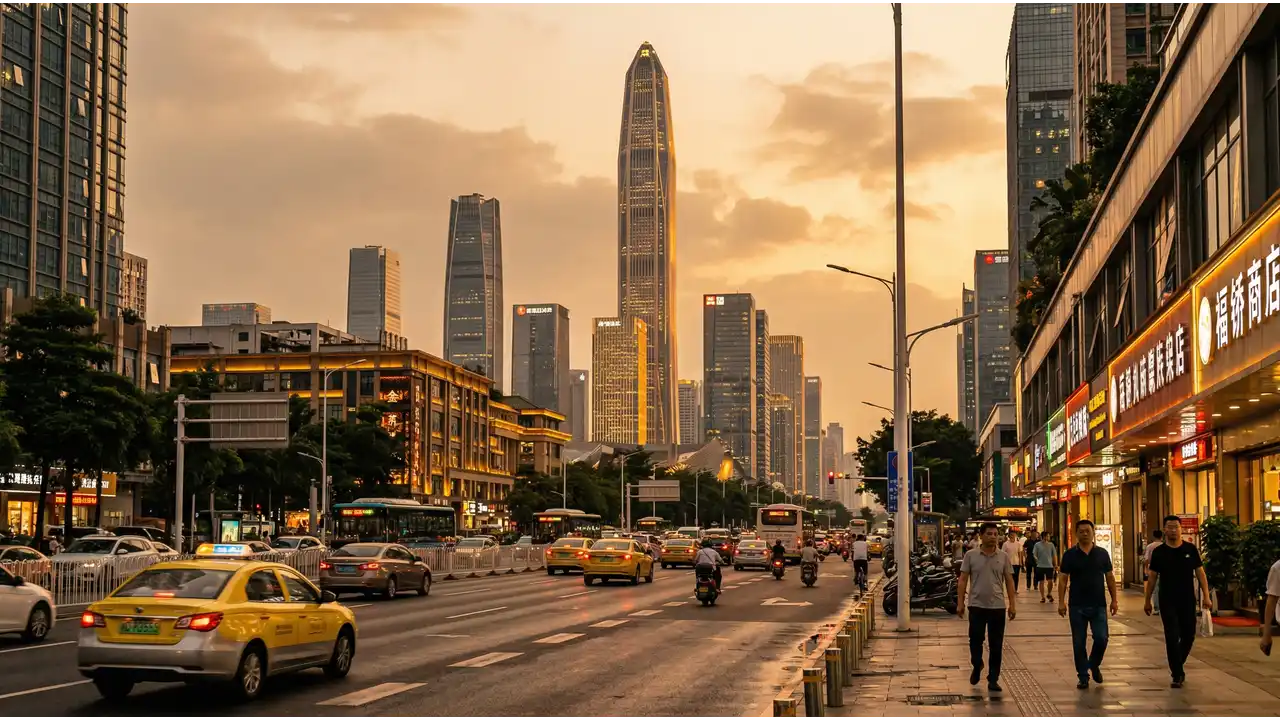
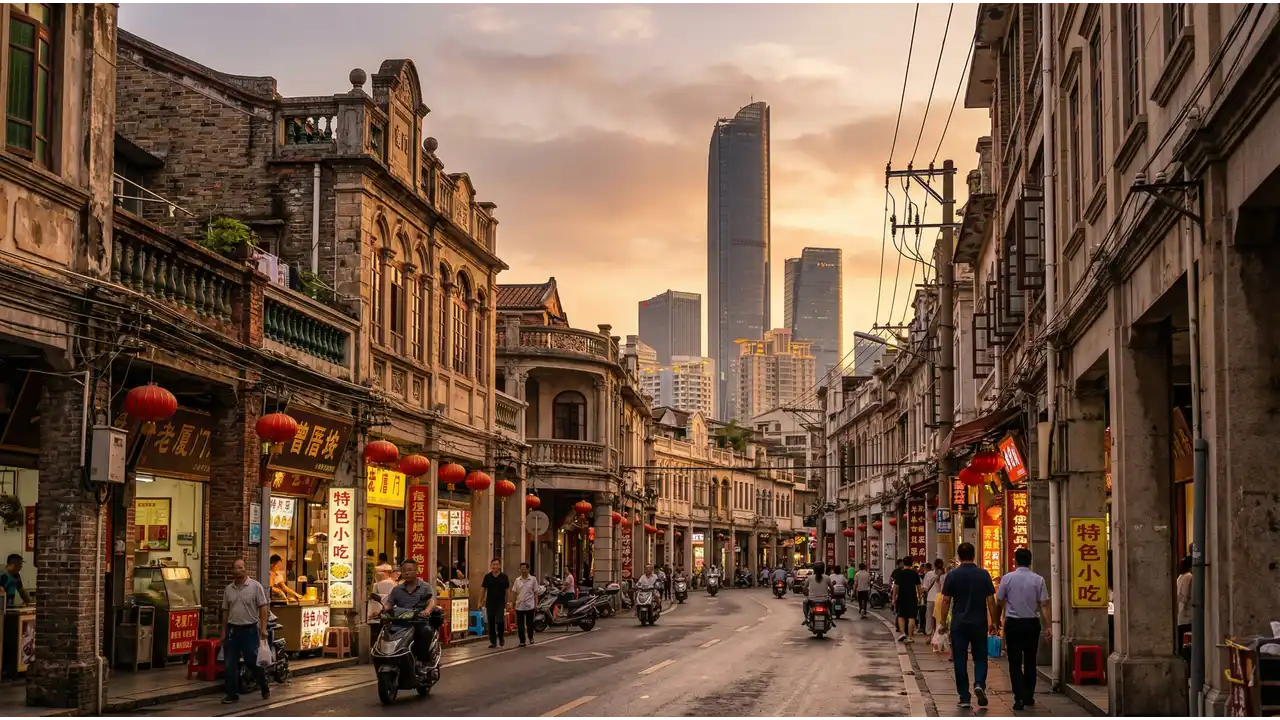
Dongguan is a sprawling manufacturing hub in Guangdong Province, about 30 kilometers southeast of Guangzhou. It is home to roughly 8 million people, most of them migrant workers and their families drawn by factory jobs and related commerce. The city has a humid subtropical climate with hot, wet summers and mild winters. Daily life centers on neighborhoods organized by industrial zones and residential clusters. Most residents commute by bus, bike, or motorcycle. Expats are present but not dense. The city lacks the cosmopolitan feel of Shenzhen or Shanghai; it is fundamentally a working city where cost of living remains low and the pace is practical rather than leisurely.
💡 Local Insights
Dongguan · 2026
Dongguan's low cost of living reflects its role as a manufacturing and export center rather than a premium destination. Housing across Dongguan varies significantly by neighborhood and distance from industrial zones. The $371/month figure shown is the national China average that Dongguan inherits in this data; Dongguan itself has no separate measurement. Locally, a basic one-bedroom apartment in older residential areas rents for roughly $300 to $500 per month, though newer developments or expatriate-oriented complexes can exceed $700. Neighborhoods near the port and factory clusters are cheaper; those closer to Guangzhou are pricier. Groceries are inexpensive. Local wet markets and supermarkets like Carrefour offer produce, rice, and staple proteins at roughly $195/month for one person eating modestly. Street food and casual restaurants add eating-out flexibility at $2 to $5 per meal. Transport is efficient and cheap: buses cost around $0.40 per ride, and most residents use shared bikes or motorcycles. Expats pay modestly more for familiar goods and housing in designated areas, but the premium is smaller than in Shenzhen or Shanghai. Negotiating rent directly with landlords (often in Chinese) can yield better rates than corporate housing agencies.
Frequently Asked Questions
How much does it cost to live in Dongguan per month?
A moderate lifestyle in Dongguan costs $975/month. This breaks down roughly as: housing at $371/month (the national China average), food and groceries at $195/month, utilities and household supplies at around $80/month, transportation at $40 to $60/month, and discretionary spending (dining out, entertainment, personal care) at $150 to $200/month. A budget lifestyle runs $585/month by cutting housing and eating out; a comfortable lifestyle reaches $1,511/month by upgrading housing and adding more frequent restaurant meals and activities. Costs vary by neighborhood and personal habits.
What is the average rent in Dongguan?
The $371/month housing figure shown is the national China average that Dongguan inherits rather than a separately measured Dongguan rent. In practice, renters in Dongguan encounter a wide range. A basic one-bedroom apartment in older neighborhoods near factories or industrial zones rents for $300 to $450/month. Mid-range furnished apartments in developing residential areas run $500 to $700/month. Newer complexes or those marketed to expats can reach $800 to $1,200/month. Location matters significantly: proximity to Guangzhou and major transit hubs commands higher rents. Direct negotiation with Chinese landlords often yields 5 to 10 percent discounts over posted prices. Furnished units are common and cost 10 to 20 percent more than unfurnished.
Is Dongguan cheap to live in for expats?
Yes, relative to Shenzhen, Shanghai, or Beijing, Dongguan is genuinely inexpensive. An expat moderate lifestyle at $975/month is realistic and comfortable. However, Dongguan is primarily a manufacturing city, not a cosmopolitan expatriate hub. Expats here tend to be factory managers, engineers, or business owners tied to the industrial base, not digital nomads or lifestyle expats. Familiar Western groceries and restaurants exist but cost 20 to 50 percent more than local equivalents. English speakers are fewer than in first-tier cities. Medical and education options are adequate but less extensive. The payoff is low cost and genuine local immersion; the trade-off is fewer Western amenities and a working-class city atmosphere rather than leisure-oriented appeal.
How much does food cost per month in Dongguan?
Groceries for one person cost roughly $195/month at local wet markets and supermarkets. A week of basic shopping (rice, vegetables, eggs, local fish or pork, tofu) runs $8 to $12. Convenience supermarkets like Carrefour cost 15 to 25 percent more. Eating out is very cheap: noodle stalls, street food, and casual restaurants charge $1.50 to $4 per meal. A sit-down lunch with rice, vegetables, and protein costs $3 to $5. Mid-range restaurants (pizza, hotpot, dim sum) run $6 to $12 per person. Imported Western foods cost 2 to 3 times local prices. Cooking at home is substantially cheaper; most expats and local residents spend $150 to $250/month on food including occasional restaurant meals.
What salary do you need to live comfortably in Dongguan?
A comfortable lifestyle costs $1,511/month. This assumes a one-bedroom apartment in a decent neighborhood, regular restaurant meals or takeout, regular entertainment, travel, and some buffer for unexpected costs. In annual terms, that is roughly $18,000 per year or $1,500/month. For expat professionals in Dongguan's manufacturing and logistics sectors, typical salaries start at $1,200 to $1,500/month for engineers or managers, and $800 to $1,200/month for skilled workers. Local Chinese workers earn less. Many expats live on moderate budgets ($975/month) and bank the difference. Healthcare, children's education, and frequent international travel push costs higher; minimalist living or sharing housing pushes them down.
How does the cost of living in Dongguan compare to other places?
Dongguan sits in the middle of the regional cost spectrum. A moderate lifestyle here costs $975 per month, with housing at $371 per month. That puts it slightly above peer cities like Penang, where a moderate lifestyle runs $900 per month and housing costs $336 per month. If you're coming from a cheaper market, know that Delhi supports a moderate lifestyle for $675 per month with housing at $299 per month, so Dongguan will feel noticeably more expensive. On the other end, Jeddah runs considerably dearer at $1,350 per month for a moderate lifestyle and $554 per month for housing. For expats and remote workers, Dongguan offers reasonable value compared to developed-world cities, though it's pricier than South Asia while cheaper than Gulf employment hubs.
Yes, but with careful choices. The budget tier of $585/month requires a basic unfurnished apartment ($250 to $350/month), groceries and street food ($180/month), minimal utilities and transport ($80/month), and almost no discretionary spending. This is realistic for single expat workers, particularly if housing is employer-provided or shared. It means eating at street stalls and wet markets, using public buses, buying clothes locally, skipping restaurants and paid entertainment, and avoiding imports. Chinese residents and migrant workers live this way routinely. For expats, it is doable but restricts social life and comfort. Most expats who attempt it spend closer to $800 to $975/month by adding occasional dinners out and better housing. Going below $585 requires significant sacrifices and is practical mainly for ultra-budget backpackers passing through.