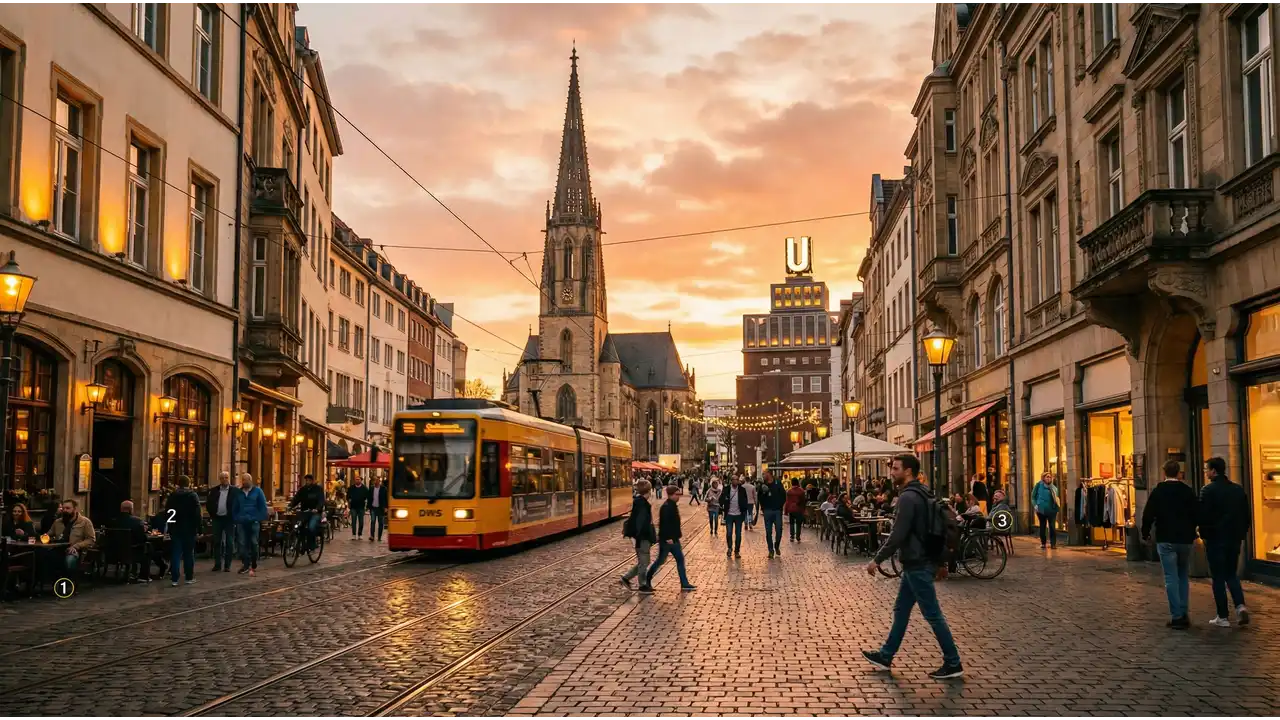
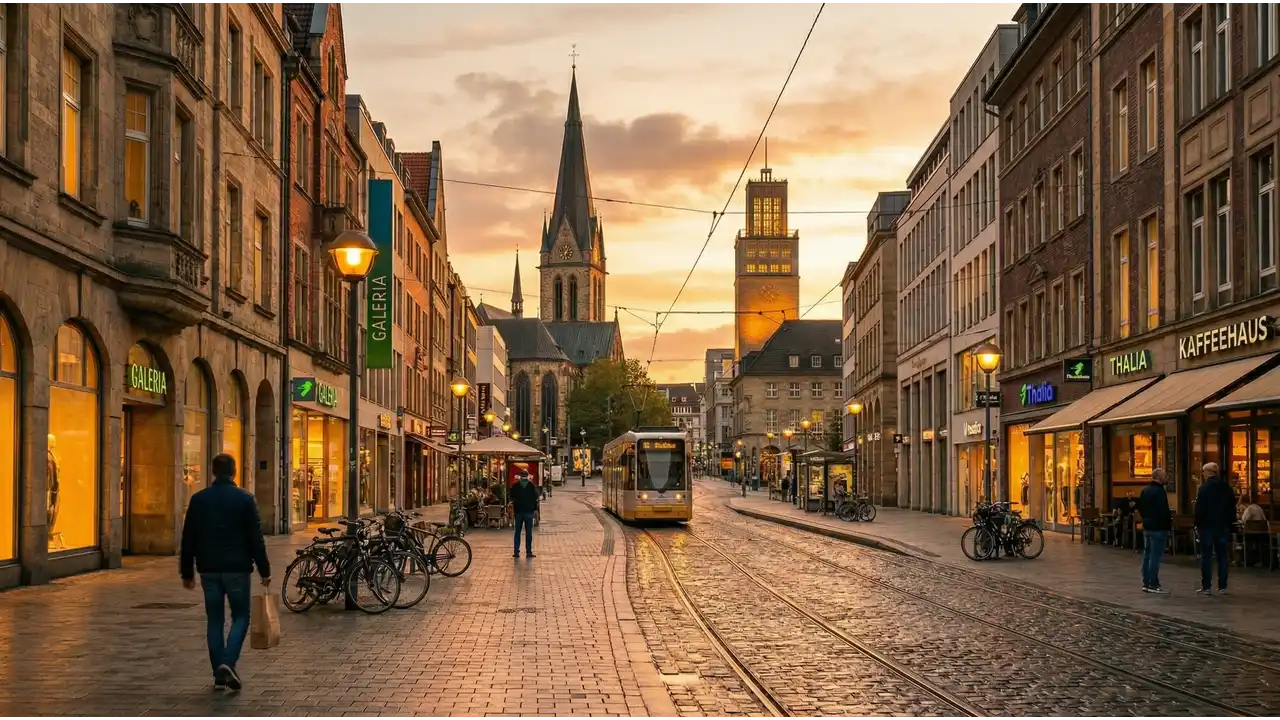
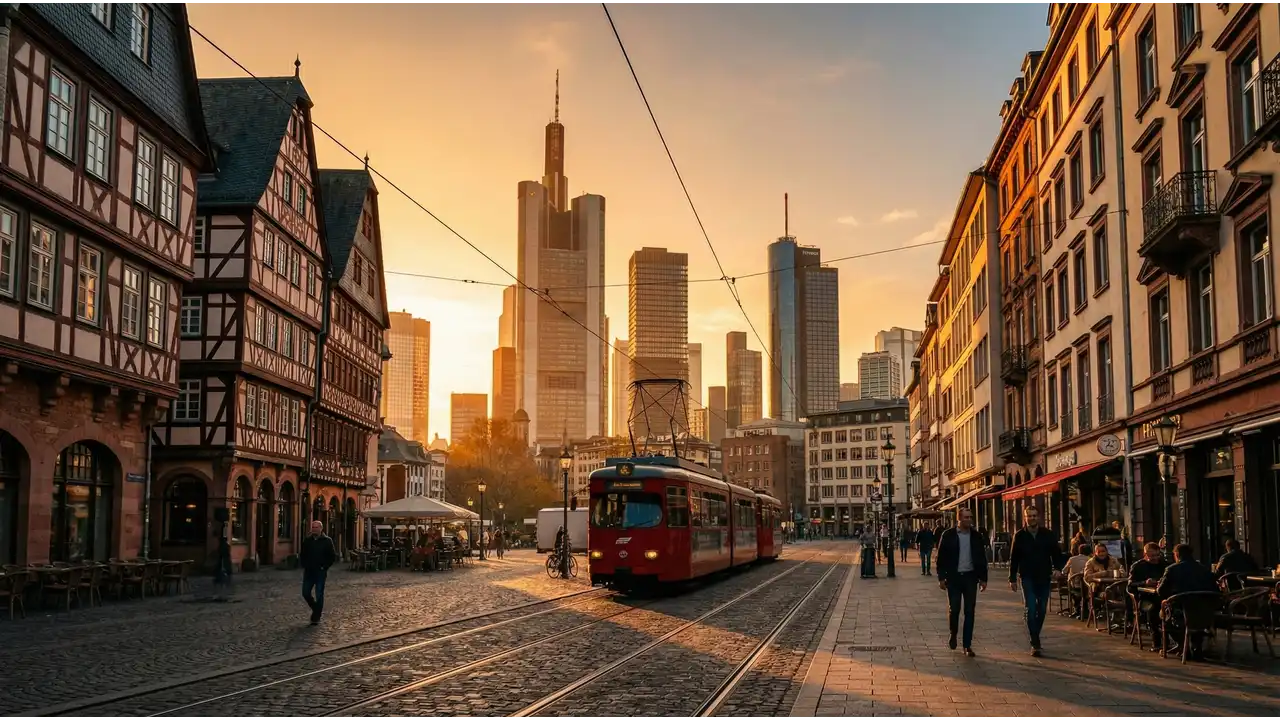
Dortmund is a post-industrial city in western Germany's Ruhr Valley, roughly 400,000 people, known for steel history and Borussia Dortmund football club. Winter is grey and cold (often below freezing December through February). Daily life centers on efficient public transit, cafes, and neighborhood markets. The city has a working-class character, not a tourist one. You'll find young professionals, students, long-term German residents, and expat communities from Eastern Europe, Asia, and the Middle East. The pace is steady rather than frantic. Neighborhoods range from rebuilt downtown districts to quiet residential areas with older walk-up apartments. Most errands are walkable or reachable by tram and U-Bahn.
💡 Local Insights
Dortmund · 2026
Dortmund's cost of living around $1,775/month is substantially lower than Munich, Berlin, or Cologne, partly because it lacks their tourism and finance sectors. Housing dominates the budget at $601/month. A one-bedroom apartment in central districts like Kreuzviertel or Dortmund-City runs $550-$700/month; suburban areas like Hombruch drop to $450-$550/month. Utilities (heat, water, internet) add $150-$200/month. Groceries average $379/month; a kilogram of bread costs around $1.50, milk €0.80-$1, chicken €5-$7 per kilogram at Rewe or Aldi. Eating out is cheap by Western European standards: a meal at a local restaurant averages $10-$14. Public transport is bundled into a monthly pass at around $100. Expats often pay slightly more for furnished apartments but rarely encounter the "foreigner markup" common in Berlin. The city's decline and recovery mean rents are stable and unlikely to spike quickly.
Frequently Asked Questions
How much does it cost to live in Dortmund per month?
A moderate lifestyle costs $1,775/month. This covers rent ($601/month), groceries ($379/month), utilities and internet ($150-$200), public transport ($100), and discretionary spending. A tighter budget works at $1,065/month by sharing housing, cooking at home, and using public transit. A comfortable lifestyle with dining out, hobbies, and a larger apartment runs $2,751/month. Actual costs depend heavily on neighborhood and personal habits, especially housing.
What is the average rent in Dortmund?
Average rent aligns with $601/month for a one-bedroom apartment. In central neighborhoods like Kreuzviertel, expect $550-$700/month; in quieter residential areas like Hombruch or Aplerbeck, $450-$550/month. Furnished short-term rentals run $600-$800/month and are more common for expats in their first months. A two-bedroom in central areas costs $700-$900/month. Utility costs (heating, water, internet) typically add another $150-$200/month. New construction or premium locations command higher rates, but most of Dortmund's housing stock is older apartments without major renovations.
Is Dortmund cheap to live in for expats?
Yes, Dortmund is genuinely affordable for expats compared to major Western European cities. Rent at $601/month is roughly 40% lower than Munich or Hamburg. However, expat communities sometimes congregate in pricier central neighborhoods, and furnished apartments cost more than unfurnished. The city lacks Berlin's expat infrastructure and nightlife, so some expats find it slower or less social at first. Visa requirements for non-EU citizens remain strict (you need a job offer or savings proof). If your reference point is Western Europe, Dortmund is cheap; if it's Eastern Europe or Asia, it's moderate.
How much does food cost per month in Dortmund?
Groceries average $379/month for one person, shopping at mainstream stores like Rewe, Aldi, or Lidl. Bread costs around $1.50 per kilogram, milk €0.80-$1, eggs €2-$3 per dozen, chicken €5-$7 per kilogram, and pasta €1-$2 per box. Markets and discount chains are cheaper; organic stores cost 30-50% more. Eating out is affordable: a lunch special (Mittagstisch) at a local restaurant runs $8-$12, a coffee €2.50-$3.50. Groceries are slightly cheaper than Berlin but comparable to other industrial German cities. International food is available but more expensive than local staples.
What salary do you need to live comfortably in Dortmund?
A comfortable lifestyle costs $2,751/month, requiring a gross salary of roughly $3,500-$3,800/month (after German taxes and social insurance). This budget allows for a nicer apartment ($700-$800/month), regular dining out, hobbies, travel, and savings. Renters earning less than $3,000/month often report cutting back on restaurants, entertainment, or larger living space. A couple with a combined gross income of $5,500-$6,000/month lives very comfortably. Entry-level jobs in tech, healthcare, and education pay $2,200-$2,800/month gross; skilled trades and experienced professionals earn $3,000-$4,500/month gross.
How does the cost of living in Dortmund compare to other places?
Dortmund sits in the middle range for German cities. A moderate lifestyle costs $1,775 per month here, with housing running $601 per month. That makes it notably cheaper than Madrid, where the same moderate lifestyle reaches $2,450 per month and housing alone costs $1,442 per month. Dortmund is slightly more expensive than Alicante, which runs $1,650 per month overall with housing at $772 per month. If you're coming from a significantly cheaper city, Dortmund will feel like a step up. For instance, Sarajevo costs just $1,200 per month with housing at $480 per month. But compared to other major German metros and Western European capitals, Dortmund offers solid value, particularly for housing. Your money stretches further here than in flagship cities while still giving you access to good transport, culture, and services.
Yes, but with real constraints. This is the budget tier, achievable by sharing a two-bedroom apartment ($280-$350/person with utilities), buying groceries at Aldi or Lidl, cooking at home, and using public transit. You'll cut out restaurants, entertainment, and frequent travel. Health insurance ($120/month minimum) is mandatory for residents. This budget works for students, shift workers, or people with additional income (freelance, side gigs). Unexpected costs like appliance repair or dental work force cuts elsewhere. It's sustainable for months but stressful long-term; most residents earning this amount receive housing assistance (Wohngeld) from the German state.