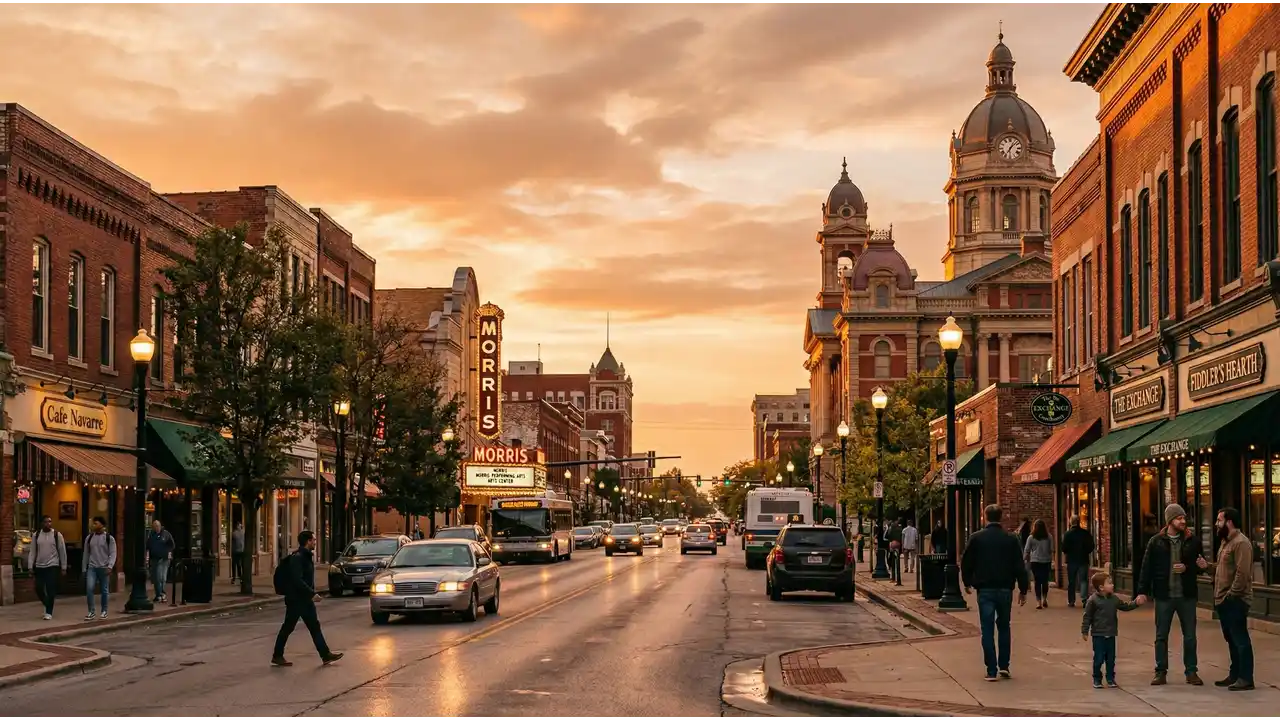
Fort Wayne is Indiana's second-largest city, sitting in the state's northeast corner. It's a post-industrial manufacturing hub that has shifted toward healthcare, education, and light industry. The population is around 250,000, with a mix of working-class and middle-class residents, growing immigrant communities, and a steady student population from local universities. Daily life revolves around affordable neighborhoods, chain restaurants and local diners, car-dependent commuting, and a genuine four-season climate with cold winters. The downtown has seen modest revitalization, but most residents live in quieter residential areas or suburbs. It's not a destination city, but a functional place where people actually live and work.
💡 Local Insights
Fort Wayne IN · 2026
Fort Wayne's cost advantage is straightforward: low housing and affordable groceries. Rent runs $916/month on average, with two-bedroom apartments in established neighborhoods like South Wayne or Waynedale landing around $800 to $950. Older single-family homes in South Side or East Central areas rent for $750 to $900. Downtown lofts cost more, typically $1,000 to $1,200, but the market is thin. Owner-occupied housing is even cheaper, making it attractive for purchase. Groceries cost $503/month and track closely to Midwest averages. Aldi and Kroger dominate, with standard prices for staples. Eating out is inexpensive: casual restaurants run $10 to $15 per meal, fast food under $10. Public transportation is minimal (Fort Wayne Transit runs limited bus routes), so car ownership is essential. Insurance, fuel, and maintenance become major line items for most residents. Utilities run higher in winter due to heating demands. Expats find pricing transparent and no local price stratification; the city is not a tourism hub.
Frequently Asked Questions
How much does it cost to live in Fort Wayne IN per month?
A moderate lifestyle costs $2,475/month. This covers housing ($916/month), groceries ($503/month), utilities, transportation, dining out, and miscellaneous expenses. A budget lifestyle runs $1,485/month, cutting back on dining out and discretionary spending. A comfortable lifestyle costs $3,836/month, allowing for higher-quality housing, frequent dining, recreation, and savings. These figures assume a single adult or household managing shared costs. Family costs scale with additional dependents and housing needs.
What is the average rent in Fort Wayne IN?
Average rent is $916/month. Two-bedroom apartments in stable neighborhoods like South Wayne or Waynedale rent for $800 to $950/month. Older single-family homes on the South Side or East Central rent for $750 to $900/month. Downtown lofts are pricier, typically $1,000 to $1,200/month, but inventory is limited. Studio apartments start around $650/month. Prices vary by condition and proximity to downtown, but supply is plentiful, keeping competition minimal. Landlords often require background checks and proof of income but rarely spike prices for out-of-state renters.
Is Fort Wayne IN cheap to live in for expats?
Yes, Fort Wayne is genuinely affordable for expats compared to global expat hubs. Housing and food are among the lowest in the US Midwest. However, the tradeoff is limited international amenities. Ethnic restaurants and groceries exist for major communities (Hispanic, Asian, Arab), but selection is narrower than in larger Midwestern cities like Chicago or Indianapolis. Public transportation is poor, requiring car ownership. Internet and utilities are reliable. The expat community is small but growing in healthcare and education sectors. Cost savings are real, but quality-of-life factors depend on your work sector and willingness to drive.
How much does food cost per month in Fort Wayne IN?
Groceries average $503/month for a single adult eating home-cooked meals. Aldi and Kroger are the primary chains, with staples like chicken breast ($4 to $6/lb), ground beef ($5 to $7/lb), eggs ($3/dozen), and produce at Midwest standard prices. Eating out is cheap: casual restaurants run $10 to $15 per meal, fast food under $10. A sit-down dinner for two with drinks costs $30 to $50. Specialty or ethnic foods cost more but remain accessible. Overall food is not a major expense compared to coastal US cities.
What salary do you need to live comfortably in Fort Wayne IN?
A comfortable lifestyle costs $3,836/month, which works out to roughly $46,000 per year (gross income before taxes). This allows for $1,100+ housing, more frequent dining out, recreation, travel, and savings. For a household, combined income of $80,000 to $100,000 supports a family of three or four comfortably, with room for childcare, school activities, and modest savings. The federal poverty line is much lower, but comfort requires this higher threshold to avoid stress and maintain quality of life.
How does the cost of living in Fort Wayne IN compare to other places?
Fort Wayne sits comfortably in the lower-middle range for American cities. A moderate lifestyle costs $2,475 per month, with housing at $916 monthly. That makes it significantly cheaper than Portland, where a moderate lifestyle runs $3,325 monthly and housing alone costs $1,590. It's also noticeably less expensive than Omaha, a peer Midwestern city where the moderate budget reaches $2,650 and housing averages $1,111. If you're comparing internationally, Fort Wayne is considerably pricier than Kobe, Japan, where a moderate lifestyle totals $1,675 monthly with housing at $603. The takeaway: Fort Wayne offers genuine affordability within the US context, particularly for housing costs, while remaining typical for the region.
Yes, on the budget tier of $1,485/month. This requires discipline. Rent should stay around $700 to $750/month (a studio or one-bedroom in less central areas). Groceries at $400 to $450/month means cooking almost every meal. No car ownership is unrealistic given poor transit, so transportation costs (insurance, gas, maintenance) cut heavily into remaining funds. Dining out, entertainment, and savings nearly disappear. This budget works for students, single adults with minimal expenses, or people with subsidized housing. It leaves little margin for emergencies or unexpected costs.