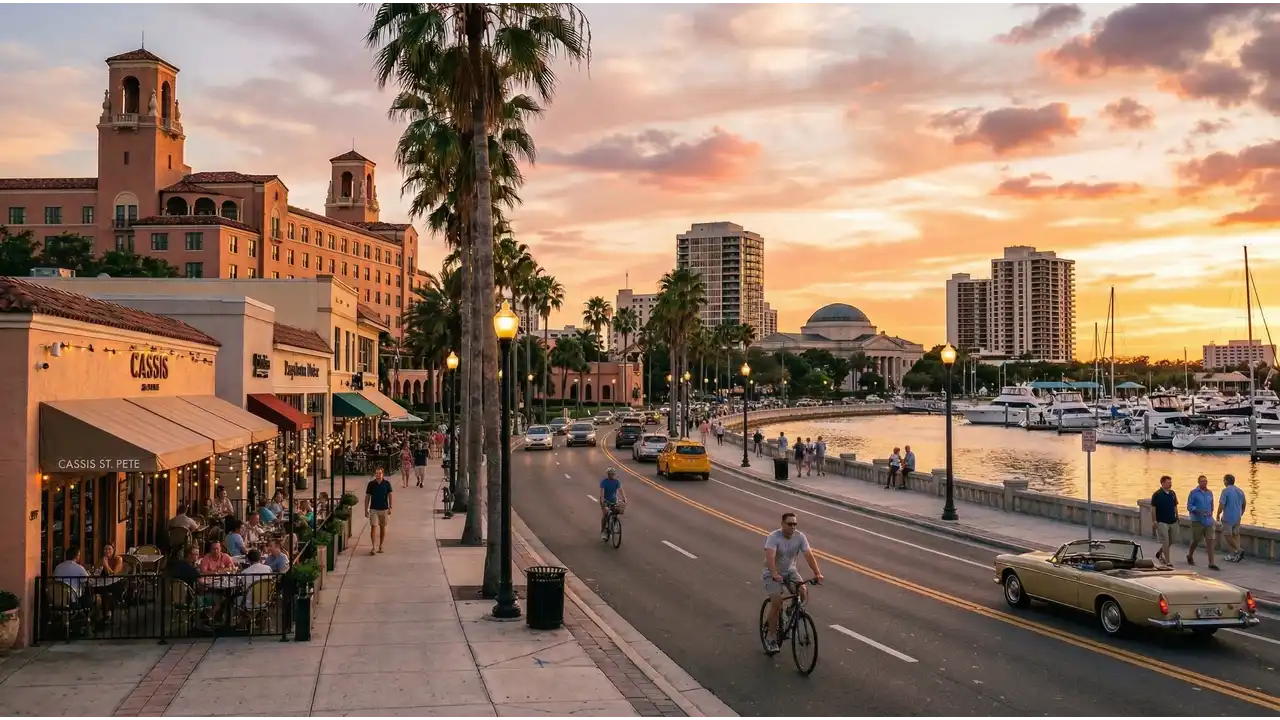
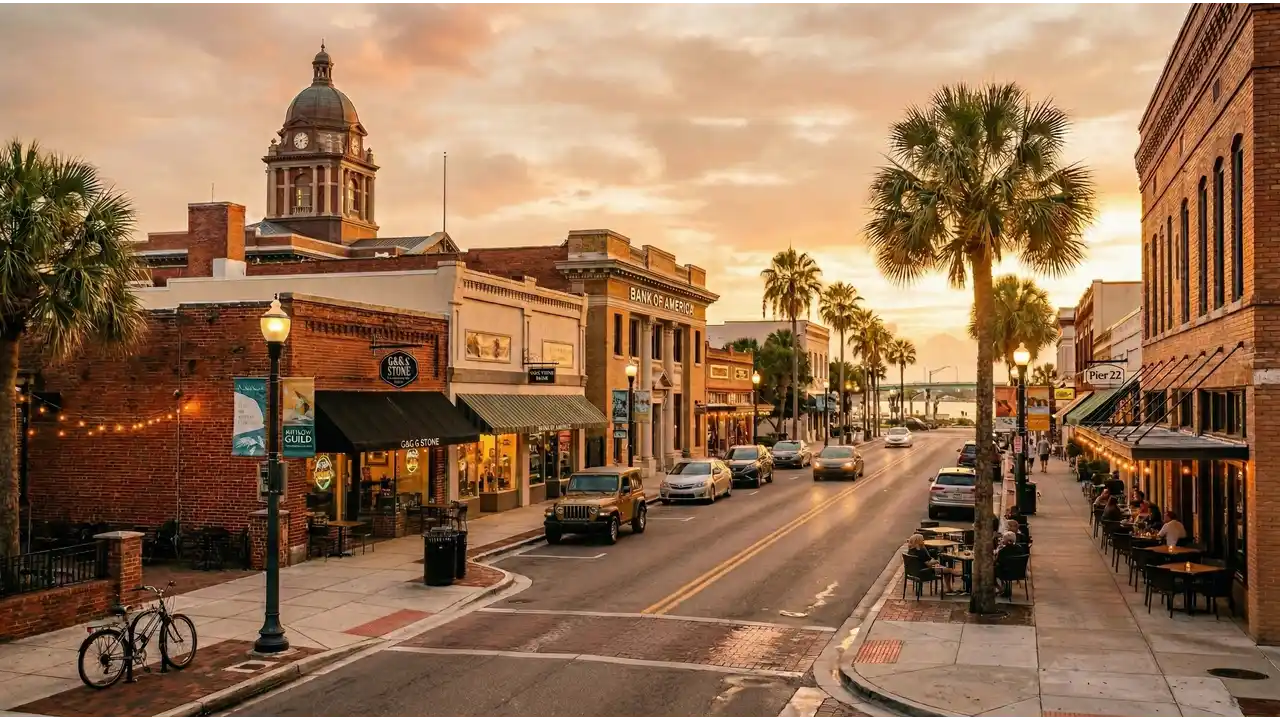
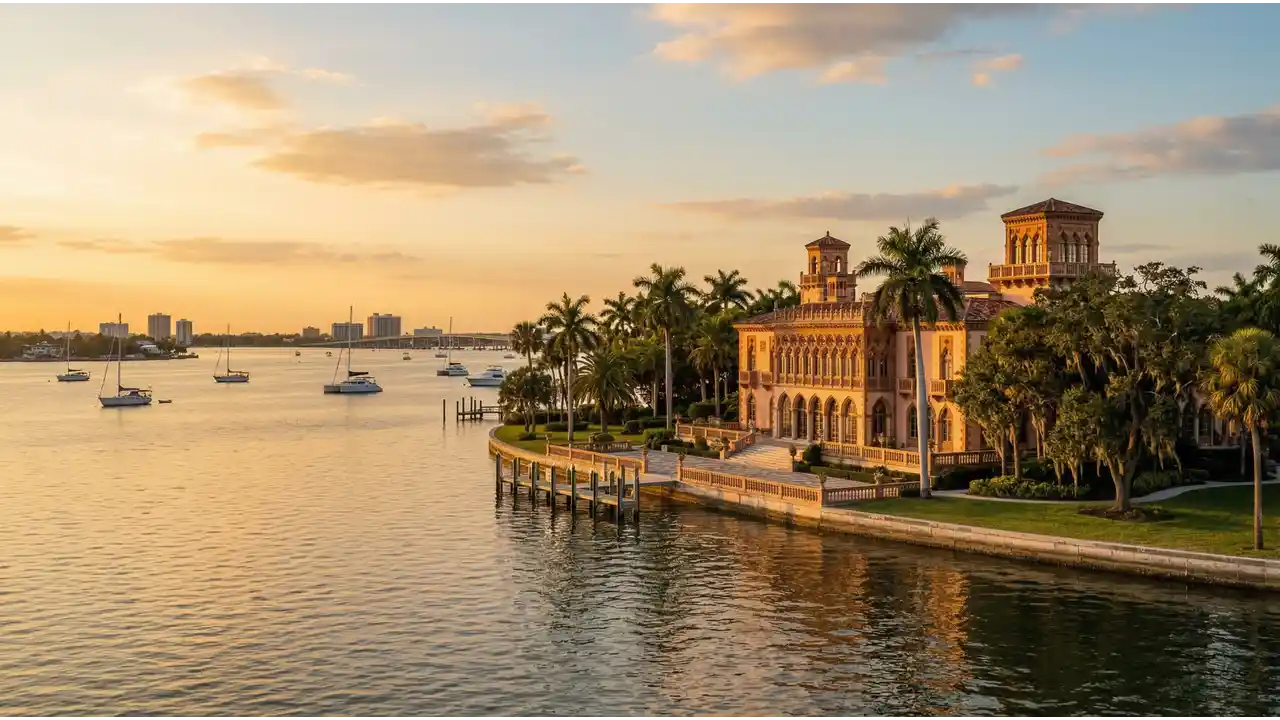
Tampa is a sprawling coastal city on Florida's Gulf Coast, home to roughly 400,000 people with significant populations of young professionals, retirees, and Latin American immigrants. The climate is hot and humid year-round, with intense afternoon thunderstorms in summer. Daily life revolves around car travel; public transit exists but is limited. Neighborhoods range from older downtown districts to newer suburban sprawl. The job market is strongest in healthcare, hospitality, and professional services. Traffic during rush hours is significant. No state income tax in Florida, which affects your actual take-home cost.
💡 Local Insights
Tampa · 2026
Tampa's cost of living sits below the US average, driven partly by Florida's lack of state income tax and relatively competitive housing supply compared to other major metros. Housing costs around $1,492/month for a moderate lifestyle, with variation by neighborhood: older areas like Hyde Park and South Tampa run higher, while newer suburbs like Wesley Chapel or Valrico offer lower rents. Groceries average $519/month, roughly in line with national benchmarks. Transportation costs are significant because the city lacks meaningful public transit; most residents budget for a car, insurance, and gas. Eating out is moderate, with casual meals around $12-$18. Property taxes are low, but home insurance and flood insurance can add cost, especially near water. Utilities run higher in summer due to air conditioning demand. Expats often find Tampa's costs reasonable compared to coastal California or the Northeast, though less affordable than smaller Florida cities.
Frequently Asked Questions
How much does it cost to live in Tampa per month?
A moderate lifestyle in Tampa costs $3,100/month. This breaks down to roughly $1,492 for housing (rent or mortgage), $519 for groceries, and the remainder for utilities, transport, dining out, and discretionary spending. A tighter budget runs $1,860/month if you share housing, eat mostly at home, and minimize travel. A comfortable lifestyle with more flexibility costs $4,805/month. Actual spending varies based on neighborhood, whether you own or rent, and personal spending habits.
What is the average rent in Tampa?
Rent in Tampa averages around $1,492/month for a moderate lifestyle budget. A one-bedroom in downtown or South Tampa neighborhoods like Hyde Park runs $1,400-$1,700. Newer suburban areas like Carrollwood or Westshore average $1,200-$1,500 for the same size. Two-bedroom apartments in central locations run $1,600-$2,000. Older, quieter neighborhoods away from downtown are cheaper, typically $1,000-$1,300. Prices have risen in recent years, but Tampa remains more affordable than Miami or Orlando for comparable housing.
Is Tampa cheap to live in for expats?
Tampa is moderately priced for expats compared to other major US metros. It's more affordable than coastal cities like San Francisco, New York, or Boston, but roughly on par with or slightly more expensive than mid-sized Latin American cities where many expats originate. No state income tax is a real advantage if you earn US income. Housing and food are reasonable, but transportation costs are high because you need a car. Expats from Europe or Asia often find Tampa less expensive overall; those from Central or South America may find it comparable or pricier.
How much does food cost per month in Tampa?
Groceries average $519/month for a single person eating a mixed diet. A week of basic groceries (produce, dairy, proteins, staples) costs $100-$130. Specific items: chicken breast around $4/pound, eggs $3-$4/dozen, milk $3.50/gallon, bread $2.50-$3.50 per loaf. Eating out is moderate: casual lunch $12-$15, dinner at a mid-range restaurant $18-$28. Hispanic groceries and international markets offer lower prices on produce and staples. Restaurant prices are lower than the Northeast but higher than rural areas.
What salary do you need to live comfortably in Tampa?
A comfortable lifestyle in Tampa costs $4,805/month, which translates to roughly $57,600/year before taxes. This budget allows for a one-bedroom apartment in a desirable neighborhood, regular dining out, car ownership, occasional travel, and entertainment. If you earn $60,000-$75,000 annually (gross), you'll live comfortably without financial stress. Factor in Florida's lack of state income tax: a $60,000 salary nets roughly $45,000-$48,000 after federal taxes, which covers the comfortable budget with some savings. For dual-income households, a combined $80,000+ provides substantial comfort and savings capacity.
How does the cost of living in Tampa compare to other places?
Tampa's moderate lifestyle costs $3,100 per month, with housing running $1,492 monthly. This puts it solidly in the middle of the U.S. spectrum.
You'll find Tampa moderately cheaper than Los Angeles, where a moderate lifestyle runs $4,350 monthly and housing costs $2,446. It's slightly less expensive than Pittsburgh, which comes in at $3,200 for a moderate lifestyle and $1,583 for housing. The real savings show up compared to Kansas City, which runs $2,600 monthly overall, though Kansas City's housing is notably lower at $1,097.
The difference largely comes down to Florida's population growth and Tampa's strengthening job market, which have pushed prices up relative to Midwest alternatives. Compared to major coastal cities, though, Tampa remains relatively accessible.
Yes, but with clear trade-offs. The budget tier of $1,860/month works if you share a two-bedroom apartment (reducing individual housing to $800-$900), shop strategically at discount grocers, cook at home most days, use public transit or carpool, and skip frequent dining out. Single-person living on this budget means a studio or one-bedroom in an outer neighborhood, minimal discretionary spending, and careful expense tracking. It's viable for students or remote workers with flexibility, less realistic for someone needing reliability or social flexibility. Most people find $2,400-$2,800/month a more sustainable baseline for independent living.