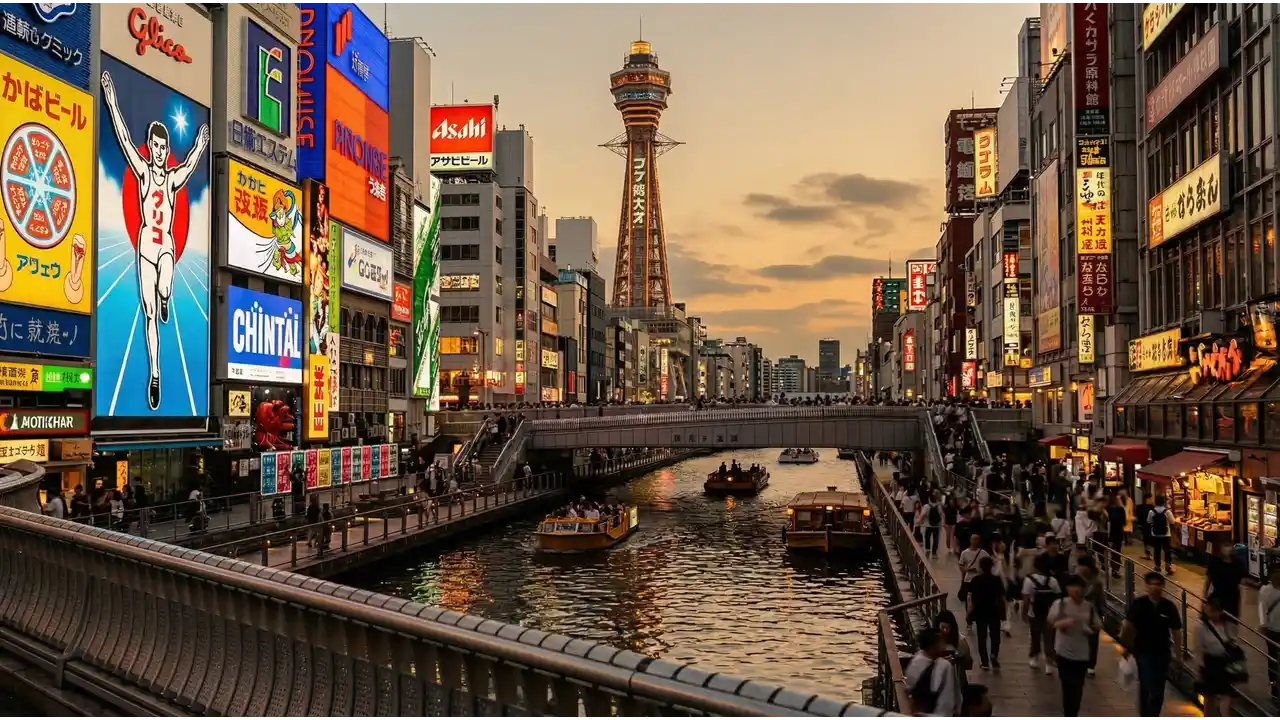
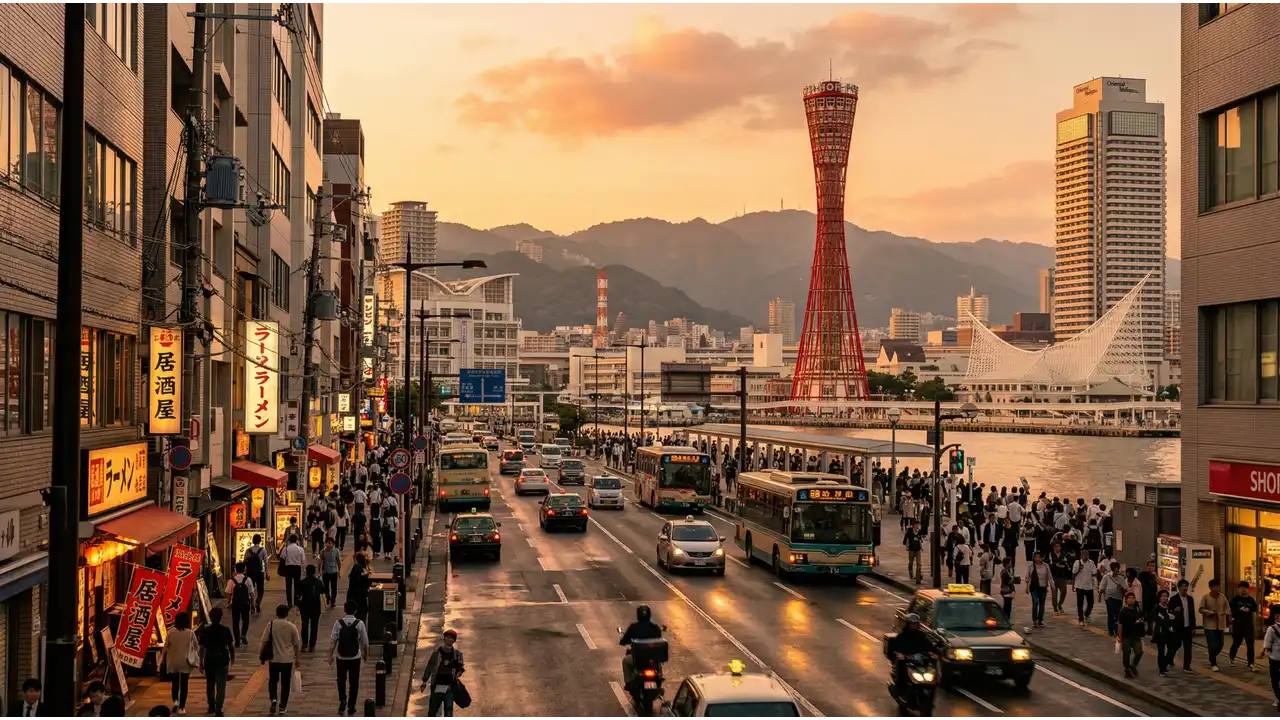
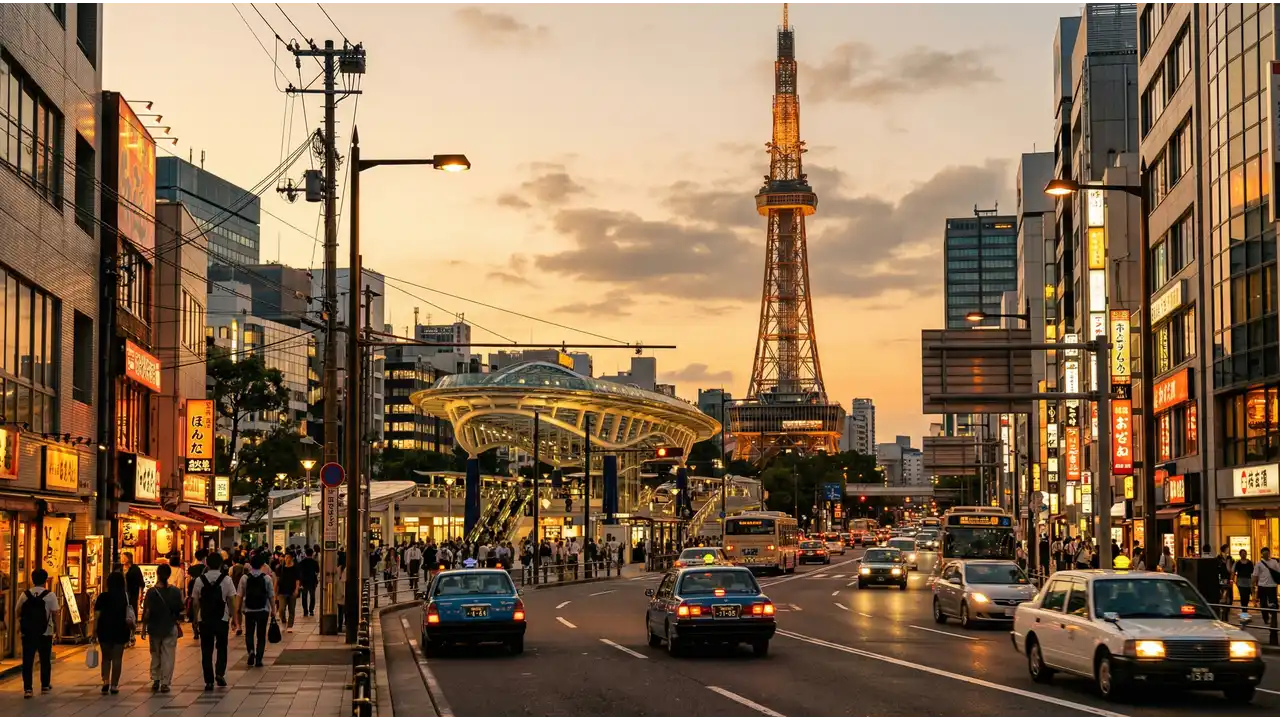
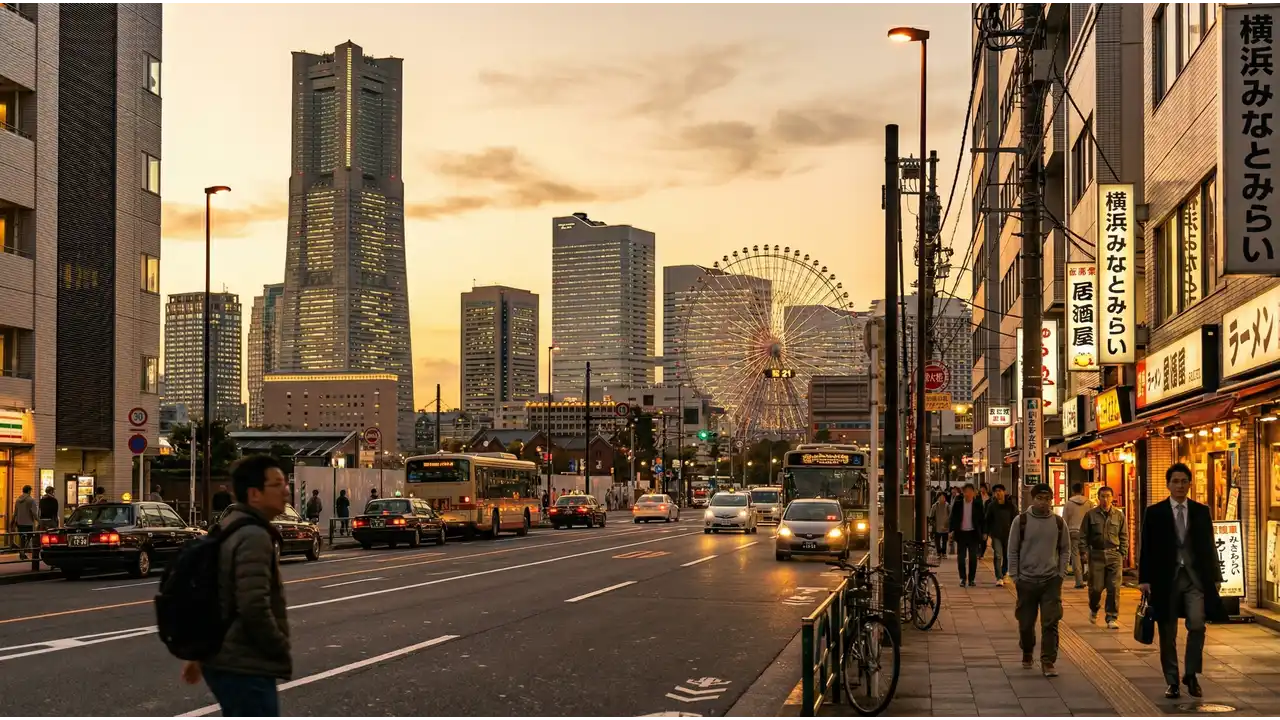
Osaka is Japan's second-largest metropolitan area, a working city rather than a tourist destination. It functions as a commercial and manufacturing hub with a distinct local culture. The climate is humid subtropical, with hot summers and mild winters. Daily life centers on train commuting, convenience store culture, and neighborhood eating establishments. The population is predominantly Japanese with growing expat communities in specific wards like Chuo and Konohana. People here are direct in manner compared to Tokyo. The food scene is casual and affordable, focused on street food and small restaurants rather than fine dining.
💡 Local Insights
Osaka · 2026
Osaka costs roughly 20% less than Tokyo at the moderate tier. Housing at $722/month typically means a small apartment (1 room or 1LDK) in outer wards like Yodogawa, Asahi, or Higashiyodogawa, or a shared flat in central Chuo. Inner-city locations command higher rents. Groceries at $235/month are achievable through konbini chains and local supermarkets, though eating out frequently (ramen 8-10 dollars, set meals 6-12 dollars) can inflate food costs. Public transport is excellent and affordable: a monthly pass is roughly $50-60. Train access matters more than owning a car. Expats often pay slightly more for furnished apartments, though unfurnished units are standard for residents. Utility costs run 80-120 dollars monthly. The budget tier at $870/month requires shared housing or outer-ward living with minimal eating out.
Frequently Asked Questions
How much does it cost to live in Osaka per month?
A moderate lifestyle in Osaka costs $1,450/month. This covers housing at $722/month, groceries at $235/month, utilities around $100/month, transport roughly $55/month, and discretionary spending on dining, entertainment, and clothing around $338/month. The budget tier is $870/month, which requires shared housing and careful food choices. The comfortable tier reaches $2,248/month, allowing for larger housing, frequent dining out, and entertainment. These figures reflect an individual's expenses, not a household.
What is the average rent in Osaka?
Average rent in Osaka is approximately $722/month for a modest independent apartment. A small studio or 1-room unit in outer wards like Yodogawa or Asahi runs $550-750/month. A 1LDK (1 bedroom with living and dining area) in the same areas costs $700-900/month. Central Chuo ward apartments are significantly higher, typically $900-1,300/month for comparable space. Shared flats reduce costs to $400-600/month. Most apartments in Japan are unfurnished, require key money deposits upfront (0.5-2 months rent), and mandate renters insurance. Real estate sites like Suumo and Homes.co.jp list current openings.
Is Osaka cheap to live in for expats?
Osaka is cheaper than Tokyo and comparable to mid-tier Asian cities like Bangkok or Hanoi for moderate living. However, it is not cheap compared to Southeast Asian costs. Expats accustomed to low-cost countries will find Osaka moderately expensive. The main savings come from excellent public transport, affordable street food, and no requirement for a car. Furnished apartments marketed to expats often cost 10-20% more than unfurnished local rentals. Expat social activities, Western groceries, and English-language services add costs. For professionals earning local Japanese salaries, the moderate tier of $1,450/month is tight without roommates.
How much does food cost per month in Osaka?
Groceries average $235/month for one person buying staples at supermarkets and konbini chains. Rice, eggs, and seasonal vegetables are inexpensive. Eating out is affordable: ramen runs $8-10, curry rice $6-9, gyudon (beef bowl) $5-8, and convenience store meals $4-7. A single meal at an average restaurant costs $8-15. Alcohol is cheap at convenience stores (beer $2-3, sake $4-8 per bottle). Western groceries at import stores cost significantly more. Restaurant frequency determines real spending: cooking most meals yields the $235 figure, while eating out twice daily pushes food costs to $400-500/month. Weekend markets in neighborhoods like Shinchi offer seasonal produce discounts.
What salary do you need to live comfortably in Osaka?
A comfortable lifestyle in Osaka costs $2,248/month, which translates to roughly $27,000/year after basic taxes for a resident. This allows for a larger apartment ($800-1,000/month), regular dining out, entertainment spending, and occasional travel. Most professional expat positions offer $2,400-3,500/month, sufficient for this tier. Japanese language teaching positions typically start at $1,800-2,200/month, requiring careful budgeting at the moderate tier. Corporate roles in tech, finance, and manufacturing often exceed $3,000/month. The comfortable figure assumes no dependents and no car ownership. Housing costs can consume $900-1,200/month in Chuo ward, requiring higher base salaries for that location.
How does the cost of living in Osaka compare to other places?
Osaka sits in the middle tier for Japanese cities. A moderate lifestyle in Osaka costs $1,450 per month, with housing running $722 per month. Tokyo, by contrast, is noticeably more expensive at $1,875 per month overall, partly because Tokyo housing alone reaches $955 per month. If you're comparing to other Asian cities, Shanghai runs $1,525 per month with $886 in housing, making it slightly pricier than Osaka overall. For a significantly lower cost of living, Shenyang comes in at $975 per month with $371 housing, though that's a different scale of city. Osaka offers a middle ground: cheaper than Japan's capital and Shanghai's major centers, but more expensive than smaller mainland Chinese cities. Your budget matters most, but Osaka generally won't surprise expats from Tokyo with sudden price jumps.
Living on $870/month in Osaka is possible but requires discipline. Shared housing reduces rent to $400-500/month, leaving $370-470 for food, transport, utilities, and everything else. Groceries must stay around $180-200/month through cooking primarily at home and shopping sales. Transport costs roughly $50-55/month. Utilities run $80-100/month. This leaves $30-50 for phone, internet, clothing, entertainment, and emergencies. No eating out at restaurants, no travel, no social spending. It is feasible for students on government stipends or those with subsidized housing. Temporary visitors or workers would find this level extremely limiting. This tier requires living outside central Osaka and accepting a basic lifestyle.