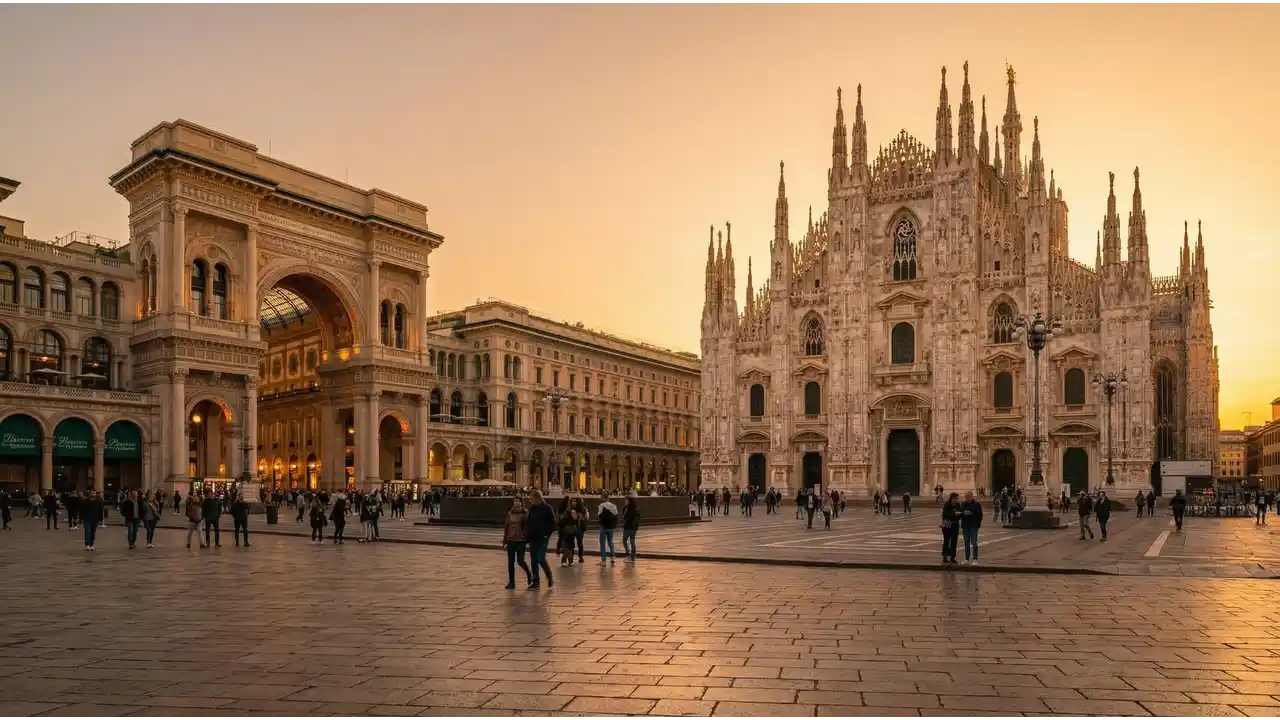
Geneva is a cosmopolitan city of roughly 200,000 people, surrounded by the Alps and Lake Geneva. It functions as a hub for international organizations (UN, Red Cross, WHO) and financial services, which means a large expat population and a working language often English. The winters are cold and gray, reaching freezing from December through February. The city is orderly, expensive, and assumes you speak French or English. Daily life revolves around compact neighborhoods accessible by tram and bus, lakeside parks for weekends, and a strong café culture. Food shopping happens at Migros and Coop supermarkets, or at the Wednesday and Saturday markets. The pace is deliberate, not rushed.
💡 Local Insights
Geneva · 2026
Geneva's cost of living is anchored by housing. Rent for a one-bedroom apartment in central neighborhoods like Champel or Eaux-Vives averages $2,456/month; outer zones like Vernier or Meyrin run $1,900 to $2,200/month. Shared housing can cut this by 30 percent. Groceries (Migros, Coop) cost around $635/month for a single person buying Swiss staples. Imported goods are pricier. Eating out runs $18-$28 for lunch, $35-$60 for dinner. Public transit (tram, bus, train) operates on a zonal ticket system; a monthly pass for the city center costs roughly $85. Car ownership is expensive (parking, tolls, insurance) and unnecessary given transit quality. Expats pay the same rents as locals. Salary expectations are high because wages are also high. The Swiss franc is stable but strong against most currencies. Medical care and childcare, if needed, add significant expense. Many expats absorb costs by sharing housing or moving to nearby French towns like Annecy or Ferney-Voltaire (20-30 minutes by train) where rent can be 40 percent lower, though this creates a commute.
Frequently Asked Questions
How much does it cost to live in Geneva per month?
A moderate lifestyle in Geneva costs $4,425/month. Housing accounts for $2,456/month (the largest expense), groceries run $635/month, and the remainder covers utilities, transport, dining, and entertainment. The budget tier drops to $2,655/month for minimal living (small shared housing, cooking at home, limited socializing). The comfortable tier reaches $6,859/month if you want spacious housing, frequent dining out, and travel. Your actual monthly cost depends heavily on whether you share housing and how often you eat restaurant meals versus grocery shopping.
What is the average rent in Geneva?
Monthly housing costs average $2,456. A one-bedroom apartment in central neighborhoods (Champel, Eaux-Vives, City Center) rents for $2,200-$2,700/month. Outer neighborhoods like Vernier, Meyrin, or Lancy run $1,900-$2,200/month. Studio apartments rent for $1,800-$2,100/month. Shared housing (renting a room) costs $1,100-$1,500/month. Utilities add $150-$200/month. Competition is fierce; landlords prioritize stable income and employment contracts. Deposits typically equal one month's rent. Furnished rentals are available but cost 10-15 percent more than unfurnished.
Is Geneva cheap to live in for expats?
No. Geneva is one of the most expensive cities globally. Expats pay identical rents to locals (no premium, but no discount). The advantage is salary: international organizations and finance firms pay 20-40 percent above local Swiss wages, so many expats break even or save despite high costs. If your salary is in USD, EUR, or GBP, the Swiss franc exchange rate has recently favored you. If you're relocating on a fixed budget from a cheaper country, expect a sharp increase in monthly expense. Many expats mitigate costs by living outside Geneva (Annecy, France or smaller Swiss towns) and commuting, or by sharing housing with colleagues.
How much does food cost per month in Geneva?
Grocery shopping for one person costs approximately $635/month at Migros or Coop (the dominant supermarkets). Milk ($1.80/liter), bread ($2.50 per loaf), cheese ($12-$20/kg), and meat ($14-$22/kg) set the tone. Restaurant meals are expensive: lunch ranges $18-$28, dinner $35-$60 at casual restaurants, $80+ at mid-range establishments. Street food (sandwich, kebab) costs $12-$16. Cafés charge $5-$7 for coffee, $8-$12 for lunch. Weekly markets (Rue de Carouge, Wednesday and Saturday mornings) offer produce slightly cheaper than supermarkets. Alcohol is taxed moderately; wine and beer at restaurants carry large markups.
What salary do you need to live comfortably in Geneva?
A comfortable lifestyle costs $6,859/month, which suggests a gross annual salary of roughly $85,000-$95,000 (accounting for Swiss income tax and social contributions). This supports spacious housing ($2,800-$3,200/month), frequent dining out, travel, and savings. Many international organization salaries (UN, Red Cross, ILO) fall in the $70,000-$120,000 range after adjustments, plus housing allowances that help. Finance and tech roles typically pay $90,000-$150,000 base. Single earners below $65,000 gross should budget carefully or share housing. Couples with dual incomes above $100,000 combined are comfortable. Swiss tax varies by canton (Geneva's marginal rate is roughly 15 percent), and social contributions are deducted separately.
How does the cost of living in Geneva compare to other places?
Geneva sits at the expensive end of European cities. A moderate lifestyle costs $4,425 per month, with housing alone running $2,456 per month. Zurich is a close peer, at $4,625 for the same lifestyle and $2,563 for housing. Amsterdam offers noticeably cheaper living at $3,150 monthly, thanks partly to housing that averages $1,802. If you're coming from New York City, expect Geneva to feel like relief on your wallet. New York City runs $5,775 for a moderate lifestyle and $4,100 for housing. Geneva's costs reflect its role as a global financial and diplomatic center, with Swiss salaries and tax structures built around these price levels. For most of Western Europe, Geneva ranks among the pricier options you'll encounter.
Yes, but with constraints. This budget (the budget tier) requires shared housing at $1,100-$1,400/month, grocery shopping at $635/month, minimal eating out, and disciplined transport use (monthly pass $85). You'll have roughly $500/month for utilities, phone, occasional entertainment, and contingencies. It works if you have a stable job (employers cover some transit costs), share a flat with roommates, cook most meals, and accept a quiet social life. It leaves little room for travel, emergencies, or hobbies. Many students and entry-level expats manage this, often by moving to suburban zones or working part-time. If unexpected costs arise (medical, visa extension), the buffer disappears quickly.