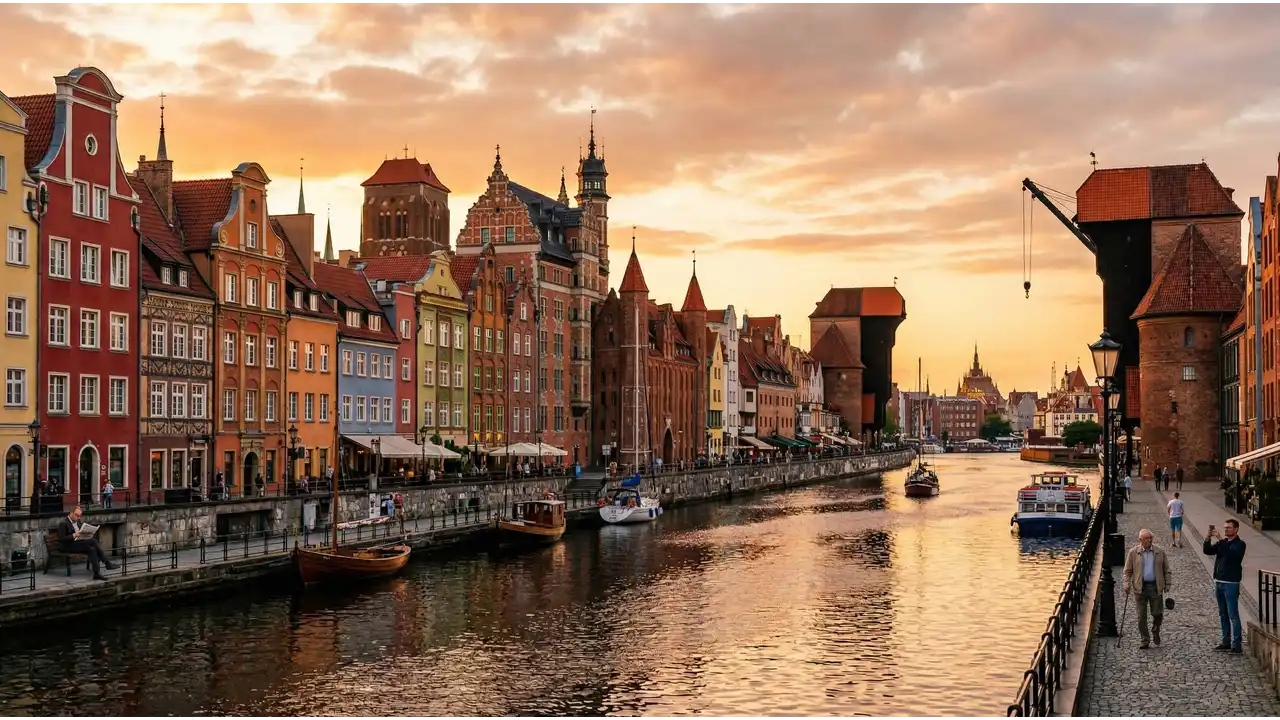
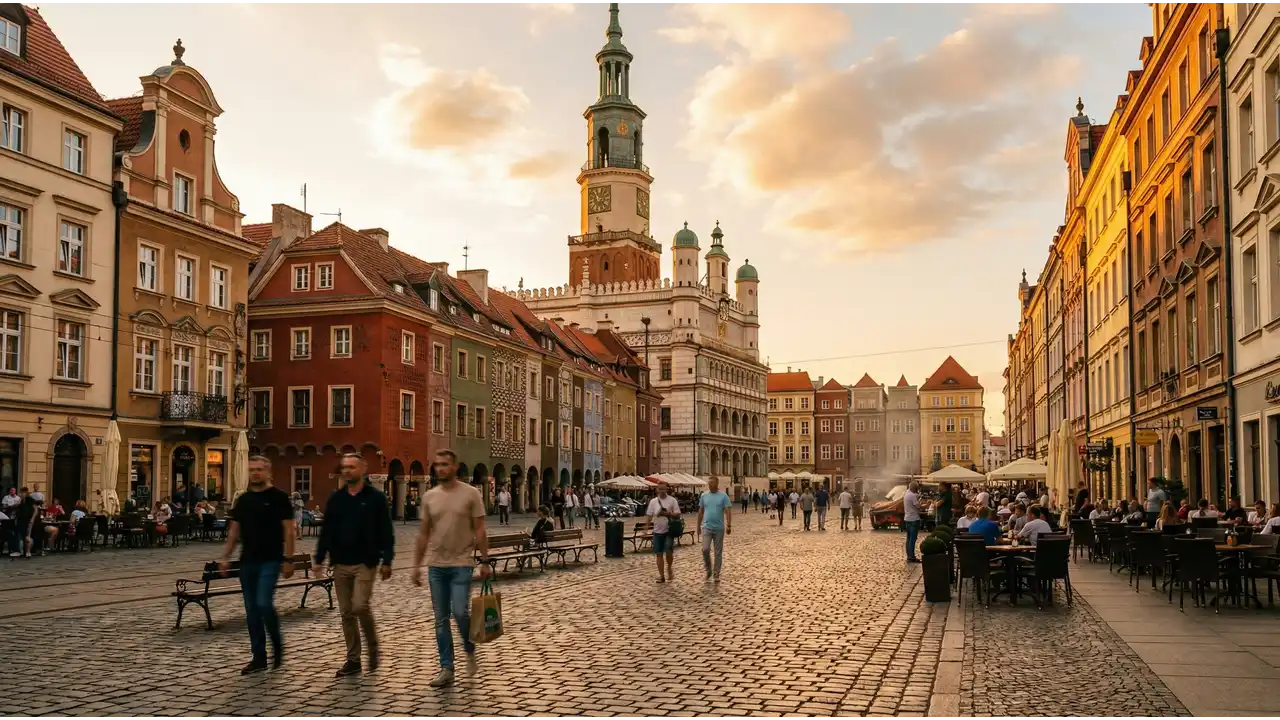
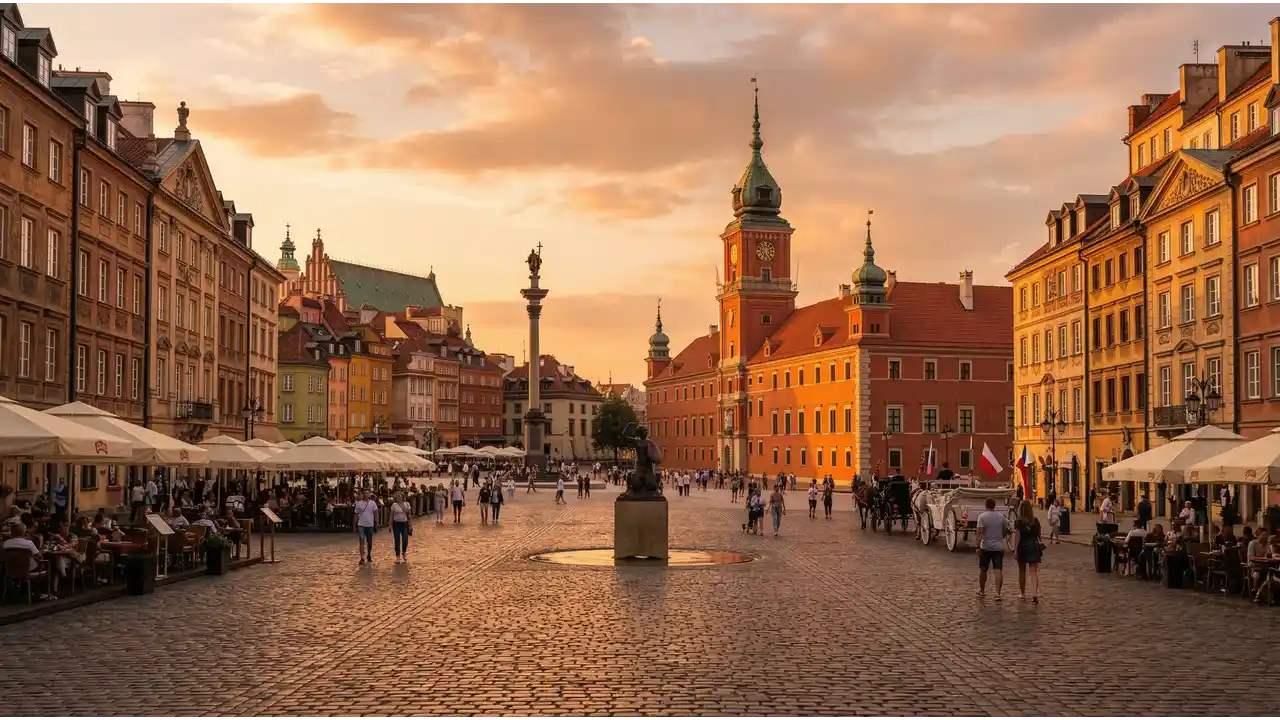
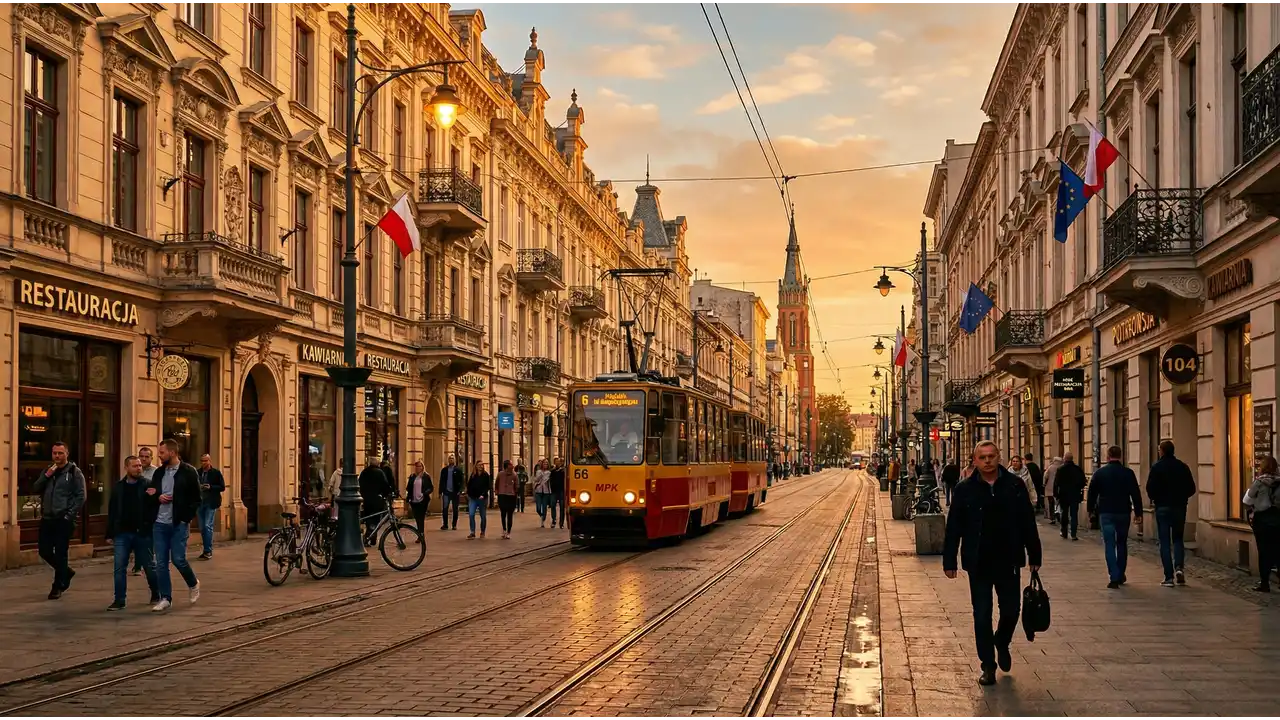
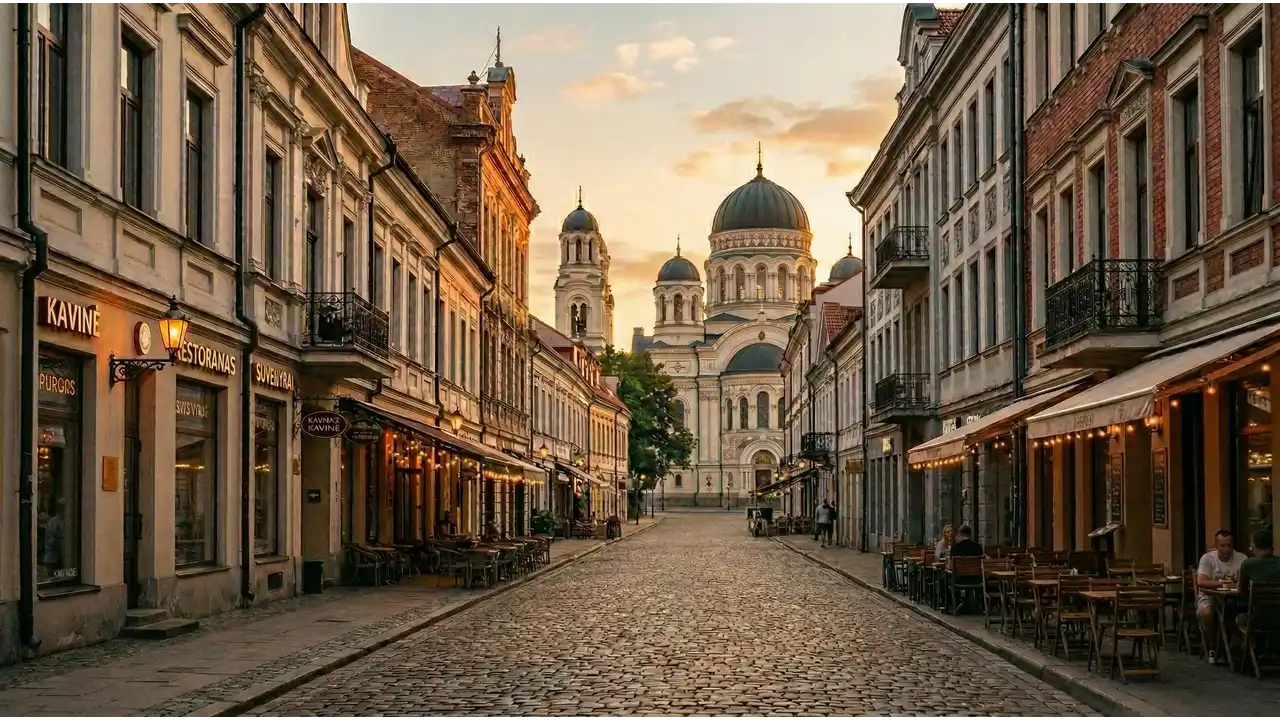
Gdansk is a port city on the Baltic coast with a population of around 460,000. The old town, rebuilt after World War II, sits along the Motlawa River and draws visitors year-round. Winters are cold and grey, lasting from November through March. Most residents are Polish, though expat communities (British, German, Ukrainian) have grown steadily. Daily life revolves around the waterfront, local markets, and cafes. Public transit by tram and bus is reliable and inexpensive. The pace is slower than Warsaw but faster than smaller Polish towns. Summer brings outdoor markets, street festivals, and crowded beaches nearby. Housing mixes renovated merchant apartments in the center with newer developments in suburbs like Oliwa and Wrzeszcz.
💡 Local Insights
Gdansk · 2026
Gdansk's cost of living sits between Warsaw (higher) and smaller Polish cities (lower). Housing dominates expenses at $816/month and varies sharply by location. Old Town apartments rent for $1,000-$1,500 for one bedroom; suburbs like Wrzeszcz or Zaspa run $600-$900. Utilities add $100-$150 monthly. Groceries cost $269/month for basic Polish staples, fruits, and dairy; international foods cost significantly more. Public transit is cheap (monthly pass around $30), but car ownership is unnecessary in the center. Eating out ranges from $4 for a milk bar meal to $15-$20 at casual restaurants. Expats often pay 10-20 percent more for housing in central areas marketed to internationals. The budget tier ($990/month) requires sharing housing and minimal dining out. Comfortable living ($2,558/month) includes private housing, regular restaurants, and entertainment. Local wages are lower than Western Europe, so long-term residency works best on remote income or savings.
Frequently Asked Questions
How much does it cost to live in Gdansk per month?
A moderate lifestyle costs around $1,650/month. This covers $816 for housing (rent and utilities), $269 for groceries, roughly $80 for public transport, $150 for dining out occasionally, and $335 for other expenses (phone, internet, gym, entertainment). The budget tier is $990/month (shared housing, minimal eating out, no car). The comfortable tier is $2,558/month (private housing, regular restaurants, travel, hobbies). Actual costs vary widely based on neighborhood, apartment size, and lifestyle choices.
What is the average rent in Gdansk?
Average rent is around $816/month and depends heavily on neighborhood. Old Town one-bedroom apartments typically rent for $1,000-$1,500; nearby Dluga Oliwa and Zaspa suburbs run $650-$900. Shared apartments or rooms cost $400-$700. Utilities (heating, water, electricity) add $100-$150 monthly. Furnished short-term rentals in central tourist areas cost 30-50 percent more. Polish landlords often quote in zloty (Polish currency); exchange rates fluctuate but 1 USD is roughly 3.8-4.0 zloty. Long-term leases (12+ months) are standard and sometimes cheaper than short-term.
Is Gdansk cheap to live in for expats?
Gdansk is cheaper than Western European cities (London, Berlin, Copenhagen) but comparable to other Polish and Baltic locations. Expats on Western salaries find it affordable; those on local salaries find it tight. Housing and food are inexpensive, but expats often pay premiums renting in central, expat-friendly areas. Transport and utilities are significantly cheaper than in North America or Western Europe. Healthcare is affordable (public system is free with residency; private care costs less than the US). The trade-off: winter weather, lower service speed, and fewer English speakers outside central areas. Best suited for remote workers or those with pensions.
How much does food cost per month in Gdansk?
Groceries average $269/month for one person cooking basic Polish meals. Bread costs $0.80-$1.50 per loaf; milk $0.60-$0.90 per liter; chicken $5-$6 per kg; eggs $0.15 each. Markets (like Hala Targowa) offer cheaper produce than supermarkets. Dining out ranges from $4 at traditional milk bars (zurek, piernik) to $8-$12 at casual restaurants, $15-$20 at mid-range spots. International food (imported goods, organic products) costs 40-60 percent more. Alcohol is cheap: local beer $1-$2 in shops, wine $4-$8. Monthly food budget for eating out occasionally adds roughly $100-$150.
What salary do you need to live comfortably in Gdansk?
Comfortable living costs around $2,558/month and typically requires a salary or income source of at least $2,800-$3,200/month (accounting for taxes and savings). For remote workers earning in USD or EUR, this is straightforward. Polish residents earning in zloty find comfort at around 10,000-12,000 zloty monthly (roughly $2,600-$3,100), which is above the median Polish salary. Comfortable means private housing, regular restaurant meals, hobbies, travel, and a modest car or frequent transit use. Couples can be comfortable on $3,500-$4,000 combined income. Local employment typically pays 5,000-8,000 zloty monthly, which requires the moderate $1,650 budget or less.
How does the cost of living in Gdansk compare to other places?
Gdansk sits in the middle of Europe's cost spectrum. A moderate lifestyle here costs $1,650 per month, with housing running $816 per month. That puts it slightly more expensive than Palermo, where a comparable lifestyle costs $1,550 monthly and housing averages $618. If you're coming from Western Europe, you'll find Gdansk considerably cheaper. Frankfurt, for comparison, runs $2,275 for the same moderate lifestyle, with housing alone at $1,052 per month. On the other end, Minsk is notably less expensive at $1,025 per month overall, though it's in a different economic category entirely. For most expats from Western Europe or North America, Gdansk offers genuine savings while maintaining good access to services, restaurants, and cultural amenities. Your money stretches further here than in major Western cities, without the trade-offs you'd face in significantly cheaper Eastern European markets.
Yes, but with tight constraints. The budget tier of $990/month requires a shared one-bedroom apartment or room ($400-$500), minimal utilities ($50 in summer, $100+ in winter), groceries ($269), and almost no dining out. Public transit is affordable (included in housing neighborhoods). Phone and internet together cost $15-$20. That leaves roughly $50-$100 for emergencies, medicine, or entertainment. No car ownership, no hobbies beyond free activities, no travel. Doable if you have savings and are comfortable with a minimal lifestyle. Better for students or those receiving additional support than solo remote workers. Most people find $1,200-$1,400/month more realistic for basic dignity.