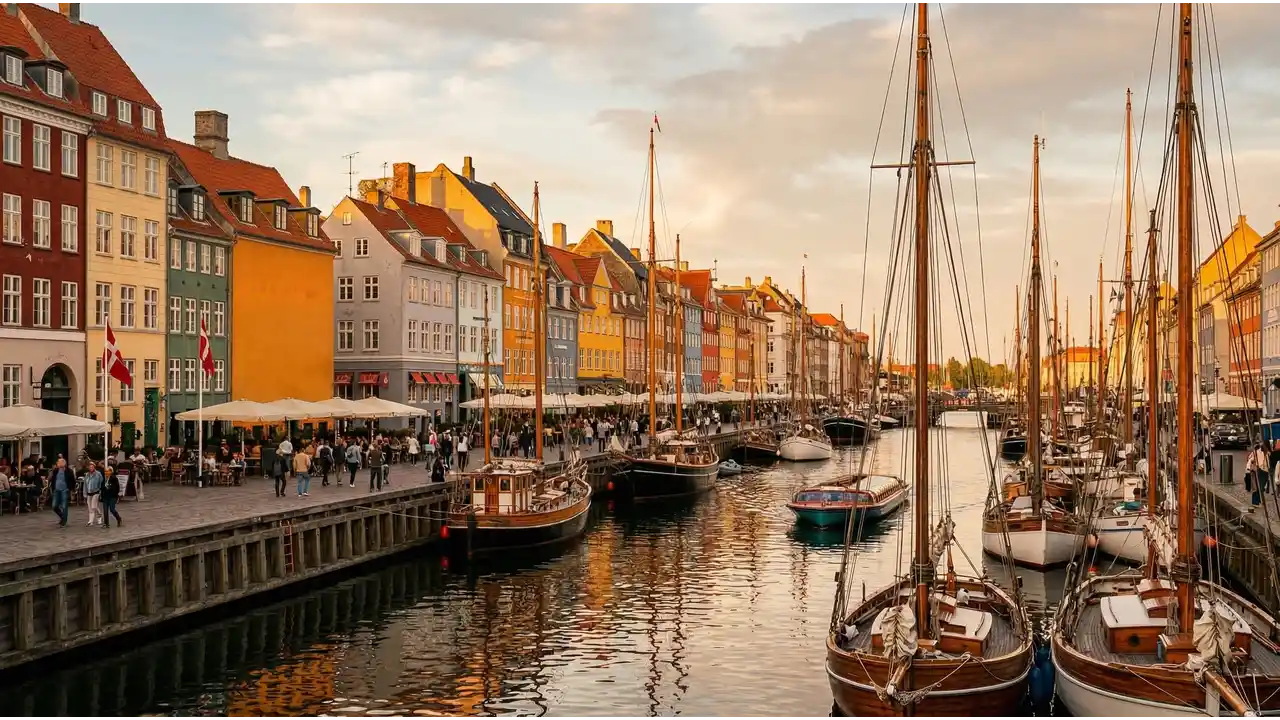
Hamburg is Germany's second-largest city, a major port on the Elbe River with a long merchant tradition. The population is around 1.9 million in the metro area, with a mix of established German residents, business professionals, and international expats drawn by its finance and media sectors. Daily life centers on efficient public transport, cycling infrastructure, and waterfront neighborhoods. Winters are gray and cold (0 to 5 degrees Celsius), summers mild. The city has less tourist saturation than Berlin or Munich, with a working city character alongside cultural institutions and nightlife.
💡 Local Insights
Hamburg · 2026
Hamburg's cost of living sits mid-range for major German cities, below Munich but slightly above Cologne. Housing makes up the bulk of expenses at $901/month for a moderate lifestyle. A one-bedroom apartment in central areas like Altstadt or St. Pauli runs $850 to $1,100 per month, while outer neighborhoods like Wandsbek or Barmbek offer $700 to $900. Shared flats are common and run $400 to $650 per room. Grocery costs average $379/month for one person buying standard supermarket items; imported specialty foods cost significantly more. Public transport (U-Bahn, S-Bahn, buses) is efficient and a monthly pass costs around $110. Eating out is moderate: a casual lunch €10 to €15, dinner at mid-range restaurants €18 to €28. Expats and locals pay the same prices. Heating bills spike in winter (€50 to €100 extra per month). Utilities beyond heating average $120 to $180 monthly. The key to controlling costs is avoiding the immediate city center and using the extensive transit network to access cheaper outer neighborhoods without losing urban convenience.
Frequently Asked Questions
How much does it cost to live in Hamburg per month?
A moderate lifestyle costs around $2,075 per month for one person. This includes rent at $901/month, groceries at $379/month, utilities around $150/month, public transport roughly $110/month, and discretionary spending on dining, entertainment, and personal care. A tighter budget can run $1,245/month if you share housing, cook at home, and limit dining out. A comfortable lifestyle with more flexibility costs $3,216/month. These figures assume you are renting; property ownership and furnishing an apartment from scratch will shift your first-month costs significantly higher.
What is the average rent in Hamburg?
Rent averages $901 per month for a moderate lifestyle. One-bedroom apartments in central neighborhoods like Altstadt, St. Pauli, or Eimsbüttel range from $850 to $1,100 per month. Outer areas like Wandsbek, Barmbek, and Harburg offer one-bedroom units from $700 to $900. Studio apartments run $650 to $850. Room rentals in shared flats are significantly cheaper, typically $400 to $650 per month, and are popular with expats. The rental market is tight; expect to compete for desirable units. Most landlords require proof of income, a deposit (usually one to two months' rent), and registration with the city (Anmeldung). Furnished short-term rentals cost 30 to 50 percent more and are mainly used for temporary stays.
Is Hamburg cheap to live in for expats?
Hamburg is moderately priced compared to other major German cities and Western European capitals. It is cheaper than Munich, Frankfurt, or Berlin's expat hotspots, but not a bargain destination. The cost difference versus Lisbon, Barcelona, or Prague is narrow enough that quality of life and job market often matter more than rent savings. For expats relocating from North America or Scandinavia, Hamburg feels reasonable. From Central or Eastern Europe, it will feel expensive. Expat salaries in finance, tech, and management typically exceed what is needed for the $2,075/month moderate budget comfortably. Language is less of a barrier in professional and expat circles than outside them; many daily transactions and housing searches still require German or strong English.
How much does food cost per month in Hamburg?
Groceries average $379 per month for one person buying standard supermarket items. A weekly shop of bread, eggs, milk, cheese, chicken, ground beef, vegetables, and fruit runs €60 to €80 at chains like Rewe, Edeka, or Aldi. Organic produce and specialty imports cost 20 to 40 percent more. Eating out is moderate: a casual lunch (Currywurst, sandwich, soup) costs €8 to €15. Mid-range restaurant dinners run €18 to €28. International restaurants are scattered across neighborhoods and price higher. Markets like the famous Fischmarkt (Sunday mornings) offer fresh fish and produce at fair prices if you arrive early. Coffee at a café costs €2.50 to €3.50. Alcohol at supermarkets is inexpensive; beer €0.70 to €1.50 per bottle.
What salary do you need to live comfortably in Hamburg?
A comfortable lifestyle costs around $3,216 per month. This translates to a gross annual salary of approximately $48,000 to $52,000 (accounting for German income tax, church tax, and social insurance, which total 35 to 42 percent depending on income level). Net take-home would be roughly $2,800 to $3,100 monthly, providing a modest buffer above the comfortable figure. For a household with two earners, combined gross of $60,000 to $70,000 allows for a relaxed lifestyle with occasional travel and dining out. Those earning less can live on the moderate budget of $2,075/month but with limited discretionary spending. Salaries in finance, tech, and management typically exceed these figures; hospitality and retail roles fall well below.
How does the cost of living in Hamburg compare to other places?
Hamburg sits in the middle range for Northern European cities. A moderate lifestyle costs $2,075 per month here, with housing running $901 monthly. That puts it slightly cheaper than Gothenburg, which runs $2,150 for the same lifestyle and $1,042 for housing. If you're comparing to Southern Europe, Catania is notably less expensive at $1,450 monthly overall and $566 for rent, though it's a smaller city with different job markets. On the other end, Paris is substantially dearer at $2,925 per month, with housing alone at $1,611. Hamburg's advantage is that you get a major European port city and cultural hub without the premium you'd pay in France. For most people relocating from North America or the UK, Hamburg feels reasonably priced while offering excellent infrastructure and services.
Yes, but with tight constraints. That budget assumes you share housing (€350 to €450 per room), cook almost all meals at home, use public transport, and avoid paid entertainment. Groceries would consume $379/month, leaving roughly $200 for utilities, transport, and essential services. No buffer for unexpected costs, dining out, or travel. This budget works for students in shared flats or single expats willing to live frugally. It is difficult for families or anyone earning less than €1,500 net monthly. The budget cuts out restaurants, bars, gym memberships, and regular travel. Winter heating bills can push you over if your apartment is poorly insulated. Many expats on this budget work part-time or have a second income source. It is livable but requires discipline and some sacrifice of social life and comfort.