Cost of Living in Hong Kong
Data source: CostLiving Engine, September 2026
About Hong Kong
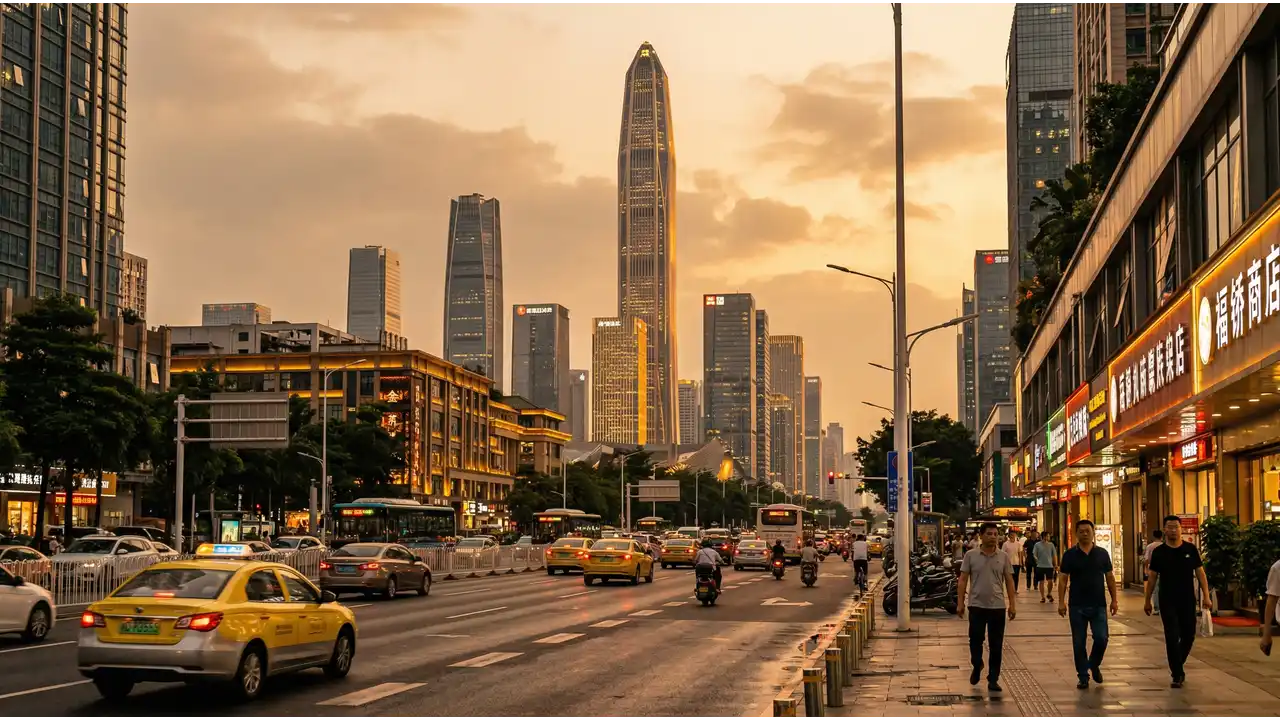
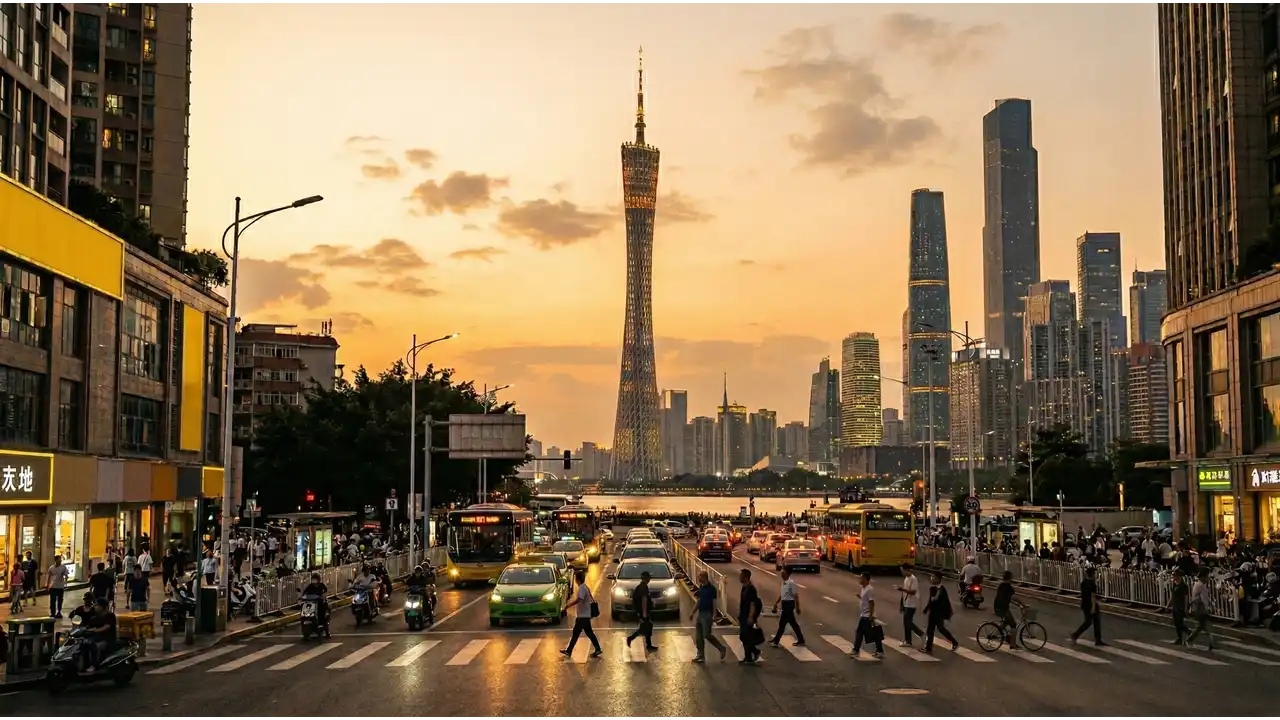
Hong Kong is a dense, vertical city of 7.5 million on the southern coast of China. It functions as a global financial hub with English widely spoken in business and expat areas. Summers are hot and humid (May to September). Winters are mild. Daily life revolves around efficient public transport, street-level food vendors, and high-rise living. Most residents live in apartments, often small. The city operates on Hong Kong Dollar, though US Dollar is widely accepted. Mandarin and Cantonese are primary languages; English is common among younger residents and in central business districts.
💡 Local Insights
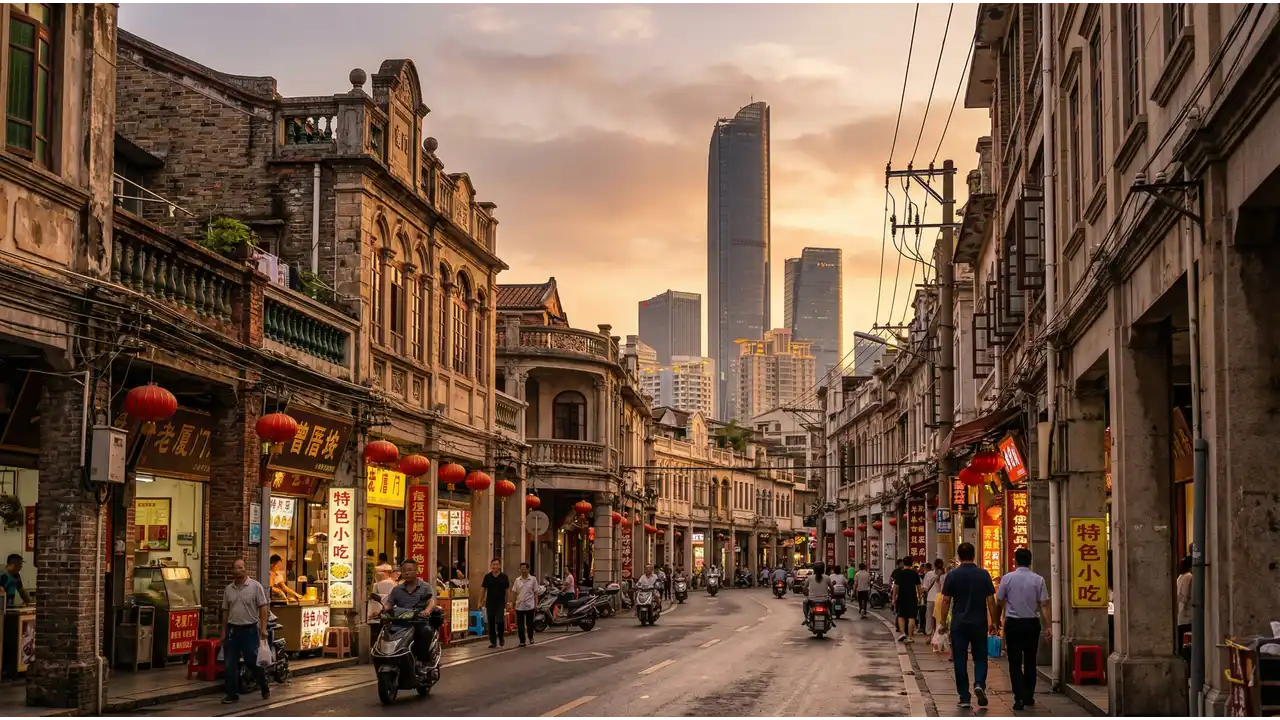
Hong Kong · 2026Hong Kong's cost structure is driven almost entirely by real estate scarcity. Housing at $2,222 per month reflects tiny apartments in older buildings or smaller units in newer developments. New luxury high-rises push higher, but also available are older walk-ups in neighborhoods like Mong Kok or Sham Shui Po for lower rates. Food is surprisingly affordable. Groceries at $396 monthly cover local produce markets, wet markets, and convenience stores. Eating at casual street stalls and dim sum restaurants costs $3 to $8 per meal. Supermarket staples like milk and imported goods cost more. Transport is cheap: the MTR (Mass Transit Railway) uses an Octopus card with fares around $0.80 to $1.50 per trip. Taxis and Uber are more expensive. Local pricing applies equally to residents regardless of origin, though expats often cluster in pricier areas like Mid-Levels or Discovery Bay. Utilities, phone, and internet add $150 to $250 monthly. The moderate $3,450 budget assumes shared or modest housing and local eating patterns.
What People Ask About Hong Kong
- What is a good salary to live in Hong Kong?
- How much money do you need to live comfortably in Hong Kong?
- Is living in Hong Kong expensive?