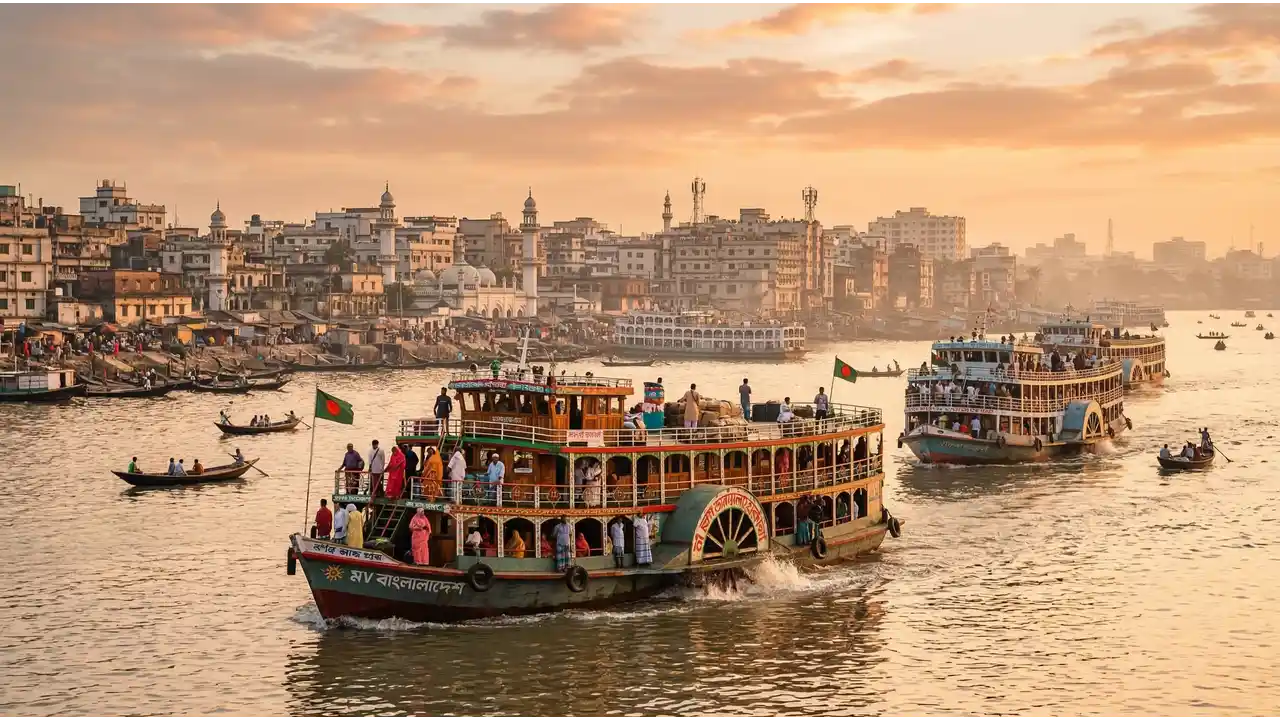
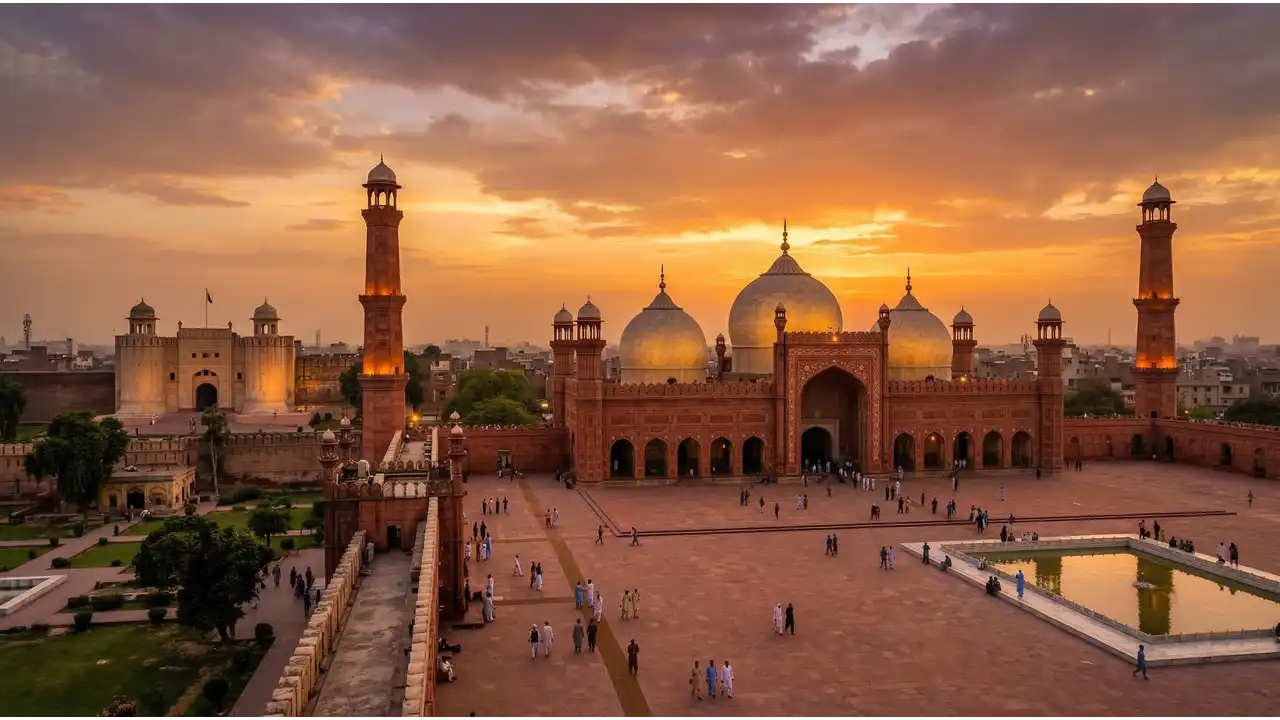
India is home to 1.4 billion people across 28 states and 8 union territories, ranging from dense urban centers to rural villages. Daily life varies sharply by region and class. Major cities like Delhi, Mumbai, and Bangalore have traffic, pollution, and modern infrastructure alongside slums and informal settlements. Outside cities, life moves slower, with agriculture and small commerce dominating. Climate ranges from tropical in the south to cold winters in the north. English is widely spoken in cities and among educated populations. Monsoons (June to September) bring heavy rain. Power cuts, water scarcity, and bureaucratic friction are routine realities, not exceptions.
💡 Local Insights
India · 2026
India's cost structure is deeply regional and depends heavily on where and how you live. Housing at $176/month is achievable in secondary cities like Pune, Jaipur, or Lucknow, where a one-bedroom apartment rents for $100-250/month. In Delhi, Mumbai, or Bangalore, expect $250-450/month for equivalent space; expats often pay premiums. Groceries cost around $129/month if you shop local markets and cook at home, buying vegetables, lentils, rice, and occasional meat from vendors. Eating at local restaurants (thalis, street food) runs $1-3 per meal. Expat-focused cafes and Western imports push costs higher. Transport is cheap: auto-rickshaws cost $0.30-0.50 per ride; buses cost less. Monthly passes run $5-15. Taxis (Uber, Ola) are $3-8 for longer distances. The cost-of-living gap between Indian nationals and expats is significant, not because prices differ but because expats tend to live in premium neighborhoods, use English-language services, buy imported goods, and avoid the informal economy. Visa requirements and tax residency status also affect affordability and stability for long-term residents.
Frequently Asked Questions
How much does it cost to live in India per month?
A moderate lifestyle in India costs around $575/month for a single person. This breaks down roughly as: housing $176, groceries $129, utilities and transport $100-120, dining out and entertainment $80-100, and miscellaneous expenses $70. This assumes you live outside the top-tier expat zones of Mumbai and Delhi, cook most meals at home, use public transport, and avoid imported goods. Budget tier living is possible at $345/month (very frugal, minimal dining out, shared housing). Comfortable expat living runs $891/month or higher, especially in major cities.
What is the average rent in India?
Average rent across India sits around $176/month, but that figure conceals extreme variation. In secondary cities like Pune, Ahmedabad, or Lucknow, a one-bedroom apartment in a decent neighborhood rents for $100-200/month. In tier-2 metros like Hyderabad or Chennai, expect $150-250/month. Delhi and Mumbai are far steeper: $250-500/month for a one-bedroom in mixed neighborhoods, $400-800/month in established expat areas like Gurgaon or Bandra. Furnished serviced apartments for short stays run $400-1,000/month depending on location and amenities. Deposit structures vary but typically require 2-11 months' advance rent. Landlords often prefer Indian nationals and may require proof of income or references.
Is India cheap to live in for expats?
India is cheap relative to North America, Western Europe, or Australia, but that advantage erodes quickly if you live like an expat in an expat bubble. A person earning a US or UK salary can live comfortably on $891-1,500/month outside major cities, or $1,500-2,500/month in Delhi or Mumbai. However, expats often pay 50-100% premiums for housing, groceries, and services because they avoid local markets, require English-language support, and cluster in premium areas. Healthcare, schooling, and visa costs add friction. For remote workers or retirees on modest fixed incomes, India remains affordable. For those relocating with local employment, salaries are typically 30-60% lower than Western equivalents, eliminating the cost advantage. The real savings accrue to those willing to live genuinely locally.
How much does food cost per month in India?
Groceries cost around $129/month if you shop at local markets and cook at home. A vegetable-forward diet is cheapest: tomatoes, onions, potatoes, and leafy greens cost $0.15-0.40 per kilogram. Lentils, rice, and flour run $0.50-1.50/kg. Eggs are $0.08-0.12 each; chicken roughly $2-3/kg. Milk, yogurt, and paneer (cottage cheese) are staples. Eating at local restaurants (thalis, biryani, street food) costs $1-3 per meal. Expat-focused cafes, bakeries, and restaurants charge $6-15 per meal. Alcohol is expensive if you buy imported beer or wine; local spirits are cheaper but quality varies. Shopping at modern supermarkets (Big Basket, Reliance Fresh) costs 20-30% more than markets but offers consistency and convenience.
What salary do you need to live comfortably in India?
A comfortable lifestyle in India costs around $891/month for a single person, or roughly $10,700/year. This covers decent housing, eating out occasionally, travel, and entertainment without constant penny-pinching. For two people, add 60-70%, bringing the figure to $1,400-1,500/month. In major metros (Delhi, Mumbai, Bangalore), comfortable living starts at $1,500+/month. If you're earning a local Indian salary, these figures are out of reach for most; median urban salaries hover around $200-400/month. Expats typically need either remote income from abroad, local employment at senior levels, or pension income to achieve comfortable living. For visa purposes, most states don't mandate a specific income, but practical stability requires self-sufficiency through savings or ongoing foreign income.
How does the cost of living in India compare to other places?
India is genuinely affordable compared to most countries outside South Asia. A moderate lifestyle costs $575 per month, with housing running $176 monthly. You'll find it slightly more expensive than Pakistan, where a moderate lifestyle is $450 monthly, but meaningfully cheaper than Vietnam at $850 per month. Nepal sits close by as a peer, at $525 monthly. The gap widens significantly once you factor in regional specifics: Vietnam's housing alone reaches $406 monthly versus India's $176. Within India itself, costs vary sharply between metros like Delhi and Mumbai versus smaller cities and rural areas, so your actual expenses depend heavily on location choice. For expats or budget travelers, India remains one of the world's most affordable major countries.
Yes, but with strict trade-offs. The budget tier of $345/month means sharing housing ($80-100/month for a room in a shared flat), eating almost entirely at local vegetarian restaurants and markets ($80-100/month), minimal transport ($30-40/month), and no dining out, entertainment, or travel. Utilities, phone, and internet fit in the remaining $80-100. This is feasible in smaller cities (Jaipur, Lucknow, Varanasi) where many budget travelers and some long-term residents live. You'll need stable housing to make this work; hotels or short-term rentals are impossible at this price. Internet and phone are affordable ($3-5/month). Healthcare and emergencies are not covered; medical costs can quickly exceed a month's budget. This budget assumes no visa fees, travel, or visa runs. Many digital nomads and long-term backpackers sustain this lifestyle, but it requires discipline and acceptance of basic conditions.