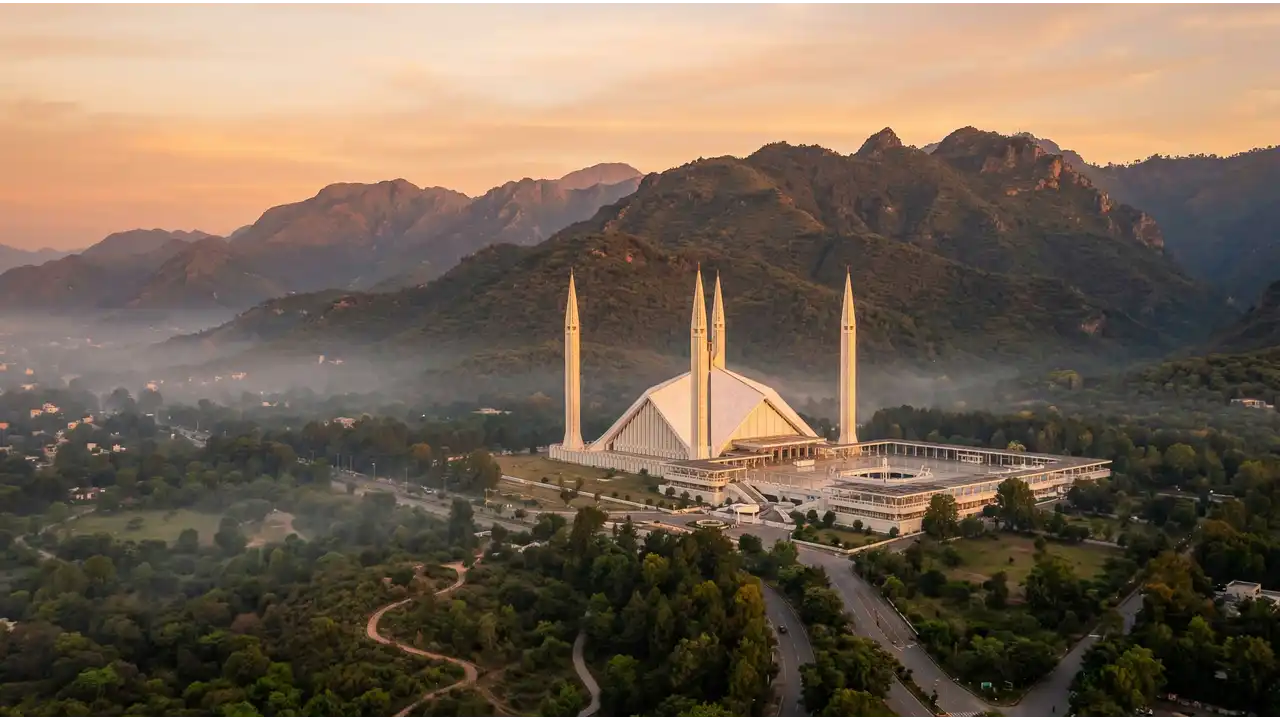
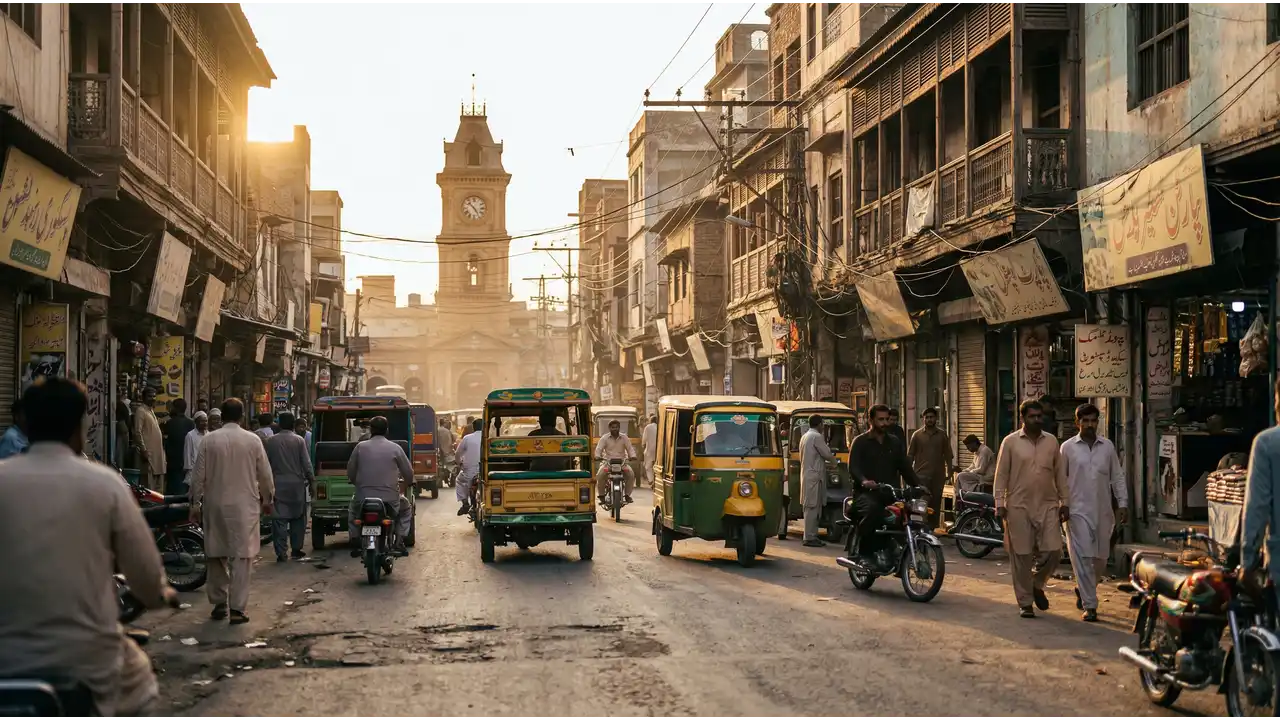
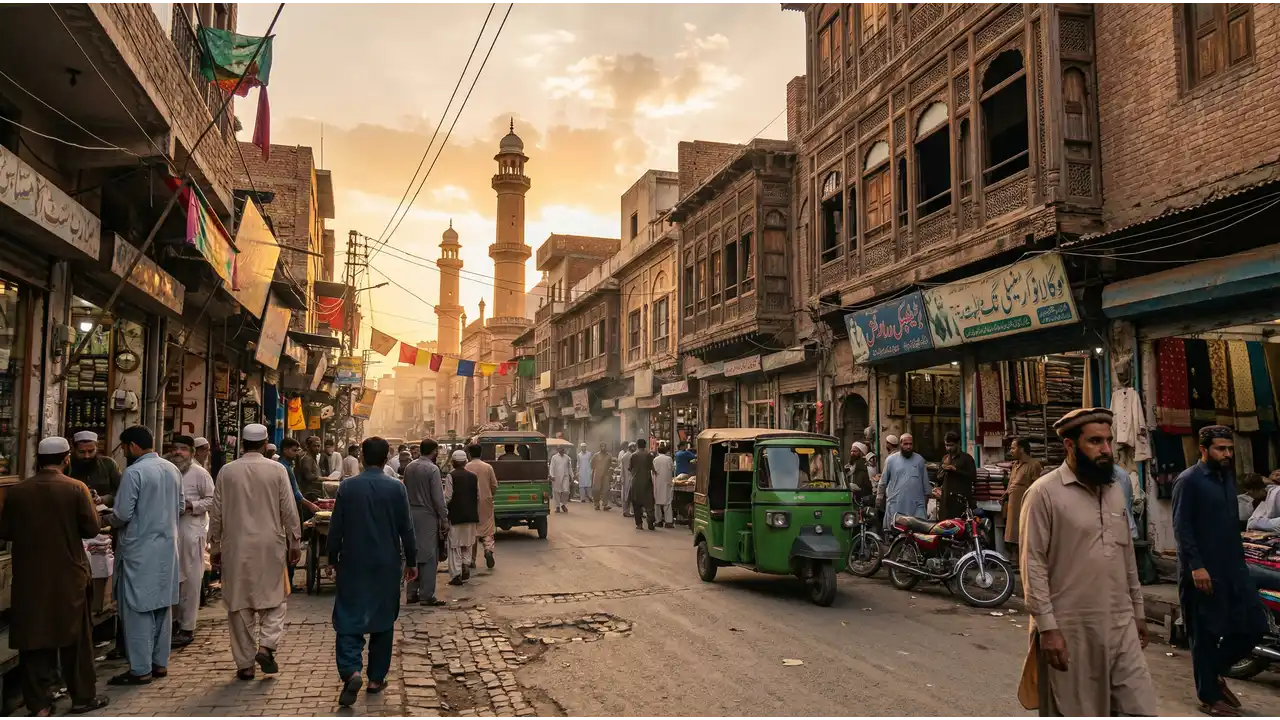
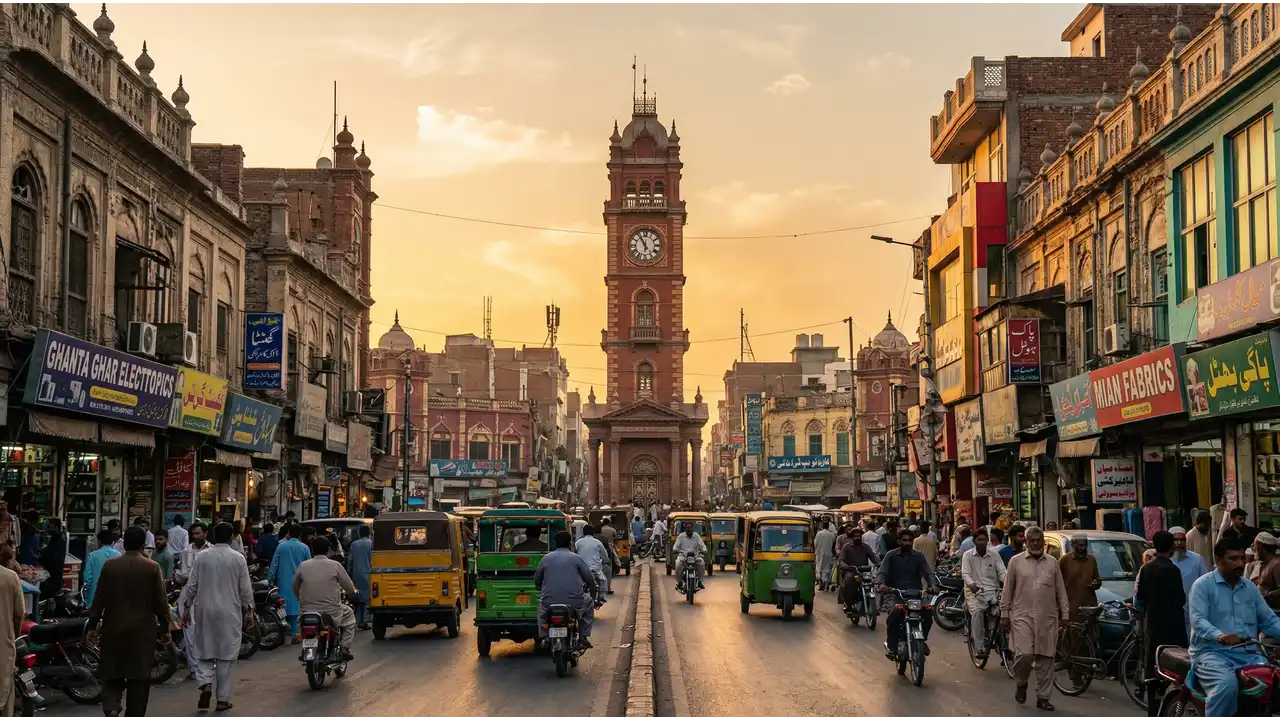
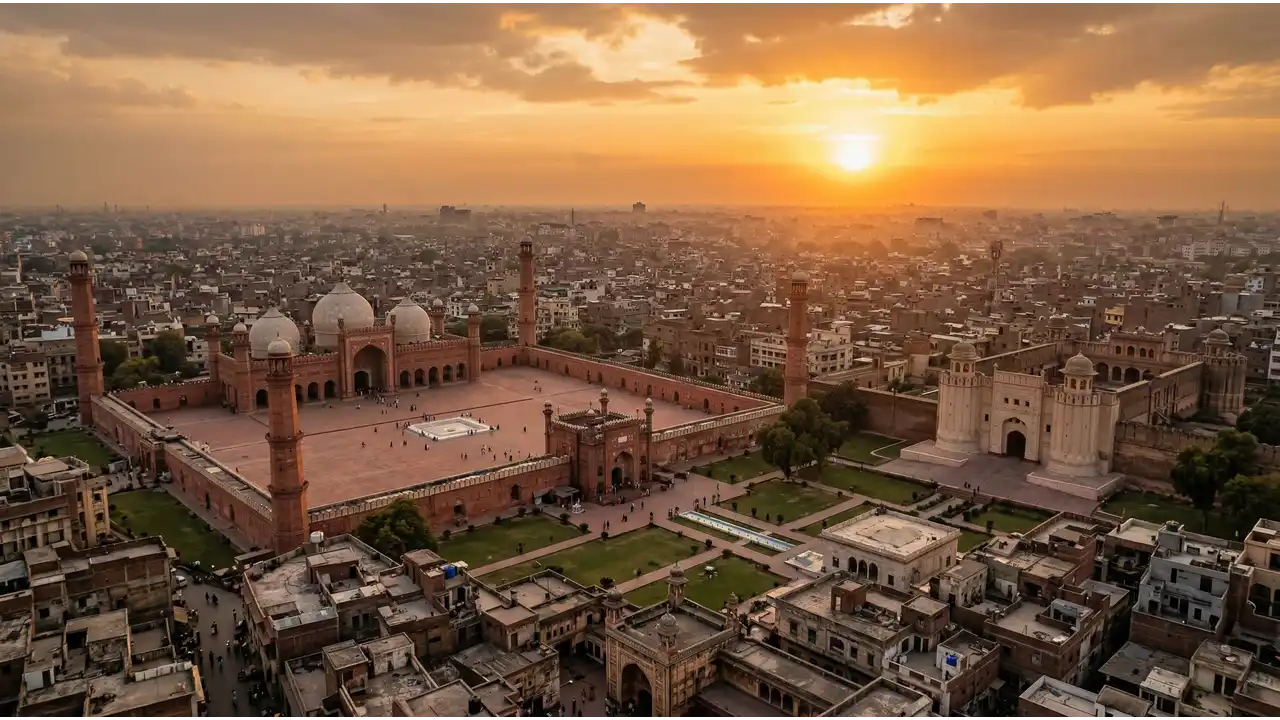
Islamabad is Pakistan's capital, purpose-built in the 1960s on a grid plan at the foot of the Margalla Hills. It functions as a political and administrative center rather than a commercial hub, which shapes its character. The city has a significant expat population (diplomats, NGO staff, business professionals) alongside Pakistani residents. Daily life revolves around tree-lined sectors, parks, and hiking trails. Summer temperatures exceed 40 degrees Celsius; winters are mild. Traffic is moderate compared to Karachi or Lahore. The city has shopping malls, restaurants catering to multiple cuisines, and reasonable healthcare facilities. Power and water are generally reliable in main sectors, though load-shedding occurs seasonally.
💡 Local Insights
Islamabad · 2026
Islamabad's cost structure reflects its role as a capital city with significant international presence. Housing averages $221/month, but this varies sharply by sector and tenant type. Pakistani nationals and long-term renters pay less; short-term expat rentals command premiums. Sectors F-6, F-7, and G-6 (upscale residential areas) rent well above $400/month. Budget accommodation in older sectors (G-9, G-10) sits closer to $100-150/month. Groceries at $130/month assumes local shopping at neighborhood bazaars and chain supermarkets like Metro. Imported items (Western brands, specialty goods) cost 40-60% more than local equivalents. Eating out varies: local street food runs $1-3 per meal; mid-range restaurants charge $4-8; upscale establishments $12-20. Transport is cheap. CNG-powered taxis charge $0.30-0.50 per ride; motorcycle taxis cost less. Uber and Careem operate but typically run $2-5 per trip. Expats often face dual pricing in some services; shopping in Pakistani rupees at local markets avoids this markup.
Frequently Asked Questions
How much does it cost to live in Islamabad per month?
A moderate lifestyle in Islamabad costs around $625/month. This covers housing at $221/month, groceries at $130/month, utilities ($40-50), transport ($20-30), and dining and entertainment ($180-200). A budget lifestyle can run $375/month by cutting back on dining out, choosing cheaper housing, and using public transport exclusively. A comfortable lifestyle, with better housing, frequent restaurant meals, and activities, costs closer to $969/month. Individual costs vary based on neighborhood, lifestyle choices, and whether you shop at imported stores or local markets.
What is the average rent in Islamabad?
Average housing costs $221/month based on broad city data. Actual rent varies significantly by sector and property type. A one-bedroom apartment in F-6, F-7, or G-6 (upscale diplomatic areas) rents for $400-600/month. A similar apartment in older sectors like G-9 or I-10 runs $100-180/month. Studio or shared accommodation costs $60-120/month. Furnished short-term rentals for expats start around $300-400/month for basic one-bedroom units. Utility costs (electricity, water, gas) add $30-50/month depending on usage and season. Most landlords expect deposits equal to one or two months' rent.
Is Islamabad cheap to live in for expats?
Islamabad is genuinely affordable compared to most Western cities and many Asian capitals. At $625/month for a moderate lifestyle, it costs less than Bangkok, Hanoi, or Mexico City. However, expat pricing exists. Housing marketed to foreigners often costs 20-40% more than equivalent Pakistani rents. Imported groceries and Western restaurants carry substantial markups. Expats who shop locally, use public transport, and avoid upscale sectors can live very cheaply. Those prioritizing familiar comforts and expat-oriented neighborhoods will spend considerably more. The city works best for expats with modest budgets or those willing to adopt local shopping and dining habits.
How much does food cost per month in Islamabad?
Groceries average $130/month for a moderate diet. Local bazaars offer produce, rice, and lentils at rock-bottom prices; a kilogram of tomatoes costs $0.30-0.50, rice runs $0.40-0.60 per kilogram, and chicken is $1.20-1.50 per kilogram. Supermarkets like Metro and Hyperstar are slightly pricier but still cheap. Imported items (cheese, cereals, oils) cost 40-60% more. Eating out is affordable: street food (biryani, nihari, kebabs) runs $1-3 per meal; casual restaurants charge $4-8; upscale dining in Jinnah Super or The Mall reaches $15-25. Many expats spend $40-60/month on local eating, $60-100 on a mix, or $200+ if prioritizing Western restaurants.
What salary do you need to live comfortably in Islamabad?
A comfortable lifestyle costs around $969/month, suggesting a salary of $1,200-1,400/month provides security with savings. This covers better housing ($300-350/month), regular restaurant meals, utilities, entertainment, and modest travel. For expats, the calculation shifts based on lifestyle. Someone earning $1,500/month can live comfortably in a good sector apartment, eat at mid-range restaurants regularly, and have discretionary spending. Someone on $1,000/month can manage if budget-conscious and willing to live in older sectors or Pakistani neighborhoods. Expats supporting dependents or requiring Western comforts should plan for $1,200-1,500/month minimum. Local professionals often earn less and adjust lifestyle accordingly.
How does the cost of living in Islamabad compare to other places?
Islamabad sits in the middle range for South Asian capitals. A moderate lifestyle costs $625 per month here, with housing at $221 per month. Lahore is notably cheaper at $475 for a moderate lifestyle, though its housing at $135 per month is actually lower than Islamabad's. Hyderabad runs $575 per month for a moderate lifestyle with housing costs of $230 per month, making it a close peer to Islamabad overall. If you're comparing to Southeast Asia, Hanoi is considerably dearer at $875 per month, with housing alone at $406 per month. Islamabad's costs reflect its status as a planned capital with modern infrastructure and services, which prices it above some older South Asian cities but well below major regional hubs or Southeast Asian alternatives.
Yes, but with significant constraints. Budget living means shared accommodation or a basic one-bedroom in outer sectors ($80-120/month), local groceries and street food ($100-120/month), minimal transport spending ($15-20/month), and almost no entertainment. Utilities and phone add another $30-40/month. This leaves little room for eating out, clothes, healthcare, or unexpected costs. Long-term residents (Pakistani nationals) do this routinely by living simply and maximizing local resources. For expats, $375/month works only if you accept shared housing, cook entirely at home, use only public transport, and forgo Western conveniences. Most expats find this unsustainable beyond a few months. A buffer of $500-550/month provides breathing room for modest comfort.