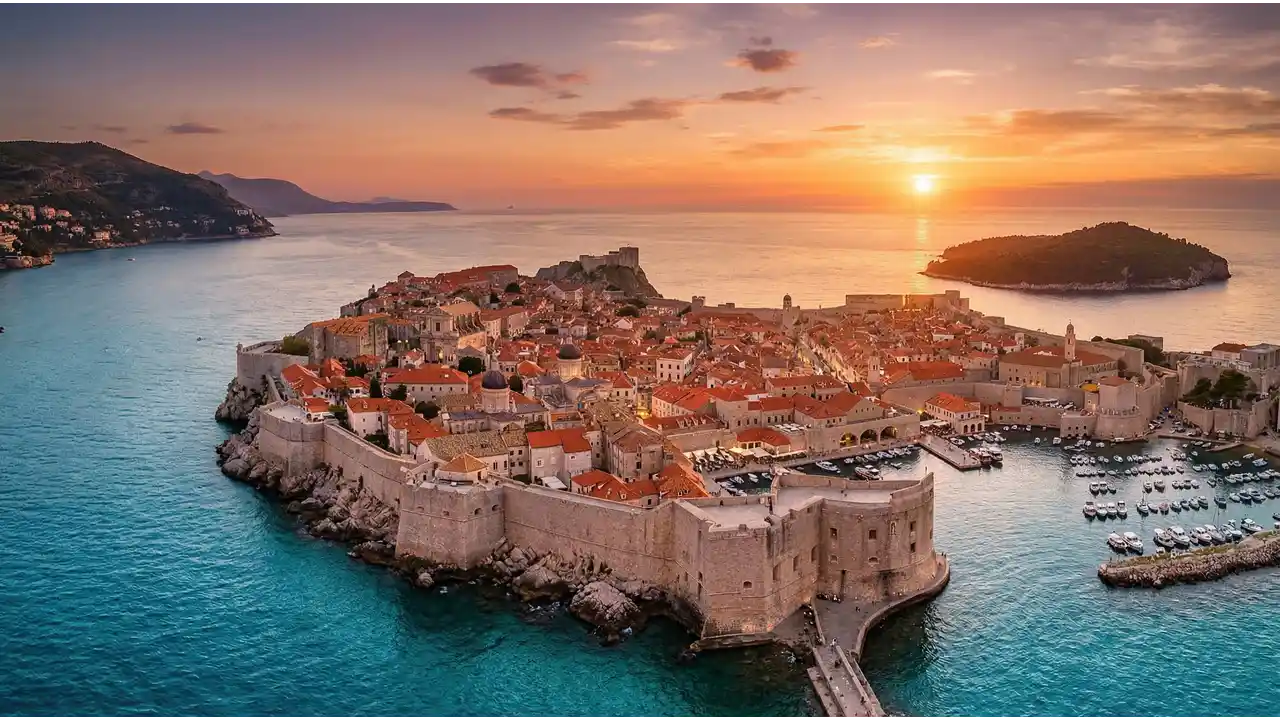
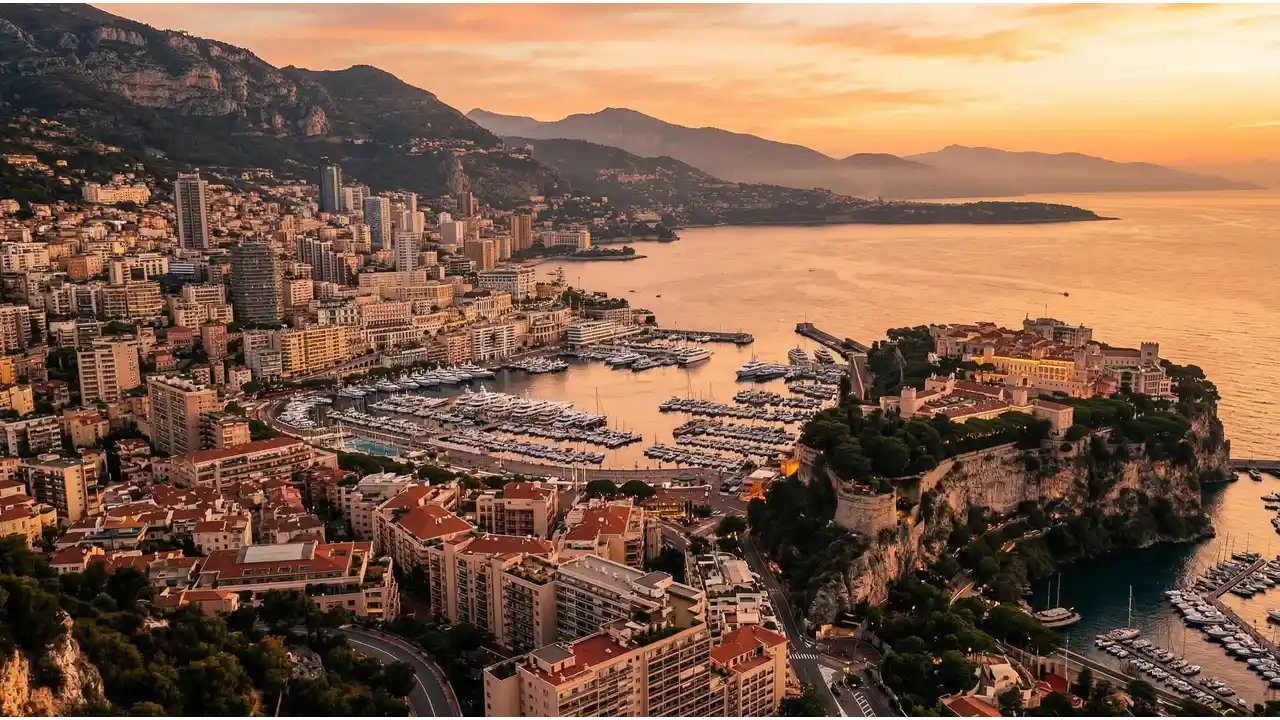
Italy has 58 million people spread across 20 regions with distinct economies and living standards. Northern cities like Milan and Bologna command higher rents and salaries. Southern regions and smaller towns cost less but offer fewer job opportunities. Daily life centers on long lunches, walkable neighborhoods, and strong regional food cultures. Winters in the north are cold; southern coastal areas stay mild year-round. Public transportation is reliable in cities; cars are essential in rural areas. Most expats settle in Rome, Milan, Florence, or coastal towns, though smaller cities offer better value.
💡 Local Insights
Italy · 2026
Italy's cost of living varies dramatically by location. Northern industrial cities run 30 to 40 percent higher than southern towns. Housing costs average $841 per month, but this range spans furnished one-bedroom apartments in Milan at $1,100 to $1,300 against similar units in Palermo or Naples at $500 to $700. Shared rentals and smaller towns near major cities offer better rates. Groceries run about $366 monthly for a single person buying at supermarkets like Conad or Esselunga. Farmers markets and regional produce cost less. Eating out consistently adds $300 to $500 monthly. Public transit passes cost $30 to $60 monthly in major cities. Expats often face higher rents in desirable neighborhoods; Italians negotiate long-term leases or use family connections. Northern regions have stronger job markets and higher salaries, offsetting higher costs. Southern regions suit remote workers and retirees.
Frequently Asked Questions
How much does it cost to live in Italy per month?
A moderate lifestyle costs $1,975 per month. This covers rent around $841, groceries $366, utilities $140 to $180, local transit $40, and meals out or other activities around $600. A budget lifestyle costs $1,185 monthly, cutting dining out and entertainment. A comfortable lifestyle runs $3,061, adding dining, travel, and activities. Costs vary widely: northern cities cost more; southern regions and small towns cost less. Remote workers and retirees often spend $1,200 to $1,500 outside major cities.
What is the average rent in Italy?
Average rent is $841 monthly, but location determines actual cost. In Milan, furnished one-bedroom apartments in central areas rent for $1,100 to $1,300. Rome and Florence similar. In Naples, Palermo, or Bari, the same apartment costs $500 to $700. Smaller towns like Perugia, Lecce, or Bergamo fall between at $600 to $900. Unfurnished rentals cost 10 to 15 percent less but require negotiation and upfront deposits. Shared apartments in major cities run $500 to $700 per person. Long-term leases (12 months) offer better rates than short-term tourist rentals.
Is Italy cheap to live in for expats?
Italy is moderately priced for expats, cheaper than Switzerland or London but pricier than Portugal or Greece. Major cities (Rome, Milan, Florence) offer lower living costs than comparable US or UK cities, but housing competition drives rents up in desirable neighborhoods. Small towns and southern regions offer genuine savings. The real advantage is quality: food, healthcare, transit, and social life are good value at the price. Expats with remote income find strong purchasing power outside major centers. Visas and bureaucracy require patience, not money. Overall, Italy suits budget-conscious expats willing to avoid central tourist zones.
How much does food cost per month in Italy?
Groceries cost about $366 monthly per person shopping at supermarkets. Bread costs $0.50 to $1.50, pasta $0.40 to $0.80, cheese $5 to $8 per kilogram, wine $4 to $8, olive oil $8 to $15 per liter. Farmers markets and smaller shops offer similar or better prices. Eating out is separate: a cafe coffee costs $1 to $2, lunch mains $8 to $15, casual dinner $12 to $25. Cooking at home saves significantly. Regional food varies: northern Italy emphasizes butter and cheese; southern Italy centers on tomatoes and seafood. Imported or specialty items cost more.
What salary do you need to live comfortably in Italy?
A comfortable lifestyle costs $3,061 monthly, so annual income of $36,700 supports one person. Couples should budget $5,500 to $6,000 monthly. This tier includes dining out 2 to 3 times weekly, regular travel, hobbies, and a modest car. In Milan or Rome, add $1,000 to $1,500 for equivalent comfort due to housing. Retirees often live comfortably on $2,000 to $2,500 monthly in smaller towns. Remote workers earning euros avoid currency risk. Those with property or family support need less. Southern Italy and small towns stretch income further.
How does the cost of living in Italy compare to other places?
Italy sits in the middle range for European costs. A moderate lifestyle in Italy runs $1,975 per month, with housing at $841 monthly. This puts Italy slightly ahead of Slovenia, where a moderate lifestyle costs $1,875 with housing at $845 per month. Both countries offer comparable living standards at similar price points.
If you're looking for lower costs, Serbia is notably cheaper at $1,375 monthly for a moderate lifestyle and $537 for housing. However, you'll pay considerably more in the Netherlands, where the same moderate lifestyle costs $2,775 and housing alone reaches $1,587 per month.
For most people, Italy represents good value within Western Europe, offering cultural richness and Mediterranean living without the premium prices of Northern European countries. Your actual expenses will depend heavily on which region you choose and your personal spending habits.
Yes, but with real constraints. This budget tier requires living outside major cities (small towns, suburbs, southern regions), renting modest rooms or shared apartments, cooking all meals, using transit instead of taxis, and skipping dining out and entertainment. Housing takes $500 to $600, groceries $300, utilities $150, transit $30. You have almost nothing for emergencies or hobbies. It works for students, digital nomads in cheap towns, or those with free housing. Pensioners on tight budgets manage by combining local knowledge with health benefits. Health crises or unexpected costs break this budget immediately. Milan, Rome, and Florence are not feasible at this level.