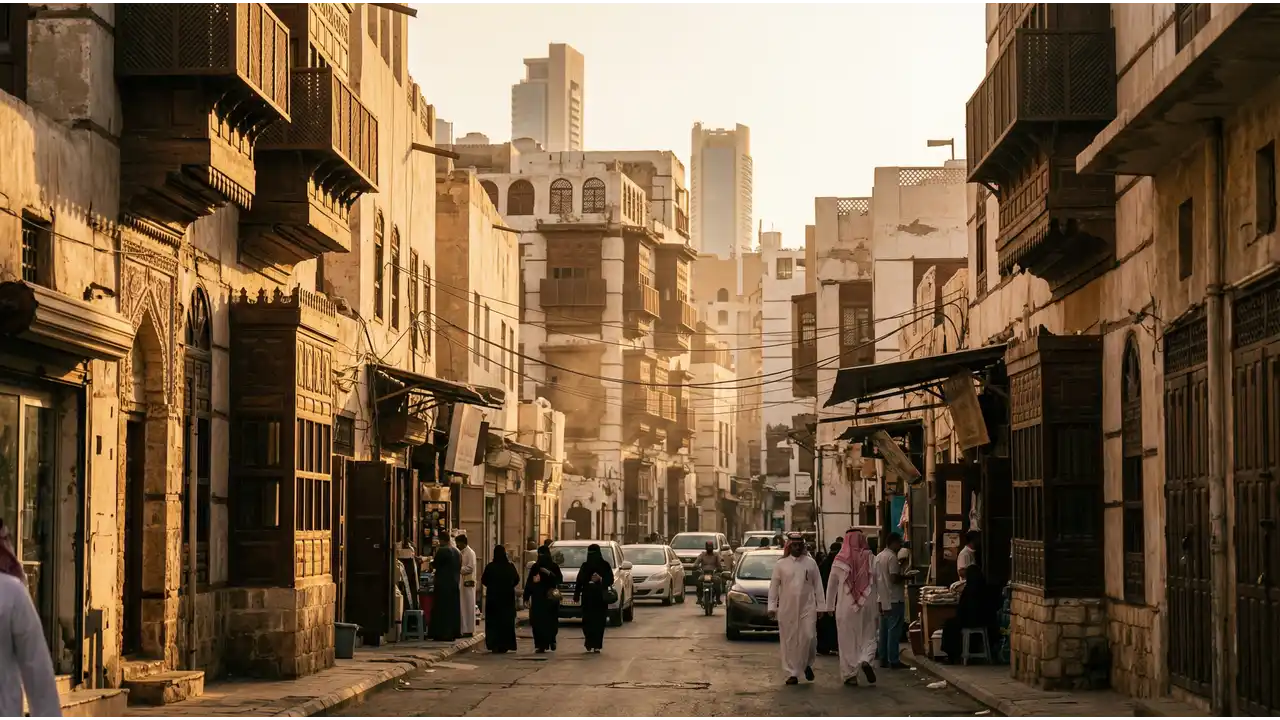
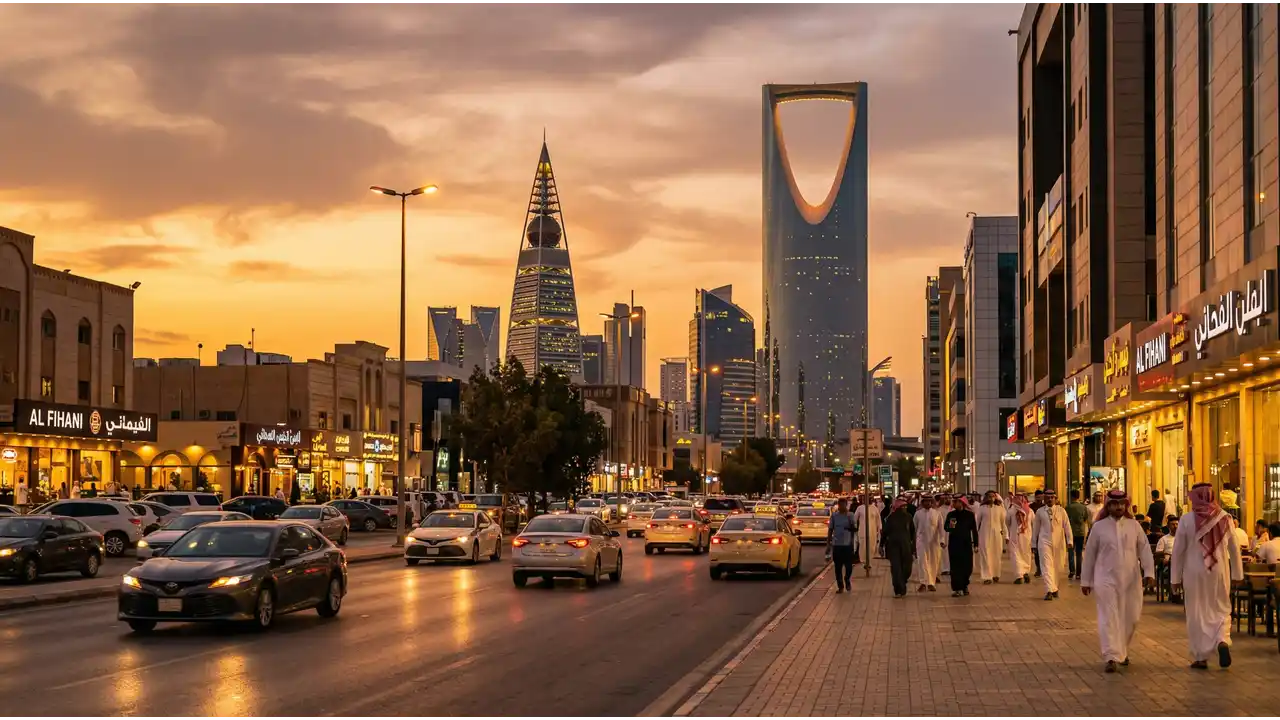
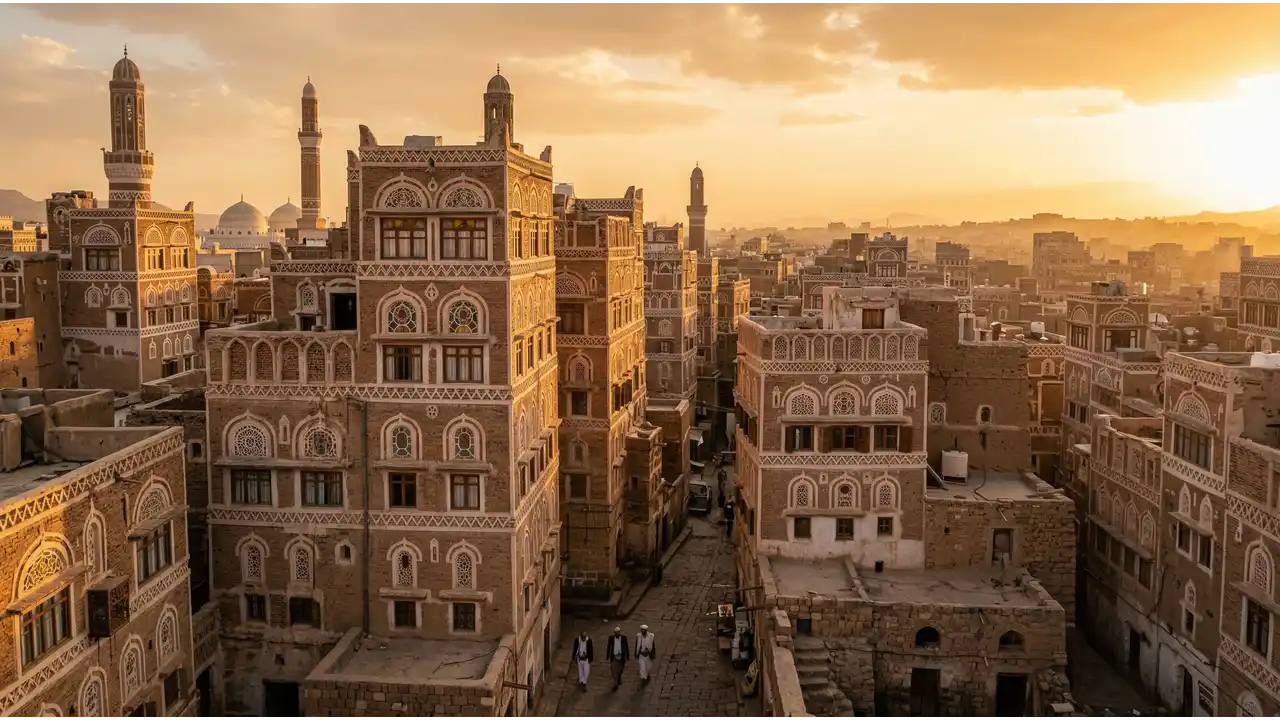
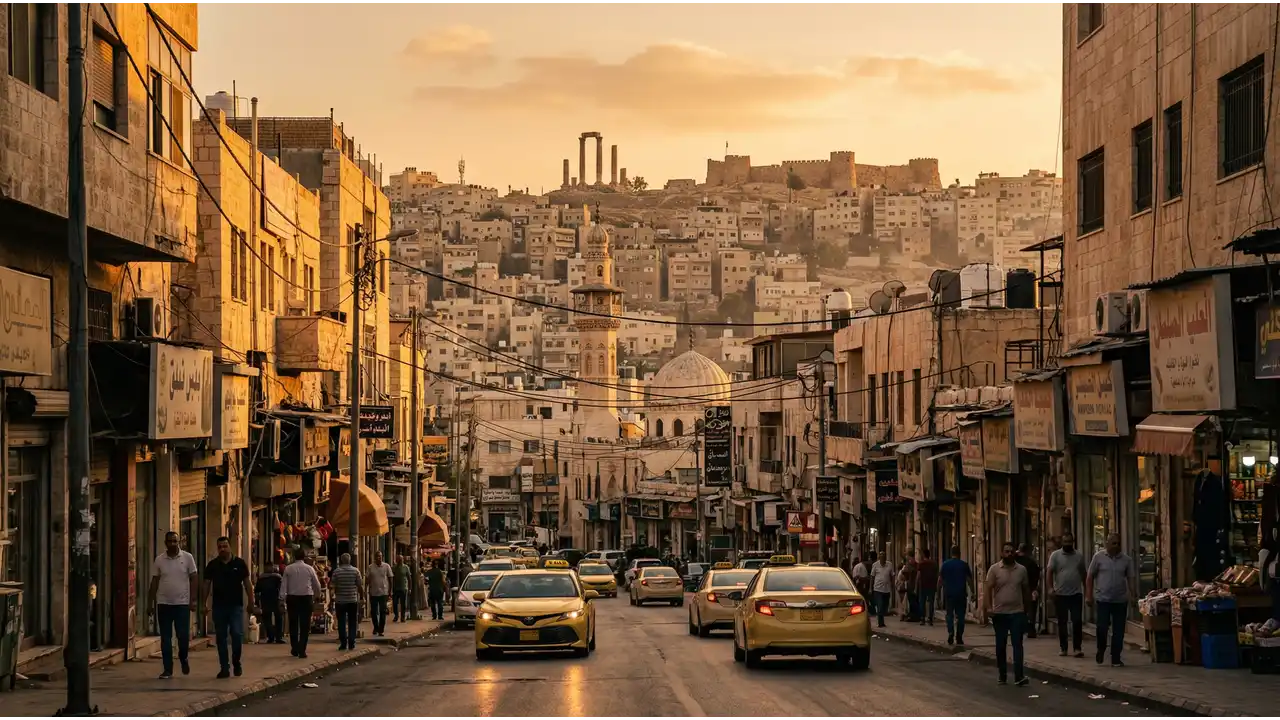
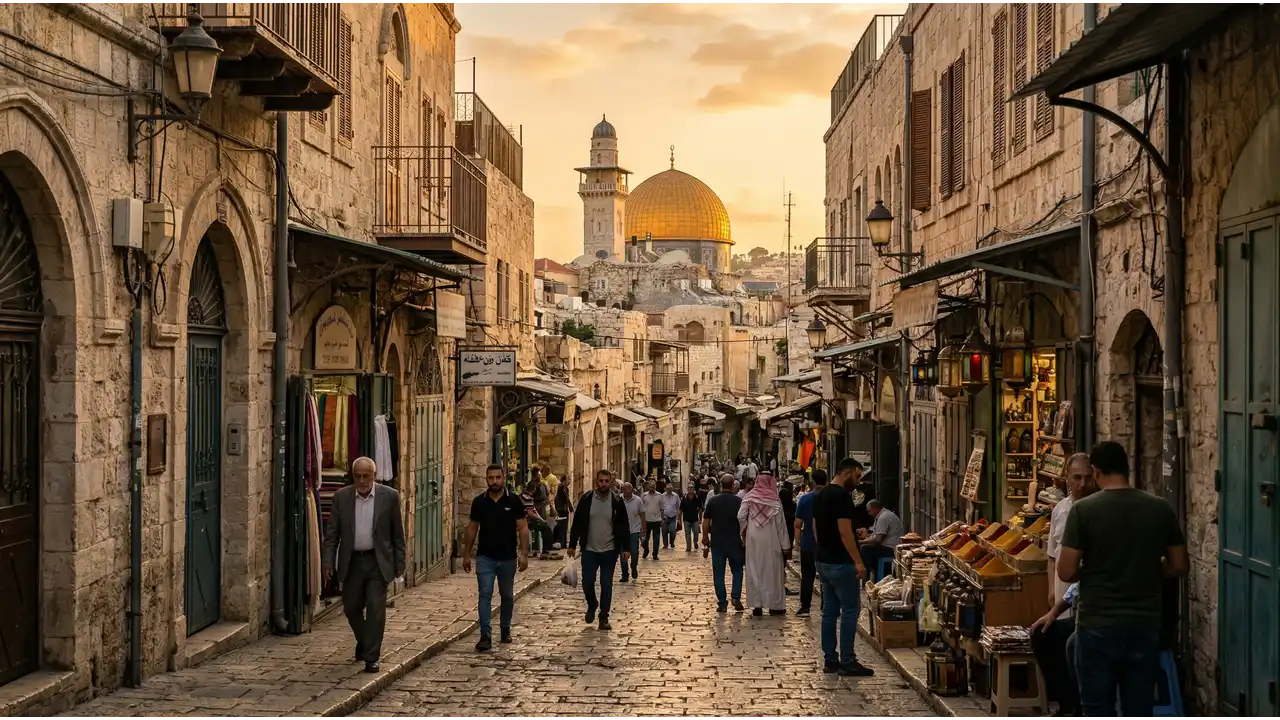
Jeddah is Saudi Arabia's second-largest city and the main gateway to the Red Sea. It functions as a commercial and port hub with a large expatriate population from across Asia, Africa, and the Middle East. Daily life centers on work, family, and organized leisure, shaped by Islamic customs and extreme summer heat (often exceeding 104 degrees Fahrenheit June through September). The city has grown rapidly as a business destination, with modern shopping centers, hospitals, and residential compounds alongside older neighborhoods. Public transportation relies on taxis and ride-hailing apps. Many expatriates live in compounds or specific neighborhoods designed for foreign workers, which affects both community and costs.
💡 Local Insights
Jeddah · 2026
Jeddah's cost structure reflects its role as a wealthy regional commercial center and expat hub. Housing costs vary sharply by neighborhood and housing type. The $554/month figure represents Saudi Arabia's national level and does not reflect Jeddah's actual rental market, which is considerably higher. Local rent estimates suggest furnished one-bedroom apartments in expat-friendly areas range from $600 to $1,200, unfurnished from $500 to $1,000, depending on location and condition. Compounds with facilities cost significantly more. Food costs reflect a mix of imported goods and local markets. Groceries at $257/month are achievable by shopping at local supermarkets like Carrefour and Danube, though Western brand imports cost more. Eating out ranges from 15 riyal ($4) for casual local meals to $20 plus for Western restaurants. Transportation is relatively affordable: a ride-hailing trip across the city typically costs $3 to $8. Local wages for both Saudi citizens and expatriates are generally higher than the global average, which affects rent-setting but also means competition for housing drives prices upward. Expatriates often receive housing allowances as part of employment packages, which can decouple their actual housing cost from general salary discussions.
Frequently Asked Questions
How much does it cost to live in Jeddah per month?
A moderate lifestyle in Jeddah costs approximately $1,350 per month. This breaks down roughly as: housing $554 (at the Saudi Arabia national level), groceries and food $257, transportation, utilities, and household goods making up the remainder. A budget tier costs around $810 per month if you live frugally and share accommodations. A comfortable lifestyle with more dining out and private housing runs closer to $2,093 per month. Actual costs depend heavily on your neighborhood, housing type, and lifestyle choices. Expatriates with employer housing allowances may experience their costs differently than those paying rent directly.
What is the average rent in Jeddah?
The $554/month housing figure shown here is Saudi Arabia's national level, not a separate measurement for Jeddah. Local rental markets in Jeddah operate much higher. Furnished one-bedroom apartments in expat neighborhoods typically rent for $600 to $1,200 per month; unfurnished units range from $500 to $1,000. Prices depend on location (Al Nuzha and Al Rawdah command premium rates), condition, and amenities. Compounds with pools, gyms, and security cost $1,200 and up. Most expatriates either live in employer-provided housing or receive housing allowances. The local market is competitive, so rental agencies and online platforms (Expatica, local Facebook groups) are standard search channels.
Is Jeddah cheap to live in for expats?
No. Jeddah is moderately expensive to expensive for expatriates, particularly for housing. At $1,350 per month for a moderate lifestyle, it is costlier than many Southeast Asian cities but less expensive than Singapore, Dubai, or London. The advantage for many expatriates is employer-provided housing and higher local salaries in finance, energy, and professional sectors, which offset costs. Groceries and dining are reasonable if you shop locally and eat at casual restaurants. Healthcare and private school fees (if applicable) add significant costs. Expatriates working for multinational firms or the Saudi government often receive compensation packages that make Jeddah financially workable. Independent expatriates living solely on savings find costs challenging.
How much does food cost per month in Jeddah?
Groceries for a month average $257 if you shop strategically at supermarkets like Carrefour, Danube, or local markets. A loaf of bread costs around $0.75, milk $1.20 per liter, chicken $4 to $6 per kilogram, and fresh produce $2 to $4 per item depending on season. Imported Western goods (cheese, cereals, specialty items) are significantly more expensive. Eating out ranges from 15 to 25 riyal ($4 to $7) for casual local shawarma or curry, $10 to $18 for mid-range cafes, and $20 to $50 per person at Western restaurants. Coffee shops are popular and reasonably priced at $2 to $4 per drink. Alcohol is prohibited, reducing food costs compared to some expat cities.
What salary do you need to live comfortably in Jeddah?
A comfortable lifestyle in Jeddah costs approximately $2,093 per month, suggesting a monthly gross income of $2,600 to $3,100 (accounting for taxes and savings) or an annual salary of $31,000 to $37,000. This assumes you cover your own rent, utilities, food, and leisure. Many expatriates receive additional benefits like housing allowances, transportation, and health insurance through employers, which effectively lower the salary needed for comfort. For those without employer support, you need enough income to cover housing ($600 to $1,200 alone), plus $400 to $500 monthly for other essentials. Professional positions in energy, finance, and healthcare typically offer packages that exceed these thresholds.
How does the cost of living in Jeddah compare to other places?
Jeddah's moderate lifestyle costs around $1,350 per month, positioning it in the middle range globally. Housing runs $554 per month at the moderate tier, which is notably affordable compared to major developed cities.
For perspective, Ulaanbaatar sits at a similar cost level with a moderate lifestyle at $1,275 per month, though its housing is pricier at $689. Harbin is considerably cheaper, with a moderate lifestyle at $975 per month and housing at just $371. By contrast, Tokyo is substantially dearer at $1,875 per month overall, with housing alone at $955.
Jeddah's expense profile reflects its status as a major Gulf business hub without the extreme costs of global financial centers. Your money stretches further here than in wealthy developed-world cities, yet the city offers modern infrastructure and services that you'd expect in a similarly priced location elsewhere.
Yes, but with strict constraints. The budget tier of $810 per month requires shared housing (studio or bedroom in a shared flat), cost-conscious grocery shopping at local supermarkets and markets, minimal dining out, and no car ownership. You would use ride-hailing or public transport. This budget cuts entertainment, fitness memberships, international phone plans, and most leisure spending. It assumes you receive no employer support and covers only basics: rent and utilities around $400 to $500, groceries $200 to $250, transport $50 to $100. This lifestyle is feasible for single expatriates in entry-level positions or long-term travelers but leaves no cushion for emergencies or travel. Most expatriates in professional roles spend well above this.