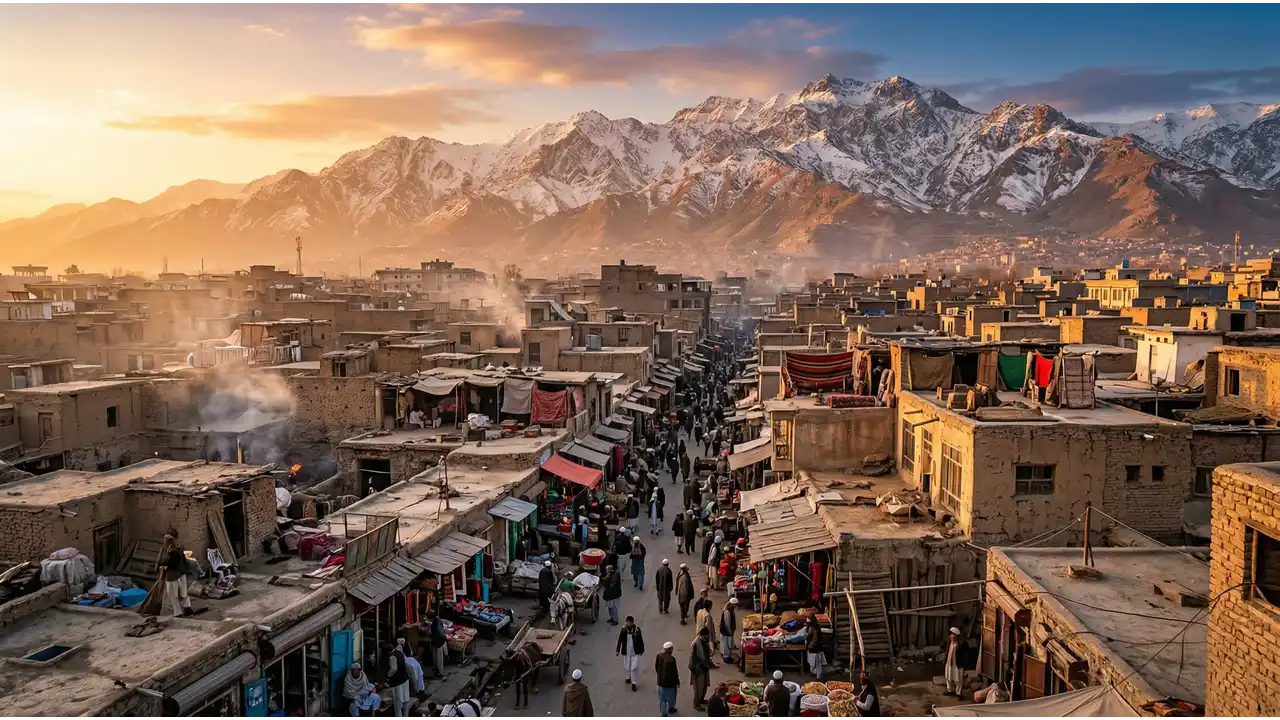
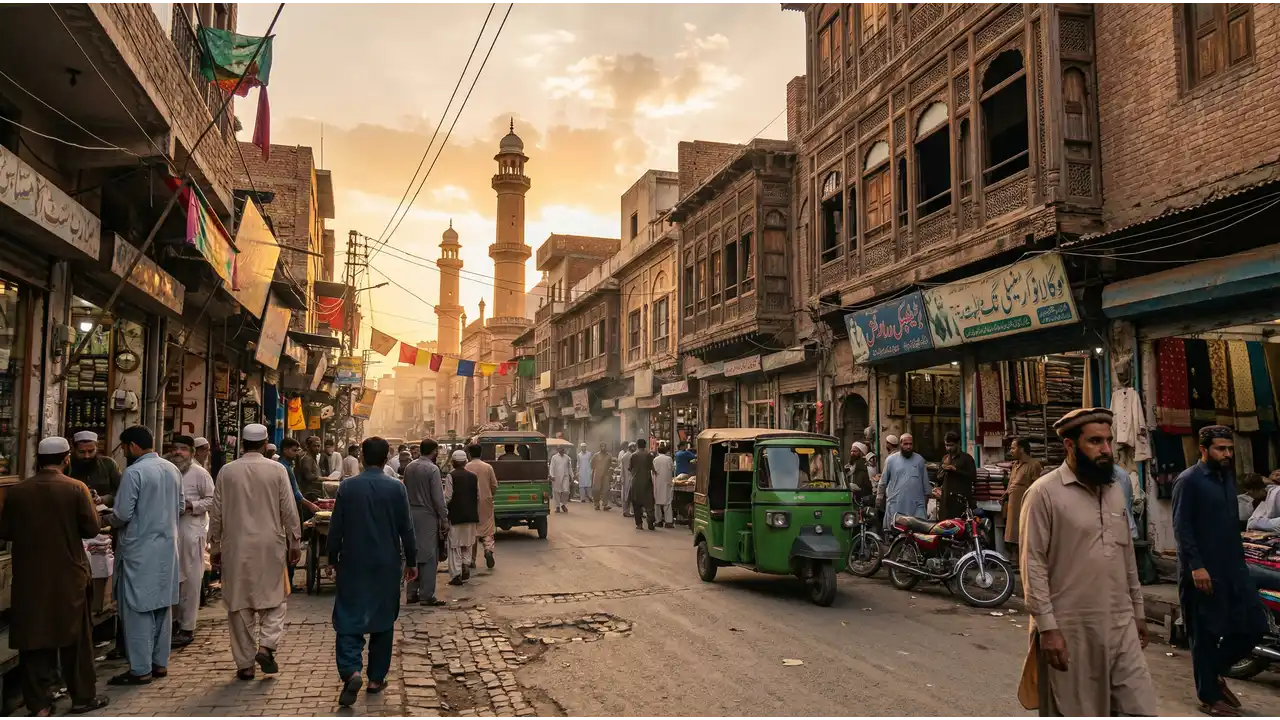
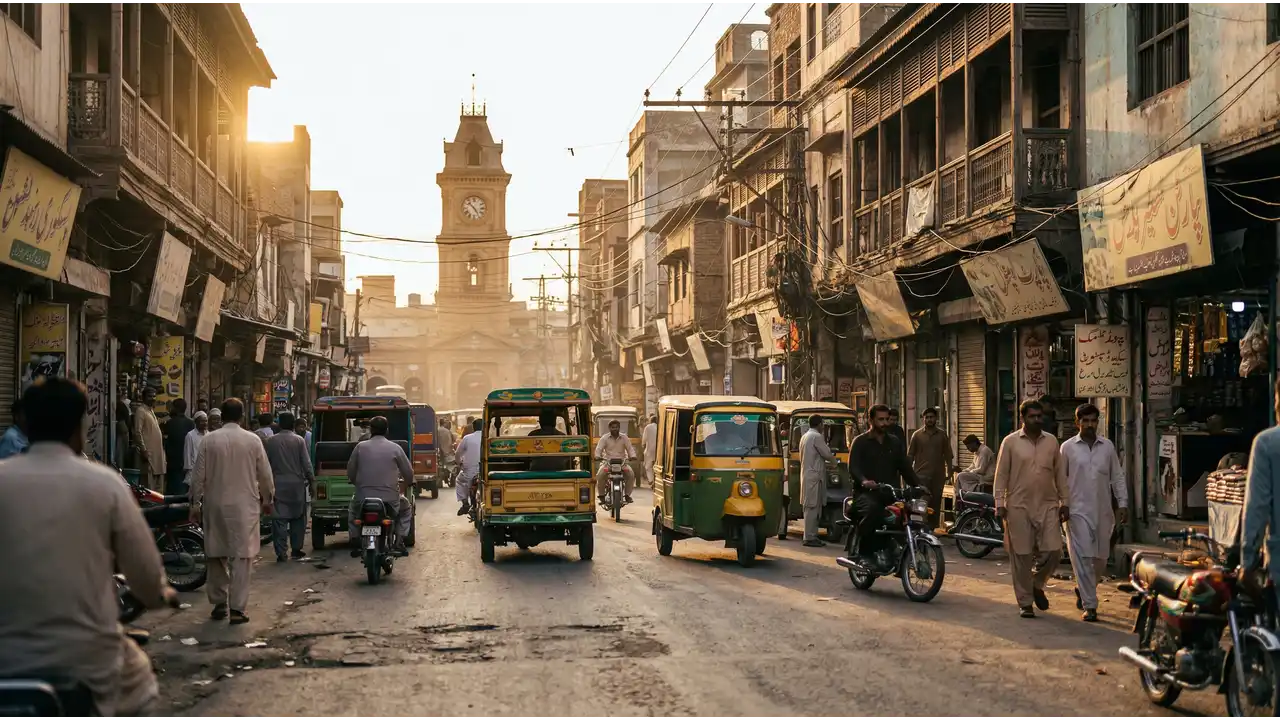
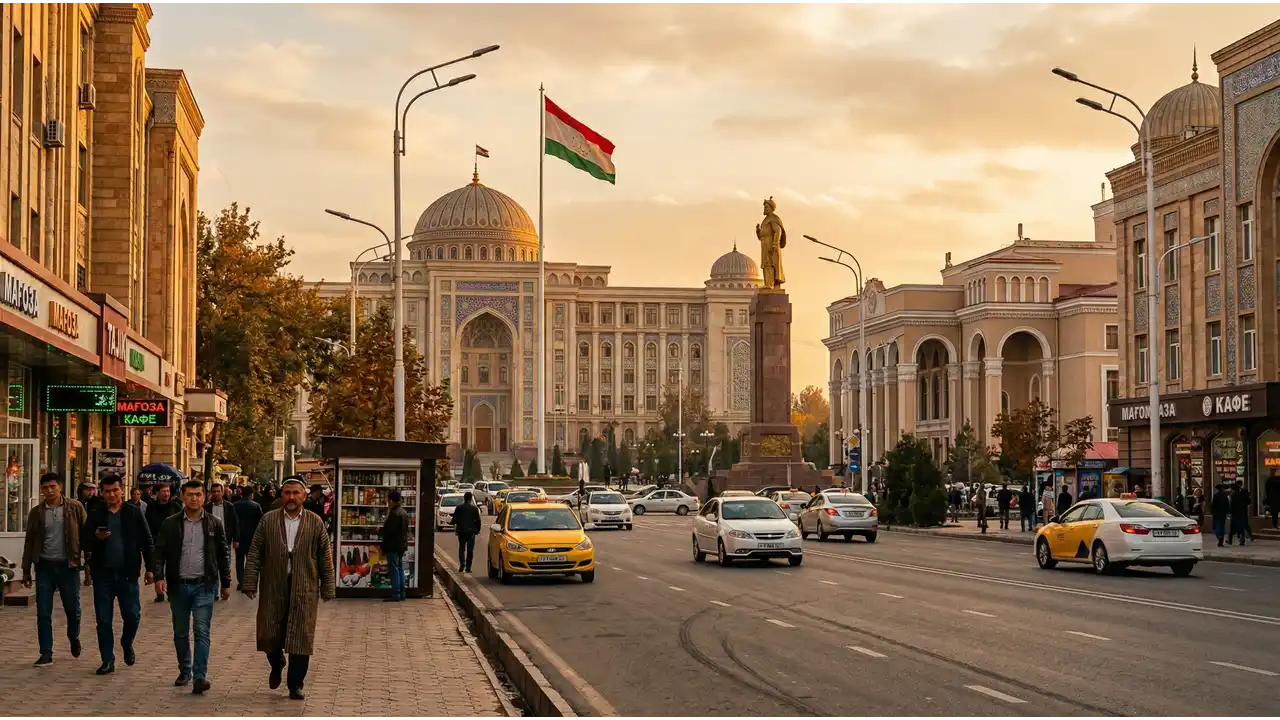
Kabul is Afghanistan's capital and largest city, home to roughly 4 million people. The city sits in a mountain valley at 5,900 feet elevation, with cold winters and mild summers. Daily life centers on bazaars, tea houses, and residential compounds. Afghan families make up the majority; expat populations are concentrated in secured areas. Infrastructure remains limited after decades of conflict. Power cuts are common. Water quality varies by neighborhood. The city operates on Afghan time, with a relaxed approach to scheduling. Security concerns shape where people live and move around.
💡 Local Insights
Kabul · 2026
Kabul's cost of living reflects post-conflict economics and limited foreign investment. Housing averages $91 per month, though this varies sharply by neighborhood and security level. Expat compounds in areas like Wazir Akbar Khan or near diplomatic zones run higher; local residential areas cost far less. Food at local markets runs roughly $100 per month for groceries. Afghan staples like rice, wheat bread, and seasonal vegetables are cheap. Imported goods cost 2-3 times more. Eating out at local kebab stands costs $2-4 per meal; expat restaurants charge $10-20. Transport is minimal expense: shared taxis cost under $1 per ride; private car hire with driver runs $8-15 daily. Most expats hire drivers out of security and navigation needs. Mobile internet is reliable and costs $3-8 monthly. Electricity and water bills add $20-40 monthly depending on usage and area. Healthcare and education (if private) are major wild cards for expat budgets.
Frequently Asked Questions
How much does it cost to live in Kabul per month?
A moderate lifestyle in Kabul costs roughly $400 per month. This breaks down to housing at $91 per month, groceries around $100 per month, transport and utilities at $80-120, and the remainder for communications, entertainment, and contingencies. The budget tier sits at $240 monthly (minimal housing, basic food, no transport frills), while a comfortable lifestyle reaches $620 per month (better housing, dining out, reliable transport). Actual costs depend heavily on neighborhood choice and whether you hire household staff, both common expat practices.
What is the average rent in Kabul?
Average housing costs $91 per month in Kabul. This figure reflects a mix of local and expat housing stock. Local Afghan rentals in working-class neighborhoods like Khair Khana or Mikroyan run $40-80 monthly for a simple one-bedroom apartment. Expat-focused compounds in Wazir Akbar Khan, Shar-i-Nau, or near the airport can reach $150-300 per month for better security, utilities, and amenities. Furnished vs. unfurnished makes little practical difference; most rentals come bare. Lease terms are typically 6-12 months and usually cash-only. Deposits are uncommon. The housing figure reflects a weighted average across these segments.
Is Kabul cheap to live in for expats?
Yes, but with caveats. Kabul is cheap compared to regional expat hubs like Dubai or Amman. Housing and food costs are genuinely low if you live locally. However, many expats incur hidden expenses: security precautions, hired drivers for safety, private schools, medical evacuation insurance, and imported goods. Expats who live in international compounds and eat at foreign restaurants spend $800-1,200 monthly. Those integrated into local neighborhoods on genuine $400 budgets exist but are rare. The real cost difference comes down to lifestyle choice and security comfort level, not the city itself.
How much does food cost per month in Kabul?
Groceries average $100 per month for a single person eating locally. A kilogram of rice costs roughly $0.60-0.80. Bread runs $0.10 per loaf. Seasonal vegetables (onions, carrots, potatoes) cost $0.30-0.60 per kilogram. Eggs are $0.80-1.20 per dozen. Chicken is $2-3 per kilogram. Dairy and fresh meat are cheapest at bazaars. Eating out at local Afghan restaurants (kebab stands, noodle shops) costs $2-4 per meal. International restaurants in expat areas charge $12-25. Bottled water is essential and adds $10-15 monthly. Imported groceries from international markets cost 2-3 times local prices.
What salary do you need to live comfortably in Kabul?
A comfortable lifestyle in Kabul costs around $620 per month. This budget allows better housing options ($120-150 in safer neighborhoods), regular dining out, reliable transport (hired driver or own vehicle), domestic help, and breathing room for emergencies. On $620 monthly, you can live in a secured compound, eat at both local and international restaurants, run a reliable internet connection, and maintain private school or tutoring for children if needed. Many expat organizations and NGOs budget $700-1,000 monthly for staff, which covers comfort, security measures, and modest entertainment. Below $620, you're making trade-offs on convenience or safety.
How does the cost of living in Kabul compare to other places?
Kabul is among the cheapest major cities in South Asia. A moderate lifestyle costs $400 per month here, with housing at $91 per month. That puts it notably below comparable cities in the region. Jaipur, a peer city, runs $475 for a moderate lifestyle and $156 for housing. Kathmandu is dearer still at $550 per month overall and $164 for housing alone.
The gap widens mainly because of housing. Kabul's rental market is exceptionally affordable compared to neighboring countries, though this reflects limited tourism infrastructure and restricted movement in certain areas. Food, transport, and services remain inexpensive across all three cities, but Kabul's combination of low wages and minimal expat demand keeps accommodation costs well below regional averages. If you're stretching a tight budget in South Asia, Kabul offers the lowest baseline costs, though security and accessibility constraints deserve serious consideration before moving.
Yes, but only on a strict budget. The $240 monthly tier covers basic housing ($70-80 in a local neighborhood), groceries ($100), and minimal transport ($20-30 shared taxis). This budget cuts out dining out, imported goods, private transport, regular healthcare, and entertainment. It assumes no dependents, no vehicle, no security costs beyond location choice, and comfort with local living conditions. Afghans live on less; expats on this budget are rare and typically have prior experience in the region or unusual lifestyle flexibility. It's technically possible but requires sacrifice on convenience and limits on movement around the city. Most expats find this unsustainable long-term.