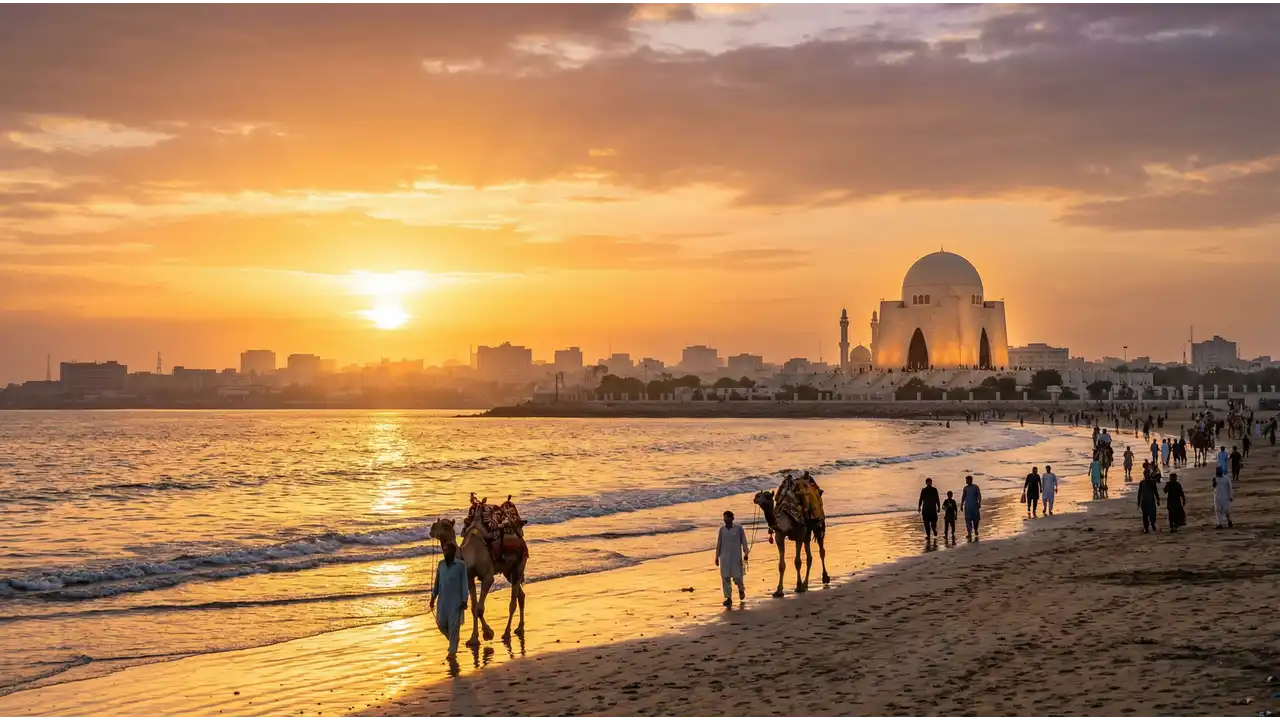
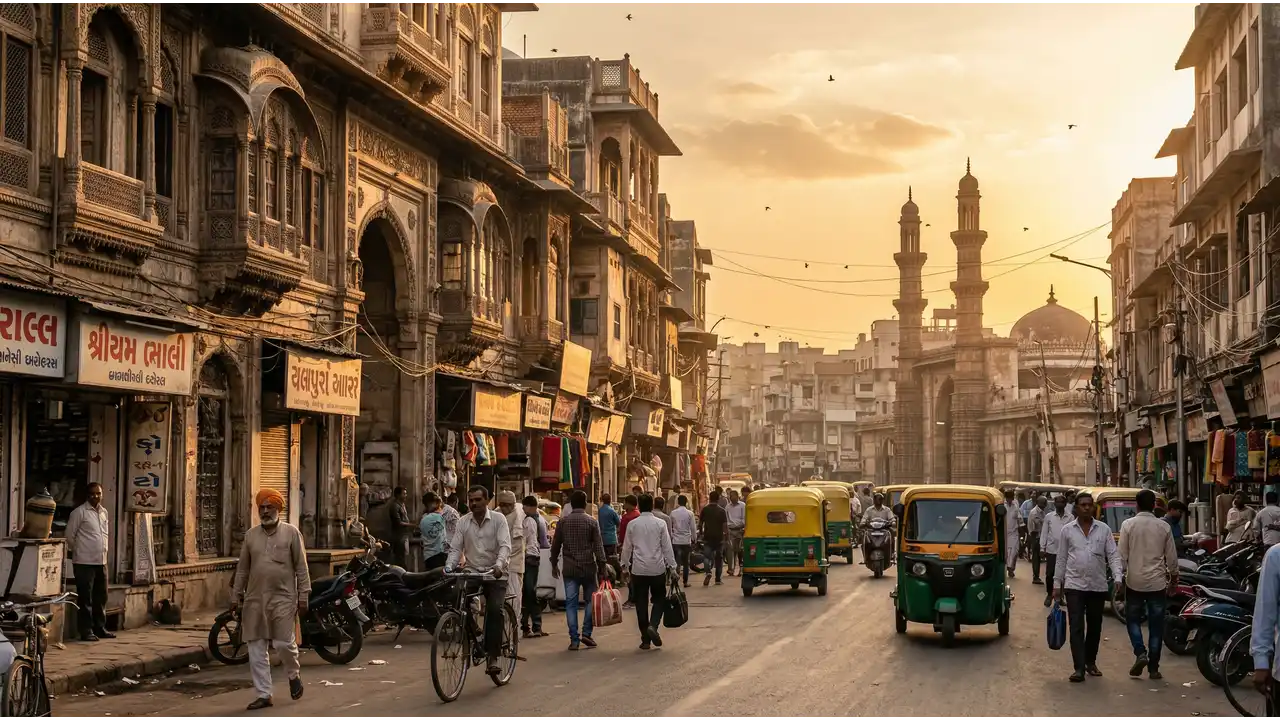
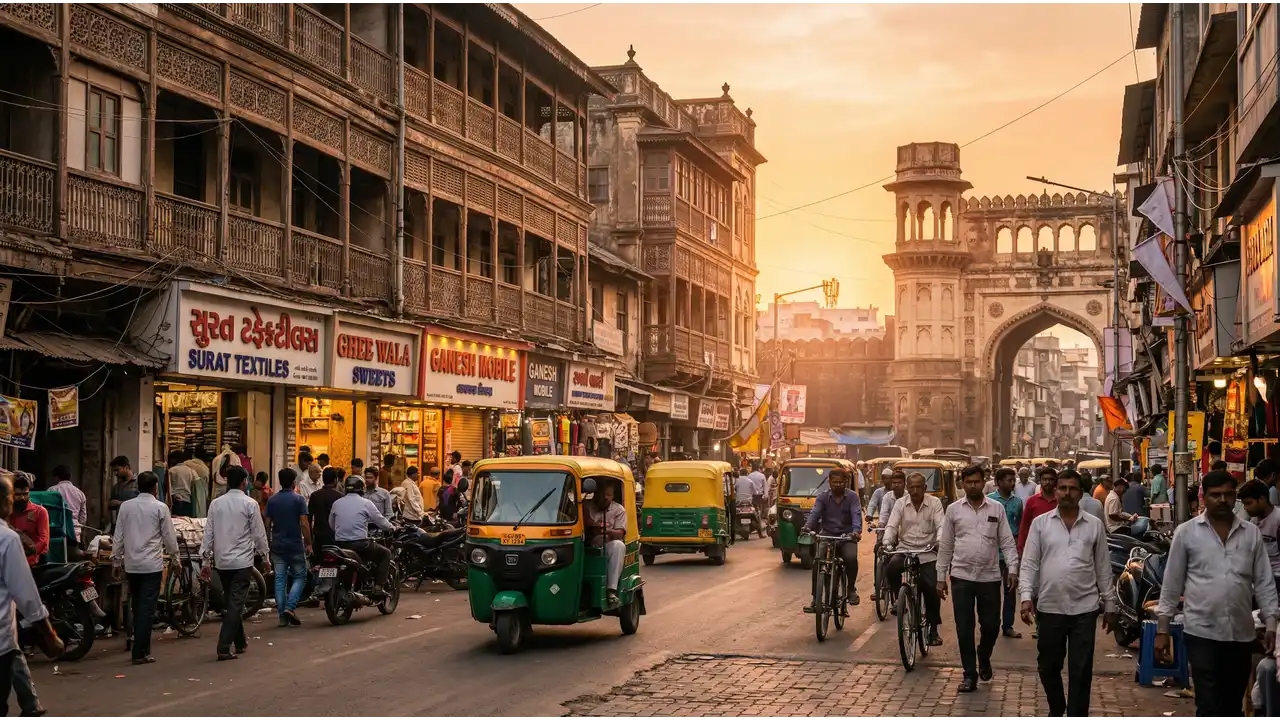
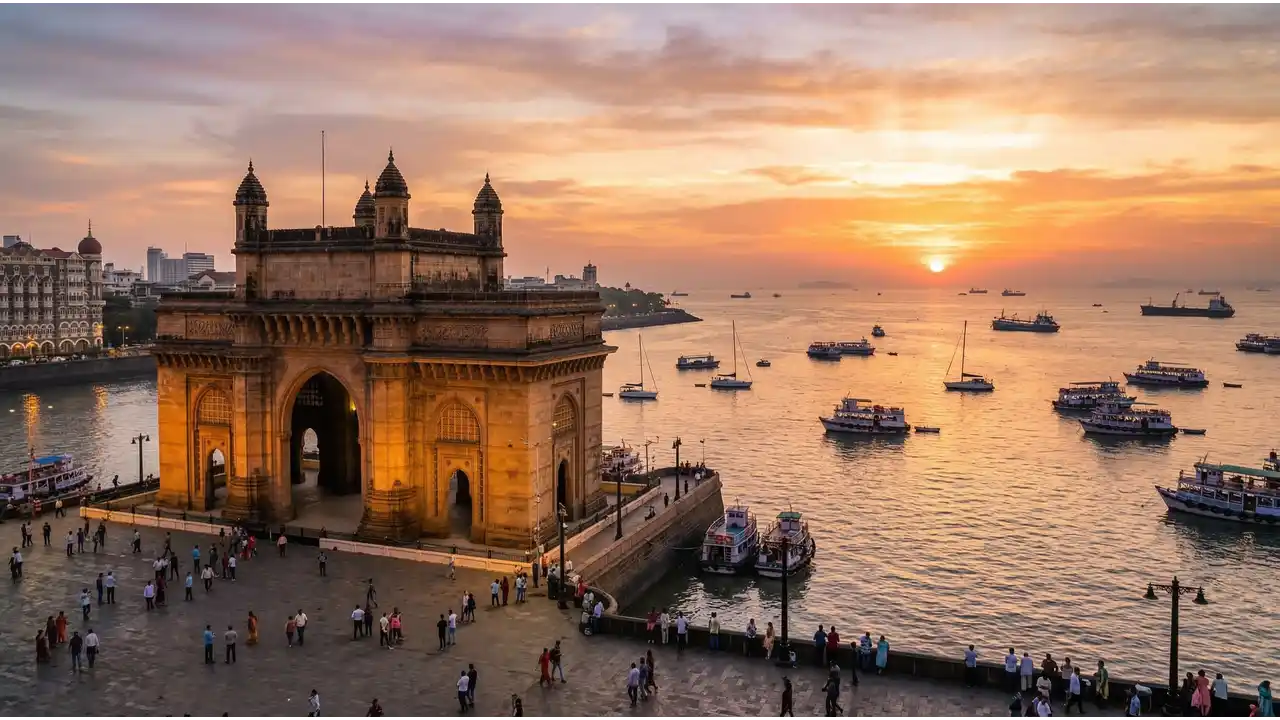
Karachi is Pakistan's largest city and economic hub, home to 16 million people on the Arabian Sea coast. Daily life revolves around dense commercial districts, port activity, and residential neighborhoods that range from cramped inner-city areas to sprawling suburbs. The climate is hot and humid, with temperatures exceeding 95 degrees Fahrenheit most of the year. Traffic is severe, power cuts are common, and infrastructure varies sharply by neighborhood. Most residents navigate by motorcycle, minibus, or car. The city has deep Sindhi, Urdu, and Pashtun communities, plus a smaller expat population concentrated in safer, pricier zones like Defence and Clifton.
💡 Local Insights
Karachi · 2026
Karachi's moderate cost of $500/month reflects genuinely low housing and food expenses offset by transport, utilities, and medical care gaps that push total spending higher than raw rent figures suggest. Housing at $135/month typically means a modest one-bedroom apartment in outer neighborhoods like Gulshan-e-Iqbal or Malir, or a shared arrangement closer to the center. Expats and higher-income Pakistanis pay more in Defence or Clifton, where rents reach $300-400/month, but that is above the moderate baseline. Groceries at $118/month assume local markets and staple foods (rice, lentils, vegetables, chicken). Expat-oriented supermarkets and imported goods cost 2-3 times more. Transport is cheap if you use minibuses and rickshaws (under $10/month), but car ownership or taxis add significantly. Power outages are routine, and many residents pay for generators or backup power. Healthcare is affordable but quality varies; expats often use private clinics. Water quality and air pollution are real concerns that factor into living decisions.
Frequently Asked Questions
How much does it cost to live in Karachi per month?
A moderate lifestyle in Karachi costs around $500/month. This breaks down roughly as housing at $135/month, groceries at $118/month, transport at $60-80/month, utilities (electricity, water, internet) at $50-70/month, and miscellaneous expenses (dining out, personal care, entertainment) at $80-120/month. Budget travelers can live on $300/month by sharing housing, eating only local food, and using public transport. Comfortable expat living runs $775/month when factoring in private healthcare, better accommodation, and Western groceries. The wide range reflects the sharp divide between Pakistani locals and expat lifestyles in the same city.
What is the average rent in Karachi?
Average rent is approximately $135/month for a modest one-bedroom apartment in outer residential areas like Gulshan-e-Iqbal, Malir, or North Karachi. These neighborhoods have basic amenities and reasonable security but longer commutes to central business districts. In mid-tier areas like Saddar or Kharadar, expect $150-250/month for similar space. Defence and Clifton, the preferred expat and affluent Pakistani zones, command $300-500/month for comparable apartments, plus additional costs for compound security and utilities. Shared accommodations run $60-100/month per person. Prices vary by building condition, water/electricity reliability, and proximity to main roads. Furnished apartments cost 20-30 percent more than unfurnished.
Is Karachi cheap to live in for expats?
Karachi is cheap compared to South Asian expat hubs like Singapore or Dubai, and significantly cheaper than North American or Western European cities. A month here costs roughly one-third what it would in London or Toronto if you avoid expat enclaves. However, expats often spend more than local Pakistanis because they rely on private schools, private healthcare, bottled water, imported groceries, and safer residential zones. Living like a local Pakistani on $300-400/month is feasible; living like an expat in a secure neighborhood with international conveniences runs $800-1,200/month. The gap exists because expat expectations around security, healthcare standards, and food safety push costs up significantly from the baseline.
How much does food cost per month in Karachi?
Monthly groceries cost around $118/month when shopping at local markets (sabzi mandi for produce, meat bazaars, neighborhood shops). Staples include rice at $0.60/kg, lentils at $0.80/kg, onions at $0.30/kg, chicken at $1.50/kg, and seasonal vegetables at $0.40-0.80/kg. A family meal of daal, rice, and vegetables costs under $2. Expat-oriented supermarkets (Imtiaz, Chase) charge 2-3 times more for imported items. Eating out is very cheap: a biryani or karahi chicken meal at a local restaurant costs $1.50-3, street food like chai and samosas under $0.50. A monthly food budget of $150-200 allows regular restaurant meals and better variety.
What salary do you need to live comfortably in Karachi?
A comfortable lifestyle in Karachi requires around $775/month. This supports a decent one-bedroom or two-bedroom apartment in a safe neighborhood, consistent utilities and power backup, regular restaurant meals, private healthcare access, occasional travel, and some savings. In practice, expat employers often offer packages of $1,200-2,000/month for mid-level professional roles to account for housing preferences, school fees, healthcare, and security costs above local baselines. A Pakistani professional earning 150,000-200,000 PKR/month (roughly $540-720) lives comfortably by local standards. The comfortable tier assumes you are not living in luxury compounds or sending children to expensive international schools, which would push costs to $1,500-2,500/month.
How does the cost of living in Karachi compare to other places?
Karachi is genuinely affordable compared to most South Asian cities. A moderate lifestyle here costs $500 a month, with housing running $135 monthly. That's cheaper than Rawalpindi, where the same lifestyle reaches $525 with housing at $168. If you're coming from Delhi, you'll notice the difference immediately: Delhi costs $675 for a moderate lifestyle and $299 for housing alone. Kabul is less expensive than Karachi at $400 monthly, though housing there is cheaper too at $91. For most expats and middle-income residents, Karachi's costs remain low by international standards. Your money stretches further here than in other major South Asian hubs, particularly for accommodation. The trade-off is that some goods and services may require more legwork to source compared to larger developed-world cities.
Yes, but with strict discipline and local integration. A $300/month budget requires shared housing (splitting $80-120/month rent), eating only from local markets and street food, using minibuses and rickshaws exclusively, and accepting minimal healthcare access. You would have almost no buffer for emergencies, medical treatment, or travel. Utilities, internet, and phone together run $20-30/month. Food on $80-90/month means rice, lentils, vegetables, occasional chicken, chai, and street meals. Entertainment and discretionary spending are nearly zero. This budget works for long-term travelers or Pakistani nationals living with family, but is risky for expats without local support networks. Power outages, water quality issues, and security concerns become acute when you cannot afford private alternatives. A minimum realistic buffer of $400-450/month is advisable.