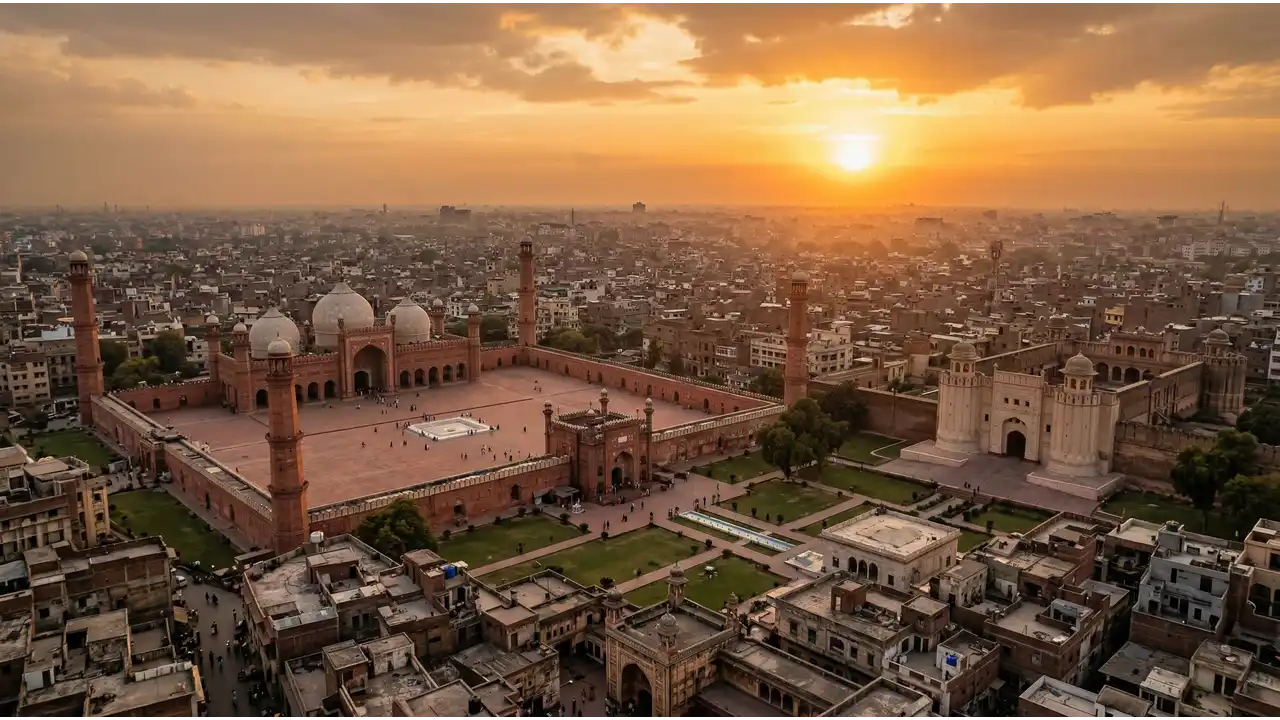
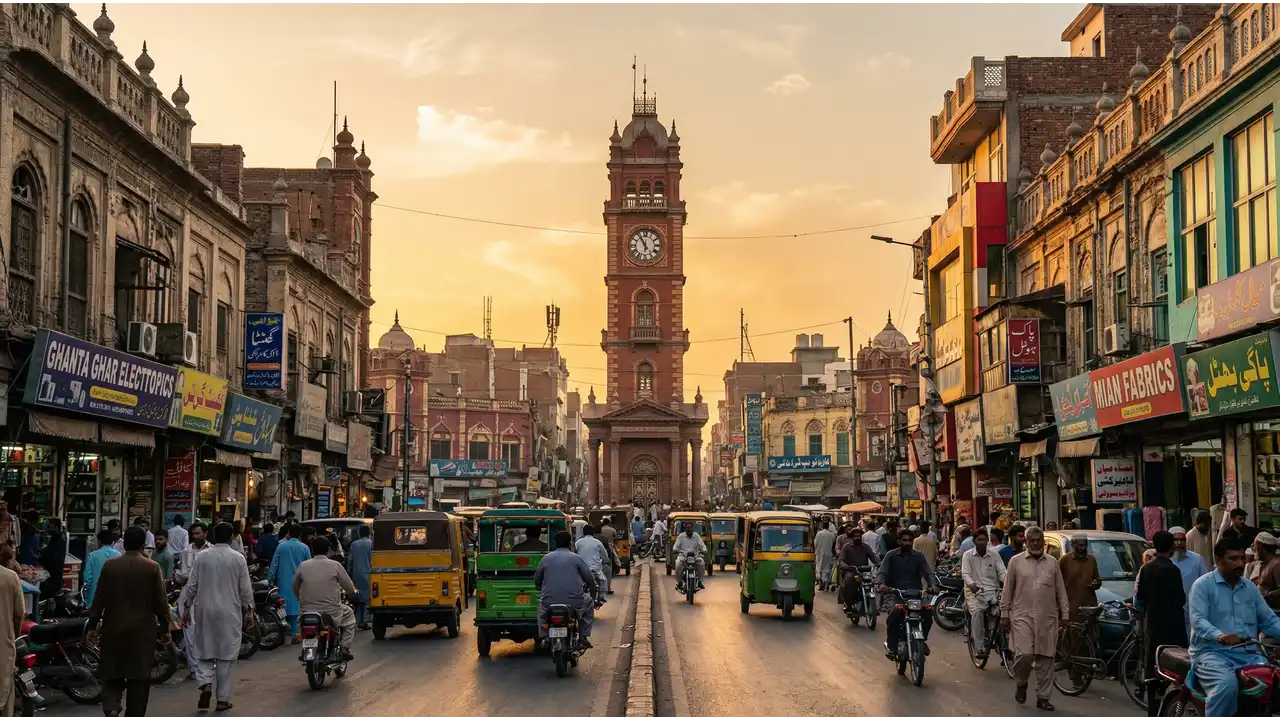
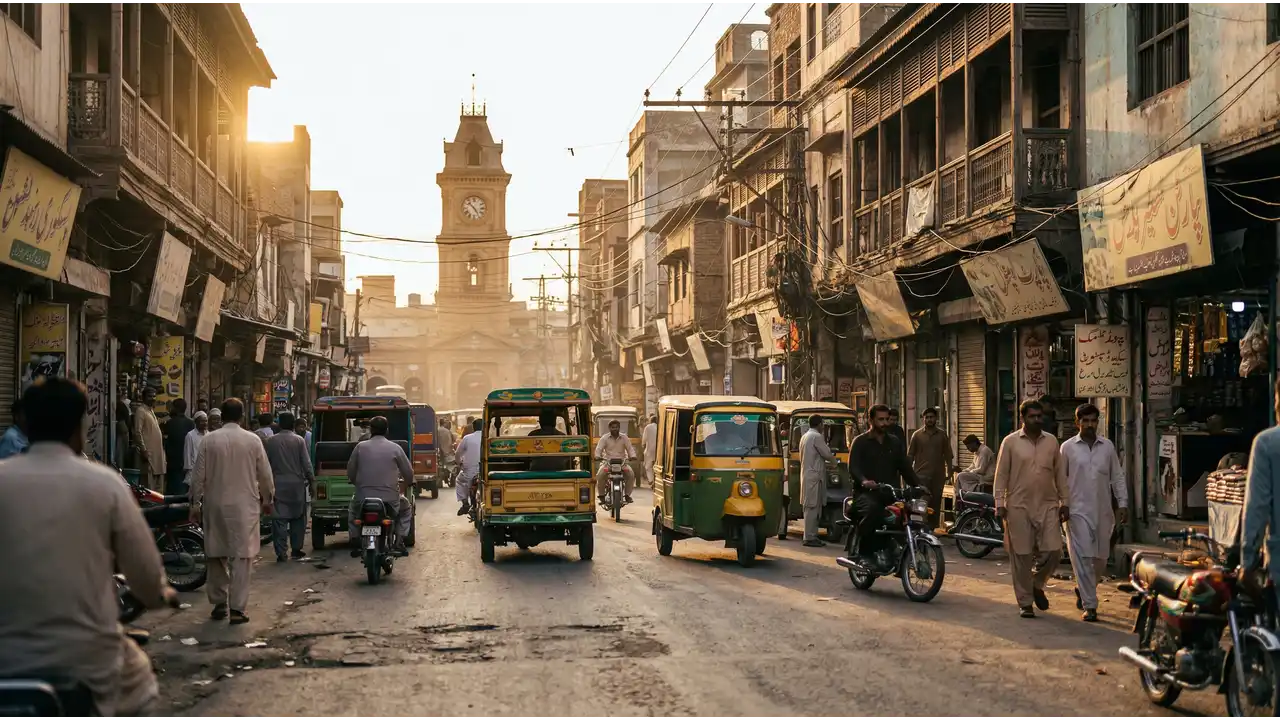
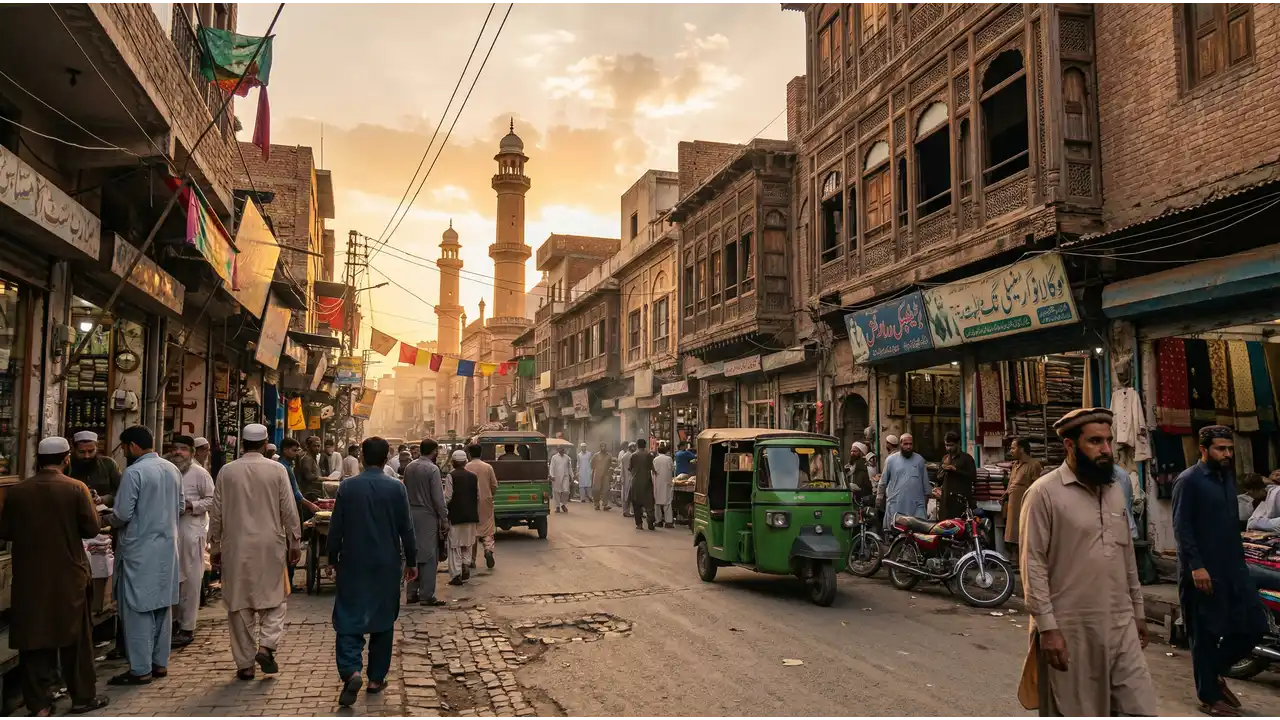
Lahore is Pakistan's second-largest city and cultural heart, home to roughly 11 million people across dense old quarters and sprawling modern suburbs. The climate is hot and dry most of the year, with intense heat May through September and mild winters. Daily life revolves around markets, small shops, and street food vendors. Traffic is heavy and chaotic. The city has significant expat communities (diplomats, aid workers, teachers), alongside Pakistani families, traders, and students. Power cuts occur regularly but have improved. Urdu is the main language; English is common in business and educated circles. The pace is energetic and informal.
💡 Local Insights
Lahore · 2026
Lahore's low cost reflects Pakistan's overall economy, but prices vary sharply between local and expat-oriented areas. Housing at $135/month covers a modest one-bedroom apartment in working-class neighborhoods like Gulberg or older parts of the city; expat compounds in Defence or Cantt run higher but rarely exceed $400 for furnished space. Groceries at $110/month assume shopping at local markets and small stores rather than imported goods. A kilo of chicken costs roughly $2, rice $0.50/kg, and vegetables $0.30-0.60 per item. Imported goods and supermarket staples cost 2-3 times local prices. Transport is cheap: CNG rickshaws cost $0.15-0.30 per ride, motorcycles dominate, and hiring a private driver runs $150-250/month. Expats often face price markups in tourist zones and Western-style restaurants. Eating out at local dhabas costs $1-3 per meal; Western restaurants charge $8-15. Utilities, phone services, and domestic help are inexpensive. The real cost driver for expats is often housing preference and security arrangements, not basic living expenses.
Frequently Asked Questions
How much does it cost to live in Lahore per month?
A moderate lifestyle in Lahore costs around $475/month. This breaks down roughly as: housing $135/month, groceries $110/month, transport and local travel $30-40/month, utilities $20-30/month, and dining out or entertainment $150-160/month. The budget tier of $285/month cuts most eating out and entertainment, while the comfortable tier at $736/month adds space, dining variety, activities, and occasional travel. Individual costs depend heavily on neighborhood choice and whether you shop at local markets or import Western goods.
What is the average rent in Lahore?
Average rent is around $135/month for a modest one-bedroom apartment in working-class or older neighborhoods. In Gulberg, Model Town, or Johar Town you can find unfurnished apartments for $100-180/month. Defence and Cantt areas (expat-preferred) range $200-400/month for similar space. Furnished short-term rentals for expats run $250-500/month. Prices depend on amenities, proximity to services, and neighborhood reputation. Landlords often prefer longer leases (one year or more). Real estate is advertised locally through property agents and word of mouth; few listings appear on international platforms.
Is Lahore cheap to live in for expats?
Yes, Lahore is very cheap for expats compared to major global cities, but comes with caveats. Basic costs for food, transport, and rent are genuinely low. However, expats often face surcharges in Western restaurants, hotels, and expat-focused services. Security concerns can push accommodation costs up if you prioritize gated compounds. Imported goods cost significantly more than local alternatives. Internet and phone services are reliable and inexpensive. Long-term expats typically find they can live well on $500-700/month if flexible about food and transport; short-term visitors or those wanting Western convenience spend more.
How much does food cost per month in Lahore?
Groceries run roughly $110/month for a moderate diet. A kilo of chicken costs around $2, beef $2.50, rice $0.50/kg, wheat flour $0.25/kg, and seasonal vegetables $0.30-0.60 each. Milk, yogurt, and cheese are cheap locally. Eating out at local dhabas (street eateries) costs $1-3 per meal. Pakistani takeout (nihari, biryani, paratha) runs $2-4. Western-style restaurants in shopping malls charge $10-18 per meal. Imported groceries at supermarkets (cheese, cereals, chocolate) cost double or triple local prices. Street food like samosas, chaat, and fresh juice are under $0.50. Shopping at local markets saves 30-40 percent versus chain stores.
What salary do you need to live comfortably in Lahore?
A comfortable lifestyle costs around $736/month. This allows a larger or newer apartment in a good neighborhood ($200-250), eating out several times weekly, regular transport, domestic help or laundry services, gym membership, and entertainment. For expats, comfortable often means additional spending on imported groceries, occasional travel, and security measures. A monthly salary of $1,000-1,200 provides real comfort with room for savings and emergencies. Many expat employers provide housing or housing allowances, which substantially improves purchasing power. Local salaries for skilled work range $300-600/month, so expat compensation packages are significantly higher in practice.
How does the cost of living in Lahore compare to other places?
Lahore is genuinely affordable compared to most South Asian cities of comparable size. A moderate lifestyle costs $475 per month here, with housing running $135 per month. That's slightly cheaper than Karachi, which runs $500 for the same moderate lifestyle with housing at $135 per month. If you're coming from Pune, expect a significant drop in costs. Pune runs $650 monthly for a moderate lifestyle and $271 for housing alone, making it roughly 37 percent more expensive overall. Lahore is more expensive than Kabul, which costs $400 monthly, though Kabul's lower figures reflect its particular economic situation. Within Pakistan, Lahore and Karachi are effectively peers in cost, so your choice between them won't hinge on price. Your money stretches furthest if you're flexible on location and willing to live outside major metros.
Yes, but with significant constraints. The budget tier of $285/month covers bare essentials: a small room in a cheap neighborhood, basic groceries from local markets, public transport only (CNG rickshaws and buses under $10/month), and no eating out. You would skip Western goods, entertainment, dining out, and most non-essential services. Utilities might push you slightly over if you run air conditioning regularly. Local Pakistani students and workers live on similar budgets. Expats can do it temporarily but typically find the trade-offs (shared housing, no social activities, basic food) unsustainable long-term. Most expats planning to stay more than a few months budget $450-550/month minimum.