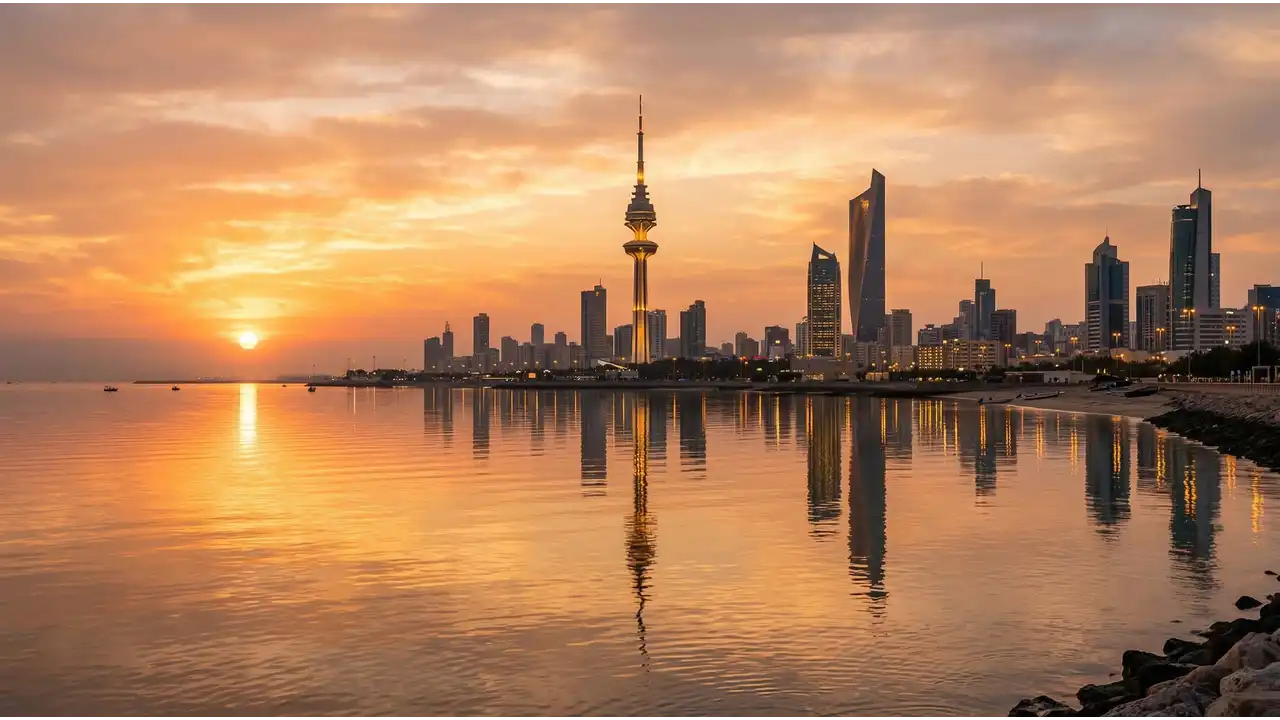
Lebanon is a small Mediterranean country on the eastern shore, home to roughly 5 million people including a large Syrian refugee population. Beirut, the capital, sits on the coast and remains the commercial and cultural center despite decades of political instability and the 2020 port explosion. Daily life centers on dense urban neighborhoods, strong family and community ties, and a culture built around food, coffee, and conversation. The climate is Mediterranean: hot, dry summers and mild winters with occasional snow in the mountains. Most expats live in Beirut or Mount Lebanon suburbs. Infrastructure is inconsistent; electricity, water, and fuel face regular shortages, and many households rely on private generators or storage tanks.
💡 Local Insights
Lebanon · 2026
Lebanon's cost structure is complex and volatile. The official exchange rate and black market rate for the Lebanese pound diverge significantly, meaning prices quoted in dollars can vary by source and timing. Expats typically pay more than locals for housing and services due to perceived ability to pay. Housing averages $494/month and depends heavily on location, condition, and whether you negotiate in dollars or pounds. Beirut neighborhoods like Hamra and Ras Beirut command higher rents than suburbs or peripheral areas. Food groceries average $260/month for staple items, but imported goods and Western brands cost substantially more. Local produce at markets (souks) is cheaper than supermarkets. Transport relies on shared minibuses (services), which are very cheap. Private cars require fuel and maintenance, both expensive. Electricity is typically included in rent or billed separately but is unreliable; expect to pay extra for generator access during outages. Eating out at casual restaurants costs $5 to $12 per meal. The economy is dollarized in practice; most prices are quoted in USD despite official Lebanese pound transactions.
Frequently Asked Questions
How much does it cost to live in Lebanon per month?
A moderate lifestyle costs $1,300/month. This breaks down roughly as: housing $494/month, groceries $260/month, utilities and transportation $200 to $250/month, and dining out, entertainment, and miscellaneous expenses $300 to $350/month. On the budget end, you can live on $780/month by sharing housing, buying only local staples, and limiting eating out. The comfortable tier runs $2,015/month, allowing for newer housing, regular restaurant meals, and more flexibility with imports and services. Costs are highly individual based on neighborhood, lifestyle, and whether you use Lebanese pounds or USD pricing.
What is the average rent in Lebanon?
Average rent is around $494/month, though this varies significantly by neighborhood and housing quality. In Beirut's central areas like Hamra, a one-bedroom apartment costs $400 to $700/month. Peripheral Beirut neighborhoods and Mount Lebanon suburbs (Achrafieh, Gemmayze, Bab Idriss) range $350 to $550/month for comparable space. Shared apartments in less desirable areas run $200 to $300/month per room. Furnished versus unfurnished makes a difference; furnished apartments rent higher. Most landlords prefer dollar payments or peg prices to the USD rate, making rent sensitive to exchange rate shifts. Utilities (electricity, water, internet) are typically additional and can add $50 to $150/month depending on usage and season.
Is Lebanon cheap to live in for expats?
Lebanon is relatively cheap compared to Gulf states or Western Europe, but not necessarily compared to other Middle Eastern countries. The main catch is the dual pricing system: expats often pay 20 to 50 percent more than locals for housing, services, and some goods because landlords and vendors assume higher budgets. The currency crisis means prices fluctuate; what costs $1,300 today may shift if the pound weakens further. Utilities are unreliable and expensive due to shortages; many expats pay premiums for generator access or water delivery. For budget-conscious travelers or those comfortable with local living standards, Lebanon is inexpensive. For expats expecting Western amenities and stability, costs rise quickly due to premium pricing for comfort and workarounds for infrastructure gaps.
How much does food cost per month in Lebanon?
Monthly groceries average $260/month for staples: bread, rice, beans, eggs, local vegetables, and basic dairy. A kilogram of chicken costs roughly $6 to $8, beef $10 to $14, local cheese $5 to $7. Supermarket produce is more expensive than souks; a kilo of tomatoes at a market runs $1.50 to $2.50, while supermarkets charge double. Imported items (cheese, cereals, specialty products) cost 50 to 100 percent more. Eating out at casual shawarma shops costs $3 to $5 per meal. Mid-range restaurants charge $10 to $15 per person. Coffee at a cafe runs $2 to $4. The variation between local and imported, souks and supermarkets, significantly affects your food budget within that $260/month range.
What salary do you need to live comfortably in Lebanon?
A comfortable lifestyle costs $2,015/month, which assumes good housing ($600 to $800/month in a nicer Beirut neighborhood or newer building), regular restaurant dining, reliable utilities with generator backup, transportation, and flexibility for travel or hobbies. This amount provides breathing room for inflation, exchange rate swings, and unexpected expenses. Most expat salaries in Lebanon range from $2,000 to $4,000/month depending on sector and role; teachers, NGO workers, and freelancers often fall toward the lower end. Dual-income households are common. If your income is in USD and stable, $2,015/month is adequate for comfort. If paid in Lebanese pounds, your purchasing power fluctuates with the official or parallel exchange rate, so dollar equivalence matters more than the nominal sum.
How does the cost of living in Lebanon compare to other places?
Lebanon's moderate lifestyle costs $1,300 per month, with housing running $494 monthly. This puts it roughly on par with Saudi Arabia, where a moderate lifestyle is $1,350 per month and housing costs $554. Both sit in the middle tier for the region.
If you're coming from cheaper ground, the Philippines offers noticeably lower costs at $875 monthly for a moderate lifestyle and $320 for housing. However, if you're accustomed to more expensive markets, Lebanon will feel like a step up. The Maldives, by contrast, runs substantially higher at $1,825 per month with housing at $1,009.
The current economic situation in Lebanon creates real complications beyond these baseline figures. Official exchange rates don't reflect market reality, and access to foreign currency can affect what these costs mean in practice. Expats and locals often report significant variation depending on whether they're buying in the parallel market or accessing dollars directly.
Yes, but with real constraints. A $780/month budget requires sharing housing (room in a shared apartment, $150 to $250/month), buying only local staples at markets ($150 to $180/month), using shared minibuses exclusively ($20 to $30/month), and minimal eating out ($100 to $150/month for occasional meals). Utilities, phone, and miscellaneous push another $100 to $150/month. This means no car, no generator access (relying on grid electricity), no imported goods, no social spending, and vulnerability to utility blackouts and fuel shortages. It works if you're young, flexible, fluent in Arabic or embedded in a local community, and comfortable with basic living. For most expats expecting privacy, consistent power, and some Western comforts, $780/month will feel tight. The budget tier is realistic for long-term residents who've adapted to local systems, not newcomers.