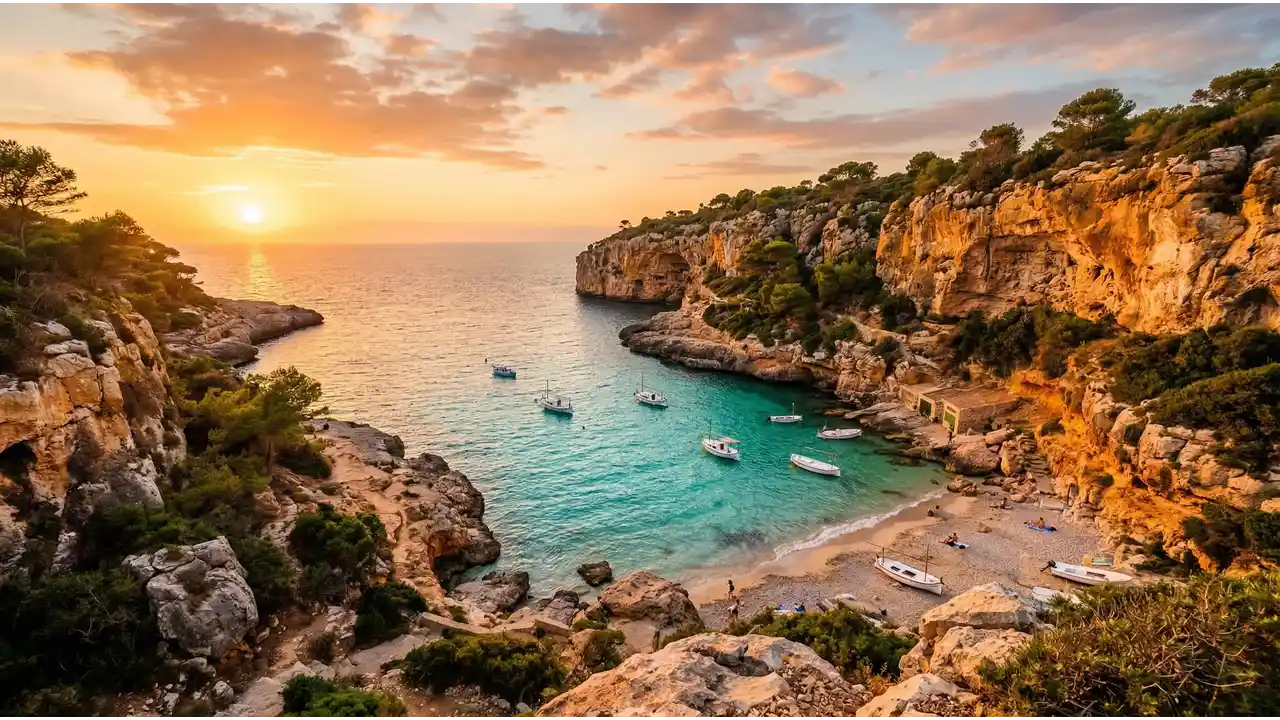
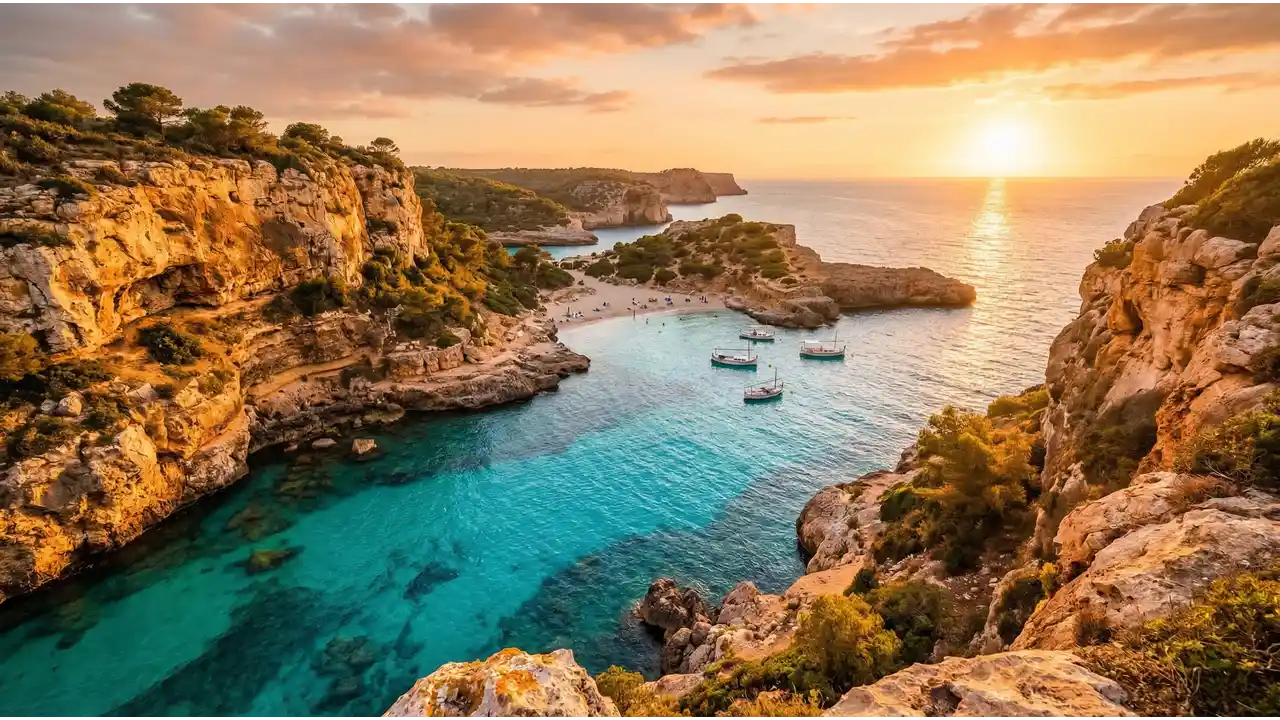
Majorca is Spain's largest Balearic island, home to around 900,000 people spread across coastal towns, inland villages, and the capital Palma. The island operates as both a tourism destination and a functioning residential community. Winters are mild (50-60°F), summers hot and dry (80-90°F). Daily life revolves around a Mediterranean rhythm: late meals, siestas in summer, strong local traditions alongside growing expat populations. Palma has urban infrastructure and nightlife; smaller towns like Soller and Andratx offer quieter, village-pace living. Most residents rely on cars, though Palma has basic public transit. Spanish is the primary language, Catalan widely spoken.
💡 Local Insights
Majorca · 2026
Majorca's cost structure splits sharply between coastal and inland areas. Housing dominates the budget at $1,133/month on average. Palma rental apartments run $800-1,400 for one to two bedrooms depending on neighborhood; Paseo Maritimo and the old town command higher prices, while Son Ferriol andCamp dels Maragalls stay lower. Inland towns like Inca and Manacor offer $600-900 rents. Groceries at $320/month are reasonable by European standards. Supermarket chains (Carrefour, Mercadona) stock both Spanish and imported goods; farmers markets in Palma offer cheaper produce. Eating out ranges $12-18 for casual meals, $30-50 for mid-range restaurants. Transport costs are modest: public buses cost around $50/month, car ownership requires fuel and insurance. Expats often face higher initial housing costs due to short-term rental premiums and landlord preferences for long-term local tenants. Utilities (electricity, water, internet) add another $100-150/month. Peak summer (June-September) sees temporary price inflation in tourist zones.
Frequently Asked Questions
How much does it cost to live in Majorca per month?
A moderate lifestyle in Majorca costs $2,125/month. This includes housing at $1,133/month, groceries at $320/month, transport, utilities, and leisure activities. The budget tier runs $1,275/month if you live inland, cook most meals, and use public transport. The comfortable tier reaches $3,294/month with larger housing, dining out regularly, and more leisure spending. These figures are consistent with Eurostat HICP data for the Balearic Islands and reflect typical expat and local household spending patterns.
What is the average rent in Majorca?
Average rent in Majorca is $1,133/month, consistent with data from local property boards and rental platforms. In Palma, one-bedroom apartments in central neighborhoods rent for $900-1,300/month; two-bedroom units run $1,200-1,600/month. Outer Palma districts like Llucmajor and Marratxi drop to $700-950/month. Coastal towns like Soller and Pollensa range $800-1,200/month. Inland Inca and Manacor offer $600-900/month. Furnished rentals cost 15-25% more. Long-term contracts (12 months) are cheaper than short-term holiday lets. Landlords often require proof of income and deposits equal to one or two months' rent.
Is Majorca cheap to live in for expats?
Majorca is moderately priced for expats, cheaper than London or Munich but pricier than Portugal or Greece. For UK retirees, it offers Mediterranean climate at reasonable cost. For US expats, housing at $1,133/month and food at $320/month are competitive if you avoid tourist zones. The challenge: upfront costs are high. Short-term rentals and furnished apartments (common for expats arriving without a lease) cost 20-30% more than long-term Spanish rentals. Once settled with a 12-month contract, costs drop noticeably. Healthcare is accessible; EU citizens use Spain's public system, non-EU expats need private insurance ($80-200/month). Language barriers are minimal in Palma but real inland.
How much does food cost per month in Majorca?
Groceries average $320/month for a single person buying at supermarkets. Mercadona and Carrefour dominate pricing. Specifics: bread $1-1.50/loaf, milk $1.20/liter, cheese $8-12/kg, chicken $8-10/kg, vegetables $2-4/kg at supermarkets (cheaper at markets). Eating out costs $12-15 for menu del dia (lunch special), $20-30 for casual dinner, $40-60 for mid-range restaurants in Palma. Expats often report higher grocery costs if buying imported items (UK products, US brands). Local markets in Palma (Monday-Saturday mornings) offer 10-15% savings on fresh produce but require Spanish or patience to negotiate.
What salary do you need to live comfortably in Majorca?
A comfortable lifestyle requires $3,294/month, or roughly $39,500/year. This supports a spacious one or two-bedroom apartment, regular dining out, travel, and leisure activities without financial stress. For a household of two, budget $5,000-5,500/month. Spain's Non-Lucrative Visa (popular with early retirees) requires proof of around $2,000-2,500/month income, but this is basic subsistence; the comfortable tier gives room for healthcare, emergencies, and quality of life. Self-employed expats should factor in 18% Spanish VAT, income tax (19-45% depending on earnings), and private healthcare if non-EU ($100-200/month). Remote workers earning in USD or GBP have purchasing power advantages against the euro.
How does the cost of living in Majorca compare to other places?
Majorca runs $2,125 per month for a moderate lifestyle, with housing at $1,133 per month. This puts it slightly more expensive than Portugal, where a moderate lifestyle costs $2,050 monthly and housing runs $1,033. Compared to Greece, Majorca is noticeably dearer. Greece comes in at $1,575 for a moderate budget with housing at $562 per month. On the other end, Ireland is significantly more costly than Majorca across the board, at $3,100 monthly with housing at $1,796. The gap between Majorca and Greece reflects the Balearic Islands' popularity as a tourist destination and their proximity to Western Europe, which drives up prices. If you're budget-conscious, Greece offers better value, though Majorca remains reasonable within Southern European standards.
Yes, but with significant constraints. This budget tier covers housing around $700-800/month (inland towns like Inca, Manacor, or outer Palma), groceries at $320/month, and tight spending elsewhere. You cut: dining out (cook meals), car ownership (use buses), entertainment (free beaches, hiking), travel. Healthcare adds $50-80/month if not EU-citizen (public system free for residents). Utilities claim $80-120/month. What remains ($50-100) covers minimal transport and personal items. This budget works for retirees with healthcare sorted, digital nomads flexible on location, and people comfortable with local Spanish pace. It fails if you need frequent travel, have dependents, or want an active social life centered on restaurants and bars. Many long-term budget expats report sustainability at this level after 6 months of local knowledge.