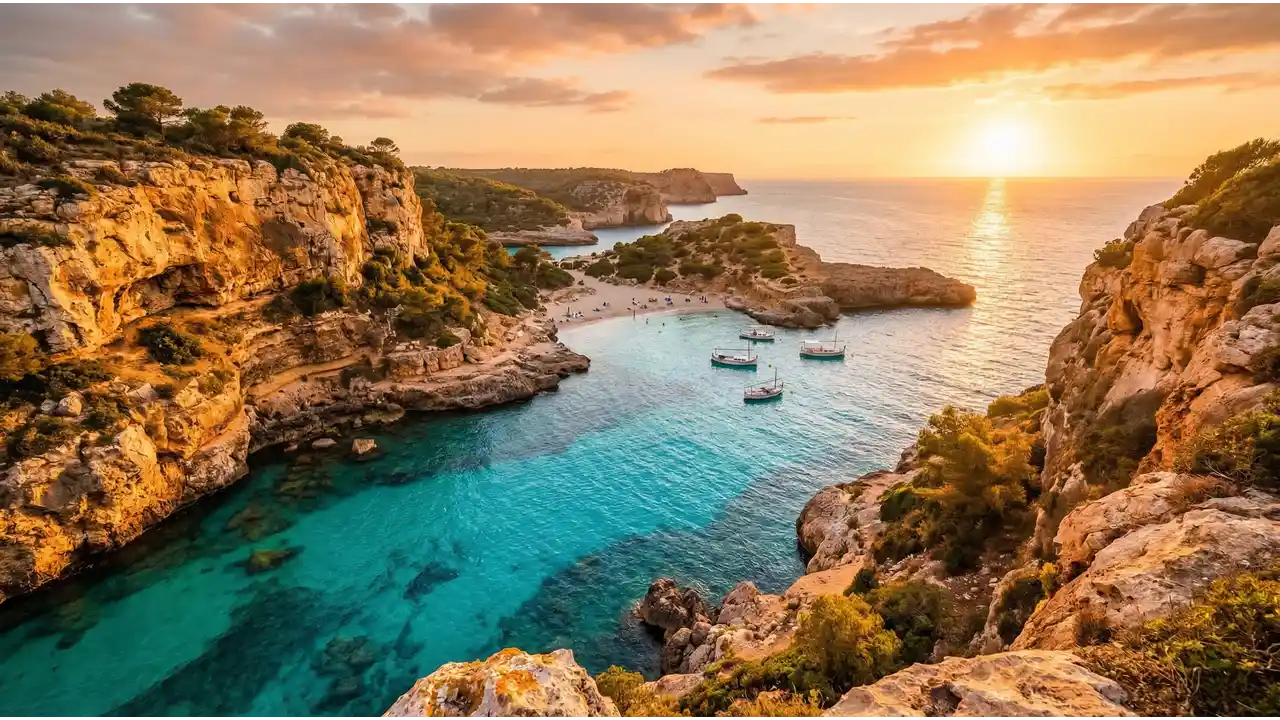
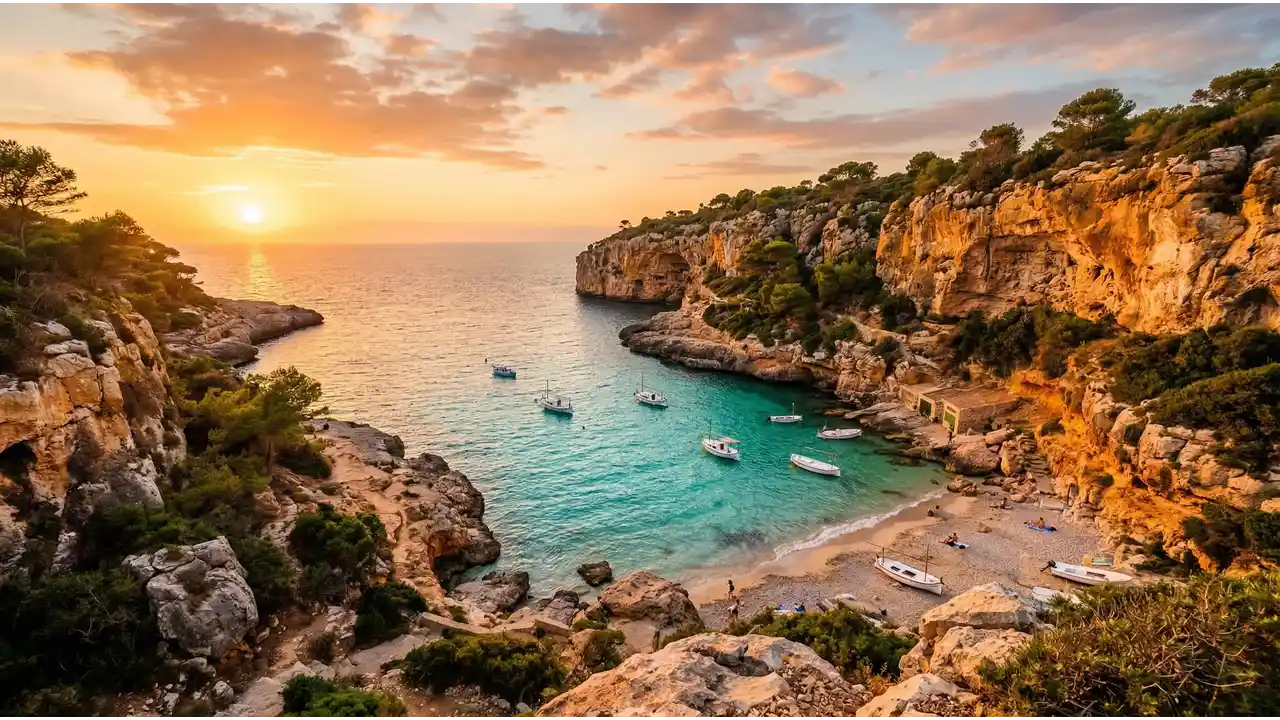
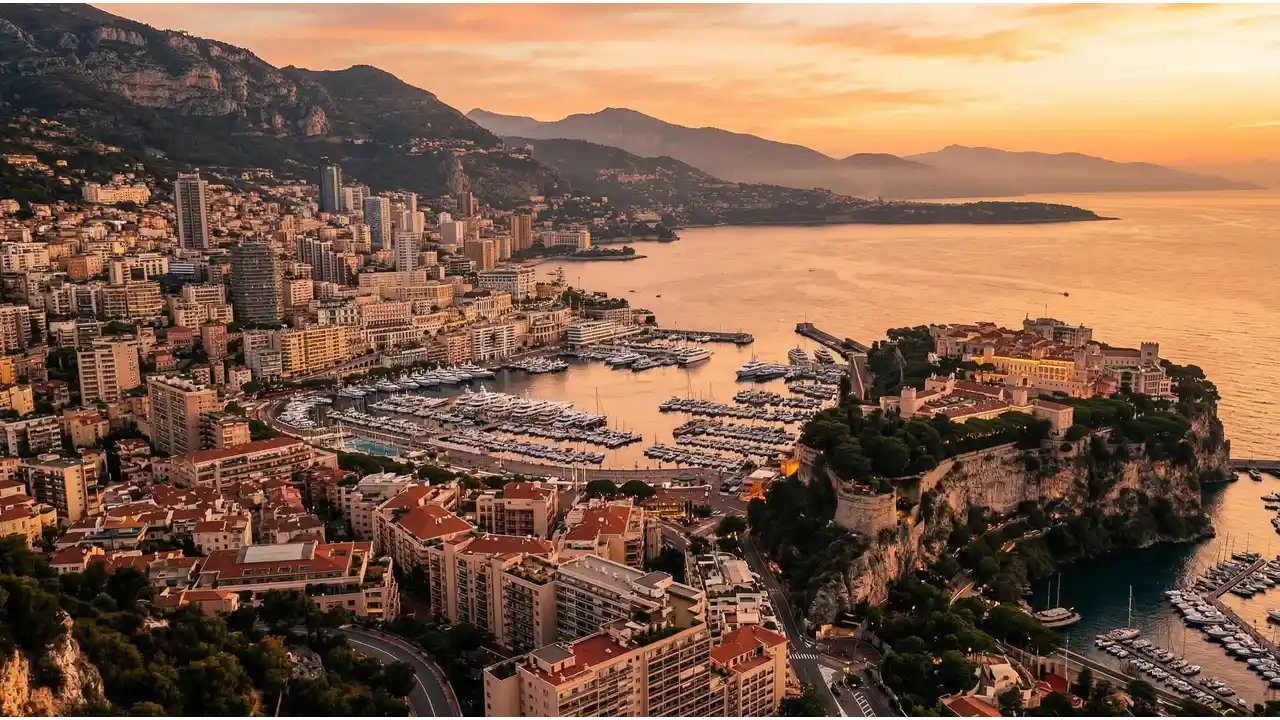
Mallorca is Spain's largest Balearic island, home to 900,000 people spread across capital Palma and smaller towns like Soller, Pollenca, and Alcudia. Daily life centers on Mediterranean rhythms: long lunches, afternoon closures, strong local culture mixed with international residents. Winters are mild (50-60 degrees Fahrenheit), summers hot and dry. Tourism drives the economy, but the island has working neighborhoods, Spanish schools, and genuine local communities beyond resort areas. You'll hear Catalan and Spanish daily. Expats, remote workers, and early retirees have settled here steadily, creating layered expat infrastructure without eliminating authenticity.
💡 Local Insights
Mallorca · 2026
Housing dominates your budget at $1,133/month. Palma center runs $1,200-$1,600 for a one-bedroom apartment. Quieter towns like Soller or Pollenca drop to $800-$1,100. Seasonal rental spikes (June-September) can push prices up 20-30 percent; winter offers discounts. Groceries average $320/month if you shop at Carrefour, Mercadona, or local markets. Spanish staples (olive oil, bread, local produce) are cheaper than Northern Europe. Restaurant meals outside tourist zones cost $12-$18 for lunch menus. Public transport (buses) is efficient and costs around $50/month for unlimited travel. Car ownership adds insurance, fuel, and tolls. Expats often pay list prices for rentals; locals negotiate. The moderate lifestyle of $2,125/month assumes apartment living, eating in most days, and local transport. Winter residency is cheaper than summer.
Frequently Asked Questions
How much does it cost to live in Mallorca per month?
A moderate lifestyle costs around $2,125/month. That breaks down to housing at $1,133/month, groceries at $320/month, transport around $50/month, and utilities, dining out, and personal expenses for the remainder. On a budget tier of $1,275/month, you're cutting dining out, limiting activities, and living in cheaper neighborhoods or shared housing. A comfortable lifestyle runs $3,294/month and includes dining out regularly, more central housing, and discretionary spending. Costs vary by neighborhood and season, with summer significantly more expensive.
What is the average rent in Mallorca?
Average rent sits around $1,133/month for a one-bedroom apartment. In Palma's center and waterfront areas, expect $1,200-$1,600 monthly. Quieter towns like Soller, Pollenca, or Llucmayor offer one-bedrooms from $800-$1,100. Shared apartments run $500-$800 per room. Summer rental season (June-September) pushes prices up; winter can drop 15-25 percent. Expats often rent furnished properties at premium rates. Long-term leases (12 months) usually offer better rates than tourist short-term rentals. Palma suburbs and inland villages are consistently cheaper than coastal or central zones.
Is Mallorca cheap to live in for expats?
Mallorca is moderately priced for Europe, but not cheap compared to mainland Spain or Portugal. You'll pay more than Barcelona or Valencia. Housing costs are the main driver of expense. The advantage is mild winters (no heating costs), reliable public transport, and strong expat services reducing friction. If your reference point is Northern Europe or major US cities, Mallorca is affordable. If you're comparing to Eastern Europe or cheaper Mediterranean regions like Albania or parts of Greece, it's pricier. Remote workers on $3,000-$4,000 monthly income live comfortably. Retirees on $1,500-$2,000 need discipline but manage. Young travelers find it expensive for extended stays.
How much does food cost per month in Mallorca?
Groceries average $320/month for one person, shopping at supermarkets like Mercadona and Carrefour or local markets. Bread costs $0.80-$1.20 per loaf, milk around $1, local produce $1-$3 per kilogram. Eating out, a menu del dia (three-course lunch with drink) runs $10-$14 in non-tourist areas. Dinner mains cost $12-$18. Expat-friendly cafes and restaurants charge 30-50 percent more. Cooking at home is significantly cheaper. Markets in Palma and towns offer fresh local vegetables and fish at lower prices than packaged supermarket goods. Summer sees food prices spike due to tourism demand.
What salary do you need to live comfortably in Mallorca?
A comfortable lifestyle costs $3,294/month, so a monthly salary of $3,500-$3,800 provides breathing room after taxes and savings. That allows central or near-central housing, regular dining out, activities, and travel within Spain. Remote workers earning $4,000-$5,000/month live well. For couples, $5,000-$6,000 combined monthly income is solid. Retirees with fixed pensions of $2,500/month can manage the moderate budget with caution. Non-EU citizens should factor visa requirements, which often require proof of monthly income ($1,800-$2,500 depending on the program). Health insurance adds $100-$300/month for private coverage.
How does the cost of living in Mallorca compare to other places?
Mallorca runs $2,125 monthly for a moderate lifestyle, with housing at $1,133 monthly. This puts it slightly higher than France, where a moderate lifestyle costs $2,050 with housing at $914 monthly. The island is considerably more expensive than Latvia, which runs $1,475 monthly overall and $488 for housing. If you're comparing to Ireland, expect to pay significantly less in Mallorca. Ireland runs $3,100 monthly at the moderate tier, with housing at $1,796 monthly, making it one of the pricier options in Western Europe. Mallorca's cost sits in the middle range for the region. Your actual spending will depend heavily on whether you're in Palma or smaller towns, and whether you're renting long-term or buying property. Tourist season inflates prices across the island, particularly for dining and accommodation.
Yes, but with real constraints. $1,275/month is the budget tier and works if you live outside Palma (Llucmayor, Manacor, or rural areas) in shared housing or a small apartment ($600-$800 rent). Groceries at $320/month leave $355 for utilities, transport, phone, and minimal social spending. You won't dine out regularly or travel. This budget suits digital nomads in co-living setups, long-term volunteers, or people with additional income sources. It's livable, not comfortable. Any medical costs, visa renewal fees, or emergencies strain it. Summer is harder (tourist inflation). Winter is easier. Realistic living on this budget requires Spanish language skills, local knowledge, and willingness to minimize tourism activities.