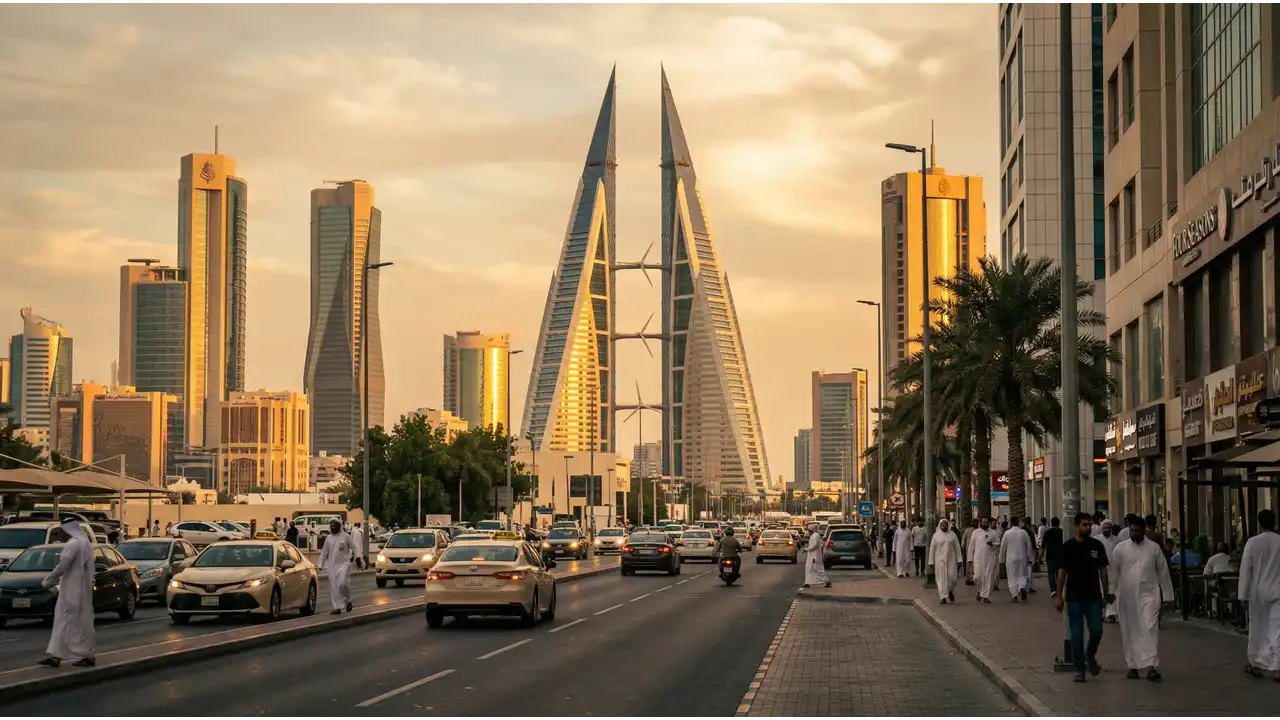
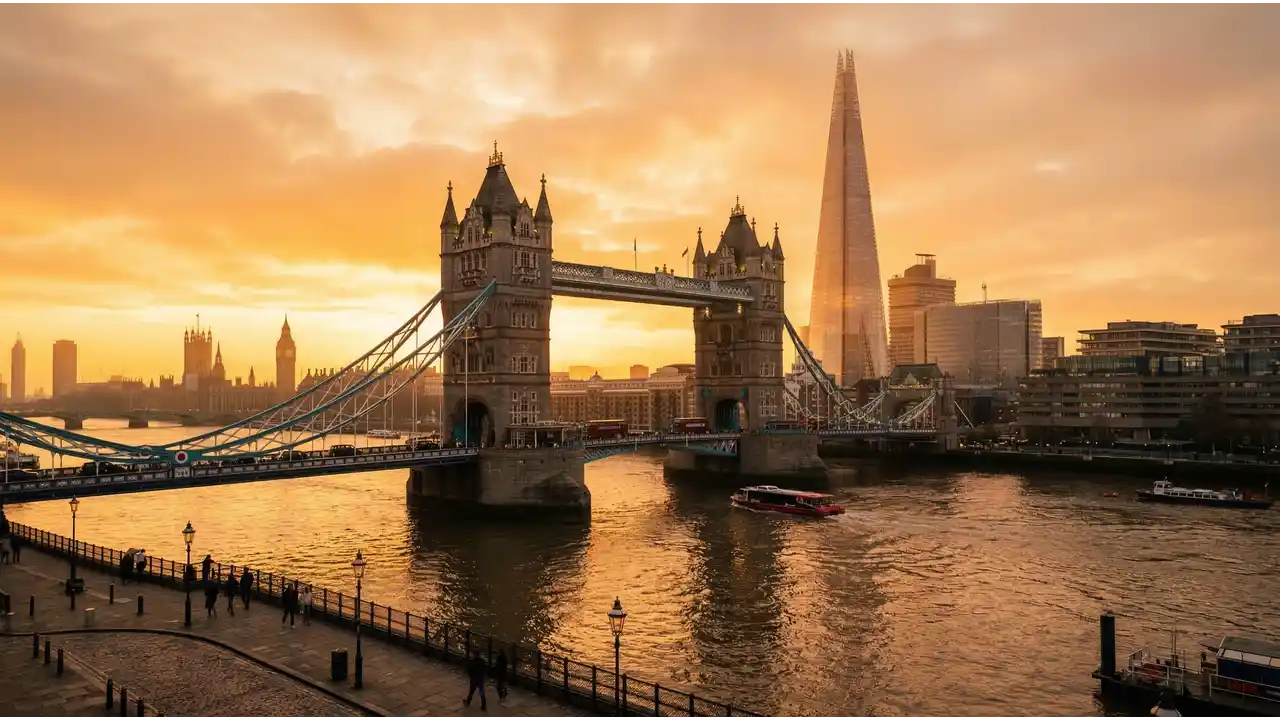
Manama is Bahrain's capital and financial hub, built on a small island with a blend of modern high-rises and older souks. The city hosts regional banks, oil companies, and a large expatriate population from South Asia, the Middle East, and the West. Summer heat is extreme (regularly exceeding 104°F from June through September). Daily life centers on air-conditioned malls, seaside promenades, and neighborhoods segregated by income level. Traffic is heavy during rush hours. The pace is faster than most Gulf cities, and alcohol is legal for non-Muslims, setting it apart from neighboring Saudi Arabia.
💡 Local Insights
Manama · 2026
Manama's costs reflect its status as a financial center with a high expatriate population, but it remains cheaper than Dubai or Doha. Housing dominates the budget at $869/month, with significant variation by neighborhood. Expat compounds in Adliya and Juffair rent higher; Isa Town and Sitra offer lower rents. Furnished one-bedroom apartments in central areas run $600-$1,100. Local housing markets often exclude expats formally, forcing reliance on real estate agents who may add markups. Groceries average $244/month for a basic household, with imported Western goods (cheese, cereals, meat) driving up costs. Local produce and rice are cheaper. Eating out ranges from $3-$8 at Indian or Filipino cafes to $20-$40 at mid-range restaurants. Public transport exists but is limited; most expats drive or use taxis (Uber operates here). A used car costs $8,000-$15,000. Work visas tie housing to employers for many, suppressing rental competition. Bahraini citizens and established expats have price advantages locals may not disclose.
Frequently Asked Questions
How much does it cost to live in Manama per month?
A moderate lifestyle in Manama costs $1,625/month. This covers rent ($869), groceries and dining ($244), utilities and transport ($250), entertainment and miscellaneous ($262). Budget living runs $975/month, cutting rent to $500-$600 and dining to cafeteria-style meals. Comfortable living at $2,519/month allows for larger accommodations, dining out regularly, and hired help. Actual costs depend heavily on neighborhood, employment status, and lifestyle choices. Expats working for multinationals often receive housing allowances that change the equation significantly.
What is the average rent in Manama?
Average rent is $869/month for a moderate one-bedroom apartment. Central neighborhoods like Manama, Adliya, and Juffair rent $900-$1,200/month for unfurnished one-bedrooms. Isa Town and Sitra, further from the city center, rent $600-$800. Furnished units cost 15-25% more. Villas start around $1,200-$1,500/month. Most leases require 12-month commitments and upfront deposits. Expatriate compounds offer furnished units bundled with utilities and maintenance, often $950-$1,400/month. Local agents control many listings and may not show properties to all applicants. Real estate websites (Bayt.com, Zaya Bahrain) offer broader transparency.
Is Manama cheap to live in for expats?
Manama is moderately priced compared to other Gulf financial hubs. It is cheaper than Dubai ($2,100/month moderate), Abu Dhabi ($2,050/month moderate), and Doha ($1,900/month moderate). However, it is not a budget destination. Expats on local salaries often live tightly. The advantage lies in employer support, visa sponsorship, and housing allowances common in corporate jobs, which offset headline costs. For freelancers or those without employer packages, Manama requires $1,625/month minimum for reasonable comfort. Healthcare and education add $300-$800/month if private services are used, pushing total costs significantly higher.
How much does food cost per month in Manama?
Groceries average $244/month for a single person or couple buying basics: rice, lentils, vegetables, chicken, eggs, milk, bread, and oil. Local supermarkets (Carrefour, Al Fair) stock these affordably. Imported Western goods (cheese at $8-$12/lb, cereals at $6-$9/box, beef at $12-$16/lb) push costs higher. Eating out at Indian, Filipino, or Middle Eastern cafes costs $3-$6 per meal. Mid-range restaurants charge $15-$25 per person. Shawarma stands offer sandwiches for $2-$3. Weekly shopping at the Friday Souq yields better vegetable prices. Alcohol (beer $4-$6, wine $10-$20/bottle) is available at licensed shops but adds expense for drinkers.
What salary do you need to live comfortably in Manama?
Comfortable living in Manama requires $2,519/month. This budget allows a furnished one-bedroom in a good neighborhood ($1,100-$1,300), regular restaurant dining, hired domestic help (around $250-$350/month for part-time work), gym membership ($40-$60/month), and entertainment. Families need substantially more: $4,000-$5,500/month for two working adults with private school children. Those with employer housing allowances can live comfortably on $2,000-$2,500/month salary. Single expats on tight budgets subsist at $1,200/month but sacrifice dining out, entertainment, and car ownership. Salaries in Manama vary by sector: finance and oil pay $3,500-$8,000/month; teaching and hospitality pay $1,500-$2,500/month.
How does the cost of living in Manama compare to other places?
Manama sits in the middle band for Gulf cities. A moderate lifestyle costs $1,625 per month, with housing running $869 monthly. That puts it slightly cheaper than Seoul, where moderate expenses total $1,950 with housing at $841. Compared to Sapporo, Manama is nearly equivalent, as Sapporo runs $1,675 overall, though Sapporo's housing costs $603, giving it a real advantage on rent. If you're coming from Southeast Asia, Manama is notably more expensive than Phnom Penh, which costs $1,150 monthly with housing at $525. The difference comes down to what you're used to. For Gulf standards, Manama is reasonable. For someone relocating from cheaper regional hubs, expect a meaningful jump in both rent and general expenses.
Living on $975/month in Manama is tight but possible for a single person with no dependents and no car. Budget housing runs $500-$650/month in Isa Town or Sitra, away from the city center. Groceries and basic dining total $200-$250/month. Public transport (bus fares) and utilities consume $75-$125/month. This leaves little for entertainment, healthcare, clothing, or emergencies. The lifestyle involves shared apartments, cafeteria meals, no car ownership, and minimal social spending. Most people at this budget are young workers (teachers, laborers) living with roommates. Families, car owners, or those in central neighborhoods cannot sustain this budget. Employer housing assistance is essential for most at this income level.