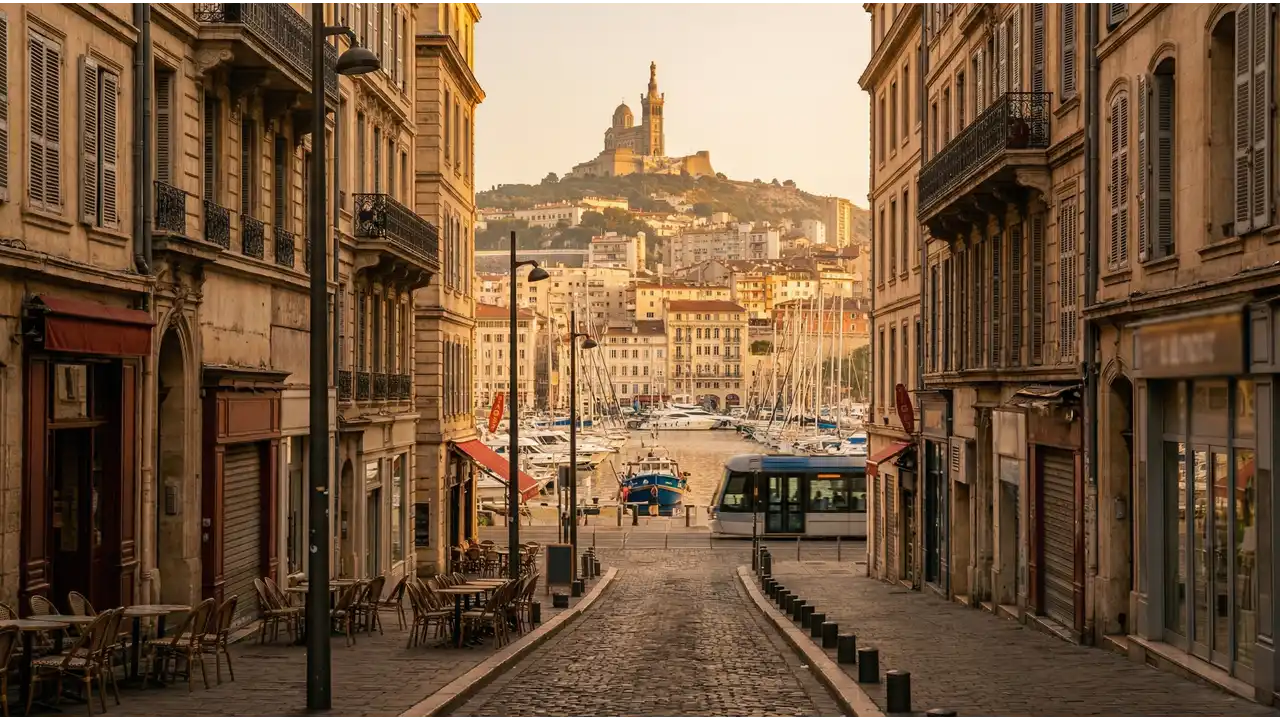
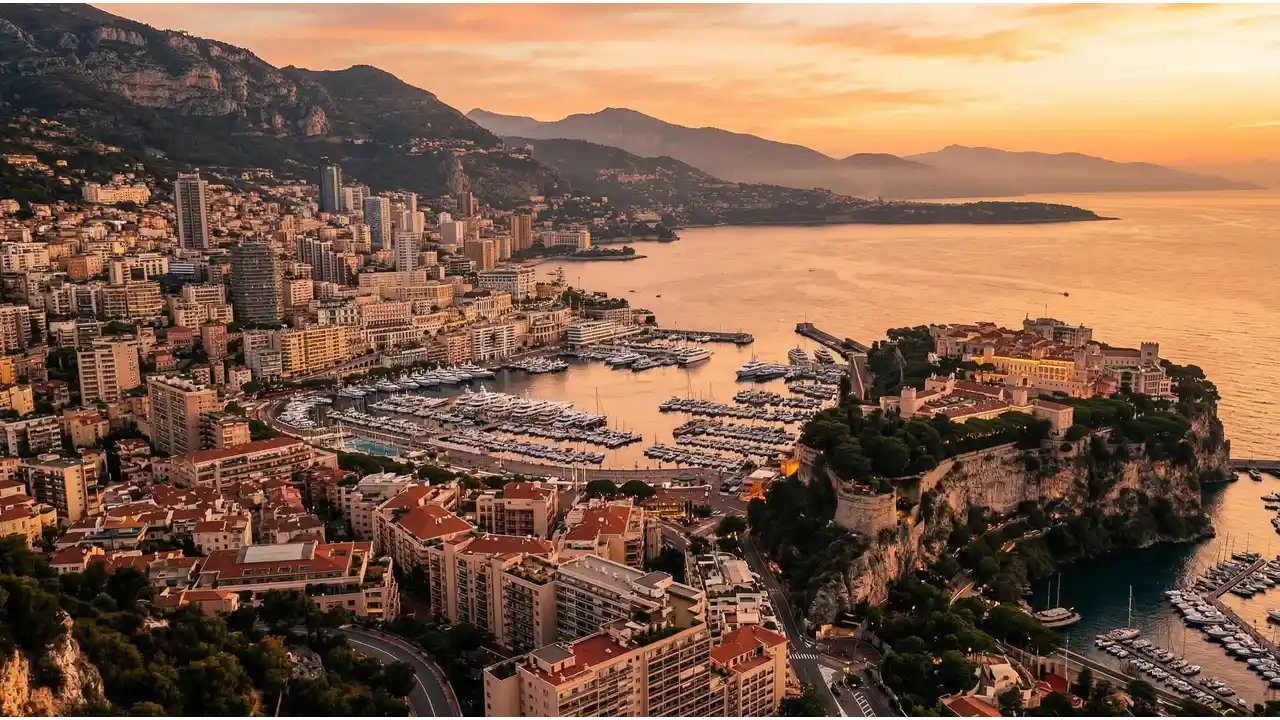
Marseille is France's second-largest city and a working port town on the Mediterranean. It has a rougher character than Paris, with a mix of French, North African, and immigrant populations. The climate is warm and dry. Daily life centers on the Vieux Port (Old Harbor), cafes, and neighborhood markets. Neighborhoods range from gentrified areas like Le Panier to working-class quarters inland. Public transport is functional but not extensive. The city feels less polished than other major French cities, and housing stock is older, often without modern amenities. You see street life, not uniform development.
💡 Local Insights
Marseille · 2026
Marseille costs roughly 25 percent less than Paris for housing and groceries, making it genuinely affordable for France. The $828/month housing figure reflects typical rents: studios and one-bedroom apartments in central neighborhoods like Le Panier or Vieux Port run $700 to $950/month, while outer areas like Saint-Louis or Castellane drop to $550 to $750/month. Shared apartments or roommate situations run lower. Housing stock is often pre-1970s, so expect smaller spaces and fewer modern kitchens. Grocery costs of $402/month are realistic for self-catering. Street markets (Quai Saint-Exupéry, Rue Cadet) offer cheaper produce than supermarkets. Eating out is less expensive than Paris: a coffee costs $2 to $3, a lunch plate $10 to $15. Transport (bus, metro, tram) costs about $70/month for a monthly pass. Utilities (water, electricity, internet) add roughly $120 to $180/month. Expats often pay slightly higher rents than locals, especially in recently gentrified pockets. The city is not a budget destination by global standards, but it's the most affordable major French city for moderate living.
Frequently Asked Questions
How much does it cost to live in Marseille per month?
A moderate lifestyle costs around $2,075/month. This covers housing at $828/month, food (groceries) at $402/month, transport, utilities, and personal spending. A tighter budget runs $1,245/month if you live outside the center, cook most meals, and skip dining out. A comfortable lifestyle with dining out, more space, and central location costs closer to $3,216/month. These figures assume a single person or couple; families need more.
What is the average rent in Marseille?
Average rent is around $828/month based on typical moderate-lifestyle budgets. A studio or one-bedroom in central areas like Le Panier or Vieux Port runs $700 to $950/month. Outer neighborhoods like Castellane or Saint-Louis range $550 to $750/month. Two-bedroom apartments cost $950 to $1,200/month. Shared flats drop to $400 to $600/month per person. Housing stock is old, so expect smaller floor plans and fewer modern features. Landlords may require proof of income (2.5 times rent) and a French guarantor or guarantor service.
Is Marseille cheap to live in for expats?
Marseille is cheaper than Paris, London, or Amsterdam, but not cheap by global standards. At $2,075/month for a moderate lifestyle, it's pricier than Eastern Europe but affordable within France. Expats often pay 5 to 10 percent more in rent than locals, especially in gentrified pockets. Real savings come from eating locally, using street markets, and avoiding tourist zones. If you're relocating from a major Western city, Marseille feels moderately priced. If you're coming from Southeast Asia or Latin America, it will feel expensive.
How much does food cost per month in Marseille?
Grocery costs average $402/month for self-catering. Bread costs $1 to $2, milk $1.50 per liter, eggs $2.50 per dozen, chicken $8 per kilogram, and seasonal produce $2 to $4 per kilogram at street markets. Supermarkets (Carrefour, Leclerc) are 10 to 15 percent pricier than markets. Eating out costs less than Paris: a cafe coffee is $2 to $3, lunch plate $10 to $15, dinner entree $15 to $25. Local bouillabaisse and seafood restaurants near the port cost $20 to $35 per person.
What salary do you need to live comfortably in Marseille?
A comfortable lifestyle costs around $3,216/month, suggesting a gross monthly income of $4,500 to $5,000 (after tax and deductions). This allows a one-bedroom apartment in a good neighborhood ($950 to $1,100/month), regular dining out, occasional travel, and buffer for emergencies. In euros, that's roughly 3,000 to 3,500 gross monthly income. For dual income households, $2,500 per person is comfortable. Freelancers and remote workers should factor in higher self-employment taxes in France (around 45 percent of gross income).
How does the cost of living in Marseille compare to other places?
Marseille is roughly 25 to 35 percent cheaper than Paris for both housing and groceries. Compared to Barcelona or Lisbon, it's slightly pricier. A $828/month rent in Marseille gets a similar one-bedroom apartment that costs $700 to $900 in Lisbon or $800 to $1,000 in Barcelona. Against London or Amsterdam, Marseille is 40 to 50 percent cheaper. For EU expats, Marseille offers Mediterranean climate and French culture at mid-tier Western European pricing, making it a practical middle ground between budget and major capitals.
Can you live in Marseille on $1,245/month?
Yes, but with tight constraints. Budget rent is $550 to $650/month in outer neighborhoods (Castellane, Saint-Louis, Allauch), or shared flats at $400 to $500/month per person. Groceries are $300 to $350/month if you cook exclusively and shop at markets. Transport runs $70/month. That leaves roughly $200 for utilities, phone, and essentials. Dining out, entertainment, and travel are off the table. It's doable for students or if you have other income, but leaves no buffer for unexpected costs. Most people at this budget are either students, receiving support, or supplementing with freelance work.