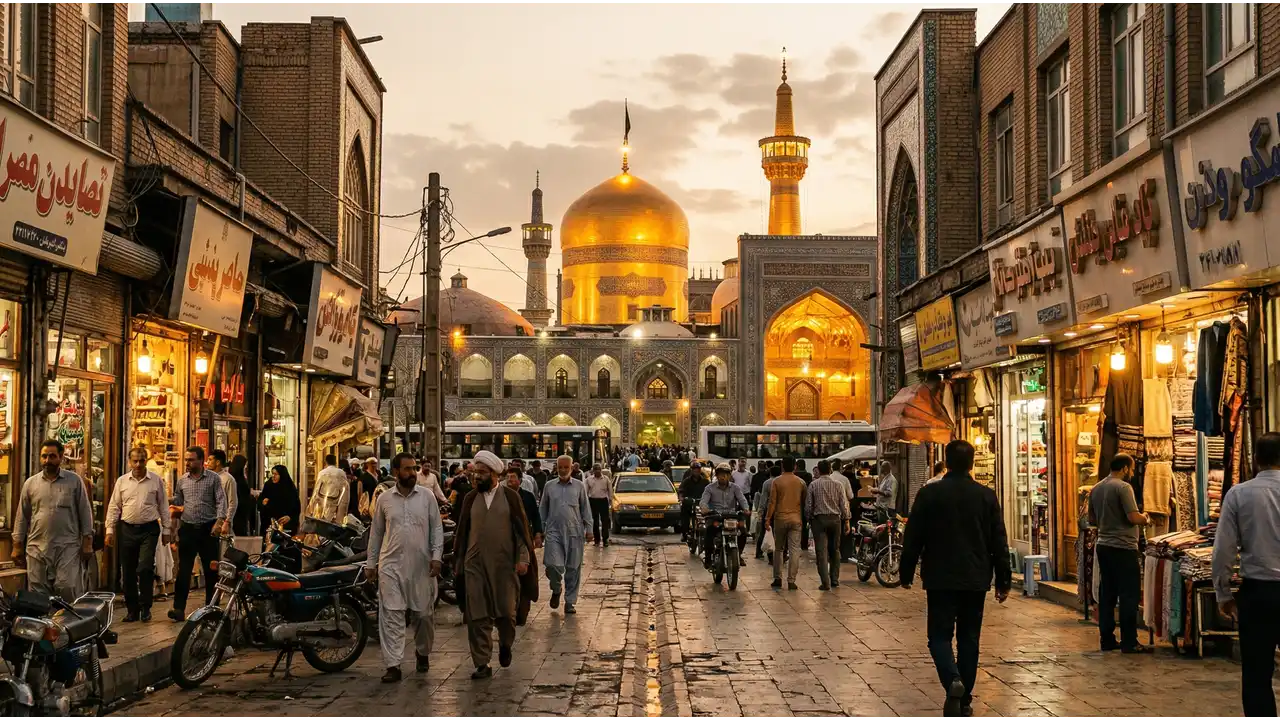
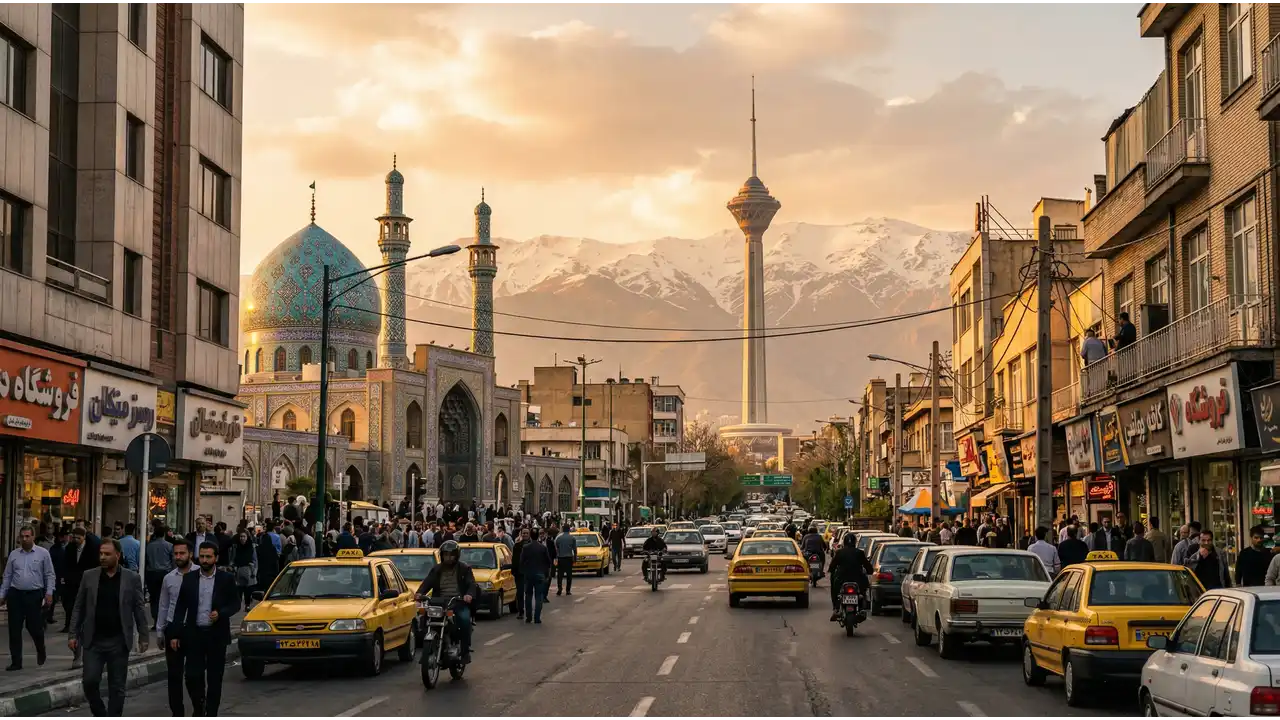
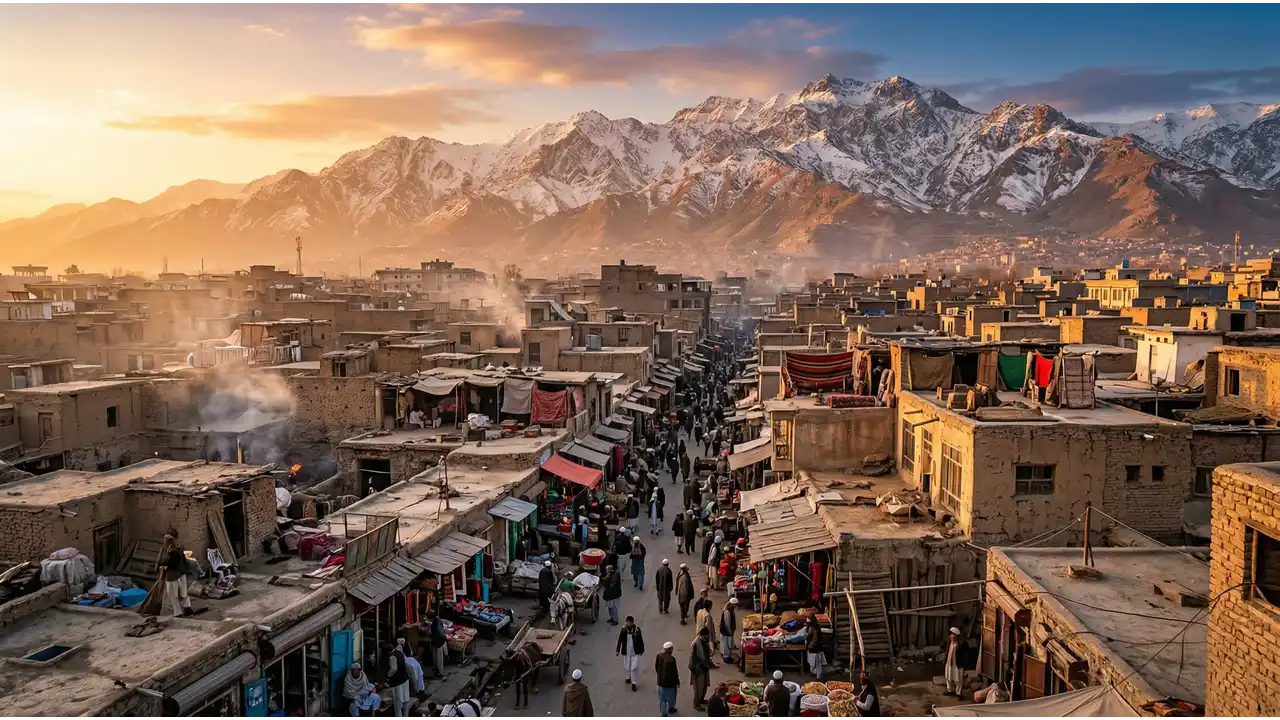
Mashhad is Iran's second-largest city and the country's religious center, home to the Imam Reza shrine that draws millions of pilgrims annually. The city sits in a valley in northeastern Iran with a continental climate: hot, dry summers and cold winters with occasional snow. Daily life revolves around bazaars, small family-run shops, and neighborhood tea houses. The population is roughly 3.2 million, with a mix of long-term residents, seasonal pilgrims, and a smaller expat community. Traffic is heavy, streets are crowded during religious holidays, and the pace is faster than smaller Iranian towns. Most residents speak Persian; English is limited outside hotels and universities.
💡 Local Insights
Mashhad · 2026
Mashhad's cost of living sits well below that of major Western cities, though prices have risen with inflation and currency fluctuations over the past decade. The housing figure inherited at the national level ($247/month) does not reflect measured Mashhad rents directly. In practice, unfurnished one-bedroom apartments in central neighborhoods rent for roughly $150-300/month, while furnished expat-oriented units run higher. Shared housing or older buildings can cost less. Food costs ($130/month for groceries) reflect local bazaar shopping: bread under $1 for a large loaf, eggs around $0.50 per unit, chicken $3-4/kilogram, and seasonal produce very cheap. Eating out at neighborhood kebab shops costs $2-5 per meal. Public buses and shared taxis charge pennies. The main cost driver for expats is often housing quality (newer buildings and Western-style furnishings command premiums) and imported goods. Local currency volatility affects real purchasing power significantly.
Frequently Asked Questions
How much does it cost to live in Mashhad per month?
A moderate lifestyle in Mashhad costs around $650/month. This breaks down to housing at $247/month (the national figure), groceries at $130/month, utilities and transport at roughly $100/month combined, and the remainder covering dining out, entertainment, and incidentals. A budget tier exists at $390/month, cutting back on dining out and housing quality. A more comfortable lifestyle runs $1,008/month, allowing for better housing, frequent restaurant meals, and travel.
What is the average rent in Mashhad?
The $247/month housing figure shown is the Iran national level that Mashhad inherits, not a separate local measurement. In the actual Mashhad rental market, unfurnished one-bedroom apartments in central areas or near the shrine rent for $150-300/month depending on condition and location. Furnished units marketed to expats cost $300-600/month or more. Older buildings in working-class neighborhoods are cheaper. Newer developments in western suburbs command premiums. Currency fluctuations affect nominal prices substantially.
Is Mashhad cheap to live in for expats?
Yes, Mashhad is inexpensive compared to Western cities or Gulf hubs like Dubai. Food and local transport are very affordable. The main catch: expats often pay more for housing quality and imported goods, and visas and residency can create friction. For someone willing to live like a local (shared housing, neighborhood restaurants, public transport), $650/month is realistic. Expats seeking Western-standard apartments and imported goods will spend significantly more. Currency instability also means nominal costs can shift quickly.
How much does food cost per month in Mashhad?
Groceries average $130/month when shopping at local bazaars and neighborhood shops. Bread costs less than $1 per large loaf, eggs $0.50 each, chicken $3-4/kilogram, rice $1-2/kilogram, and seasonal produce (melons, tomatoes, cucumbers) very cheap in summer and fall. Dairy products like yogurt and cheese are affordable. Eating out at local kebab restaurants runs $2-5 per meal. Imported or Western-brand foods cost significantly more. Shopping at bazaars rather than supermarkets keeps costs low.
What salary do you need to live comfortably in Mashhad?
A comfortable lifestyle costs roughly $1,008/month. This allows better housing (furnished one-bedroom in a nicer area), regular dining out at mid-range restaurants, utilities, transport, and entertainment. For someone earning remotely or on an expat package, this provides decent quality of life. In local currency terms, monthly salary needs vary with exchange rates, but in dollar equivalents, $1,000-1,200/month provides genuine comfort without cutting corners on housing or food quality.
How does the cost of living in Mashhad compare to other places?
Mashhad runs $650 per month for a moderate lifestyle, which puts it in the middle range for South Asian cities. Islamabad comes in at roughly the same cost at $625 per month, making it a genuine peer in terms of overall spending. If you're looking for cheaper options, Jaipur runs $475 per month, so you'd save noticeably there. On the other end, Surabaya is considerably pricier at $900 per month. Housing specifically in Mashhad costs $247 monthly at the moderate level, slightly below what you'd pay in Islamabad at $221 per month but well below Surabaya's $455 per month. The difference matters most if you're planning to stay long-term, since rent typically absorbs a significant share of your budget across this region.
Yes, but with significant trade-offs. At the budget tier of $390/month, you would live in older, smaller housing (possibly shared), rely entirely on local bazaars and cheap street food, use public buses, and skip dining out. This budget works for students or those with very simple needs and local connections. Expats unused to basic living standards will find it cramped. Most sustainable budget living requires some flexibility on housing quality and willingness to navigate in Persian.