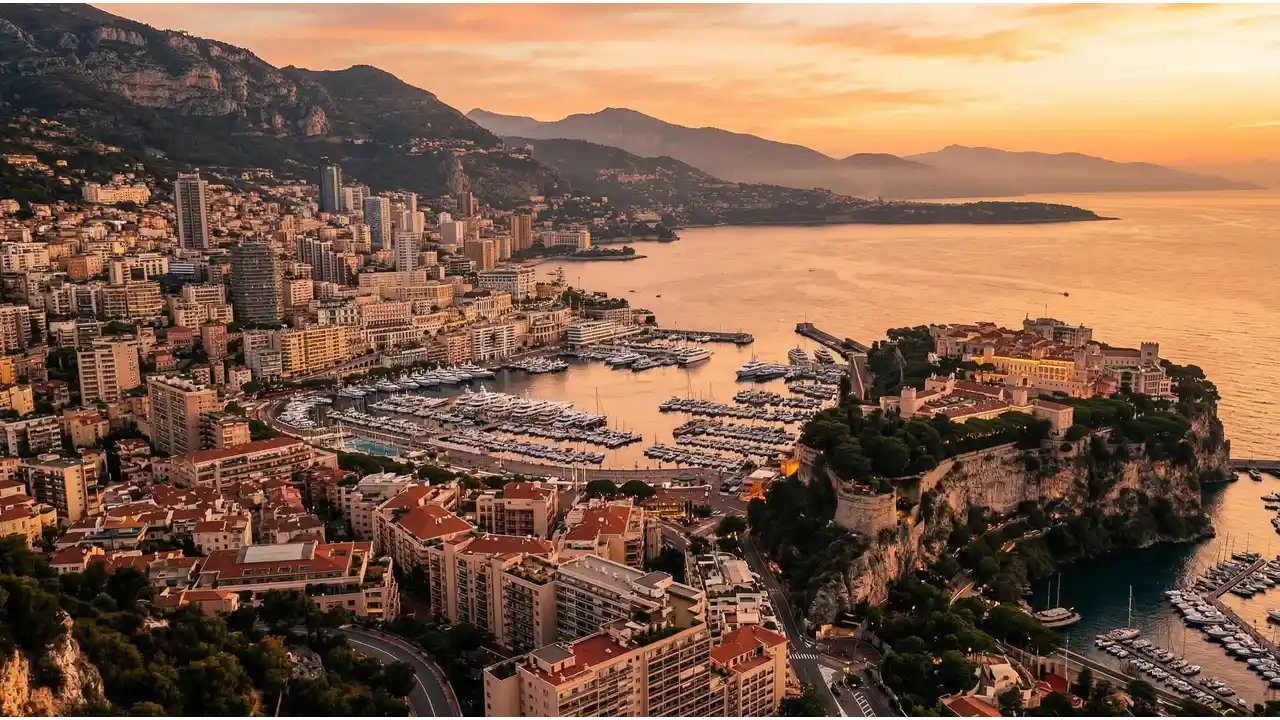
Monaco is a city-state of roughly 36,000 people on the French Riviera, with steep hills, narrow streets, and casino-centered tourism. Daily life revolves around the port, Belle Époque architecture, and Formula 1. Most residents are wealthy expats from France, Italy, Russia, and the UK. You'll see luxury cars, designer shops, and yachts. The weather is Mediterranean: warm summers, mild winters. French is the official language, though English is widely spoken in business and hospitality. It's compact, walkable, and densely packed. Local life happens in cafes, markets, and the marina. Schools are expensive. Healthcare is excellent.
💡 Local Insights
Monaco · 2026
Monaco's cost of living is among Europe's highest, driven almost entirely by housing. A modest one-bedroom apartment in the city center rents for $1,500 to $2,500 per month. Larger properties easily exceed $4,000. There is no income tax, which offsets some expenses for high earners but offers little help to middle-income expats. Groceries cost 30 to 40 percent more than France due to limited supply and import dependency. A basic grocery shop for one person runs $400 to $600 monthly. Eating out is expensive: casual lunch averages $20 to $30, dinner at mid-range restaurants $50 to $80. Public transport is free for residents but limited. Most people rely on cars or walking. Expats and locals pay the same prices. The budget tier of $2,325/month covers only basics: studio rental, minimal dining out, no car. The comfortable tier of $6,006/month allows a one-bedroom apartment, regular dining, and a modest lifestyle without luxury restraint.
Frequently Asked Questions
How much does it cost to live in Monaco per month?
A moderate lifestyle costs $3,875 per month. This covers rent for a modest one-bedroom apartment ($1,500 to $2,000), groceries ($450 to $550), utilities ($150 to $200), dining out twice weekly ($300 to $400), local transport (free for residents), and modest entertainment. A tight budget runs $2,325 monthly, requiring a studio and minimal non-essential spending. Comfortable living exceeds $6,006 monthly if you want a larger apartment, regular dining at better restaurants, a car, or private school for children.
What is the average rent in Monaco?
Rent varies sharply by neighborhood and size. A studio apartment in the city center averages $1,200 to $1,600 monthly. A one-bedroom in central Monaco ranges from $1,500 to $2,500. Two-bedroom apartments start at $2,500 and climb to $4,000 or more. La Rousse and Fontvieille are pricier due to newer construction and amenities. Moneghetti and La Condamine offer slightly lower rates. Prices are roughly 30 percent higher than comparable Nice apartments 20 kilometers away. Long-term leases under one year command premium rates. Furnished rentals cost 10 to 15 percent more than unfurnished.
Is Monaco cheap to live in for expats?
No. Monaco ranks among the world's most expensive cities for residents. Housing alone consumes 40 to 50 percent of a $3,875 monthly budget. Compared to London or Paris, rent and food cost 40 to 60 percent more. The main financial advantage is no income tax, which benefits high earners substantially but provides little relief for middle-income expats. If you earn under $80,000 annually, Monaco's cost of living makes it difficult unless savings are already substantial. Wealthy expats or those with company relocation packages find it manageable. It is not a budget destination.
How much does food cost per month in Monaco?
Groceries run $450 to $550 monthly for one person eating simple meals at home. Carrefour and local markets are primary options. Basic items cost more than France: milk $1.50 per liter, bread $2 to $3, chicken $12 to $15 per kilogram, cheese $18 to $25 per kilogram. Eating out is expensive. Casual lunch costs $20 to $35. Dinner at a mid-range restaurant runs $50 to $80 per person. Casino dining or Michelin-starred restaurants exceed $100 to $200 per person. Most budget-conscious expats cook at home and eat out once or twice weekly.
What salary do you need to live comfortably in Monaco?
Plan on $6,006 per month, or roughly $72,000 annually before taxes (if you live outside Monaco). This allows a one-bedroom apartment ($1,800 to $2,000), comfortable grocery and dining budget ($700), utilities ($200), transport, and modest entertainment without constraint. High earners benefit from Monaco's lack of income tax. A salary of $100,000 to $150,000 annually is more realistic for genuine comfort, particularly if supporting a family or maintaining a car. Expats earning less than $60,000 annually face significant budget discipline or need existing savings.
How does the cost of living in Monaco compare to other places?
Monaco is 20 to 30 percent more expensive than Paris for rent and 15 to 25 percent pricier than London for overall costs. Nice, 20 kilometers away, costs 30 to 40 percent less. Zurich is comparable but offers lower food costs. Singapore's rent is similar, but daily expenses are lower. Geneva is roughly equivalent. Monaco's main cost driver is housing scarcity; the city covers only 2 square kilometers. If housing were equivalent to Paris, Monaco would cost 20 percent less overall due to no income tax. The proximity to France means many expats live in Antibes or Cannes and commute.
Can you live in Monaco on $2,325/month?
Technically yes, but with severe constraints. Budget for a studio apartment at $1,200 to $1,400, leaving $925 to $1,125 for everything else: groceries ($350 to $400), utilities ($120 to $150), transport (free), and minimal dining out ($100 to $200). You'll cook nearly every meal, rarely eat restaurants, skip entertainment and travel, and avoid car ownership. This works only if you have no dependents and existing savings for emergencies. It's viable for single expats with flexible lifestyles but not recommended long-term. Most people on this budget move to Antibes or Nice instead.
💰 What's Your Budget?
Enter your monthly budget and see what lifestyle you can afford in Monaco.