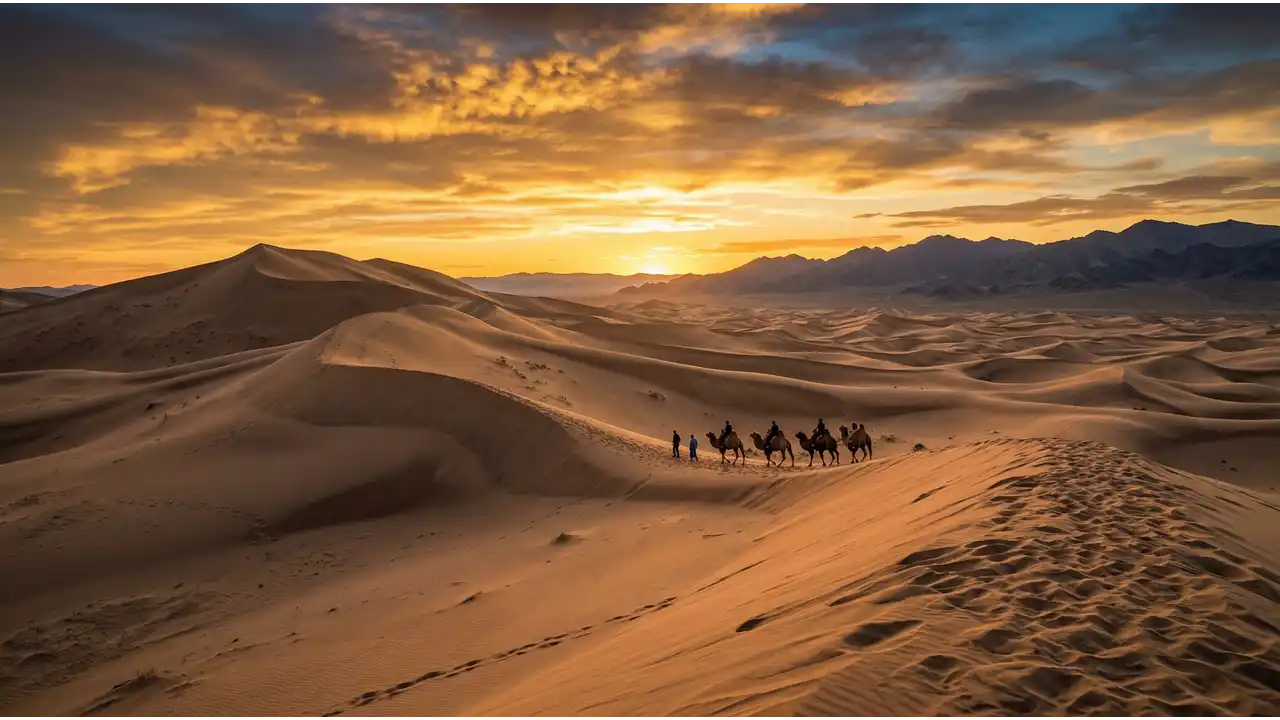
Mongolia is a sparsely populated country of 3.4 million people, with roughly half living in the capital, Ulaanbaatar. The landscape is dominated by steppe and mountains, with a continental climate that brings harsh winters (temperatures drop to minus 30 degrees Fahrenheit or lower) and short summers. Daily life centers around Ulaanbaatar for expats; rural areas have minimal services and infrastructure. The country has a young population and a growing economy based on mining and herding. Most foreigners live in central Ulaanbaatar neighborhoods where apartments cluster near offices, shops, and restaurants. Outside the capital, options narrow quickly.
💡 Local Insights
Mongolia · 2026
Ulaanbaatar is where nearly all expat costs concentrate. Housing at $709/month covers a one-bedroom apartment in central neighborhoods like Sukhbaatar or Peace Avenue, or a shared flat in less central areas. Ger districts (traditional felt tent communities) exist on the city fringe but lack utilities and services. Real estate is owned rather than rented; long-term rentals happen but require negotiation and upfront deposits covering multiple months. Groceries run $166/month if you shop local markets (Narantuul for vegetables, meat, dairy) rather than expat-focused supermarkets, which charge 40 percent premiums. Imported goods are significantly more expensive. Transport is cheap: buses and microvan taxis cost under $1 per ride. Utilities (electricity, water, heating) add $80 to $120 monthly, depending on season and consumption. Expats often pay higher rents than locals through inexperience or preference for furnished apartments. Winter heating costs spike November through March. Eating out ranges from $3 to $8 for local meals, $12 to $25 at expat restaurants.
Frequently Asked Questions
How much does it cost to live in Mongolia per month?
A moderate lifestyle in Ulaanbaatar costs around $1,225/month. This covers housing at $709/month, groceries at $166/month, utilities around $100/month, transport at roughly $25/month, and discretionary spending. The budget tier is $735/month, which cuts housing, dining out, and entertainment. A comfortable lifestyle runs $1,899/month, adding a newer apartment, regular dining out, and travel within the country. These figures apply to Ulaanbaatar; rural areas have fewer services and different cost structures.
What is the average rent in Mongolia?
Average monthly rent in Ulaanbaatar is around $709/month for a one-bedroom apartment in central neighborhoods like Sukhbaatar or Khan-Uul. Studio apartments in the same areas run $500 to $650/month. Two-bedroom flats range from $850 to $1,100/month. Prices vary significantly by neighborhood and condition. Ger districts offer much cheaper informal housing but lack running water and reliable electricity. Most rentals require substantial upfront deposits (two to three months) and are negotiated in local currency (Mongolian tugrik). Furnished apartments command premiums. Central locations near Sukhbaatar Square cost more than outlying residential areas.
Is Mongolia cheap to live in for expats?
Mongolia is genuinely affordable for expats, especially compared to East Asian cities like Bangkok, Seoul, or Beijing. However, expat communities in Ulaanbaatar often pay more than the local average due to preferences for furnished apartments, central locations, and imported goods. Savvy expats can live very cheaply by using local markets and transport, but convenience costs significantly more. It is not as cheap as Southeast Asian countries like Vietnam or Cambodia, where you can live comfortably on $800 to $1,000/month. Ulaanbaatar's harsh winters and limited service infrastructure outside the capital also push costs up relative to milder cities.
How much does food cost per month in Mongolia?
Groceries average $166/month if you shop local markets. Staples cost: mutton or beef $5 to $7 per kilogram, dairy products $2 to $4, vegetables $0.50 to $2 per item depending on season, rice and grains $1 to $2 per kilogram. Winter prices rise as fresh produce becomes scarce. Expat supermarkets charge 40 to 60 percent premiums. Eating out: local eateries (khot ail or small restaurants) serve noodle or rice dishes for $3 to $5; nicer restaurants frequented by expats charge $12 to $25 per meal. Alcohol is inexpensive (beer $2 to $4 per bottle locally). Coffee at expat cafes runs $3 to $5.
What salary do you need to live comfortably in Mongolia?
A comfortable lifestyle in Ulaanbaatar requires around $1,899/month. This allows a nicer one or two-bedroom apartment, regular dining out at mid-range restaurants, entertainment, and travel within the country. For couples, $2,500 to $3,000/month provides good living standards and flexibility. Expat professionals typically earn $2,000 to $4,000/month in teaching, consulting, or NGO roles; many supplement with visa requirements or employment contracts back home. Single travelers or long-term visitors on a tight budget can manage $900 to $1,100/month in basic housing and local groceries, but this cuts entertainment and travel.
How does the cost of living in Mongolia compare to other places?
Mongolia sits in the middle range for cost of living across Asia. A moderate lifestyle costs $1,225 per month, with housing running $709 per month. This puts it slightly more expensive than Thailand, where a moderate lifestyle runs $1,175 monthly, though Mongolia's housing is notably pricier at $709 versus $447 in Thailand. The Philippines is considerably cheaper overall at $875 per month, with housing at just $320. By contrast, Japan is substantially dearer at $1,675 for a moderate lifestyle and $603 for housing. Mongolia's costs reflect its developing economy status, with prices higher than Southeast Asian neighbors but lower than Japan's developed market. Your actual expenses will depend heavily on where you live (Ulaanbaatar is pricier than provincial areas) and your lifestyle choices.
Yes, but with significant constraints. The budget tier of $735/month works if you rent a studio or shared apartment in outer Ulaanbaatar neighborhoods ($400 to $500/month), shop entirely at local markets ($160/month), use public transport ($20/month), and minimize dining out. This leaves little for utilities (especially winter heating), entertainment, or travel. You would need to speak or learn Mongolian to navigate markets and avoid expat markups. No room for emergencies, visa runs, or health costs beyond basic clinics. Many expats and digital nomads live this way but need backup savings. It's feasible for disciplined travelers but uncomfortable for longer stays or families.