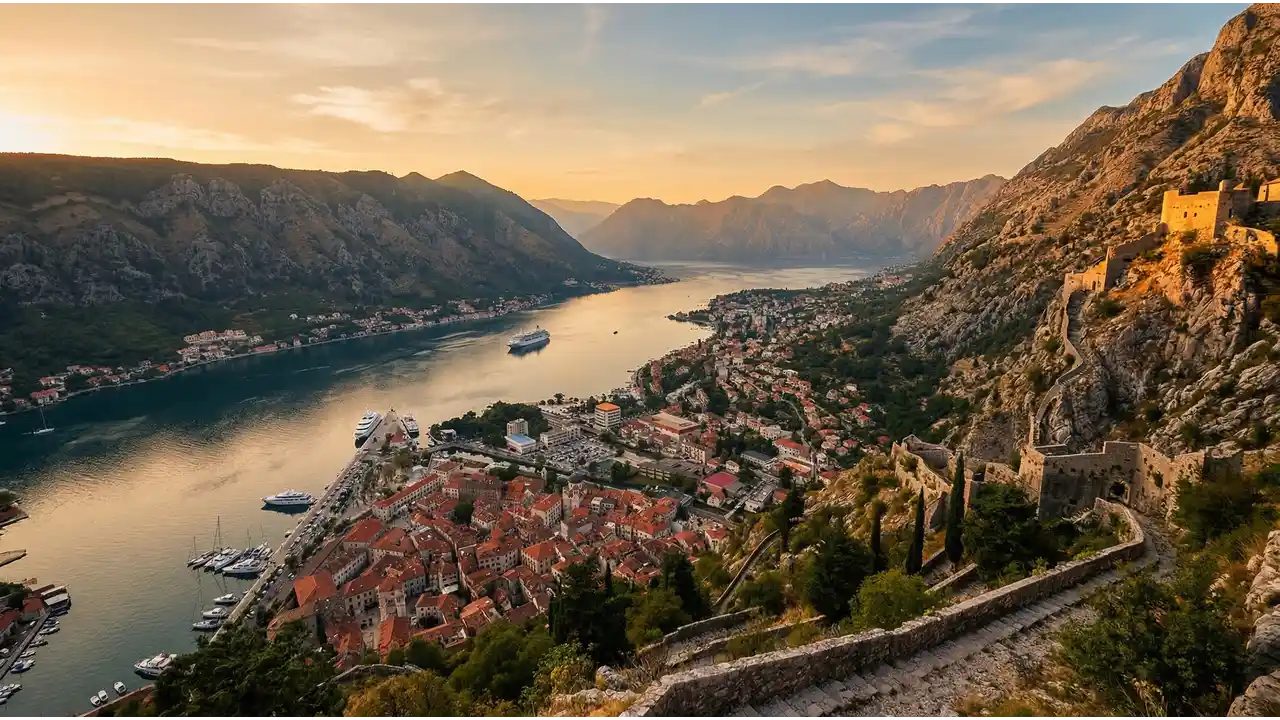
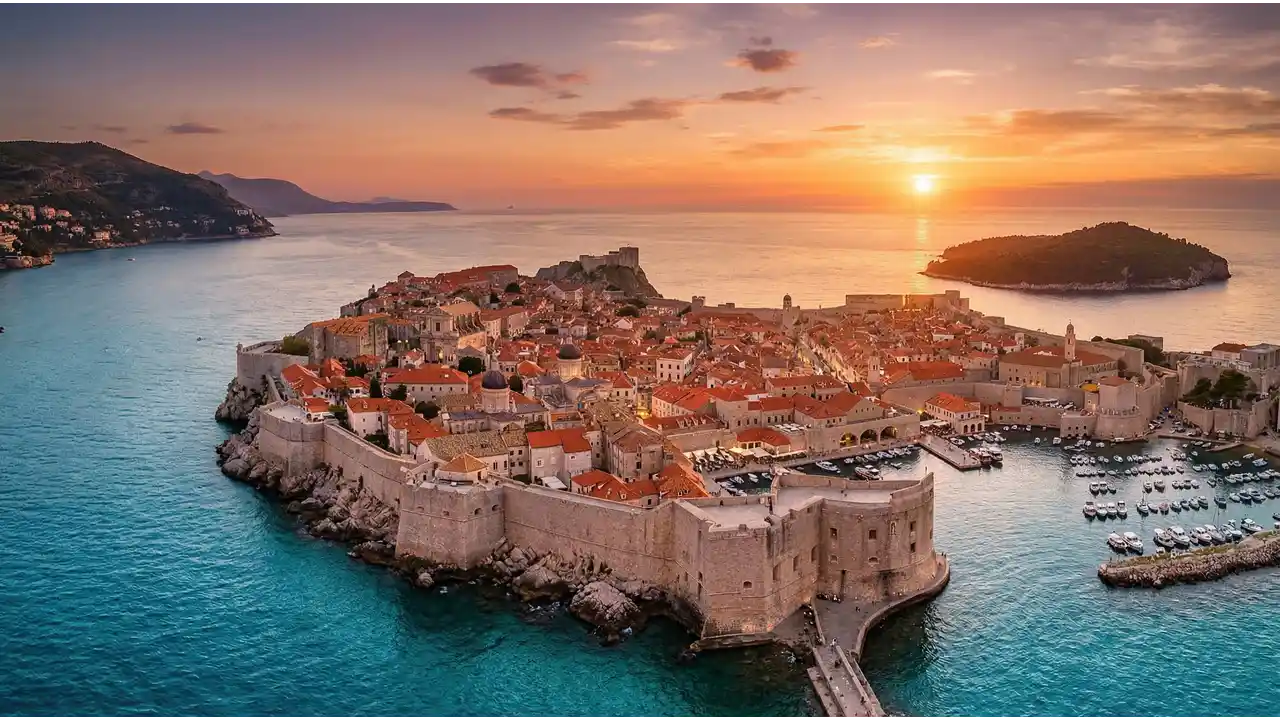
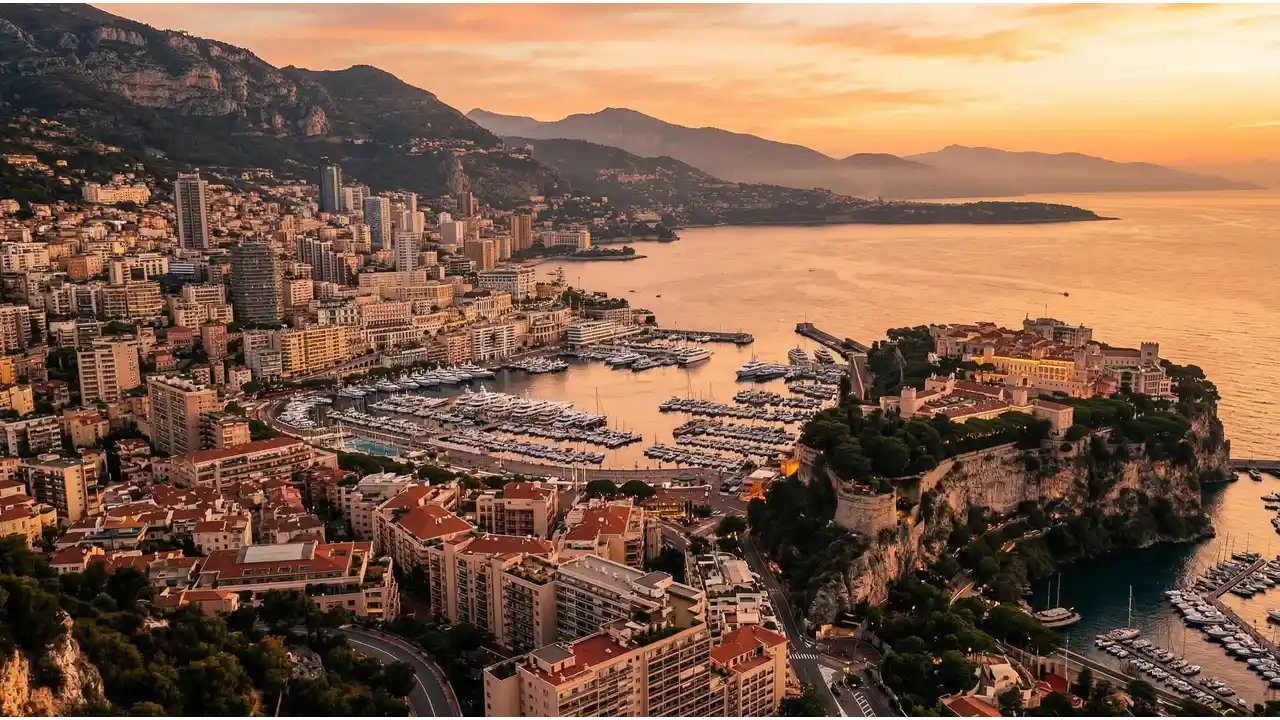
Montenegro is a small Balkan country on the Adriatic coast with around 620,000 residents. The capital, Podgorica, is inland and landlocked; Kotor sits on the coast in a dramatic bay. Daily life centers on the Adriatic towns and the capital. Summers are hot and dry, winters mild but wet in coastal areas, colder in the interior. The population is ethnically mixed, mostly Montenegrin and Serbian speakers. Daily rhythms are slower than Western Europe. Food culture emphasizes local seafood on the coast and meat-based dishes inland. Public transport exists but a car is useful outside major towns. The country uses the euro and joined NATO in 2017.
💡 Local Insights
Montenegro · 2026
Montenegro's cost of living remains low by European standards, though it has risen steadily as tourism and foreign investment increase. Housing costs around $681 per month and drives most variation. Coastal rentals in Kotor and Tivat run higher than Podgorica; a one-bedroom apartment in central Podgorica runs $500-700, while Kotor's Old Town commands $800-1,200 for similar space. Outside town centers, costs drop further. Groceries at $248 monthly are significantly cheaper than Western Europe. Local markets in Podgorica offer seasonal produce at lower prices than supermarkets. Eating out remains affordable: a meal at a local restaurant costs $5-8, though tourist-area pricing doubles that. Transport by bus is inexpensive (around $0.50 per ride in Podgorica), but car ownership adds costs. Expats report that the biggest savings come from housing outside high-tourism zones and cooking at home. Local wages are substantially lower than Western Europe, so expat incomes stretch further.
Frequently Asked Questions
How much does it cost to live in Montenegro per month?
A moderate lifestyle in Montenegro costs around $1,450 per month. This covers housing at $681 per month, groceries at $248 per month, plus transport, utilities, dining out, and entertainment. A tighter budget can run $870 monthly if you share housing and cook most meals. On the comfortable end, expect $2,248 per month for a larger apartment, more frequent dining out, and travel. Actual costs vary by location. Coastal towns and Podgorica are pricier than rural areas. Most expats report living well on $1,200-1,500 monthly outside peak tourist season.
What is the average rent in Montenegro?
Average rent is approximately $681 per month for a moderate apartment, though this varies significantly by location. In Podgorica, a one-bedroom apartment in the city center rents for $500-750, while outside the center costs drop to $400-550. Kotor's Old Town commands $800-1,200 for comparable space due to tourism demand, but suburbs run $600-800. Tivat, another coastal resort town, averages $700-950. Smaller towns and villages can be found for $300-500. Furnished short-term rentals cost more. Long-term rentals (six months or longer) offer better rates than monthly leases. Utilities add $60-120 monthly depending on season and heating needs.
Is Montenegro cheap to live in for expats?
Montenegro is genuinely affordable for expats compared to most Western European countries, but less cheap than it was five years ago. A one-bedroom apartment in Podgorica at $500-700 is substantially cheaper than Paris or Berlin, but higher than Bulgaria or Albania. Coastal towns approach Western European prices due to tourism. The real advantage is groceries and local dining: a three-course meal with drinks at a local restaurant runs $10-15 per person. However, imported goods and international services cost Western prices. Expats on US or UK salaries find strong purchasing power; those relying on local income find it tight. Digital nomads with stable remote income report living comfortably on $1,000-1,500 monthly.
How much does food cost per month in Montenegro?
Grocery shopping costs around $248 per month for one person buying staples. Local markets offer the best prices: tomatoes, peppers, and seasonal produce run $1-2 per kilogram. Bread costs $0.60-1.00 per loaf, local cheese $6-8 per kilogram, and eggs $2-3 per dozen. Imported goods (cereals, specialty items) cost significantly more. Eating out is cheaper than groceries. A lunch at a local restaurant costs $5-8, dinner $8-12. Coastal tourist areas double these prices. Supermarkets (Maxi, Idea) are more expensive than open-air markets. Coffee costs $1-2 at a cafe. Fresh seafood on the coast is inexpensive for locals but pricier at waterfront restaurants. Cooking at home saves substantially compared to eating out.
What salary do you need to live comfortably in Montenegro?
A comfortable lifestyle costs approximately $2,248 per month. This covers housing at $681 plus higher-quality dining out, travel within the region, gym membership, and leisure activities. In practical terms, if you earn $28,000-32,000 annually (roughly $2,300-2,700 monthly gross), you can live well after taxes. For remote workers or digital nomads, $2,500 per month provides genuine comfort. Local wages are much lower, typically $600-1,200 monthly, so locals live well within the moderate budget. Expats with stable income sources report $2,000-2,500 monthly provides a relaxed lifestyle with regular travel and few financial constraints. The comfortable figure assumes housing at $681 and dining out several times weekly.
How does the cost of living in Montenegro compare to other places?
Montenegro sits in the middle tier for European costs. A moderate lifestyle here runs $1,450 per month, with housing at $681 per month. That makes it cheaper than Italy, where a moderate lifestyle costs $1,975 monthly with housing at $841. It's slightly more expensive than Albania, a peer economy where you'll spend $1,400 monthly and $578 on housing. If you're comparing to Russia, Montenegro is noticeably dearer at $1,000 per month overall and $504 for housing. For most Western Europeans or North Americans, Montenegro represents genuine savings. For visitors from the Balkans or Eastern Europe, expect to pay a bit more than home. The gap narrows considerably if you avoid tourist areas and eat where locals do, which is realistic for anyone staying longer than a vacation.
Yes, but with tight constraints. A budget of $870 monthly requires housing around $500-550, leaving $320-370 for everything else. This means sharing an apartment outside the city center or renting in smaller towns like Niksic or Pljevlja. Groceries must be bought at local markets and cooked at home ($200-220 monthly). Utilities run $60-100. Transport by bus is cheap. Eating out happens rarely, maybe once or twice monthly. No car ownership unless paid in full. No international travel or expensive hobbies. This budget works for budget travelers or digital nomads with extremely low spending. Local Montenegrins with families often live on less, but they earn local wages and use family networks for housing. For most expats on fixed incomes, $870 requires discipline and sacrifice of comfort. The moderate budget of $1,450 is more realistic for sustainable living.