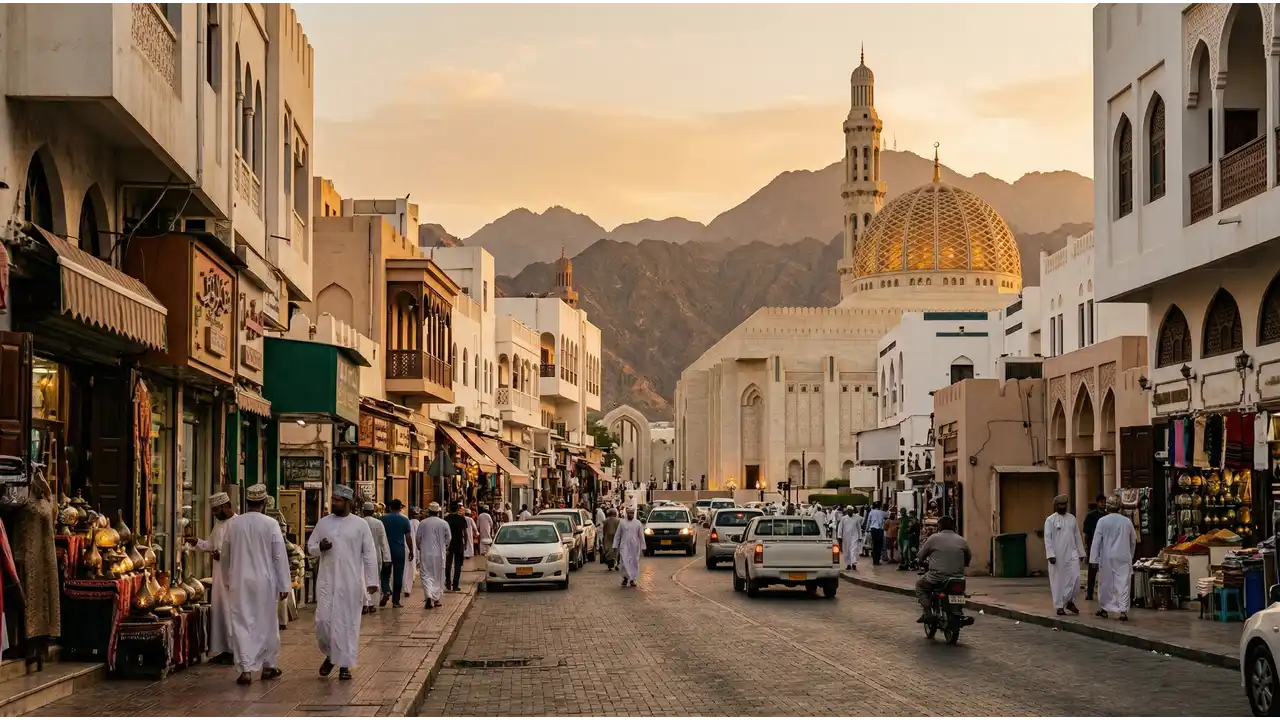
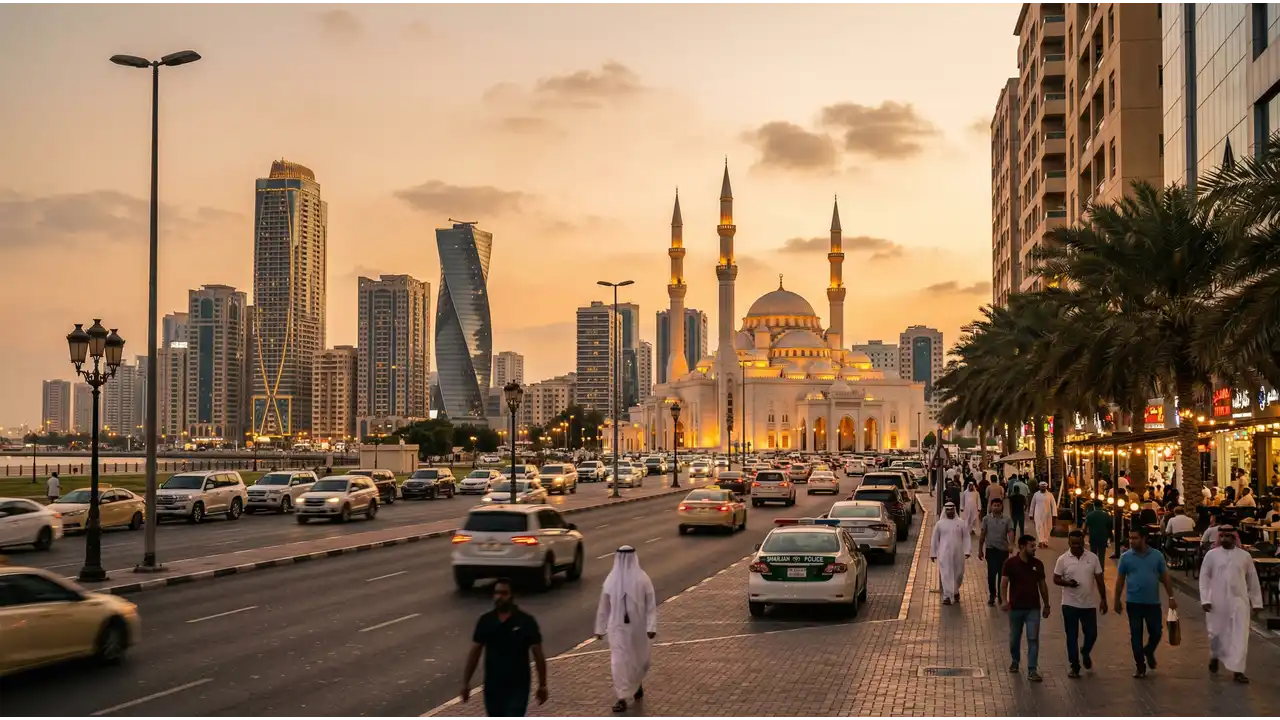
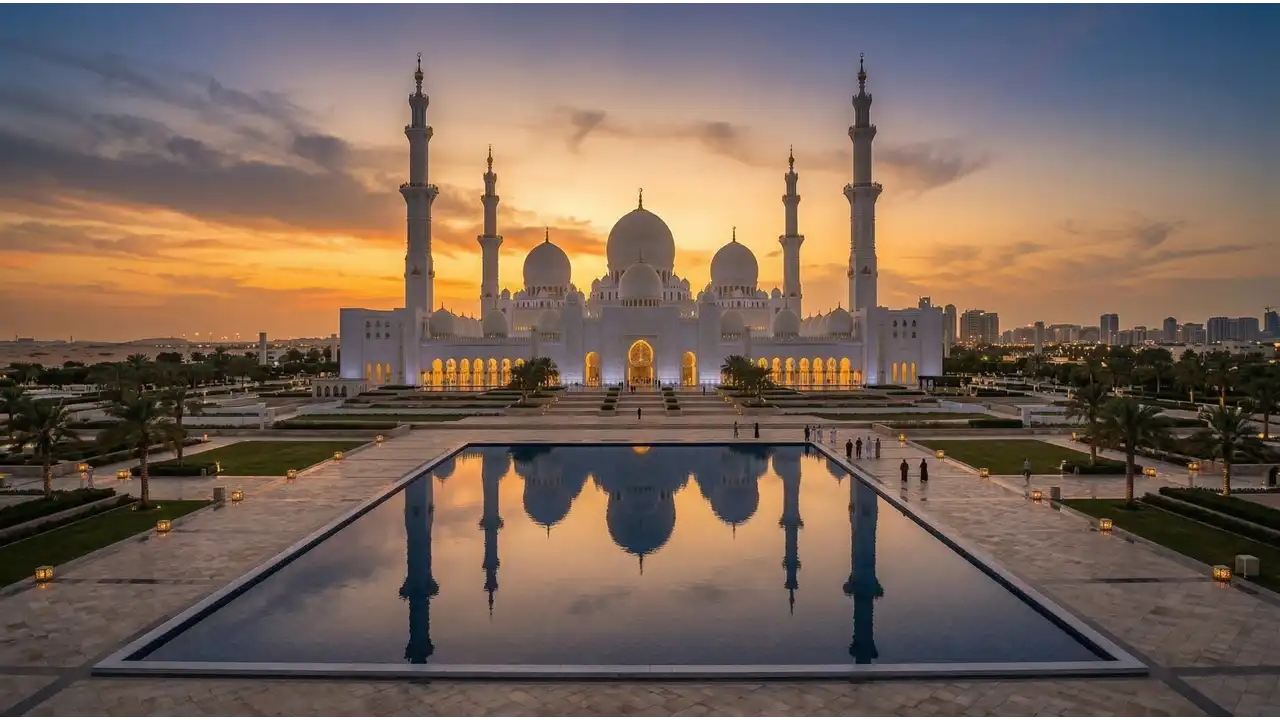
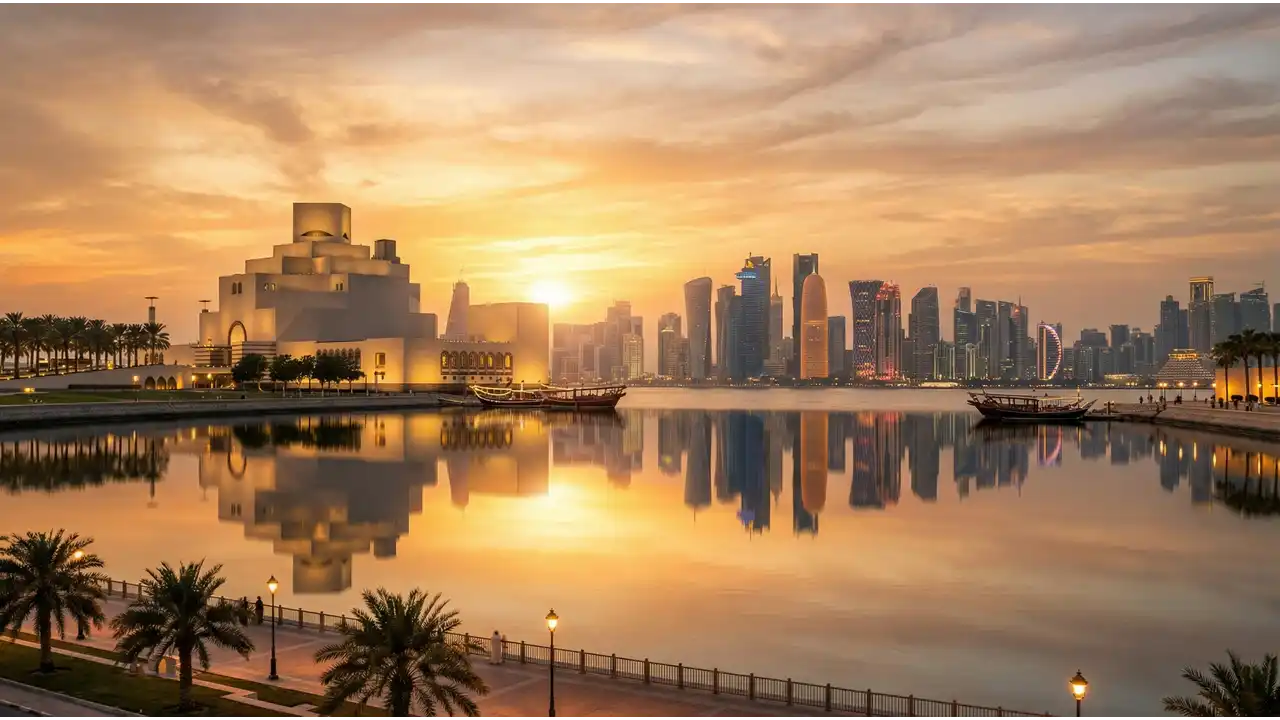
Muscat is Oman's capital and largest city, home to around 1.5 million people in the metropolitan area. The city stretches along the Arabian Sea with a mix of modern development and older residential neighborhoods. Daily life centers on air-conditioned indoor spaces given summer temperatures that regularly exceed 45 degrees Celsius (113 degrees Fahrenheit) from June to September. The population is primarily expat workers alongside Omani nationals. Most errands happen by car, though the city is compact enough that taxis and ride-hailing apps work well. Weekends are Friday and Saturday. The pace is relaxed compared to other Gulf capitals, with less aggressive development and a quieter commercial atmosphere outside the central areas.
💡 Local Insights
Muscat · 2026
Muscat's cost structure is shaped by its reliance on imports and the expat-driven economy. Housing at $578/month reflects a market split between budget apartments in outer neighborhoods like Al Khuwair or Ruwi ($400-$500/month for a one-bedroom), and mid-range properties in Shatti Al Qurum or The Wave ($600-$800/month). Furnished expat villas start around $900/month. Groceries at $249/month cover local supermarket shopping; imported Western foods cost more than Gulf-produced items like dates, local produce, and rice. Eating out ranges from $2-$3 for local shawarma to $12-$15 for mid-range restaurant meals. Transport is cheap if you own a car (fuel under $0.30/liter) or use taxis ($1-$3 per ride). Many expats use company housing and transportation, which shifts personal spending dramatically lower. Water and electricity are subsidized for residents but can spike with heavy air-conditioning use in summer.
Frequently Asked Questions
How much does it cost to live in Muscat per month?
A moderate lifestyle in Muscat costs around $1,350/month. This breaks down roughly as housing at $578/month, groceries at $249/month, and the remainder covering transport, utilities, dining out, and personal services. A budget tier lifestyle runs $810/month, cutting back on dining out and choosing shared housing or outer neighborhoods. A comfortable lifestyle with more dining flexibility and a larger apartment runs $2,093/month. Actual costs vary significantly based on whether your employer covers housing and transport, which is common for expat employment contracts.
What is the average rent in Muscat?
Average rent for a one-bedroom apartment is around $578/month in budget areas like Ruwi or Al Khuwair, though prices vary by neighborhood. Mid-range one-bedroom apartments in areas like Shatti Al Qurum or The Wave typically rent for $650-$800/month. Two-bedroom apartments in central locations run $800-$1,100/month. Furnished expat villas with three or more bedrooms start around $900/month and go higher in premium neighborhoods. Most rental agreements are annual leases, and furnished options command a 20-30 percent premium over unfurnished. The rental market remains relatively stable, though accommodation with employer sponsorship is standard for many working expats.
Is Muscat cheap to live in for expats?
Muscat is moderately priced compared to major Gulf hubs like Dubai or Abu Dhabi, but not particularly cheap. Housing is less expensive than those cities but still high compared to Southeast Asian alternatives. The real affordability depends on your contract structure. If an employer covers housing and transport (common), Muscat is quite manageable. If you pay from salary, expect to spend roughly $1,350/month for a moderate lifestyle. For expats relocating from North America or Europe, the cost feels reasonable. For those comparing against Bangkok or Hanoi, Muscat will be more expensive, particularly for Western groceries and dining out.
How much does food cost per month in Muscat?
Groceries for one person average $249/month at supermarkets like Lulu Hypermarket or Carrefour. Locally produced items like dates, rice, and fresh produce are inexpensive; imported Western goods (cheese, packaged foods, alcohol-free alternatives) cost significantly more. A loaf of bread runs $0.80-$1.20, a kilogram of local chicken $3-$4, and eggs $1.50 per dozen. Eating out ranges from $2-$3 for shawarma or local curry to $8-$12 for casual casual restaurants and $15-$25 at mid-range establishments. Friday brunches at hotels are popular with expats, typically $25-$40 per person. Alcohol is available in select shops at higher prices than Western countries but is not sold in regular supermarkets.
What salary do you need to live comfortably in Muscat?
A comfortable lifestyle in Muscat requires around $2,093/month, or roughly $25,000 annually. This covers rent in a nicer neighborhood at $700-$900/month, regular dining out, a car, groceries with flexibility for imported foods, and leisure activities. If housing is employer-provided, this figure drops substantially. For families, expenses scale upward with schooling (international schools cost $5,000-$15,000 per year per child), multiple vehicle costs, and larger accommodation. Many expat job offers in Muscat include housing allowances, transport, and utilities, which significantly reduces the salary needed to maintain comfort. Salaries for skilled expats typically start at $2,000-$3,500/month before benefits.
How does the cost of living in Muscat compare to other places?
Muscat's moderate lifestyle costs $1,350 per month, placing it in the middle band globally. Manila runs $1,250 monthly, making it slightly cheaper overall, though Manila's housing at $660 per month actually exceeds Muscat's $578. If you're coming from a major developed city, Muscat will feel more affordable. Tokyo costs $1,875 per month, so expect to spend considerably more there. On the budget end, Xian runs $975 monthly with housing at $371, offering substantially lower costs if you can adapt to a smaller Gulf presence and fewer English speakers. Your actual expenses in Muscat will vary based on whether you eat local or imported, use taxis versus driving, and choose accommodation in expat neighborhoods versus local areas.
Yes, but with constraints. At $810/month, you need budget housing in outer neighborhoods like Ruwi at $400-$500/month, leaving $310-$410 for groceries, transport, and other costs. Groceries would need to stay at $150-$180/month, requiring heavy reliance on local markets and basic items. Dining out becomes rare; instead, cooking at home dominates. Transport via taxis or shared rides works, but owning a car is difficult. Utilities are minimal if you control air-conditioning use. This budget works if an employer covers housing separately or if you accept shared accommodation. Many budget expats live this way, particularly in their first months before securing employer-sponsored contracts. It requires discipline and local knowledge but is feasible.