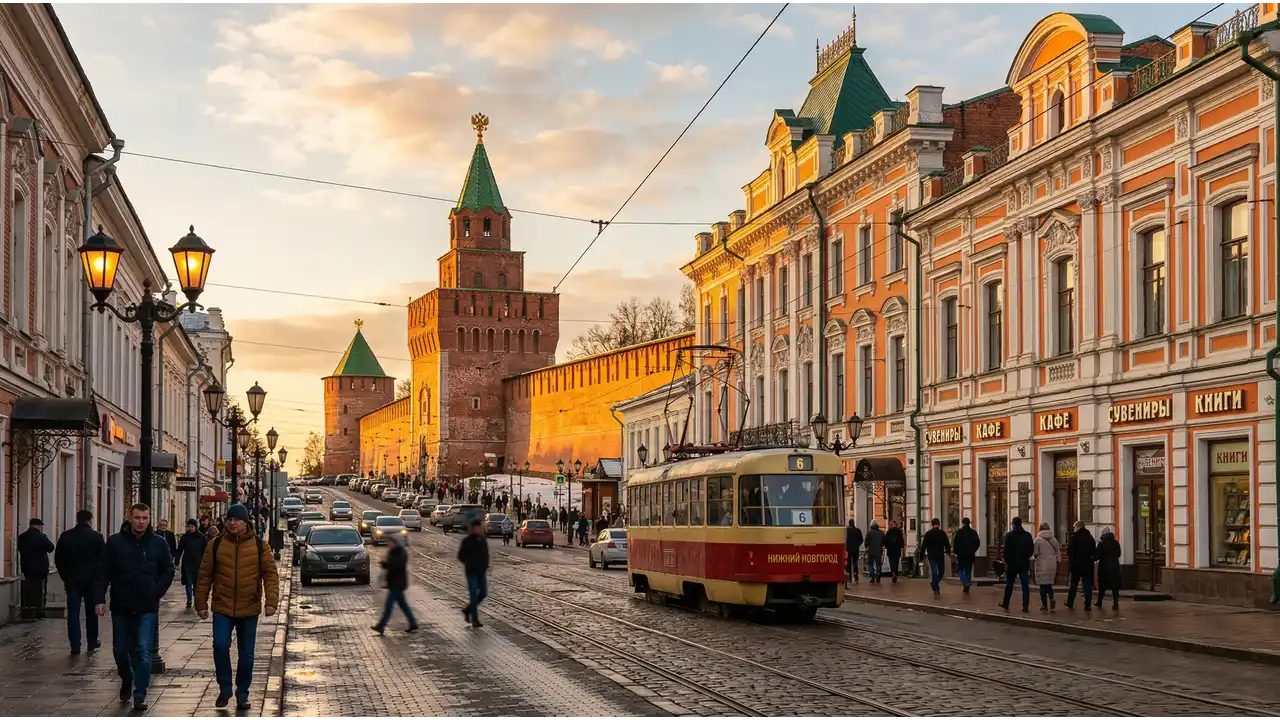
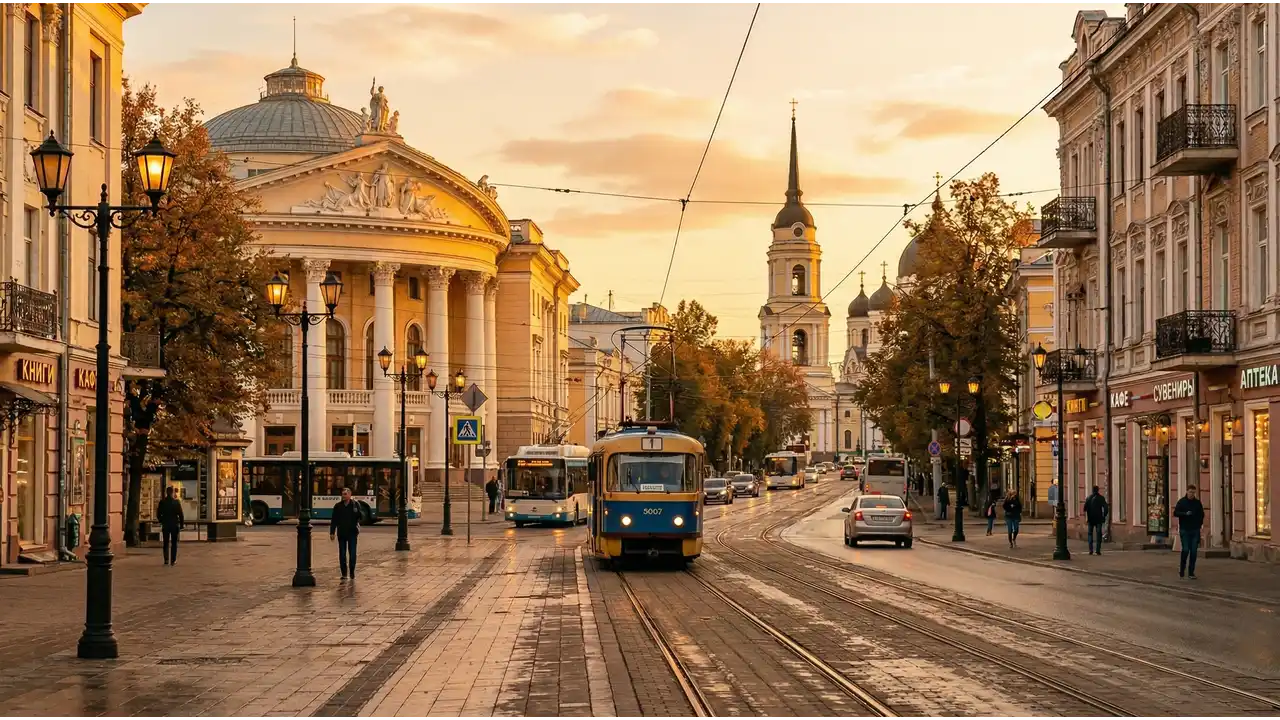
Nizhny Novgorod is Russia's fifth-largest city, located 250 miles east of Moscow where the Volga and Oka rivers meet. The city has a Soviet-era industrial base alongside cultural institutions, universities, and a growing tech sector. Winter is long and cold, dropping to around minus 10 degrees Celsius. Daily life centers on Soviet-era apartment blocks, Soviet-era metro system, and Soviet-era cultural venues that still function. The population is roughly 1.2 million, mostly Russian, with small expat communities in central neighborhoods. Shopping happens in Soviet supermarkets and newer hypermarkets. Public transport is the default; car ownership is common but not essential.
💡 Local Insights
Nizhny Novgorod · 2026
Nizhny Novgorod costs substantially less than Moscow or St. Petersburg, though prices have risen since 2022. Housing dominates the budget at $472/month for a one-bedroom apartment in central areas like Moskovskoe or Kanavinskoe; outer neighborhoods drop to $350-400. Shared or Soviet-era apartments cost less. Groceries at $195/month are affordable if you cook at home, shopping at chains like Pyaterochka or Magnit. Local markets offer cheaper produce. Eating out runs $5-8 for a canteen meal, $12-18 for a casual restaurant. Metro and bus passes cost around $20 per month. Utilities (heating, water, electricity) add another $50-80 depending on season. Expats and foreigners generally pay market rates; negotiations on housing are common with landlords. Prices quoted to foreigners are sometimes higher, so working through Russian-speaking colleagues or rental agencies helps.
Frequently Asked Questions
How much does it cost to live in Nizhny Novgorod per month?
A moderate lifestyle costs around $1,075 per month. Housing runs $472/month, groceries $195/month, and utilities approximately $50-80/month. Local transport costs roughly $20/month for a metro or bus pass. The remainder covers dining out, entertainment, and miscellaneous expenses. A tight budget of $645/month is possible if you live outside the center and cook exclusively at home. A comfortable lifestyle with dining out regularly, better housing, and some leisure spending requires around $1,666/month.
What is the average rent in Nizhny Novgorod?
Average rent for a one-bedroom apartment in the center is around $472/month. Central neighborhoods like Moskovskoe, Kanavinskoe, and the Kremlin area range from $450-550 depending on condition and amenities. Soviet-era apartments in decent condition run $350-420. Outer neighborhoods and newly developed areas on the Volga's right bank are cheaper, ranging $300-400 for a one-bedroom. Shared apartments cost $200-300 for a room. Most landlords expect payment in Russian rubles; lease agreements are common but informal arrangements are frequent. Furnished apartments cost 10-20% more than unfurnished.
Is Nizhny Novgorod cheap to live in for expats?
Yes, but with caveats. Nizhny Novgorod is cheaper than Moscow or St. Petersburg by roughly 30-40%. However, expat living costs vary widely. If you live like locals (public transport, cook at home, Soviet-era housing), expenses are genuinely low. If you seek Western amenities, international food, private transport, and modern apartments, costs rise significantly and approach Western levels in expat-heavy areas. Expats often pay 20-30% premiums on housing compared to local Russians negotiating directly. The lack of English signage and services means you'll need basic Russian language skills or help navigating bureaucracy and housing markets.
How much does food cost per month in Nizhny Novgorod?
Groceries for one person cost approximately $195/month if you cook at home. Supermarket staples: bread $0.50-1, milk $0.80-1.20, chicken $3-4 per kilogram, eggs $1 per dozen, potatoes $0.30 per kilogram. Discount chains like Pyaterochka and Magnit are cheapest. Open-air markets in Moskovskoe offer cheaper produce, particularly seasonal items. Eating out is affordable: a canteen lunch costs $4-6, casual restaurants $10-15 per meal. Cafes serving blini or pelmeni run $3-5. Western grocery imports are available but expensive, doubling typical costs. Alcohol is cheap; local beer and vodka cost significantly less than Western countries.
What salary do you need to live comfortably in Nizhny Novgorod?
A comfortable lifestyle requires approximately $1,666/month. This allows for housing around $550-650/month in good central locations, regular dining out, entertainment, and occasional travel. At this level, you can afford a modern one-bedroom or a two-bedroom in decent neighborhoods, consistent restaurant meals (3-4 times weekly), fitness memberships, and cultural activities. Below this, you'll make trade-offs: cheaper housing, cooking mostly at home, or limiting entertainment. Most Russian salaries in Nizhny Novgorod are considerably lower (averaging 40,000-60,000 rubles monthly, roughly $400-650), so expat incomes at $1,666+ place you in the upper-middle income bracket.
How does the cost of living in Nizhny Novgorod compare to other places?
Nizhny Novgorod sits in the middle tier of Eastern European cities. A moderate lifestyle runs $1,075 per month, with housing at $472 per month. That makes it slightly more expensive than Minsk, where a moderate lifestyle costs $1,025 monthly and housing runs $480. If you're coming from Western Europe, you'll find it considerably cheaper than Sofia, which runs $1,500 for a moderate lifestyle. On the other end, Odesa is noticeably more affordable at $800 per month overall. The difference comes down mainly to what's driving your budget. Food and local services are genuinely inexpensive here, though utilities and imported goods carry higher price tags than you'd pay in cheaper regional alternatives. For most expats and remote workers, Nizhny Novgorod offers solid value without the trade-offs you'd make in cheaper cities.
Yes, but with strict constraints. This budget requires sharing housing or renting a Soviet-era apartment in outer neighborhoods ($250-350/month), shopping at discount supermarkets exclusively, cooking all meals at home, and using public transport. Groceries run roughly $150/month at this level. Utilities add $50-70. This leaves minimal room for dining out, entertainment, or unexpected costs. You'll experience authentic Russian life but with few luxuries and limited social activities that cost money. Winter heating bills can strain the budget. Many Russian locals live at or below this level, so it is possible, but expats typically find it uncomfortable without prior experience in post-Soviet cities.